We just sent you a verification email. Please verify your account to gain access to
RSA Conference 2023. If you don’t think you received an email check your
spam folder.
In order to sign in, enter the email address you used to registered for the event. Once completed, you will receive an email with a verification link. Open this link to automatically sign into the site.
Register For RSA Conference 2023
Please fill out the information below. You will recieve an email with a verification link confirming your registration. Click the link to automatically sign into the site.
You’re almost there!
We just sent you a verification email. Please click the verification button in the email. Once your email address is verified, you will have full access to all event content for RSA Conference 2023.
I want my badge and interests to be visible to all attendees.
Checking this box will display your presense on the attendees list, view your profile and allow other attendees to contact you via 1-1 chat. Read the Privacy Policy. At any time, you can choose to disable this preference.
Select your Interests!
add
Upload your photo
Uploading..
OR
Connect via Twitter
Connect via Linkedin
EDIT PASSWORD
Share
Forgot Password
Almost there!
We just sent you a verification email. Please verify your account to gain access to
RSA Conference 2023. If you don’t think you received an email check your
spam folder.
In order to sign in, enter the email address you used to registered for the event. Once completed, you will receive an email with a verification link. Open this link to automatically sign into the site.
Sign in to gain access to RSA Conference 2023
Please sign in with LinkedIn to continue to RSA Conference 2023. Signing in with LinkedIn ensures a professional environment.
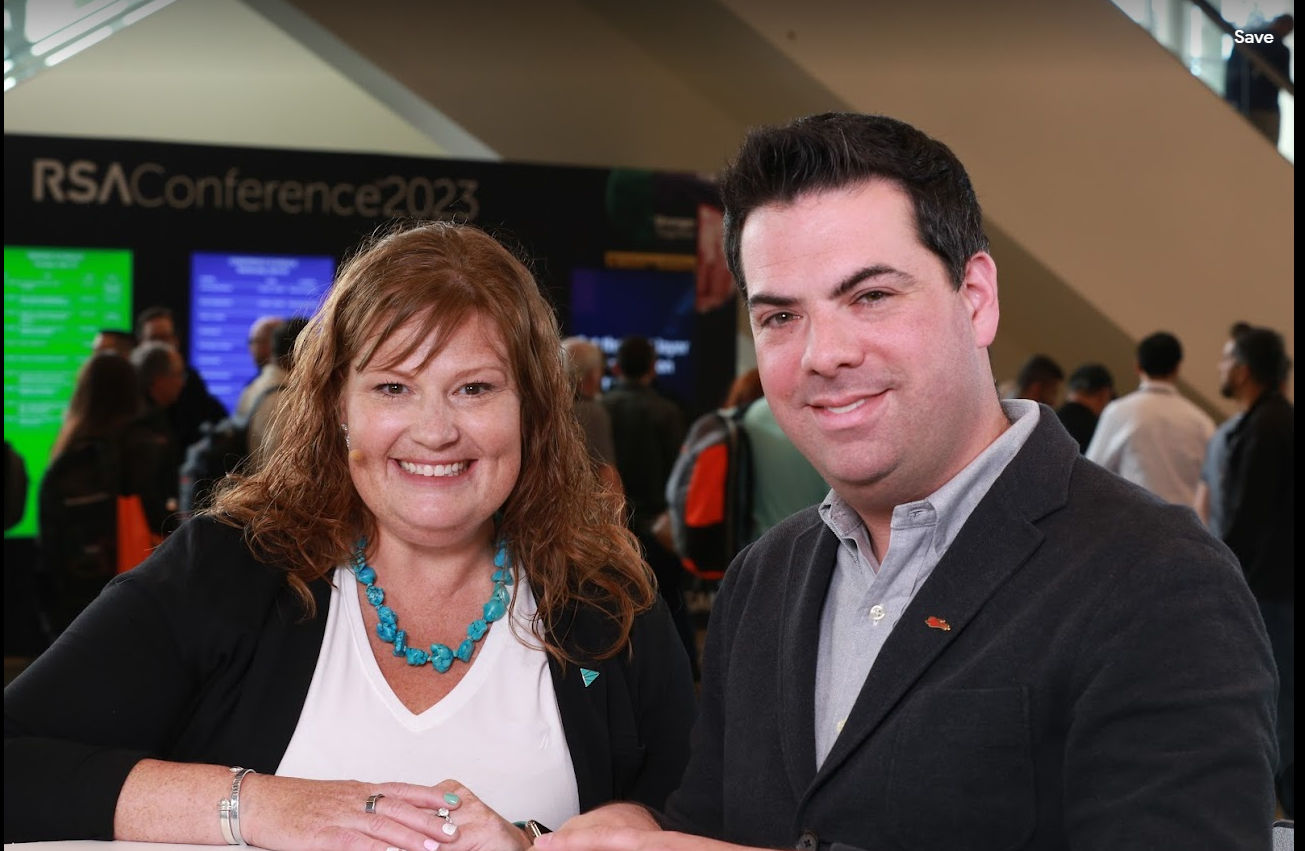
Abby Strong | Cribl & Daniel Bernard | CrowdStrike
Daniel Bernard
Chief Business OfficerCrowdStrike
Abby Strong
CMOCribl
search
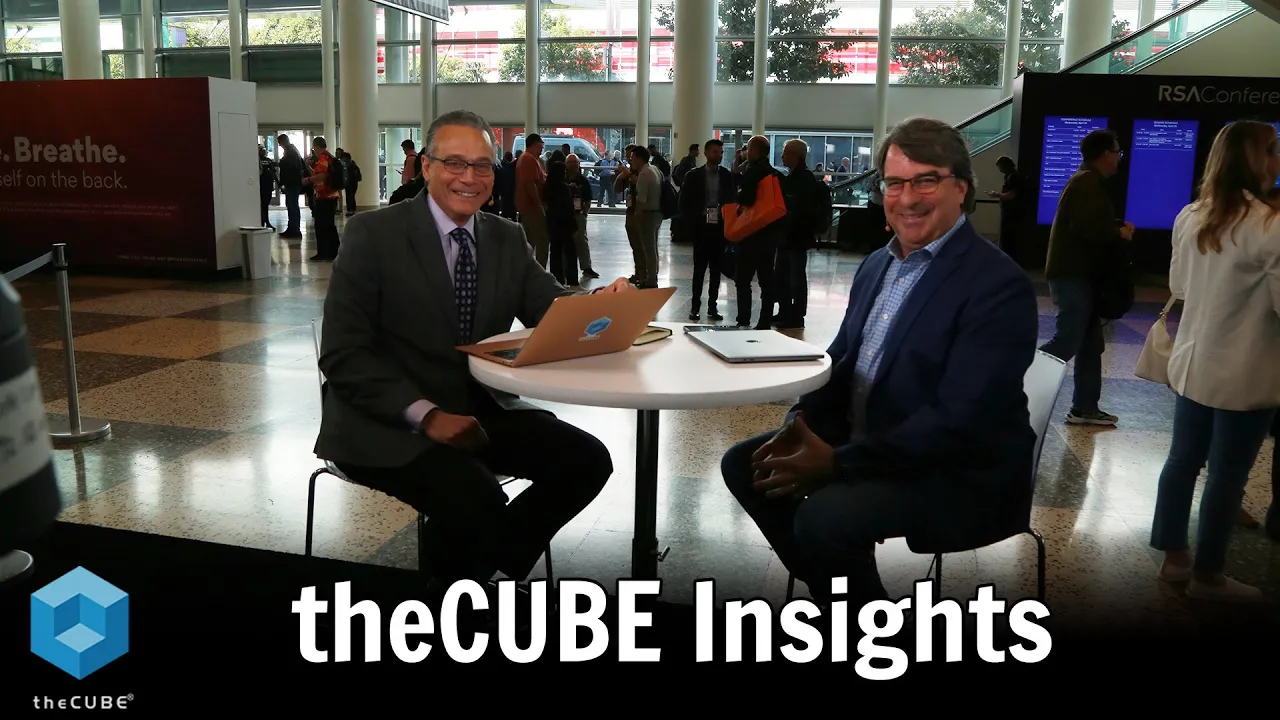
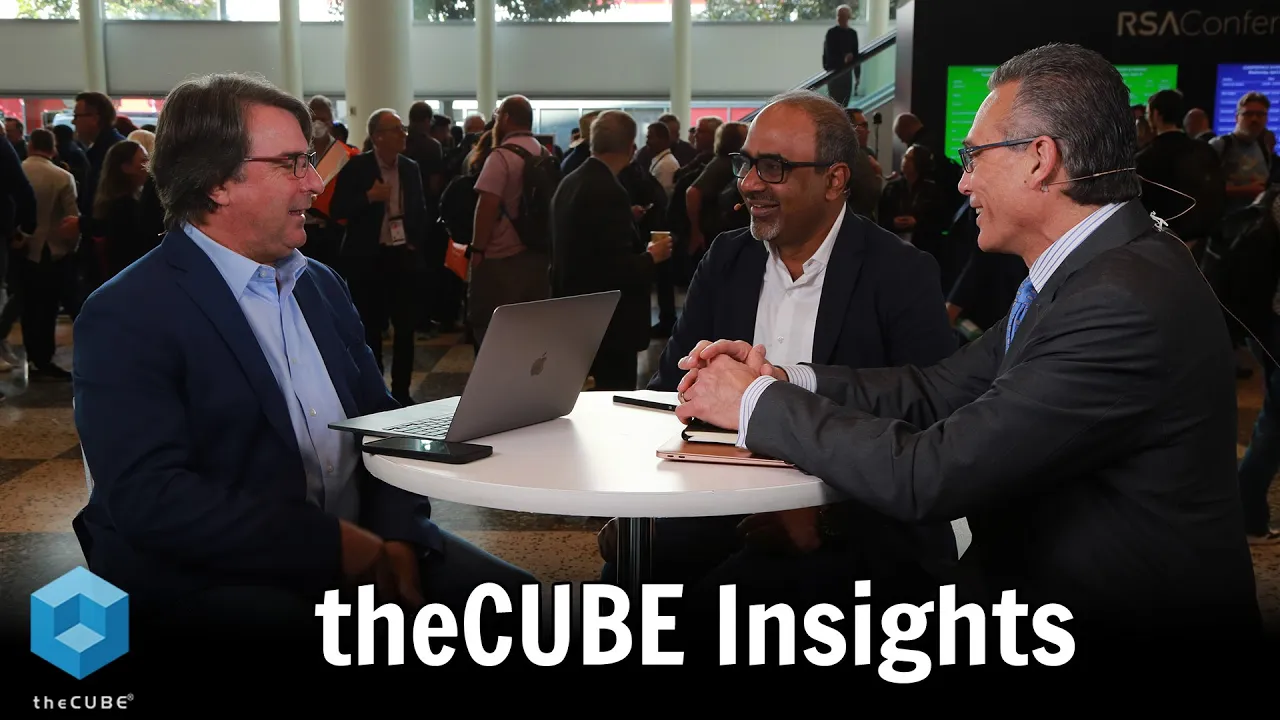
(upbeat music) >> Hey, welcome back everyone, to theCUBE's live coverage of RSA Conference 2023 in Moscone. I'm John Furrier, host of theCUBE day two. Kind of feels like day one. Day one was yesterday but
this is day two, full program. It's packed. Events are back. Steady state. We've got
two great guests here. Abby Strong is the Senior Vice President of Customer Experience at Cribl. Thanks for coming on. >> Yeah, thank you. >> Congratulations. And Daniel Bernard, Chief
Business Officer at CrowdStrike. Good to see you guys. >> John, good to be here.
>> Thanks for coming on. >> Yeah, super excited.
>> So, Cribl, CrowdStrike, partnership. We've got some news. Let's
get that out of the gate. Let's hear the news. >> Let's do it.
>> Sure. Well, what's going on in the market is a lot of our customers,
they're on this XDR journey. How do I bring data into the platform? How do I use CrowdStrike for everything? Not just security use cases,
DevOps use cases as well. And bringing data in with Cribl just is so much easier, so much faster. Bringing data in was a big struggle. We've been working with Cribl a long time. They're a Falcon Fund company. Made an investment in them

about a year and a half ago, and they've really emerged
as a leader in the market in terms of this data transit. And bringing data in with with Cribl via our Falcon, our CrowdStream product, it's never been easier,
it's never been faster and it's fully integrated. >> Yeah, super excited. We've just been working
together a long time, as he mentioned, really helping CrowdStrike EDR customers get their data into legacy SIEMs. And now with CrowdStream,
we have a much easier way to get data into the
CrowdStrike Falcon platform. >> What I love about the news
is that this is an example of where this market is right now. You have the explosion of new approaches and demand for the data. And it's got to be scalable and extensible and reliable and easy to use. And this is like, now the new table stakes and the pressure's on. So you guys bring that
new product to the table. What made this work? What was the reason? Were you guys partnering? Can you expand on the relationship? >> Sure. I think some of the best partnerships, they actually start organically. And so if you look at
the way data is moving and where it was moving, Falcon platform, EDR data,
very voluminous data. 70% of the data that we'd
see in legacy SIEM products was coming from CrowdStrike. How was it getting to these SIEM products? It was going via Cribl. So it was really easy for us
to listen to our customers and see this demand for
the Cribl technology. The differentiation and
this observability pipeline and for us to help route that right here into the data destination, which is our LogScale product
in the Falcon XDR platform. >> Yeah, we share a lot of
customers in common already. And it was interesting seeing
that grow from the field and then even as they were
starting to look at LogScale and the opportunity that
they have with that product. And to hear them go, "well, can you help us move
data into this product?" And so we built a pack, made it really easy to move data over. And of course, that turned into, well, how do we get that inside

the CrowdStrike interface to make it even easier for customers to- >> Take us through how it works
because this is a big deal. And I think, again, I've talked to
the founders at Cribl many times when they started. They just build product and then they... What's your go to... We just go to customers, they've got a problem, we
just build it for them, next thing they're working together. And now you've got data as large scale, the plumbing's there. Talk about how it works with CrowdStrike so people can understand the connections. >> Sure. So it starts like this, and we're going to do it live so you see what the
customer experience is. You log into our platform, there's a button, it says
CrowdStream powered by Cribl. You click the button and that starts your data
journey of bringing the data in. That's where Cribl comes into play. >> Yeah. And so customers can choose, we have a very easy
and intuitive interface with a thousand integrations for all the different source
types that they might have. And it allows for customers
just to immediately go, "Which sources am I interested in moving into the Falcon LogScale platform?" And then just literally drag and drop and say, "send it to LogScale now." And we'll automatically
process, parse it, forward it and then format it in the right
way so we can land it there. >> That's so easy. We're done. I mean, okay.
(Abby laughing) Okay, that's a wrap guys. No, I mean that's kind of
the way it's supposed to be. Okay, what's the impact to customers? Are you guys going to
go to market together? Talk about the relationships. >> Sure.
>> What's the plan? >> We're going to market together, but what makes this
really, really wonderful for our customers, we've
got over 26,000 customers, and great for Cribl,
is we make it so easy. Like you said, what's
the big barrier to XDR? The big barrier to XDR is, okay, you've got the CrowdStrike data, that's endpoint, that's cloud, that's workload, that's identity. >> John: Explain XDR real quick before- >> Sure. So XDR, it really starts
with where we were with EDR, endpoint detection and response. And CrowdStrike pioneered,
created, owns the EDR category. Endpoint, you want to do
prevention, detection and response. So the D and the R is
detection and response. How do you keep an endpoint safe today? That's EDR. Enterprises are sitting there saying, "Wait, we want to do
it beyond the endpoint. We want this protection layer, this visibility layer across everything." And that's where we
start getting into data and attack surfaces
that aren't CrowdStrike. And that's where the X comes in. Extended detection and response. So if you're trying to move to XDR, it really becomes more of a data based, a data defined problem. How do you get the
visibility over the data? How do you bring it to one place? And we are the one place. And in order to be the one place we need to make data
in really, really easy. >> Well, first of all, I want to say congratulations
to CrowdStrike. We follow a lot of the
public stock metrics. Dave does. Like you read about it,
Dave's much more on that, but the metrics are all doing
great on the business side. So congratulations. This, working with other companies has become a connection business, where API is in the cloud, data connects to data, people are working together, clean rooms are being discussed
everywhere you talk about. So this is like a connector
on steroids, seems like. Is that kind-
>> A little bit. I mean, at the heart of it, Cribl is an integrations company. And so what we spend
our time and attention is on where is all of the data? And then how do we get it
to the various destinations? And in this case, specifically LogScale. But really, we were formed to help customers overcome this problem. Data is growing at a 25% CAGR. That means in five years you're going to have 250%
more data than you have today- >> That might be understated, by the way. >> And a lot of it is coming from EDR, if we're being quite honest, as you said, 60 to 70%. And so how do you get in front of that, make sure that you can put
it where it needs to go? And then once you have that as the gravity that comes with that amount of data, how do you get your other data in there? Where's your firewall data? Where are inputs from
other parts of the business that you can use to solve problems? >> It's like filling up the gas tank, you just go pump it in. So what's the use case? What's the driver here? More visibility? Is it more data for all those solutions
you guys are driving? Is the customers saying
I have bespoke data? Is they have a tool? Are they replacing something? What's the driver? What's the motivation
behind the connection? >> Sure, so the number
one driver for what we do, we want to stop the breach. And you stop the breach by having the right data
set at the right time and being able to action
the data in real time. So the LogScale product,
instant search capability, long-term data retention, and it's quite affordable
and efficient to do that, which everybody in this market is looking for the affordable
and efficient button. But zooming out a little bit, I think what we hear from customers is a lot of pain points
around legacy SIEM products. It's too expensive, it takes too many people to operate, getting data in, getting
data out, too difficult. And frankly, that's a lot of the reasons why Cribl was created in
the first place as well. There's got to be a better way. So I think we're going to see
that whole SIEM market evolve in a very material way as XDR and SIEM really collide. And that creates a lot of opportunities for customers to have a more efficient way to do security and beyond, as well as a place to retain,
store, manage, search, all these different
things they want to do. >> Keep an eye on the data. It's awesome. I want to talk about the partnership again before we go into some of
the observability trends. One of the big discussions this event is the collaboration between companies, not just on sharing information but actually working together like this. Can you comment on how
you see that evolving? We're going to see more of that? And what's the best
practice on partnering? >> So CrowdStrike, we're really on this EDR
to XDR transformation. And what's nice about
XDR is it's a team sport. We can't do it alone. It's not just about the attack surfaces that we protect at CrowdStrike, it's also about integrating
with other third party products. And hundreds of companies
work with CrowdStrike. We're really becoming an
ecosystem within cybersecurity, so better together. I mean, when we all work together, our customers get a better
cybersecurity outcome. That's faster security,
that's more simple security. And it all starts and ends with the data. And if we don't bring in the data, they don't get the result, the benefit, and the ease of operation from
all these different products. >> John: More data, more scale. >> You can't get to full XDR without all these additional data sources. And so when we talk about partnering, like we're all about choice. Customers should choose, where do they want their data to go? Which tools... All of the tools that
end up in an environment were chosen for a reason. We want to give them the
ability to have those. And then once they've made a choice, and they've said we're
buying into this XDR journey, we want this ability to do this. Well, then the next step is
how easy can we make that so that they don't have to
replace fleets of agents on non-CrowdStrike devices- >> And we've heard so many
stories even on theCUBE from frustrated CISOs that are saying, "look, I'm buying these other tools, I've got a lot of retro coding going on. I got to rewrite code- >> Daniel: Parsers. >> Stuff breaks. I won't say 'cause we're PG
13 here on theCUBE today, unlike yesterday. (Abby laughs) So, okay, partnerships are cool. Somewhat observability is a hot
category, continue to merge. It's been overfunded. We see some consolidation in this market but with more data coming in and more services being deployed, especially in cloud native and edge, there's more need for
better observability. So what's the vision that you guys see? And certainly with AI
and machine learning, more code will be generated so more code will be
flooding into the networks. So who's going to watch that? Who's going to observe the observability and get the whole AI discussion? So we're anticipating that's going to change
the game in observability. What's your angle on that? >> So I think from a data perspective, as I mentioned, 250% more
data in the next five years than you have today. And so you keep seeing this data growth but what do you do with
it? Because a lot of data, especially the telemetry
data that we're focused on, which is, how do we solve problems for the data that's coming
from all these applications? You have a transaction online, you book a plane ticket or something. That looks like one transaction but behind the scenes, there's hundreds of things
that folks are watching. How fast did that website respond? Did my services actually work? And you'll see all of this coming and it's just constantly growing. And so what Cribl does and
what observability is about is saying that data, it
may have near zero value until it is the most valuable data because something happened and you have to be able to get to it. So if you're going to
stay in front of that, how do you figure out where
are those nuggets of gold? What is actually valuable to you? And observability as a trend
or as a market category is really about how do
I ask questions of data that I didn't anticipate before because I didn't even know that
data was going to be valuable until there was a problem? >> Yeah, the data geeks,
if they hoard the data, they keep it around or
they build products. You've got to be proud of Cribl right now. It's pretty- >> Abby: It's been amazing journey. >> Daniel: It's revolutionary. But the destinations where
people are putting their data, that's what's changing too. That's where having an XDR platform that can ingest it, that can sustain it, maintain it for years, that makes it instantly available, easy to search, affordable, you get a lot more value out of the data that Abby's talking about that you didn't need until that one moment when
there was a suspicious event. >> This team sport angle is interesting. I want to get your thoughts. You guys haven't had news lately. What's the update on the XDR? What's the latest in CrowdStrike? What's the momentum look like? >> Sure. So lots of things going on at CrowdStrike. We have 23 modules on the platform that are doing things
well beyond endpoint. So helping customers secure their cloud, helping customers secure identity, that's a really hot, fast
growing space in the market. Also, the LogScale product
that we're talking about, that XDR backend, very interesting. This week we just announced managed XDR, where it's a service wrapper
that our partners deliver as well as we deliver for customers that want to
operationalize and that use XDR that's integrating multiple
other point products or other platforms into
the CrowdStrike experience. So we're here really living
and breathing this team sport, making it a reality. We're not just talking
about it, we're doing it- >> And the thing that you guys do. And the numbers obviously
on the performance on the business side is great, but the industry, there's
some fat that needs to be cut and we see some areas that need to be kind of,
okay, move to the side, let's let it go to the next level. And I think the data piece is huge. Big endorsement with CrowdStrike. Again, great relationship. Congratulations on Cribl. >> Abby: Thank you, super excited. >> And say hello to the team over there, Clinton and everybody, so you know. >> Yeah, will do. I know, we really enjoy
our time on theCUBE. >> You guys are awesome. And we'll see you at the event. What else is new at the company? The event coming up? Put a plug in.
>> We have Falcon coming up. That's where the security ecosystem, we're not just here at RSA, everybody's coming all over
again and doing it at Falcon where we're becoming that
defining event of security. >> Yeah. >> Hundreds of our tech ISV partners, our service provider
partners, our MSP partners, and of course thousands of
customers will be there too- >> And we'll be there too. We will be there.
>> Awesome. >> And on our journey to get
to 26,000 customers also. We are also having our very
first CriblCon this year, so it'll be in July in Las Vegas. >> John: Okay, wow. >> This will be the... We're hoping for hundreds. >> Well, we love to go to original events, we've been to every DockerCon even virtual when they started, so maybe CriblCon could be a nice trend. "Present at creation,"
that's the big CUBE motto. When the first event comes out, you've got to keep us in
mind, we'll come over. >> We will talk after the show. >> You've got to start at
CriblCon then come to Falcon and then we'll see you at both places. >> Good to have you. Thanks for coming on, I appreciate it. Okay, it's the news action here at RSA. This is where the game is
changing, it's evolving. Security's getting, I
would say not a mulligan, but they're taking it to the next level as super cloud, as super apps come out. More data, all happening
here with CrowdStrike, here at theCUBE. Thanks for watching. We'll be right back
after this short break. (upbeat music)
Abby Strong | Cribl & Daniel Bernard | CrowdStrike
search
(upbeat music) >> Hey, welcome back everyone, to theCUBE's live coverage of RSA Conference 2023 in Moscone. I'm John Furrier, host of theCUBE day two. Kind of feels like day one. Day one was yesterday but
this is day two, full program. It's packed. Events are back. Steady state. We've got
two great guests here. Abby Strong is the Senior Vice President of Customer Experience at Cribl. Thanks for coming on. >> Yeah, thank you. >> Congratulations. And Daniel Bernard, Chief
Business Officer at CrowdStrike. Good to see you guys. >> John, good to be here.
>> Thanks for coming on. >> Yeah, super excited.
>> So, Cribl, CrowdStrike, partnership. We've got some news. Let's
get that out of the gate. Let's hear the news. >> Let's do it.
>> Sure. Well, what's going on in the market is a lot of our customers,
they're on this XDR journey. How do I bring data into the platform? How do I use CrowdStrike for everything? Not just security use cases,
DevOps use cases as well. And bringing data in with Cribl just is so much easier, so much faster. Bringing data in was a big struggle. We've been working with Cribl a long time. They're a Falcon Fund company. Made an investment in them
about a year and a half ago, and they've really emerged
as a leader in the market in terms of this data transit. And bringing data in with with Cribl via our Falcon, our CrowdStream product, it's never been easier,
it's never been faster and it's fully integrated. >> Yeah, super excited. We've just been working
together a long time, as he mentioned, really helping CrowdStrike EDR customers get their data into legacy SIEMs. And now with CrowdStream,
we have a much easier way to get data into the
CrowdStrike Falcon platform. >> What I love about the news
is that this is an example of where this market is right now. You have the explosion of new approaches and demand for the data. And it's got to be scalable and extensible and reliable and easy to use. And this is like, now the new table stakes and the pressure's on. So you guys bring that
new product to the table. What made this work? What was the reason? Were you guys partnering? Can you expand on the relationship? >> Sure. I think some of the best partnerships, they actually start organically. And so if you look at
the way data is moving and where it was moving, Falcon platform, EDR data,
very voluminous data. 70% of the data that we'd
see in legacy SIEM products was coming from CrowdStrike. How was it getting to these SIEM products? It was going via Cribl. So it was really easy for us
to listen to our customers and see this demand for
the Cribl technology. The differentiation and
this observability pipeline and for us to help route that right here into the data destination, which is our LogScale product
in the Falcon XDR platform. >> Yeah, we share a lot of
customers in common already. And it was interesting seeing
that grow from the field and then even as they were
starting to look at LogScale and the opportunity that
they have with that product. And to hear them go, "well, can you help us move
data into this product?" And so we built a pack, made it really easy to move data over. And of course, that turned into, well, how do we get that inside
the CrowdStrike interface to make it even easier for customers to- >> Take us through how it works
because this is a big deal. And I think, again, I've talked to
the founders at Cribl many times when they started. They just build product and then they... What's your go to... We just go to customers, they've got a problem, we
just build it for them, next thing they're working together. And now you've got data as large scale, the plumbing's there. Talk about how it works with CrowdStrike so people can understand the connections. >> Sure. So it starts like this, and we're going to do it live so you see what the
customer experience is. You log into our platform, there's a button, it says
CrowdStream powered by Cribl. You click the button and that starts your data
journey of bringing the data in. That's where Cribl comes into play. >> Yeah. And so customers can choose, we have a very easy
and intuitive interface with a thousand integrations for all the different source
types that they might have. And it allows for customers
just to immediately go, "Which sources am I interested in moving into the Falcon LogScale platform?" And then just literally drag and drop and say, "send it to LogScale now." And we'll automatically
process, parse it, forward it and then format it in the right
way so we can land it there. >> That's so easy. We're done. I mean, okay.
(Abby laughing) Okay, that's a wrap guys. No, I mean that's kind of
the way it's supposed to be. Okay, what's the impact to customers? Are you guys going to
go to market together? Talk about the relationships. >> Sure.
>> What's the plan? >> We're going to market together, but what makes this
really, really wonderful for our customers, we've
got over 26,000 customers, and great for Cribl,
is we make it so easy. Like you said, what's
the big barrier to XDR? The big barrier to XDR is, okay, you've got the CrowdStrike data, that's endpoint, that's cloud, that's workload, that's identity. >> John: Explain XDR real quick before- >> Sure. So XDR, it really starts
with where we were with EDR, endpoint detection and response. And CrowdStrike pioneered,
created, owns the EDR category. Endpoint, you want to do
prevention, detection and response. So the D and the R is
detection and response. How do you keep an endpoint safe today? That's EDR. Enterprises are sitting there saying, "Wait, we want to do
it beyond the endpoint. We want this protection layer, this visibility layer across everything." And that's where we
start getting into data and attack surfaces
that aren't CrowdStrike. And that's where the X comes in. Extended detection and response. So if you're trying to move to XDR, it really becomes more of a data based, a data defined problem. How do you get the
visibility over the data? How do you bring it to one place? And we are the one place. And in order to be the one place we need to make data
in really, really easy. >> Well, first of all, I want to say congratulations
to CrowdStrike. We follow a lot of the
public stock metrics. Dave does. Like you read about it,
Dave's much more on that, but the metrics are all doing
great on the business side. So congratulations. This, working with other companies has become a connection business, where API is in the cloud, data connects to data, people are working together, clean rooms are being discussed
everywhere you talk about. So this is like a connector
on steroids, seems like. Is that kind-
>> A little bit. I mean, at the heart of it, Cribl is an integrations company. And so what we spend
our time and attention is on where is all of the data? And then how do we get it
to the various destinations? And in this case, specifically LogScale. But really, we were formed to help customers overcome this problem. Data is growing at a 25% CAGR. That means in five years you're going to have 250%
more data than you have today- >> That might be understated, by the way. >> And a lot of it is coming from EDR, if we're being quite honest, as you said, 60 to 70%. And so how do you get in front of that, make sure that you can put
it where it needs to go? And then once you have that as the gravity that comes with that amount of data, how do you get your other data in there? Where's your firewall data? Where are inputs from
other parts of the business that you can use to solve problems? >> It's like filling up the gas tank, you just go pump it in. So what's the use case? What's the driver here? More visibility? Is it more data for all those solutions
you guys are driving? Is the customers saying
I have bespoke data? Is they have a tool? Are they replacing something? What's the driver? What's the motivation
behind the connection? >> Sure, so the number
one driver for what we do, we want to stop the breach. And you stop the breach by having the right data
set at the right time and being able to action
the data in real time. So the LogScale product,
instant search capability, long-term data retention, and it's quite affordable
and efficient to do that, which everybody in this market is looking for the affordable
and efficient button. But zooming out a little bit, I think what we hear from customers is a lot of pain points
around legacy SIEM products. It's too expensive, it takes too many people to operate, getting data in, getting
data out, too difficult. And frankly, that's a lot of the reasons why Cribl was created in
the first place as well. There's got to be a better way. So I think we're going to see
that whole SIEM market evolve in a very material way as XDR and SIEM really collide. And that creates a lot of opportunities for customers to have a more efficient way to do security and beyond, as well as a place to retain,
store, manage, search, all these different
things they want to do. >> Keep an eye on the data. It's awesome. I want to talk about the partnership again before we go into some of
the observability trends. One of the big discussions this event is the collaboration between companies, not just on sharing information but actually working together like this. Can you comment on how
you see that evolving? We're going to see more of that? And what's the best
practice on partnering? >> So CrowdStrike, we're really on this EDR
to XDR transformation. And what's nice about
XDR is it's a team sport. We can't do it alone. It's not just about the attack surfaces that we protect at CrowdStrike, it's also about integrating
with other third party products. And hundreds of companies
work with CrowdStrike. We're really becoming an
ecosystem within cybersecurity, so better together. I mean, when we all work together, our customers get a better
cybersecurity outcome. That's faster security,
that's more simple security. And it all starts and ends with the data. And if we don't bring in the data, they don't get the result, the benefit, and the ease of operation from
all these different products. >> John: More data, more scale. >> You can't get to full XDR without all these additional data sources. And so when we talk about partnering, like we're all about choice. Customers should choose, where do they want their data to go? Which tools... All of the tools that
end up in an environment were chosen for a reason. We want to give them the
ability to have those. And then once they've made a choice, and they've said we're
buying into this XDR journey, we want this ability to do this. Well, then the next step is
how easy can we make that so that they don't have to
replace fleets of agents on non-CrowdStrike devices- >> And we've heard so many
stories even on theCUBE from frustrated CISOs that are saying, "look, I'm buying these other tools, I've got a lot of retro coding going on. I got to rewrite code- >> Daniel: Parsers. >> Stuff breaks. I won't say 'cause we're PG
13 here on theCUBE today, unlike yesterday. (Abby laughs) So, okay, partnerships are cool. Somewhat observability is a hot
category, continue to merge. It's been overfunded. We see some consolidation in this market but with more data coming in and more services being deployed, especially in cloud native and edge, there's more need for
better observability. So what's the vision that you guys see? And certainly with AI
and machine learning, more code will be generated so more code will be
flooding into the networks. So who's going to watch that? Who's going to observe the observability and get the whole AI discussion? So we're anticipating that's going to change
the game in observability. What's your angle on that? >> So I think from a data perspective, as I mentioned, 250% more
data in the next five years than you have today. And so you keep seeing this data growth but what do you do with
it? Because a lot of data, especially the telemetry
data that we're focused on, which is, how do we solve problems for the data that's coming
from all these applications? You have a transaction online, you book a plane ticket or something. That looks like one transaction but behind the scenes, there's hundreds of things
that folks are watching. How fast did that website respond? Did my services actually work? And you'll see all of this coming and it's just constantly growing. And so what Cribl does and
what observability is about is saying that data, it
may have near zero value until it is the most valuable data because something happened and you have to be able to get to it. So if you're going to
stay in front of that, how do you figure out where
are those nuggets of gold? What is actually valuable to you? And observability as a trend
or as a market category is really about how do
I ask questions of data that I didn't anticipate before because I didn't even know that
data was going to be valuable until there was a problem? >> Yeah, the data geeks,
if they hoard the data, they keep it around or
they build products. You've got to be proud of Cribl right now. It's pretty- >> Abby: It's been amazing journey. >> Daniel: It's revolutionary. But the destinations where
people are putting their data, that's what's changing too. That's where having an XDR platform that can ingest it, that can sustain it, maintain it for years, that makes it instantly available, easy to search, affordable, you get a lot more value out of the data that Abby's talking about that you didn't need until that one moment when
there was a suspicious event. >> This team sport angle is interesting. I want to get your thoughts. You guys haven't had news lately. What's the update on the XDR? What's the latest in CrowdStrike? What's the momentum look like? >> Sure. So lots of things going on at CrowdStrike. We have 23 modules on the platform that are doing things
well beyond endpoint. So helping customers secure their cloud, helping customers secure identity, that's a really hot, fast
growing space in the market. Also, the LogScale product
that we're talking about, that XDR backend, very interesting. This week we just announced managed XDR, where it's a service wrapper
that our partners deliver as well as we deliver for customers that want to
operationalize and that use XDR that's integrating multiple
other point products or other platforms into
the CrowdStrike experience. So we're here really living
and breathing this team sport, making it a reality. We're not just talking
about it, we're doing it- >> And the thing that you guys do. And the numbers obviously
on the performance on the business side is great, but the industry, there's
some fat that needs to be cut and we see some areas that need to be kind of,
okay, move to the side, let's let it go to the next level. And I think the data piece is huge. Big endorsement with CrowdStrike. Again, great relationship. Congratulations on Cribl. >> Abby: Thank you, super excited. >> And say hello to the team over there, Clinton and everybody, so you know. >> Yeah, will do. I know, we really enjoy
our time on theCUBE. >> You guys are awesome. And we'll see you at the event. What else is new at the company? The event coming up? Put a plug in.
>> We have Falcon coming up. That's where the security ecosystem, we're not just here at RSA, everybody's coming all over
again and doing it at Falcon where we're becoming that
defining event of security. >> Yeah. >> Hundreds of our tech ISV partners, our service provider
partners, our MSP partners, and of course thousands of
customers will be there too- >> And we'll be there too. We will be there.
>> Awesome. >> And on our journey to get
to 26,000 customers also. We are also having our very
first CriblCon this year, so it'll be in July in Las Vegas. >> John: Okay, wow. >> This will be the... We're hoping for hundreds. >> Well, we love to go to original events, we've been to every DockerCon even virtual when they started, so maybe CriblCon could be a nice trend. "Present at creation,"
that's the big CUBE motto. When the first event comes out, you've got to keep us in
mind, we'll come over. >> We will talk after the show. >> You've got to start at
CriblCon then come to Falcon and then we'll see you at both places. >> Good to have you. Thanks for coming on, I appreciate it. Okay, it's the news action here at RSA. This is where the game is
changing, it's evolving. Security's getting, I
would say not a mulligan, but they're taking it to the next level as super cloud, as super apps come out. More data, all happening
here with CrowdStrike, here at theCUBE. Thanks for watching. We'll be right back
after this short break. (upbeat music)