We just sent you a verification email. Please verify your account to gain access to
Red Hat Summit 2026. If you don’t think you received an email check your
spam folder.
In order to sign in, enter the email address you used to registered for the event. Once completed, you will receive an email with a verification link. Open the link to automatically sign into the site.
Register for Red Hat Summit 2026
Please fill out the information below. You will receive an email with a verification link confirming your registration. Click the link to automatically sign into the site.
You’re almost there!
We just sent you a verification email. Please click the verification button in the email. Once your email address is verified, you will have full access to all event content for Red Hat Summit 2026.
I want my badge and interests to be visible to all attendees.
Checking this box will display your presense on the attendees list, view your profile and allow other attendees to contact you via 1-1 chat. Read the Privacy Policy. At any time, you can choose to disable this preference.
Select your Interests!
add
Upload your photo
Uploading..
OR
Connect via Twitter
Connect via Linkedin
EDIT PASSWORD
Share
Forgot Password
Almost there!
We just sent you a verification email. Please verify your account to gain access to
Red Hat Summit 2026. If you don’t think you received an email check your
spam folder.
In order to sign in, enter the email address you used to registered for the event. Once completed, you will receive an email with a verification link. Open the link to automatically sign into the site.
Sign in to gain access to Red Hat Summit 2026
Please sign in with LinkedIn to continue to Red Hat Summit 2026. Signing in with LinkedIn ensures a professional environment.
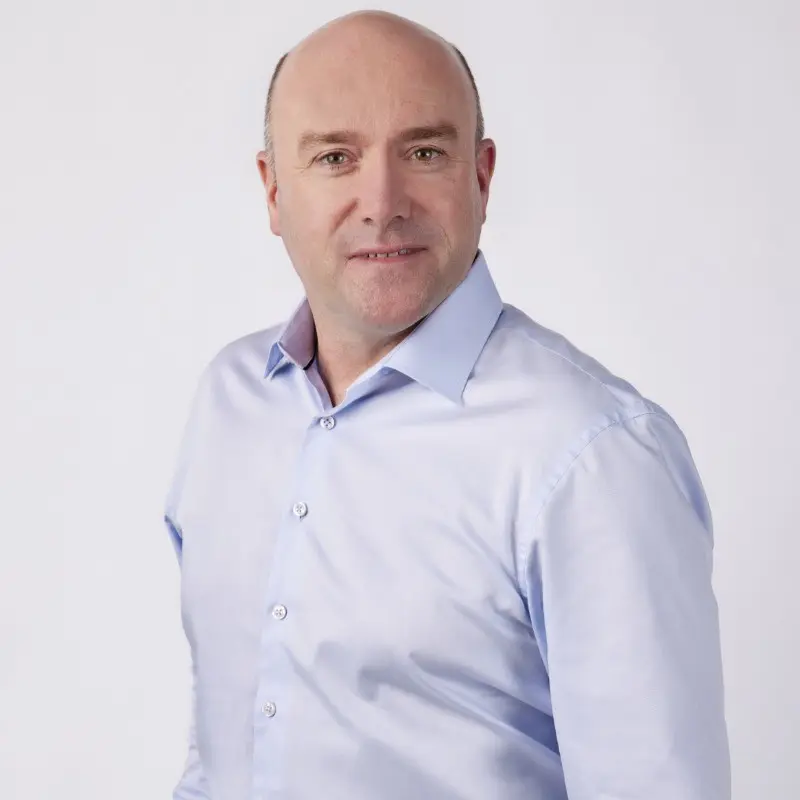
Fran Heeran, Vice President & Head of Global Telecommunications Business, Red Hat
Fran Heeran
Vice President & Head of Global Telecommunications BusinessRed Hat
In this interview from Red Hat Summit 2026, Fran Heeran, vice president and head of global telecommunications business at Red Hat, joins theCUBE's Rob Strechay and Rebecca Knight to discuss how telecommunications companies are finally moving from decades of siloed infrastructure to unified cloud platforms — and why that shift is accelerating now. Heeran explains that telcos have historically built each network application with its own dedicated infrastructure stack, creating fragmented environments where lifecycle management and consistent security patching g...Read more
exploreKeep Exploring
How does Red Hat help telecommunications providers manage the transition and coexistence between legacy virtualized infrastructure and new cloud-native/containerized systems?add
How does adopting a horizontal cloud/common infrastructure and becoming a software‑defined telco create efficiencies and faster deployment—illustrated by One New Zealand’s experience?add
What are the key priorities or themes that CTOs and CIOs in the telecommunications industry should be focusing on?add
Fran Heeran, Vice President & Head of Global Telecommunications Business, Red Hat
search
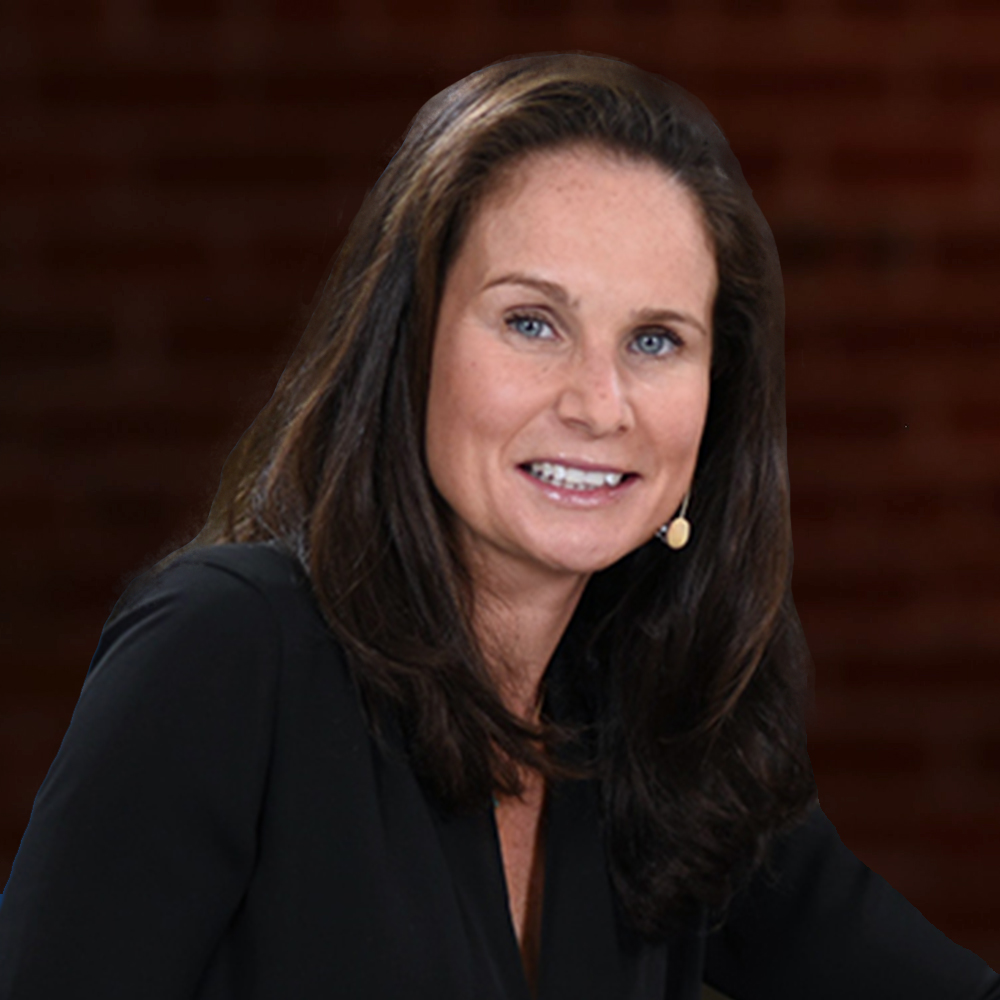
Rebecca Knight
>> Hello everyone. Welcome back to Atlanta, where we are live at theCUBE's live coverage of the Red Hat Summit. I'm your host, Rebecca Knight, alongside of Rob Strechay, and we are going to be talking about something you happen to know a lot about, telcos.
Rob Strechay
>> I know a little bit about it. I'm not an expert, but-
Rebecca Knight
>> Oh, ....
Rob Strechay
>> I know enough to be dangerous in this topic. So let's keep it that way.
Rebecca Knight
>> All right, well let's bring on a real expert here.
Rob Strechay
>> Exactly.
Rebecca Knight
>> So Fran Heeran, Vice President and Head of Global Telecommunications Business at Red Hat. Thanks so much for coming on the show.
Fran Heeran
>> It's a pleasure. Thank you both for having me.
Rebecca Knight
>> Yeah, you're actually a CUBE veteran, so you're returning to theCUBE.
Fran Heeran
>> Well, a Second time, I think.
Rebecca Knight
>> Yeah.
Fran Heeran
>> So is that a veteran status? It might be.
Rebecca Knight
>> Oh, just about, just about.
Fran Heeran
>> Yeah, yeah.
Rebecca Knight
>> So let's start talking about telcos because these are some of the most operationally complex organizations on the planet right now. I'm curious to hear about the modernization conversations that you're having with customers and why we're finally seeing a common telco cloud move from science project to a reality.
Fran Heeran
>> It's a great question and it's foundational to everything that we're doing in telco right now if we look across all regions, all of our customers. And it's interesting when you look at a telco, you can kind of divide it up into different segments. You've got your core network, you've got your IT systems, you've got the radio out on the edge and the B2B business. And we have been seeing the emergence of some really common themes across all of that in wanting to make much more consistent use and consistent management of the infrastructure. So in telco, for the longest time, we've been building siloed applications and siloed solutions. So in your core network, you would typically have an application, would bring its own infrastructure, and you would repeat that process for every application. So you end up with multiple technology stacks and silos that, over time, will become more out of date, they'll have different versions. And one of the critical demands right now is on the area of lifecycle management. So how do I manage the lifecycle of all the applications? How do I make sure security patching is up to date in a consistent way across all parts of my network and across all applications? And in an increasingly more regulated environment, that's becoming even more important. And that's not just for the core network, it happens in IT where we're seeing virtualization transformation and out to the radios as well.
Rob Strechay
>> Yeah. I was going to say because one of the things that we're hearing, and I've been talking with my telco friends who are experts like yourself in this, is that really what are you going to do at the edge? And the edge means so many different things. What are you hearing from those organizations about what they want to do as they bring things like AI out to COs and to the radios and beyond?
Fran Heeran
>> Yeah, that's an interesting area. So the edge in telco, and I was reminded of this only yesterday in a meeting here at Summit, one person's near edge is another person's far edge and vice versa. So in telco, the edge ... And we're seeing the networks becoming much more distributed. So as you move to 5G, 5G Advanced and 6G, the network design, network architecture, much more distributed disaggregated systems and that includes the radios. So we've heard a lot of talk about cloud RAN virtualization of the RAN as well. And the radio from a telco perspective represents the far edge. Now, I was reminded yesterday by somebody in a different sector of industrial automation, that their far edge is actually even further out. It's in the factory floor. But from a telco point of view, what we're seeing happening with radio is it's finally making the transition from a physical piece of infrastructure. As we move towards 6G, and we are starting the conversation on 6G, the infrastructure becoming much more standardized because we're seeing more and more non-radio applications being placed out on the far edge. And that includes things like deploying AI technology for use with the radio. And then the question becomes, and we're seeing some telcos experimenting with this, can I then monetize that infrastructure, that unique piece of real estate, this far edge location with my radios? If I've put this common infrastructure in place, is it of interest to third party enterprises and users to deploy their workflows that might be very latency sensitive, is that a new monetization stream? It's very early days, but it is another sign of how the infrastructure overhaul is happening, the move to common platforms and the move to more consistent types of infrastructure as well.
Rebecca Knight
>> And Red Hat often talks about being this bridge for telcos, helping them move or manage the tension, I guess I should say, between the legacy infrastructure and their new systems. Can you just talk about that a little bit?
Fran Heeran
>> Yeah, there is no one size fits all. So if you look at how these different parts of the network have evolved, your core network over the last few years has moved to completely cloud native. So fully containerized applications deployed across pretty much all networks now. Most of what we're doing in the core network area is containers with OpenShift and working with our partner ecosystem as well to deploy those applications. On the IT side of the network, it's not moving and doesn't need to move as fast towards containers. It's a much more longer evolving environment. So the IT applications are, for the most part staying, virtualized, but we're seeing a lot of focus on virtualization transformation. So moving to more modern platforms, more modern infrastructure. So the crucial thing for us in Red Hat is how do we provide a platform that can manage the different types of environment that are being used? So OpenShift Virt, for example, is critical there because you can manage both your VMs and your containers from your core, your IT out even to your radio with a single platform from a single place. And that's kind of what we're seeing most of all of our customers coming to us for is that consistency helping solve that management problem as the networks become more diverse.
Rob Strechay
>> So you have One New Zealand and they're talking about really significant efficiencies that they're able to with a horizontal cloud, which is kind of tying into what you were talking about, the multiple different networks and some of the other things that are going on. How does that really, when you look at things like a software defined telco really play that, because a lot of them, that's their goal, is to be software defined because it gives them more flexibility. They can add new services, like you're saying, going to 6G and some of the stuff they want to run over it.
Fran Heeran
>> One New Zealand were actually one of the early movers in this area. So we've seen a lot of the larger telcos have been first movers into common infrastructure, common cloud. But actually One New Zealand were one of the very early ones working with Red Hat, and not just on their core but also on the IT and they've seen some dramatic improvements already in terms of savings on deploying new workloads almost up to 50% faster than before in a siloed environment. And that's down to having a much more common environment managed from a single place, consistency in terms of versioning, in terms of security, and being able to give a single set of guidance to their vendor community on how to deploy the applications in a very consistent way and how to automate that. So incredible savings. And we can now use that with other telco customers in terms of showing exactly what the benefits are and moving away from the silo onto the common platform.
Rebecca Knight
>> And another customer, Telenet Business, which is claiming architectural freedom from their legacy vendors, how important would you say is digital sovereignty, particularly in this uncertain geopolitical climate?
Fran Heeran
>> Yeah, it's an authority question. It's depending on which part of the world you're in. So I come from Europe and digital sovereignty is becoming a major focal point in Europe. It's also representing or presenting an opportunity to the European telcos in terms of a monetization stream where they ... And remember, telcos have been building essentially sovereign networks for decades. So when it comes to offering sovereign solutions, sovereign cloud solutions to customers, either within, for example, the EU or even going down to within a country, that becomes crucial. So Telenet and Belgium is one example. They're an MSP in Belgium providing solutions to enterprises, deploying the Red Hat platform, modernizing the virtualization environment, migrating all of the VMs away from the legacy environment to the new one was a critical focus for them, and doing it while also maintaining business continuity. But we're also seeing places like Telenor, their AI Factory is a good example of a country specific sovereignty because they're in Norway. And Norway's not part of the EU as such. They work very closely with the EU. But we are seeing country specific sovereign solutions now becoming a factor. And telcos are very, very well positioned to offer those because of their years of experience in building in country sovereign infrastructure.
Rebecca Knight
>> And is that part of the Red Hat practice in terms of talking to customers? I mean, obviously the customers know what part of the world they're in and they can read the room in terms of what's going on, but I'm curious to hear how you work through that with customers in terms of actually you're better off with a country specific sovereign.
Fran Heeran
>> We won't recommend in terms of what choice ... Usually the customer comes to us and says, "All right, I need a solution." Either it's going to be EU sovereign, maybe UK sovereign. And this applies all over the world. So usually the customer comes to us with their model of choice. The key for us at Red Hat is being able to offer a solution that can go down to that country level. And that means not just a technology solution. So there's a technology piece. And we help customers build clouds that are sovereign from a data retention perspective, data and transit, but also importantly is operationally so that the cloud is operated inside that sovereign border. And for us in Red Hat, we're supporting that from inside that sovereign border as well. So there's multiple layers of sovereignty, but it's becoming an increasingly important conversation with all of our telco customers, not just because they have to do it regulatory wise, but now it's also a new business opportunity for them as well.
Rob Strechay
>> I was going to say, I mean, things like, and we've heard from Telstra with the self-healing network aspect of it and just talking to some of the US telcos about how they still, like you said, have their multiple networks because they can't have reliance on outside services for this. So sovereignty is really core to what they're doing, and building sovereignty into that because it can't be down if you can't get to an API or something like that.
Fran Heeran
>> Telstra's an interesting one. Sovereignty obviously is key in Australia, we're very focused on that. But actually Telstra is an interesting example of we've been talking about automation in telco for a long time. It seems like decades at this stage and there's been some reasonable progress in automating it, but there's now a huge focus on executing on automation. We're seeing, in terms of cost controls, cost cutting, the necessity to build these much more autonomous networks. And it's bringing together two things in telco. One is the automation story, and that kind of started with the network APIs, programmable networks. Can I actually go in and use software to change and configure and heal and redesign my network? But now it's being married with AI. So I think for the longest time, we had automation, but it was still triggered typically by somebody at the start of the process and you would kind of start a task and there was, okay, it was less human intervention. What we're now seeing in the industry is using the outputs from the AI systems being deployed with telco to feed into the automation system. So you got full closed loop automation driven by these new emerging AI models, monitoring what's going on, predicting what might be about to happen, and taking corrective action ahead of time. And that's really what Telstra is focused on doing with our OpenShift platform and our Ansible platform as well.
Rebecca Knight
>> So finally, as we're wrapping up here, your personal call to action to CTOs who are watching this and they need to make some decisions Monday morning when they're back at their office, what are some of the most important moves that they should be making in your mind to stay relevant in this world?
Fran Heeran
>> I have a long list, so I have to narrow it down a little bit.
Rebecca Knight
>> Okay, all right.
Fran Heeran
>> It does start with common platform. I think that is, it's becoming such a necessity in terms of how to build consistent networks, how to take control and manage much more complex distributed networks. So it starts with that. On top of that, in terms of looking at the common infrastructure that goes into that, having a common platform that can manage your different environment types. So we talked about containerization, about virtualization, about the move infrastructure wise and application wise out towards the radio, how can you manage this much more distributed set of points of presence? And then I think in deploying AI, and it's interesting, there's some interesting discussions we've heard over the last number of weeks in marrying or comparing the cost of running AI versus what cost savings it's producing, because most of the AI today is being used for internal operational efficiency purposes transformation. And there's still a lot of focus on how much is AI costing me versus what am I getting back, getting to that point where AI costs less than the savings it's producing. So looking at running AI on the most efficient infrastructure, again where Red Hat can help. And looking at, again, telco was really becoming about workload placement in putting the right workload in the right location in the right environment, and AI is no different. So they're the kind of the basic themes I would say to any CTO, CIO in telco. Obviously security, paramount, and then to what extent does sovereignty play a role in your future as well. So of my long laundry list, they'd be the kind of four or five items I would say.
Rebecca Knight
>> Excellent. Well, Fran, a pleasure having you on the show.
Fran Heeran
>> Thank you so much.
Rebecca Knight
>> Appreciate it.
Rob Strechay
>> This was great.
Rebecca Knight
>> Real fascinating conversation.
Fran Heeran
>> Thank you. Appreciate it.
Rebecca Knight
>> I'm Rebecca Knight for Rob Strechay. Stay tuned for more of theCUBE's live coverage of the Red Hat Summit. You're watching theCUBE, the leader in enterprise tech news and analysis.