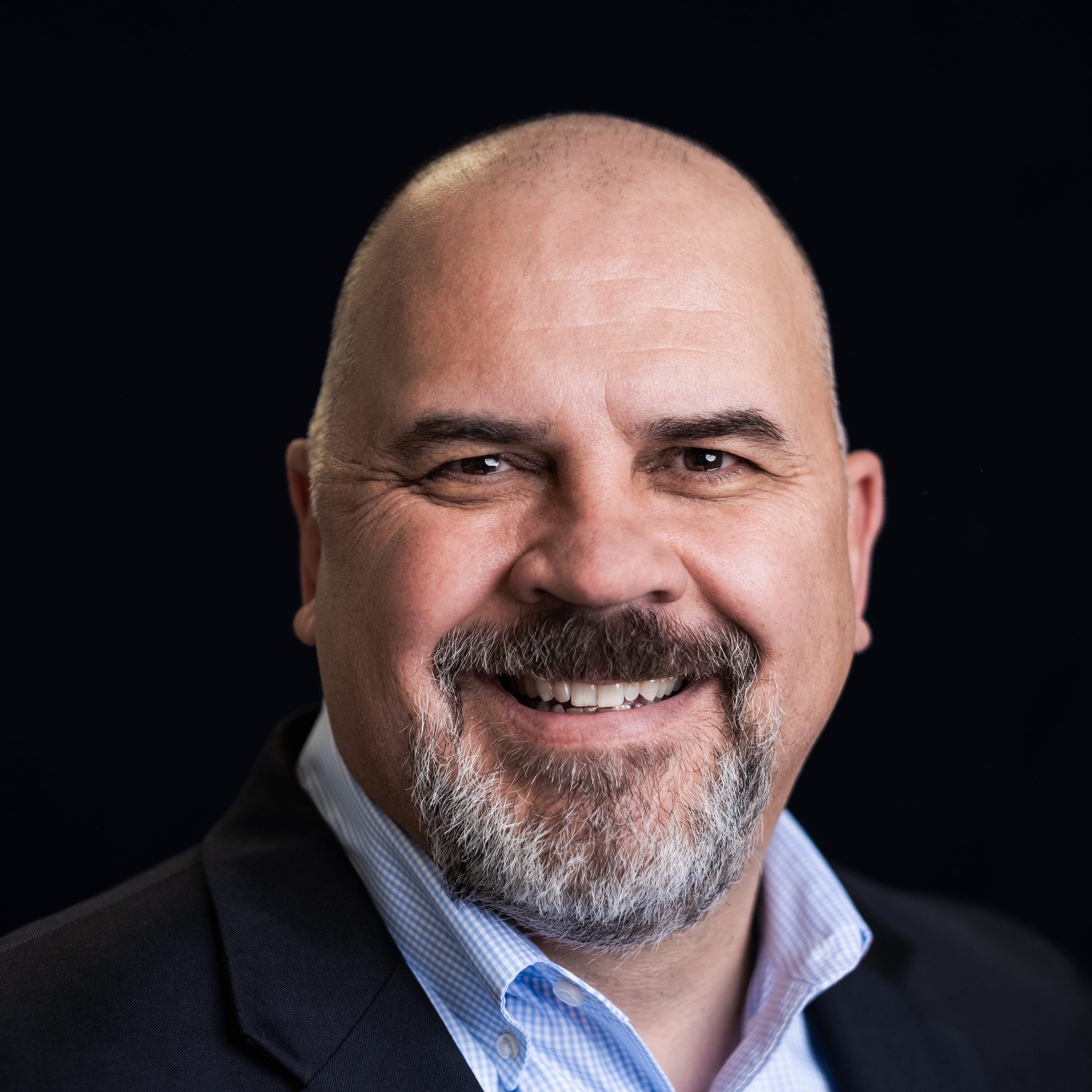
TheCUBE’s John Furrier and Bob Laliberte are on the ground at Qlik Connect 2025 delivering the keynote analysis. From the main stage to breakout insights, this keynote breakdown captures Qlik’s sharpened focus on execution and its expanding footprint in generative AI.
Furrier and Laliberte explore how Qlik is “doing data differently,” spotlighting its integration of predictive analytics with generative AI. The conversation zeroes in on Qlik’s ambition to make data not just accessible, but actionable, helping customers move beyond dashboards into decision intelligence that actually drives value across the business landscape.
One standout announcement is Qlik’s Open Lakehouse on the Talend Cloud, which Laliberte sees as a leap forward in real-time, AI-driven analytics. With improved cloud-native capabilities and streamlined access to structured and unstructured data, the platform promises to transform how organizations make decisions — faster, smarter and more aligned with real-world needs.
Forgot Password
Almost there!
We just sent you a verification email. Please verify your account to gain access to
Qlik Connect 2025. If you don’t think you received an email check your
spam folder.
In order to sign in, enter the email address you used to registered for the event. Once completed, you will receive an email with a verification link. Open this link to automatically sign into the site.
Register For Qlik Connect 2025
Please fill out the information below. You will recieve an email with a verification link confirming your registration. Click the link to automatically sign into the site.
You’re almost there!
We just sent you a verification email. Please click the verification button in the email. Once your email address is verified, you will have full access to all event content for Qlik Connect 2025.
I want my badge and interests to be visible to all attendees.
Checking this box will display your presense on the attendees list, view your profile and allow other attendees to contact you via 1-1 chat. Read the Privacy Policy. At any time, you can choose to disable this preference.
Select your Interests!
add
Upload your photo
Uploading..
OR
Connect via Twitter
Connect via Linkedin
EDIT PASSWORD
Share
Forgot Password
Almost there!
We just sent you a verification email. Please verify your account to gain access to
Qlik Connect 2025. If you don’t think you received an email check your
spam folder.
In order to sign in, enter the email address you used to registered for the event. Once completed, you will receive an email with a verification link. Open this link to automatically sign into the site.
Sign in to gain access to Qlik Connect 2025
Please sign in with LinkedIn to continue to Qlik Connect 2025. Signing in with LinkedIn ensures a professional environment.
Are you sure you want to remove access rights for this user?
Details
Manage Access
email address
Community Invitation
Keynote Analysis
TheCUBE’s John Furrier and Bob Laliberte are on the ground at Qlik Connect 2025 delivering the keynote analysis. From the main stage to breakout insights, this keynote breakdown captures Qlik’s sharpened focus on execution and its expanding footprint in generative AI.
Furrier and Laliberte explore how Qlik is “doing data differently,” spotlighting its integration of predictive analytics with generative AI. The conversation zeroes in on Qlik’s ambition to make data not just accessible, but actionable, helping customers move beyond dashboards into decision intelligence that actually drives value across the business landscape.
One standout announcement is Qlik’s Open Lakehouse on the Talend Cloud, which Laliberte sees as a leap forward in real-time, AI-driven analytics. With improved cloud-native capabilities and streamlined access to structured and unstructured data, the platform promises to transform how organizations make decisions — faster, smarter and more aligned with real-world needs.
TheCUBE’s John Furrier and Bob Laliberte are on the ground at Qlik Connect 2025 delivering the keynote analysis. From the main stage to breakout insights, this keynote breakdown captures Qlik’s sharpened focus on execution and its expanding footprint in generative AI.
Furrier and Laliberte explore how Qlik is “doing data differently,” spotlighting its integration of predictive analytics with generative AI. The conversation zeroes in on Qlik’s ambition to make data not just accessible, but actionable, helping customers move beyond dashboards into decisi...Read more
exploreKeep Exploring
What is the event that theCUBE is providing live coverage for in Orlando, Florida for Qlik Connect 2025?add
What is the significance of merging answers with the platform in terms of analytics and customer interaction?add
What are some benefits of Qlik cloud analytics and how does it help in forecasting and taking action based on insights?add
>> Hello, welcome to theCUBE's live coverage here in Orlando, Florida for Qlik Connect 2025. I'm John Furrier, your host of theCUBE with Bob Laliberte, co-host, analyst, at theCUBE Research. Breaking down the action when it comes to data and all the implications. Qlik obviously a leader in analytics, predictive analytics as agentic systems come on board. Generative AI is on a collision course with value creation around taking data, getting the most out of it, doing it differently is the theme. Bob, great to kick off a strong day of lineup of a lot of mix of executives from Qlik and also customers. They have a lot of proof points. We're going to have a great day. The keynote, about 2000 plus people packed in listening to great talks. I mean, this is a completely different vibe from last year. I mean, Qlik's got a spring to their step. They have progress. They're showing a lot of meat on the bone as we say in theCUBE. But more importantly, they got testimonials from customers backing it up, just use cases after use cases impressive as they prepare to enter into the age of agentic. Which is a perfect storm of innovation for Qlik because they got the data. They've been in the analytics space for a long time, visualizing it, managing it, great opportunity for them.
Bob Laliberte
>> Yeah, absolutely. I couldn't agree with you more and I think it was great going to the keynote. There was a lot of energy there. As you said, well over 2000 folks there, and also just very much a global crowd so it was great to see that. The other piece, as you said, it was I think last year was setting the table with their vision, and this year it was talking about how they've executed on that vision and how they continue to execute. Certainly their theme is around doing data differently. It was great. They kicked off the event with actually a band that was actually a single instrument. It was a guitar player and then one doing percussion on it, one doing something else in the frets. Really a cool way to highlight how different organizations, different data sets, can work together harmoniously to provide an end result.>> You can hear the clapping in the background as they enter into the show floor. Obviously from the studio to the show floor, that's the motto of theCUBE. I like how you pointed out the entertainment. We always see events, the pre-event kind of warmup music, walkup music here. Here they had that instrument and it really does, it's very nuanced, but it's very clever how they highlighted the due data differently with highlighting and teasing out an instrument because music is a lot like orchestrating data. Having one player, the core instrument, the data, the instrument, and then the actors around it, very clever. I think this speaks to the entire theme and vibe of the show, which is the data is the power source. The humans in the loop. They had the Olympic athlete on stage. She's talking about how the data is like the reps. You got to do the reps and then the humans actually steer the performance like in athletics so in sports, same thing. Sports, music, all kind of with that vibe of it takes a team, how do you get the most out of the data? Where's that value unlock? Again, all the themes of these events all about data unlocking value. The business logic is one of the areas that we're seeing a lot more conversations. It's still not fully mainstream, but all the talk is about kubernetes, platforms, data lakes. They got news there, but the business logic is where the money is.
Bob Laliberte
>> Yeah, absolutely.>> When you follow the money, what's the labor look like? That's the digital workforce. That's where agents are going to come in. Again, strategy has been in place, now the actions there. What's your takeaway from some of the keynote and the news?
Bob Laliberte
>> Yeah, absolutely. I think there was obviously a tremendous amount of news. As I said, they were here to talk about their execution, so they had new product announcements and so forth. One of the big takeaways from Mike's keynote was really about that execution over strategy. So many organizations have a strategy that they're talking about or wanting to do, but it's really the ones who are executing on it who are going to be the winners. It's not just about putting in technology for technology's sake, but it's really about having that technology in there to be able to drive business outcomes and better business outcomes.>> Yeah, and if you look at the market data of some stats here. 89%, according to Qlik, companies now have an AI strategy. 26 are deploying at AI scale. That's a pretty big percentage when you look at kind of the adoption and spending. According to IDC, it is going to be $816 billion. 80% of organizations report increased network data complexity. Again, you've been covering AI networking, that's your wheelhouse, that's the area you would research in. You start to see the ecosystem of Qlik start to come together around the platform being horizontal, agentic across the platform. The data is clear, the customer demand is high.
Bob Laliberte
>> Yeah, absolutely. I think you really need to be able to harness that data in an effective way. That's what they're talking about today. How do you get it? Whether it's structured, unstructured data. It's the ability to be able to harness that data to get real-time insights and business outcomes. They had a lot of great demos on main stage today. They were able to go through and highlight some of the ways that organizations were leveraging that data, how quickly they could refine the data, create new models, create new data insights to be able to help drive the business, to help automate the workflows. There was a lot of technology that they were showing that wasn't just tech for the tech sake again, but it was really for how do you drive better business outcomes.>> I think the theme that I like and I love to hear this kind of talk, is executing with precision and trust. That's the theme. IDC talked a lot about, and we talk about in theCUBE a lot, the barriers in most organizations. Fragmented data, strategy, government's misalignment, lack of an AI ready workforce, and resistance to change. And you have also who has the power? The analytics team or the platform team. You're starting to see the pull and push come together. Are these barriers, in your mind, something that we're seeing progress in? What's your take on some of those barriers?
Bob Laliberte
>> Yeah, no, that's a great question and I've always, I've had this thing that I've been following for a while now, which I refer to as the time to comfort. I think the technology tends to be the easier part. The harder part can be the cultural and process changes. Organizations are really having to ensure that they're making that cultural and process change so that they can make use of the technology and get that and accelerate that time to comfort. I think some of the things that have been helpful in the AI revolution is the fact that so much of the generative AI started with the consumer side. There's more and more people who are familiar with it. Certainly if the workers aren't, their kids are and so that's permeating in a home setting, which is then being brought back into the business. I think for the most part, organizations understand that mantra of AI is not going to take your job, but you might lose it to the person who's effectively using it a lot more effectively. I think the key for organizations, the key takeaway is don't wait. You've got to get started with it. You've got to get going now and you've got to get comfortable with it as soon as possible so you can again get to those great business benefits that it can derive.>> I want to get into some of the news, because I think the strategic context of the keynote was clearly AI workloads demand fresh data and broad data sets. That was clear. If you look at the news, their big news I thought was compelling, was the open lakehouse running on the talent cloud, which is Qlik's cloud. The Lakehouse is interesting because you hear a lot about that with Databricks, Snowflake, all these companies with the data, that's the rich broad set of data, but the open is a fully managed Apache iceberg service inside their talent cloud. This actually addresses those precision and trust questions around making the broader data sets available because you have access to the lakehouse, you can get that performance, the cost efficiency because you can do more with half the spend, but real time, Bob, real time interoperable control and security. Customers want a one-stop shop for the data lake. They don't want to have fragmented data lakes because fragmented data lakes are just fragmented data silos. Again, the open lakehouse concept is legit. It's really relevant. Your thoughts on that announcement and the impact?
Bob Laliberte
>> Yeah, absolutely. I think, again, we look at this in this day, in this age of AI or the AI era, however you want to define it. I mean, data is foundational and so having the right data, having the data that you can trust is going to be essential for organizations to be able to leverage that data to get good business insights. We still live in a world of garbage in, garbage out. That ability to consolidate, get both the structured, unstructured data. All the data sets you need to be able to derive those correct business insights is really what's going to deliver business value.>> In 2019, roughly around that time, I forget the exact date, they bought Kyndi, which is doing mainly the engine behind answers. We interviewed that startup before they were acquired on theCUBE. Very strong AI company and answers is very strategic. Last year they were really highlighted and that stole the show in my opinion. Now you're seeing answers merging with the platform. If you look at the analytics platform, I was talking last night with the VP of analytics, and it really is kind of magic when you bring the platform and answers together because now they're showing Qlik answers, Qlik to get the answers. Pun intended. It's not click with a click, but the Q. This highlights some of these platform features because now you've got the open lakehouse and you get all those analytics powers. With those answers, that really kind of breeds an environment of agents because now you can have agents working on behalf of the answers. Everyone wants an answer. That's what prompts are, hey ChatGPT, give me an answer. I think answers is super strategic and now with the platform coming together, I think this is where the execution piece comes in. I'm very curious to see what the customers are going to bring on theCUBE today and as we go forward post event because getting the answers is at the end of the day, get the answers. That's what people want. I mean that's been, in the big data world, the holy grail.
Bob Laliberte
>> Yeah, absolutely. Yeah, and I think the thing that was intriguing about the answers is also its ability to tie in with AI now and the AI assistant. Not only are you able to get and be able to get those answers quickly, but they're also starting to now and move to be more proactive and having the agents deliver the information to you even without having to do the prompts, so a lot of great progress there as well.>> I want to get your thoughts. I love your time to comfort phrase because time to value, that's kind of in the cliches and the nomenclature of a business value. Time to comfort is a human aspect. If you look at what they're doing here, Qlik, their AI ambitions and the strategy, okay, put in place last year. Now they talk about execution. It's how fast can you get to that value with the human components, they steer the performance, humans steer the strategy, steer the execution. Explain more about the time to comfort because I think this is often overlooked as the human process side of it, the change management. Because the fragmentation, the governance, misalignment, all those blockers, that's a human problem.
Bob Laliberte
>> Yeah, no, absolutely is. What I've seen is across the board, there's been this reluctance in the research that we've done. We see it commonly where organizations are saying, look, I'd love to go faster here, but there's a lot of just cultural resistance. People are uncertain. That's bred over decades of just the backend support teams, IT, et cetera, really having to be super conservative. Be able to ensure that anything that they're going to deliver is rock solid. The business has to stay operational, et cetera. That time to comfort, getting over that, it's all about how can you make things easier. Now, the hard part of taking something that's really complicated and making it easy requires really sophisticated solutions. I think that's what we're seeing them bring to market. When we were looking at the demos today, literally no code. If they needed to bring up new data, insert new data, it was all just conversational language to be able to create new dashboards if they needed it to be able to pull in new data. Really helping organizations get over that hurdle of I'm not sure what's going to happen, I don't want to screw anything up. The other big piece that I saw today, two big things in the demos that they were doing that I liked that will help accelerate that time to comfort. One is they allow a feedback loop. Organizations, hey, did this happen? Did it deliver to you right? The other one was it actually came out and said, sorry, I can't help you with that. It didn't try to do something. It didn't try and hallucinate and give an answer. It just said, nope, I can't do that. Provide your feedback below. I thought those things were really good. The other big piece I liked about what they were doing with their AI is for every answer that it gives, you have the ability to go in and find where it was sourced from. They're not hiding anything. This isn't magic. It's here's the data from which it was derived, and if you want to drill down deeper, you have the opportunity to do that. I think those are all really essential to help accelerating that time to comfort with AI.>> The second big news outside of the open lakehouse is the Qlik cloud analytics. You're talking about some of those benefits. This is kind of blocking and tackling. This is forecasting, closing the gap between knowing something and taking action. That is like the key insight to action. These discovery agents really become the key because a lot of the stuff that saves time and money is getting those little answers. What's the forecast? Annotating data. A lot of the interactions that were once queries to databases in a warehouse are now agentic. Really, I think the cloud analytics brings with answers in the lakehouse with a broader data set, really is the magic here. If you look at Qlik, I think my walkaway is that combining the open lakehouse with answers and cloud analytics. It kind of brings everything together. Again, no code is over the top, is just going to be more and more goodness for the customers.
Bob Laliberte
>> Yeah, no, absolutely. I couldn't agree with you more. I think, like I said, they're definitely on the right track. Building out these agentic systems that tie together that automation, the contextual awareness, also having that human input. I've seen people now starting to quote human-in-the-loop, the HITL, as part of a new word that we're going to start seeing a lot more. I think really what they're able to do is take that, ensure that business analytics is going to be real time, it's going to be explainable and it's going to be proactive.>> All right, well that's kick it off. Day one, again, Qlik coming fresh off the keynote. Insights to action. You're starting to see dashboards become decision engines with all the low code, no code. Really realtime contextual, those workflows and the business logic in the data is going to come and unlock a lot of value. This is where the action is and that's where the money is. That's where the value is. Logic, decision engines, and Qlik is perfectly positioned. I'm John Furrier with Bob Laliberte, kicking off day one of theCUBE coverage of Qlik Connect 2025.