In this insightful session at Qlik Connect 2025, join Martin Tombs, Vice President of Cloud at Qlik, and Adam Nunn, Digital Strategy Lead for the Q36.5 Pro Cycling Team, as they explore how precision and trust in data transform sports and business. Hosting this engaging conversation are John Furrier of SiliconANGLE Media and Bob Laliberte, Principal Analyst at theCUBE Research.
In this discussion, Nunn shares their expertise in digital strategy within the realm of professional cycling, explaining how the Q36.5 Pro Cycling Team leverages data to enhance athlete performance and team logistics. With insights from Tombs on the innovative cloud solutions at Qlik, the session underscores the importance of integrating advanced analytics in competitive sports. Video hosts Furrier and Laliberte provide their perspectives, drawing on extensive research insights.
Key takeaways from the discussion include the crucial role of data in optimizing performance and strategy in sports, according to Nunn. Tombs highlights the significance of data governance and the role of cloud technology in facilitating seamless data access and accuracy. Learn how Q36.5 tackles industry challenges and the benefits of embracing a data-driven culture to achieve strategic goals.
Forgot Password
Almost there!
We just sent you a verification email. Please verify your account to gain access to
Qlik Connect 2025. If you don’t think you received an email check your
spam folder.
In order to sign in, enter the email address you used to registered for the event. Once completed, you will receive an email with a verification link. Open this link to automatically sign into the site.
Register For Qlik Connect 2025
Please fill out the information below. You will recieve an email with a verification link confirming your registration. Click the link to automatically sign into the site.
You’re almost there!
We just sent you a verification email. Please click the verification button in the email. Once your email address is verified, you will have full access to all event content for Qlik Connect 2025.
I want my badge and interests to be visible to all attendees.
Checking this box will display your presense on the attendees list, view your profile and allow other attendees to contact you via 1-1 chat. Read the Privacy Policy. At any time, you can choose to disable this preference.
Select your Interests!
add
Upload your photo
Uploading..
OR
Connect via Twitter
Connect via Linkedin
EDIT PASSWORD
Share
Forgot Password
Almost there!
We just sent you a verification email. Please verify your account to gain access to
Qlik Connect 2025. If you don’t think you received an email check your
spam folder.
In order to sign in, enter the email address you used to registered for the event. Once completed, you will receive an email with a verification link. Open this link to automatically sign into the site.
Sign in to gain access to Qlik Connect 2025
Please sign in with LinkedIn to continue to Qlik Connect 2025. Signing in with LinkedIn ensures a professional environment.
Are you sure you want to remove access rights for this user?
Details
Manage Access
email address
Community Invitation
Adam Nunn, Q36.5 Pro Cycling Team & Martin Tombs, Qlik
In this insightful session at Qlik Connect 2025, join Martin Tombs, Vice President of Cloud at Qlik, and Adam Nunn, Digital Strategy Lead for the Q36.5 Pro Cycling Team, as they explore how precision and trust in data transform sports and business. Hosting this engaging conversation are John Furrier of SiliconANGLE Media and Bob Laliberte, Principal Analyst at theCUBE Research.
In this discussion, Nunn shares their expertise in digital strategy within the realm of professional cycling, explaining how the Q36.5 Pro Cycling Team leverages data to enhance athlete performance and team logistics. With insights from Tombs on the innovative cloud solutions at Qlik, the session underscores the importance of integrating advanced analytics in competitive sports. Video hosts Furrier and Laliberte provide their perspectives, drawing on extensive research insights.
Key takeaways from the discussion include the crucial role of data in optimizing performance and strategy in sports, according to Nunn. Tombs highlights the significance of data governance and the role of cloud technology in facilitating seamless data access and accuracy. Learn how Q36.5 tackles industry challenges and the benefits of embracing a data-driven culture to achieve strategic goals.
Adam Nunn, Q36.5 Pro Cycling Team & Martin Tombs, Qlik
Adam Nunn
Digital StrategyQ36.5 Pro Cycling Team
Martin Tombs
VP of CloudQlik
Martin Tombs, vice president, global go-to-market for analytics and field chief technology officer, EMEA, at Qlik, and Adam Nunn, digital strategist at Q36.5 Pro Cycling Team, join theCUBE’s John Furrier and Bob Laliberte at Qlik Connect to explore the power of data precision in sports and enterprise. Their conversation highlights how digital strategy and cloud analytics intersect to fuel peak performance and informed decision-making.
Nunn shares how Q36.5 uses data to optimize athlete readiness and team logistics, reflecting a growing emphasis on real...Read more
exploreKeep Exploring
What role does data play in cycling performance and how is it utilized by the team in making smart decisions?add
What is the key challenge faced by the speaker in dealing with old-school players in the industry?add
What is Qlik doing to ensure the quality and accuracy of data for their cloud solution and how are they helping users understand and utilize the data effectively?add
What is the new use case for building a roster for the upcoming cycling season for a team with a limited budget?add
What is the significance of the agentic framework in data analysis and decision-making?add
Adam Nunn, Q36.5 Pro Cycling Team & Martin Tombs, Qlik
search
>> Welcome back. And we're into theCUBE's live coverage here in Orlando, Florida for Qlik Connect 2025. I'm John Furrier, host of theCUBE, with Bob Laliberte, research analyst with theCUBE Research. Got a great segment on precision and trust in the data. We got a pro cycling team here. Adam Nunn, who's the digital strategy head of Q36.5 Pro Cycling Team. Thanks for coming on. Appreciate it.
Adam Nunn
>> Yeah, thanks for having me. I'm very excited.>> We're going to talk performance. Martin Tombs, VP of Cloud at Qlik, back, CUBE alumni. Martin, great to see you.
Martin Tombs
>> Yeah, thank you.>> Your product is booming. One of the big announcements is the cloud and the analytics and all the answers. Thanks for coming on. Good to see you again. The theme was precision and trust, and in your world, Adam, the cycling precision, you can't get any more hardcore on that end.
Adam Nunn
>> Yeah.>> You guys use a lot of data. We see sports, F1, cycling, data is a huge input into performance on the human side, who's on the bike. So the human in the loop is critical. So you're a great example. Talk about your role, what you do, and how you're using data.
Adam Nunn
>> Yeah, thanks. With sport these days, the marginal gains are just unheard of. Everything is just getting smaller and smaller. And we basically break it up into three departments. We've got the performance of the athletes, that's where we deal with the biometrics of the rider, the training programs, and how healthy they are. We've got the bike itself, that's up to the bike manufacturers and making those things as light and as fast as possible. And then we need to make smart decisions. And we have all of this data that comes into play and we need to make the rider and the bike work, and we do that making smart decisions. And we've partnered with Qlik and we use a lot of the data that we gather from all places. Sometimes it's even public and the other teams don't even know it. And we allocate it onto a dashboard and it's for us to be able to see and make smart decisions. To minimize that marginal gain, it's just crucial.>> Talk about the theme that was in the keynote we just heard around broader context with more data. You mentioned public data. That's a critical aspect, having access to data. How do you view that? And you said you get external data. How do you guys look at that and what's Qlik's role in that? Because I think that is a competitive advantage sounds like.
Adam Nunn
>> Yeah, we have players in our industry that are old school. They often make decisions based on feel and experience. And unfortunately sometimes they see all of these lines of code and data and they get a bit taken aback by it. So the key for us is to really just calm them down, showcase them the data, make them understand that all of this information is going to benefit your role and your job. So for me that's the hardest challenge at the moment. And what I would like to get to is having that agentic AI and having people be given answers from all of this external data, so when they get an answer automatically they can go to their boss and say, "Hey, what about this?" It still makes them feel smart. They've been given information from this AI system and this data model. But yeah, it's finding the data, which has always been around, making sure that they can see it and understand it for what it is and not be all terrified from all of this numbers and commas and decimals. Because they often feel like they're reading code, and it's like, "No, just calm down." We have people, we have great partners in Qlik that can make it readable and make it look great.
Bob Laliberte
>> So, Adam, quick question for you along those lines, when you're talking about helping to get over that cultural divide with that, I was noticing in the demos today that they have both the feedback loop to show, "Hey," if it's not working. I also saw that they were saying, "Hey, we don't know the answer," if it doesn't. It doesn't just provide something. And then lastly there was the ability to source where all the data was coming from. How much is that helping your teammates, the people on your team, overcome their fears of what that technology is telling them?
Adam Nunn
>> Yeah, it's instrumental. We have this world where a lot of the people think they're going to lose their jobs, and having the feedback system and them actually inputting their opinion on it makes them feel like without their feedback the AI can't help them, so it is not going to work without their help. And it just gives them a bit of security. We have different cultures. I think in our team we have about 65 personnel and we've come from 14 to 15 different countries around the world. Sometimes we don't even see each other because we're always traveling. We have 200 race days a year. So everyone has these different cultural shifts. Some of the staff that are from more Western side are adapting certain Western trends, some are from the East are adapting those trends. And just making sure that coming together and understanding that you're not going to lose your job, we're all in this together. We're going to take your knowledge, we're going to take my knowledge, we're going to put it together and move forward, and your feedback matters. Because it can't only work in one side of the world, it has to work all around the world in all different race scenarios.>> Martin, on the cloud side, you guys are providing a lot of benefits to make it available. What is your relationship with these guys? Talk about the solution. Because the barriers we heard in the keynote that you hear from all the research on our team as well is access to the data, compliance, governance, misalignment, fear mentioned. People, "The agents are coming! The agent workforce is coming!" So you starting to see a lot more value, more assistance. People say agents are like having unlimited interns. The human still has to make the decision.
Martin Tombs
>> Right. Yes, human does.>> You now have the cloud, you have the analytics, you got the agents coming, talk about what you guys are doing.
Martin Tombs
>> Yeah. So most importantly, it all boils down to the data. We all start with data and data is everywhere. Adam talked about public data and there's also the data you have in your organization. And it's not just for sports performance companies. You've got a couple of hundred trucks and vehicles that fly around the world and travel. Managing that is still quite an incredible feat to do. There is data on everything. What Qlik is amazing at doing is getting all of that data and bringing it into one place. And then the next few steps that are one of the most important things we think of and that is governing it and making sure the quality of that data is accurate. If you don't start to do that and these guys start asking questions, "Who's going to win? Who are we going to follow?" And that data's inaccurate, the team performance is just going to plummet at that point. So we kind of really do mention the quality of the data, the accuracy of the data, and then we've got, "Do data differently." And this is something that we are talking about very loudly now. And that starts from the foundation upwards, that you used to have to make compromises. You could only do real time, you could only do batch, you could only get it from here, you could only do it there. Now it's everything. And once you've got everything together, there's a few age ranges here, you've got to display that the way that I want to see it. Cyclists are young, fit guys. They don't know what pie charts are, bar charts are. You've got to display that data the way they want to read it, because they've got to understand it instantly. You don't want to have Martin phone up and say, "This is what the pie chart says. This is what the line chart means." They have to understand that differently. So we have from that data all the way to having people understand the outcome that they're looking for. And now you saw the Answers in the keynote here, we've been building on that and that is unstructured data and structured data coming together and getting the accuracy and the truth from all the data in your organization.>> I think it's a home run to have Answers and the cloud together, and certainly agents is going to facilitate it. I hate that when you're talking I'm thinking about the old words that we used to hear, "democratization," which speaks to the people who don't want to be data scientists. If I'm a young cyclist, fit, I got a mobile device. I don't whip up my laptop and write a Python script.
Martin Tombs
>> Right. That's right.>> They're not doing that. So that's key. Then there's also the diversity of use cases. So I have to ask, what kind of unlocking comes in on the use case side? You have performance with the cyclists, but you got the team management, you mentioned geographically dispersed. Also fans. So you have all this data. This is a huge fan base in cycling. It's not like it's small. We're talking about Tour de France is like the third most popular sporting event.
Martin Tombs
>> Yeah, right.>> So fan experience, the team itself, the cyclists, and the actual hardware.
Martin Tombs
>> That's right. Yeah, that's right. So all this data starts to unlock those use cases. I was very fortunate in the Tour of Britain to go sit in one of their vehicles and follow the peloton around, so I consider myself very fortunate. And I got out of this car and I took a photo for kind of posterity, if you like. And on the bumper, I think it might be the fender in America kind of thing, there was a line in the middle. And I had to ask what this line was. And that is when you see cyclists draft, which they shouldn't do, I believe. This is what I've-
Adam Nunn
>> Yeah.
Martin Tombs
>> Yeah. Behind a car that's their front wheel wearing away the paint. They are that close to the car, which is kind of crazy to even think doing 30 mile an hour, 40 miles an hour.
Adam Nunn
>> Those marginal gains, yeah.
Martin Tombs
>> Yeah. So that's the kind of level of commitment they do.
Adam Nunn
>> Yes, yeah.
Martin Tombs
>> And I'm coming onto the cars now, because how many cars, how many vehicles you've got?
Adam Nunn
>> We've got tons. We've got about 17 sprinters that cruise around Europe all the year. We've got two buses, three trucks, we've got a food truck, we've got two mechanic's trucks. We have so many vehicles. Our sponsor's Mercedes, and they actually always want photos of these vehicles and we're like, "We can't give them, they never... Yeah, they're all around." Currently, we've just taken our food truck to Albania, then it's crossed on a 14-hour ferry to Italy. We are busy racing in Italy at the moment. And so that logistics. We're actually a logistics company, because not only are we transporting people and bikes all around the world, we are constantly on the move. If the race needs to be in a different country, we take our fleet and we move over there, similar to Formula One. So that also, making sure that our data is relevant in that space, takes pressure off our management. They don't have to think too much about the logistics of the team. That's all automated and it's run well. And then they can start thinking about the performance and which cyclists they're going to hire for the next season and how our rosters are going to look. So it's all facets of it. It's quite interesting.>> Yeah, it's fascinating. I love the precision and trust.
Bob Laliberte
>> Yeah, I was going to say, and this must be just tons of different data that you're collecting, everything from diet to weather to the actual physical bike itself, the rider itself. So you're collecting lots of different data points that then you need to pull into some type of cohesive answer for to figure out how you're going to get some gains. I'm wondering if you could, without giving away any trade secrets, share some anecdotal stories of how technology has helped your riders improve or helped strategize better, things of that nature.
Adam Nunn
>> Yeah, well, so we have multiple third party applications, depending whether they're a partner or not, that that's the hardest challenge that we have is getting those people to give us their APIs so we can use it onto our Qlik dashboards. But from a use case, going into the 2026 season, we've all seen the Moneyball film. We are building a roster of who our team is going to look like for the next year, and we have a certain amount of budget. We aren't a high budget team. We probably rank around 20th in terms of money earning. And so we have to be smart on how do we get the best riders. And the new use case that we have is we are able to filter out which riders are of a certain age that have no contracts coming up. This is all external data that none of the other team... Well, they can access it if they wanted to. They just don't know how to put it together. So we filter age, contracts' end, and then we start seeing which points they scored at these random smaller junior races. And then we've added a metric where we add a percentage on of that to say, "If this was a World Tour race, this rider would rank here." And then suddenly I can call my boss and say, "Doug, these five riders are good riders. They'll come cheap because they're new, no one knows who they are. They're hungry for a contract, and they want to race in the biggest league." So that for me is my most exciting space at the moment. And then the next one is food, is every day we track up... Every rider tracks their meals. Everything from how much water they drink to eating just a cookie, they have to put it on the app which one of our partners access. And all of that data goes to our nutritionist. And then the nutritionist feeds that data to our coach and the coach plans their training program according to that. And it just does this full circle the whole time. But because we've been tracking our food, we are now able to manage our weight. And the riders' weights and power outputs, because that's all what cycling is, is now becoming quite optimal. And that's another thing. And only because it was able to be put on an app and not written down or just discussed over a phone call, we can now take that data, put it on a dashboard, and our coach can manage the training programs appropriately. So those are our two use cases at the moment. Finding juniors and then eating appropriately to maximize our training load.>> That's awesome. That's great use of data. I'm curious, for folks watching who are fans or cyclists, what are some in-game performance, in-race performance things that you've learned? You mentioned health. Are there times to sprint? Are there times to make certain moves? We see this in other sports where it's like, UFC for instance, I got a tour of their facility in Vegas and they train specifically on strategies based upon the makeup of the physicality of the athlete. So take us through some examples that people might be interested in, they might not know about, that you got a little bit of insight into that can turn into action.
Adam Nunn
>> Yeah. I think the one thing that people misunderstand about cycling is it's a team sport. Everyone thinks it's an individual sport. They've always had these names of one athlete winning certain races. But our current race that we're at at the moment, in the Giro d'Italia, we have eight riders and they all work collectively to get one rider across the line first. And the one thing that they do to do that is to make that one rider avoid wind. The amount of wind that pushes onto your body, front headwind, diminishes your power output by it's almost 35% per layer you are in the peloton. So the goal is, our key rider that's going to win, in today's case it's Tom Pidcock, he'll sit in the middle and we'll have all of the other seven riders around him just protecting him from wind, protecting him from other riders. And every kilometer that we go, he's saving energy. And he gets to a certain point where he's like, "Boys, I'm ready." They blow themselves, their legs are done, they fall off, and Tom will go to the line with any other opposition that's done the same tactic. And I think that's quite an important piece of information. Because we actually analyze how much time a certain rider sat outside of the wind, and you can start seeing like, "This rider didn't win the race because he sat in the wind for an extra 200 meters more than he should have." And it's, again, all about marginal. If one rider saves 35% and the other doesn't, that guy's going to win the race. So for cycling fans, you got to understand why when you see people on the road sitting behind each other, you're actually saving a lot of energy. And in a professional sense, you try and do that right to the final centimeter of the race. So, yeah.>> All right. And it sounds like the keynote, precision and trust.
Adam Nunn
>> It certainly does. Yeah.>> Got teammates to trust. So everything's intentional on the strategy based upon the data.
Adam Nunn
>> Yeah, everything's intentional. We get given the data, we have a performance plan. We're speaking about unstructured data. Our next project is taking this data that we get from our old school DSs... And we will never get rid of them. They're smart. They've been in the game, they have experience. But they actually write this stuff on pieces of paper. Sometimes they just take a photo of it and put it on the group. And it's fine because it's good information. Now, being able to take that screenshot and just put it into our unstructured data model, let it work with all of the data we have with Qlik, and then it pushes out information on our Qlik Answers and say, "This is the strategy." And we look at that the night before, we look at it in the morning about 20 minutes before the race starts, and then we all feel good about ourselves. "Okay, our decision's there." And if we don't win, we did everything that we could. Another team might've just been better, stronger, but we did everything we could to get to where we wanted to. And that's the goal.
Bob Laliberte
>> And that's such a great point that you make about taking those who've been in the sport for a long time and might have a ton of experience but not so much technology forward-looking and being able to encodify that and incorporate that into what you're doing and being able to leverage that. Because when they retire, all that data goes with them. By you being able to leverage that, put it into the unstructured data, it keeps it around, keeps it alive.
Adam Nunn
>> Yeah, exactly. And we need it. I always explain to them, "Guys, this answer will not be accurate without your piece of paper written down." Would I like you to put it in a spreadsheet? Yes. But if you like to do it in your notebook, I'm not going to stop you. You're a 65-year-old ex-pro and you have all of these accolades. I'm not going to challenge your methods. You have won races, your team is winning races, so keep going with it. It's cool.>> Okay, final question for both of you to wrap up. Martin, we'll start with you, and then, Adam, you can close us out. What's the coolest thing you're working on right now?
Martin Tombs
>> The coolest thing?>> Yeah.
Martin Tombs
>> Well, I want his job. I think that's the coolest thing.>> That's why we're saving him for last. No, but you got cool stuff in the cloud. You mentioned Answers. I mean, some really cool things happening. What are you working on?
Martin Tombs
>> Yeah, so we've just rolled out our agentic framework behind the scenes. And agentic's a very trendy word right now in data. You know, helping take decisions and take action. Adam's talked to a lot about getting all the data, but you've got to do something with that data. I call it the "so what" factor at that point. And the agentic framework that we're rolling out with Answers, structured and unstructured, people can now get the outcome. And to me the cool bit now is the use cases with customers. That's going to keep me up at night and keep me thinking, "How do I help customers more and more and more?" I'm very lucky to work with the cycling team. I'm kind of a cycling fan, so this bit's really cool for me. But there are use cases all the way from healthcare, finance. Every possible customer has so much data, and we can now bring it together and get accurate answers, not the ChatGPT world of, well, what it might come back with, is that right or not? This is accurate answers for organizations.>> Awesome. Yeah, it's a lot of action going on. Adam, close us out. What's the coolest thing you're working on?
Adam Nunn
>> Right.>> Don't reveal all the secrets. I mean, is it competitive? Is it...
Adam Nunn
>> Well, right now it's just converting our team into being forward-thinking. There's only about two or three teams in the peloton that actually use technology. My goal is to try and find as many tech companies from hardware to software to come together and just understand that without technology we can't move forward. So I'm actually... It's a nerdy approach. Everyone thinks it's about riding a bike, but my most exciting thing is bringing in tech partners together and actually making Moneyball II, the film with cycling.>> Nice. And you guys have a shout-out for your booth. There's some action going on there.
Martin Tombs
>> Yeah, we're raising money for Special Olympics out there. You can go, you can ride a bike, you can get all the data we've just been talking about, you can see you on a screen out there. You'll get a hat. And then you can start to compare yourselves to these guys and the teams. I mean, you'll be way down on that one, but it's a bit competitive out there. So stop by and go for it.
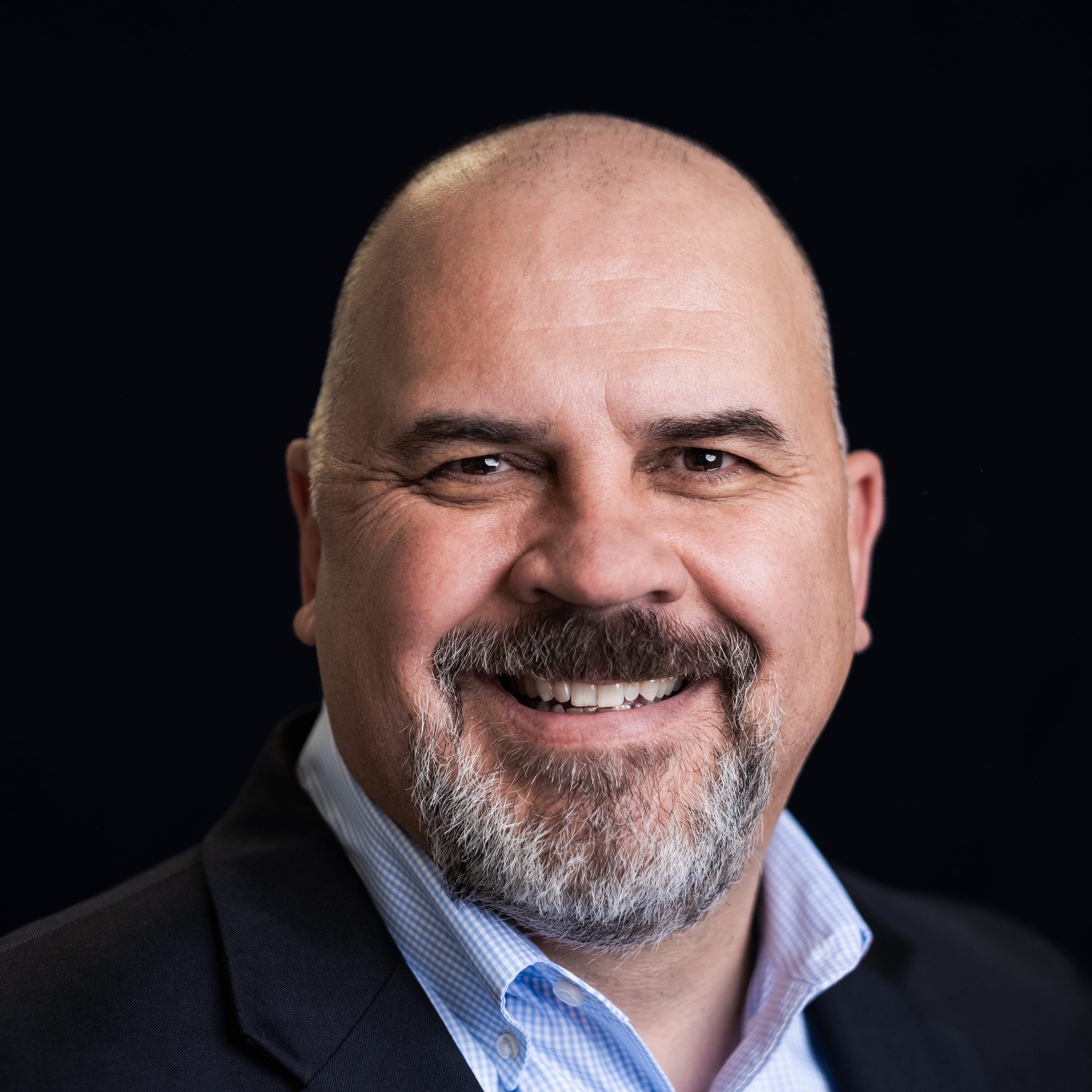
Bob Laliberte
>> I think I want to do the thing that you did. Is there a car I can ride in behind you?
Adam Nunn
>> Yeah, give us a shout and you can come anytime. It's quite the thrill.>> All right. Okay, we don't have that precision yet. Guys, thanks for coming on. Appreciate it.
Adam Nunn
>> Thank you.>> Congratulations on the performance and great to see the use of data in the sport.
Adam Nunn
>> Thank you, thank you.>> Thanks for coming on. All right, it's theCUBE bringing all the action. All the data's right here in theCUBE and Qlik Connect 2025. I'm John Furrier, Bob Laliberte. We'll be right back.








 Bob Laliberte