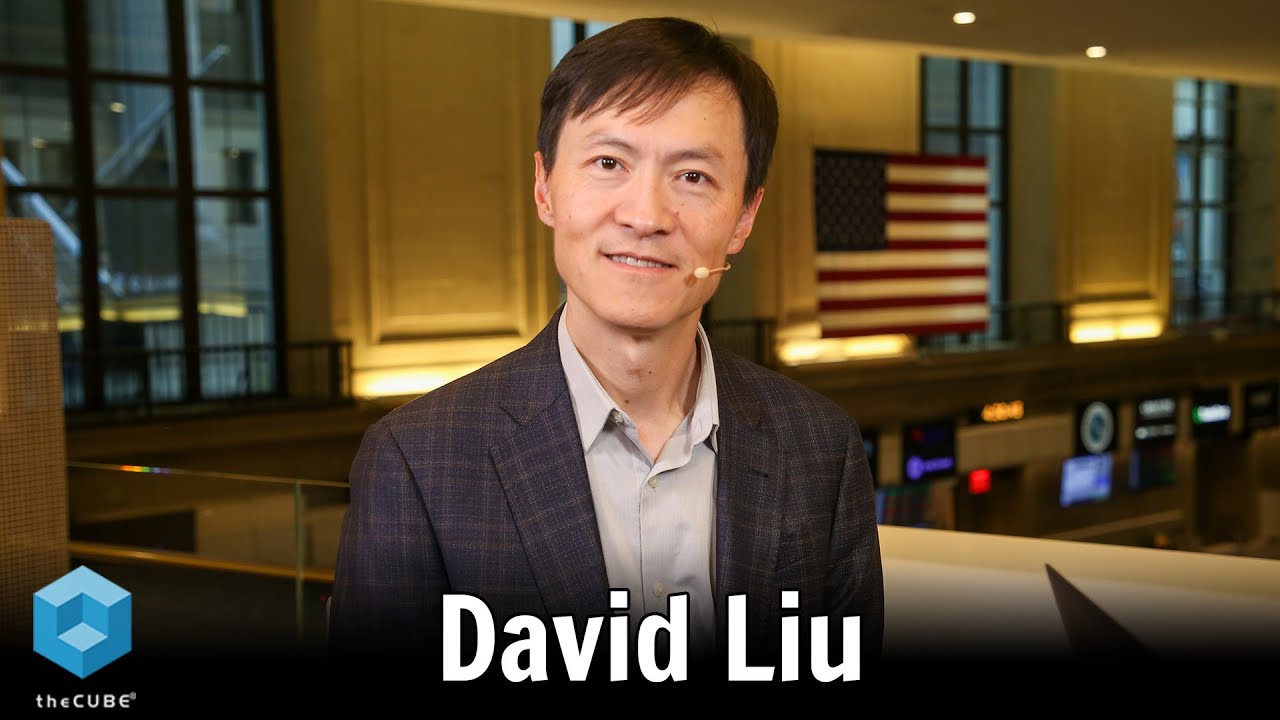
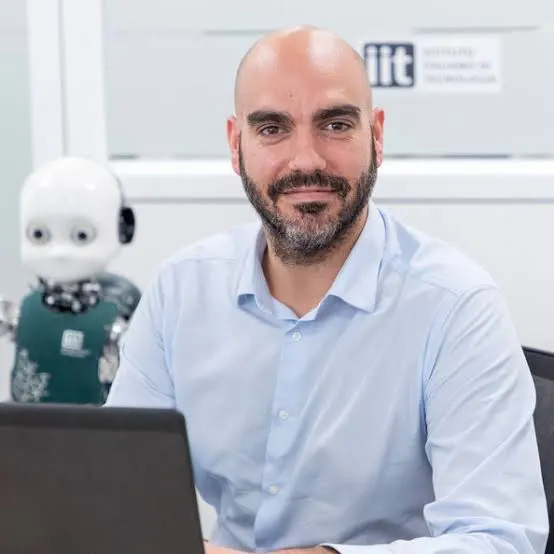
In this interview from theCUBE + NYSE Wired: Physical AI and Robotics, Daniele Pucci, chief executive officer of Generative Bionics, joins theCUBE's John Furrier to discuss how integrating a sense of touch with biomechanics-inspired design is shaping the next generation of humanoid robots. Pucci introduces GENE.01, the company's humanoid robot built in just six months, highlighting its proprietary capacitive touch sensing and proximity-sensing "radar" that let it anticipate contact before it happens. He explains why treating a robot's mechanics and AI as a single, co-designed system, rather than bolting AI onto a finished mechanical frame, produces more efficient, task-optimized machines, drawing inspiration from human biomechanical evolution.
The conversation also explores how Generative Bionics trains its robots by digitalizing human movement and simulating industrial environments to generate machine learning data that scales across tasks. Pucci details the company's go-to-market strategy, built around a modular platform customized for five verticals: patrolling, retail, manufacturing, logistics and healthcare, including a partnership with shipbuilder Fincantieri to deploy welding robots. He also touches on the company's "amplify humans" mission and the values-driven culture behind it. From a modular platform customized for shipyards and hospitals alike to plans for Europe's largest humanoid robot manufacturing facility, Pucci outlines a roadmap for deploying safe, trustworthy humanoid robots at industrial scale by 2027.
Forgot Password
Almost there!
We just sent you a verification email. Please verify your account to gain access to
theCUBE + NYSE Wired: Physical AI & Robotics Leaders. If you don’t think you received an email check your
spam folder.
Sign in to theCUBE + NYSE Wired: Physical AI & Robotics Leaders.
In order to sign in, enter the email address you used to registered for the event. Once completed, you will receive an email with a verification link. Open this link to automatically sign into the site.
Register for theCUBE + NYSE Wired: Physical AI & Robotics Leaders
Please fill out the information below. You will receive an email with a verification link confirming your registration. Click the link to automatically sign into the site.
You’re almost there!
We just sent you a verification email. Please click the verification button in the email. Once your email address is verified, you will have full access to all event content for theCUBE + NYSE Wired: Physical AI & Robotics Leaders.
I want my badge and interests to be visible to all attendees.
Checking this box will display your presense on the attendees list, view your profile and allow other attendees to contact you via 1-1 chat. Read the Privacy Policy. At any time, you can choose to disable this preference.
Select your Interests!
add
Upload your photo
Uploading..
OR
Connect via Twitter
Connect via Linkedin
EDIT PASSWORD
Share
Forgot Password
Almost there!
We just sent you a verification email. Please verify your account to gain access to
theCUBE + NYSE Wired: Physical AI & Robotics Leaders. If you don’t think you received an email check your
spam folder.
Sign in to theCUBE + NYSE Wired: Physical AI & Robotics Leaders.
In order to sign in, enter the email address you used to registered for the event. Once completed, you will receive an email with a verification link. Open this link to automatically sign into the site.
Sign in to gain access to theCUBE + NYSE Wired: Physical AI & Robotics Leaders
Please sign in with LinkedIn to continue to theCUBE + NYSE Wired: Physical AI & Robotics Leaders. Signing in with LinkedIn ensures a professional environment.
Are you sure you want to remove access rights for this user?
Details
Manage Access
email address
Community Invitation
Daniele Pucci, Generative Bionics
In this interview from theCUBE + NYSE Wired: Physical AI and Robotics, Daniele Pucci, chief executive officer of Generative Bionics, joins theCUBE's John Furrier to discuss how integrating a sense of touch with biomechanics-inspired design is shaping the next generation of humanoid robots. Pucci introduces GENE.01, the company's humanoid robot built in just six months, highlighting its proprietary capacitive touch sensing and proximity-sensing "radar" that let it anticipate contact before it happens. He explains why treating a robot's mechanics and AI as a single, co-designed system, rather than bolting AI onto a finished mechanical frame, produces more efficient, task-optimized machines, drawing inspiration from human biomechanical evolution.
The conversation also explores how Generative Bionics trains its robots by digitalizing human movement and simulating industrial environments to generate machine learning data that scales across tasks. Pucci details the company's go-to-market strategy, built around a modular platform customized for five verticals: patrolling, retail, manufacturing, logistics and healthcare, including a partnership with shipbuilder Fincantieri to deploy welding robots. He also touches on the company's "amplify humans" mission and the values-driven culture behind it. From a modular platform customized for shipyards and hospitals alike to plans for Europe's largest humanoid robot manufacturing facility, Pucci outlines a roadmap for deploying safe, trustworthy humanoid robots at industrial scale by 2027.
In this interview from theCUBE + NYSE Wired: Physical AI and Robotics, Daniele Pucci, chief executive officer of Generative Bionics, joins theCUBE's John Furrier to discuss how integrating a sense of touch with biomechanics-inspired design is shaping the next generation of humanoid robots. Pucci introduces GENE.01, the company's humanoid robot built in just six months, highlighting its proprietary capacitive touch sensing and proximity-sensing "radar" that let it anticipate contact before it happens. He explains why treating a robot's mechanics and AI as a si...Read more
exploreKeep Exploring
What is GENE.01 and what are its key features and technologies?add
How does Generative Bionics combine generative AI with physics-based simulation and biomechanics to jointly optimize robot morphology and design for different tasks?add
What are your company's next steps and priorities, and what do you see as the near-term future for the humanoid robotics market?add