We just sent you a verification email. Please verify your account to gain access to
theCUBE + NYSE Wired: Physical AI & Robotics Leaders. If you don’t think you received an email check your
spam folder.
Sign in to theCUBE + NYSE Wired: Physical AI & Robotics Leaders.
In order to sign in, enter the email address you used to registered for the event. Once completed, you will receive an email with a verification link. Open this link to automatically sign into the site.
Register For theCUBE + NYSE Wired: Physical AI & Robotics Leaders
Please fill out the information below. You will recieve an email with a verification link confirming your registration. Click the link to automatically sign into the site.
You’re almost there!
We just sent you a verification email. Please click the verification button in the email. Once your email address is verified, you will have full access to all event content for theCUBE + NYSE Wired: Physical AI & Robotics Leaders.
I want my badge and interests to be visible to all attendees.
Checking this box will display your presense on the attendees list, view your profile and allow other attendees to contact you via 1-1 chat. Read the Privacy Policy. At any time, you can choose to disable this preference.
Select your Interests!
add
Upload your photo
Uploading..
OR
Connect via Twitter
Connect via Linkedin
EDIT PASSWORD
Share
Forgot Password
Almost there!
We just sent you a verification email. Please verify your account to gain access to
theCUBE + NYSE Wired: Physical AI & Robotics Leaders. If you don’t think you received an email check your
spam folder.
Sign in to theCUBE + NYSE Wired: Physical AI & Robotics Leaders.
In order to sign in, enter the email address you used to registered for the event. Once completed, you will receive an email with a verification link. Open this link to automatically sign into the site.
Sign in to gain access to theCUBE + NYSE Wired: Physical AI & Robotics Leaders
Please sign in with LinkedIn to continue to theCUBE + NYSE Wired: Physical AI & Robotics Leaders. Signing in with LinkedIn ensures a professional environment.
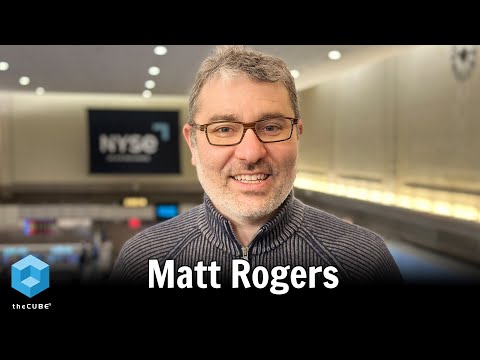
In-depth Insight into Rogers’ Innovative Endeavor at Mill
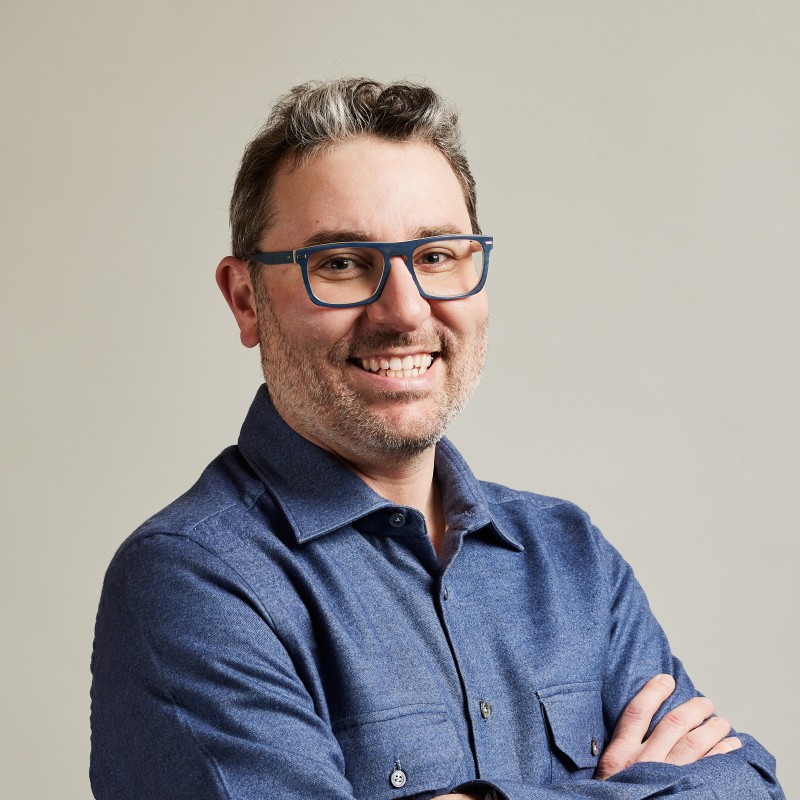
Matt Rogers, co-founder and Chief Executive Officer of Mill, joins theCUBE hosts for a compelling discussion during the New York Stock Exchange's Wired Robotics and AI Media Week. Held at the esteemed New York Stock Exchange, the event connects key figures from the realms of technology and Wall Street. John Furrier and other theCUBE analysts engage with Rogers to explore the nuances behind Mill's unique approach to waste management.
In this engaging video, Matt Rogers brings their wea...Read more
exploreKeep Exploring
What is Matt Rogers working on with Mill, despite having had a successful career with Nest and the option to relax and enjoy leisure time?add
What inspired the creation of your company focused on food recycling?add
What is the problem with the amount of food wasted and how can dehydrating food help address this issue?add
What type of data does the Mill bins have and how can it be used to analyze food waste patterns?add
>> Welcome back, everyone, to theCube's live coverage here at the New York Stock Exchange. This is our East Coast access point hub for theCube, of course, Silicon Valley and Palo Alto, connecting tech and Wall Street, part of theCube and the NYSC wired community robotics and AI leaders are here. A great guest, Matt Rogers, co-founder and CEO of Mill. Great to have you on. Great career by the way, congratulations on all your endeavors and successes.
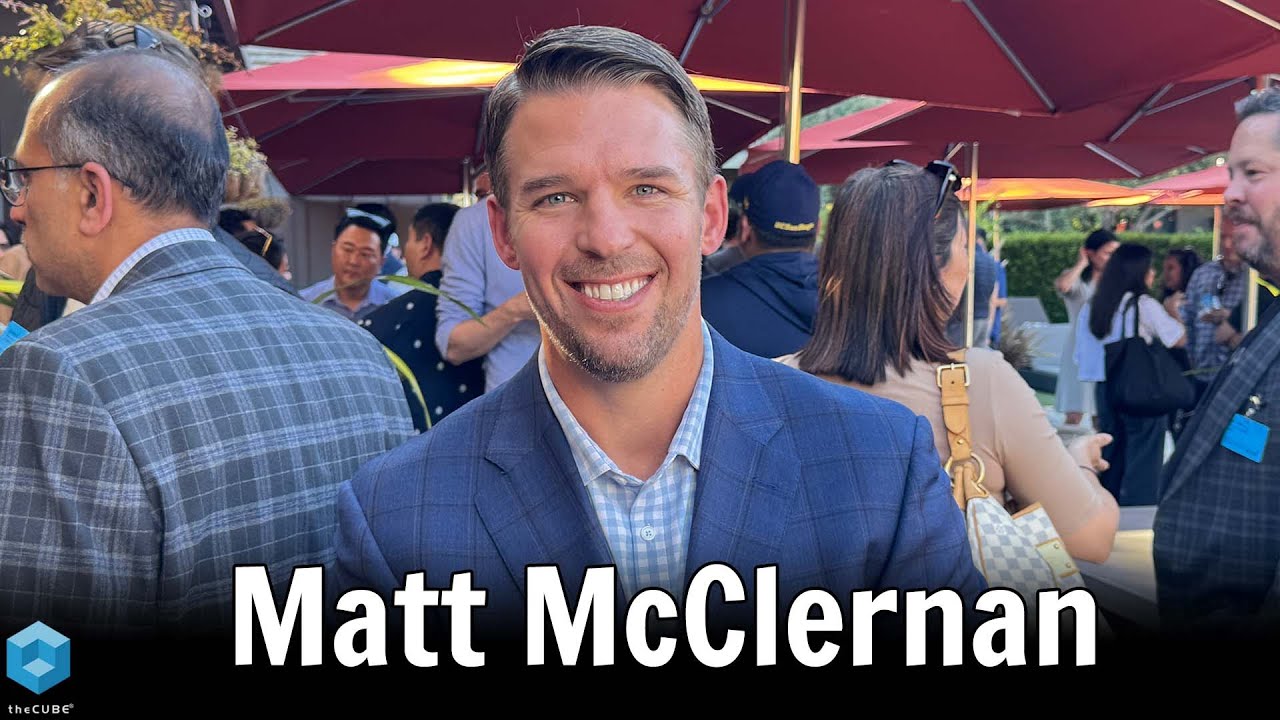
Matt Rogers
>> Thank you.>> This one is super exciting because no one likes trash.
Matt Rogers
>> No one likes trash.>> Welcome to theCube.
Matt Rogers
>> That's why I'm doing it. It's one of those things, you get the bug, you just got to run and do it.>> So, let's talk about what you're working on Mill, because this is a cool project. You had a stellar career and everyone knows Nest, that was a huge outcome with Google. The beautiful devices, intelligent, people who have them love them. And now you're working on something really new and compelling and you don't have to do this. You can just hang out at the beach and play golf, but no, you're not, you're kicking ass and taking names with this new venture. Talk about what you're working on.
Matt Rogers
>> So, I'm one of those kind of guys who sees a problem and I've got to fix it. This is one of those things that like, no one's happy with waste, and it's one of those things that we live with every day we take for granted, but it doesn't have to be that way. So, started Mill back in 2020, in the peak days of the pandemic, when we were all stuck at home, bored out of our minds and living in our own filth. So, started a company to make food recycling really easy. So, we've all dealt with stinky trash and fruit flies, or if you live in New York, you've got rats in your house, it doesn't have to be that way. So, we made a product that's beautiful, easy to use. It takes all your food waste, dehydrates it, so it's absolutely odorless and really easy to recycle. You could compost it in your garden. City can come pick it up. There's all sorts of stuff you could do with food other than throw it in the trash.>> One of the things about your career that has been awesome is that you had a lot of runs, some pretty iconic things. I love the simplicity concept. This is not new to you. You think that way, but no one thinks about, waste, it smells, one of the things you said. But, to make an elegant product too, it's in the kitchen. Everyone spends all their time in the kitchen.
Matt Rogers
>> That's exactly right.>> Whenever you have a party, everyone's in the kitchen.
Matt Rogers
>> That's right.>> So, it's got to fit in there. That's your most common space. Talk about your thinking behind that, because there's a product aesthetic, then there's the technology. Start with the aesthetic first, because I want .
Matt Rogers
>> So, today you're cooking your dinner, you've got leftovers. The easiest thing to do is just throw it in the trash or put it down the sink. And if you think about changing that behavior, what are the things you could do to do that? And this is what we did at Apple, this is what we did at Nest. How can you make a product experience that's easier than what we're used to do? And it's hard to beat the trash can. That's pretty easy. So, we had to make a product that's beautiful, so that you actually want it to have it in your house. It's something you want to display and show your friends. Make it odorless because no one likes stinky trash. No one likes a chore, so can you take out the trash less frequently? And look, when you add all these things together, an object that you actually want to have, easier experience, you start to bring people in. And then, once you live with it, you tell your friends because you're like, oh, I'm never going to go back to stinky trash, or who likes that?>> And the product, just explain the product real quick. I think this is compelling. And there's also, we'll get into the whole downstream post-supply chain trash, what do you call it? Is there a word for that downstream benefit of what goes on in our world?
Matt Rogers
>> It's a waste stream. So, we made a product, think of it like AirPods, but an AirPods looking trash can. It's beautiful, it's sleek, it's white. It's like the team at Nest designed it because we did. It's got a beautiful wood top. You step on the pedal, it opens up, you put all your dinner scraps in. Automatically overnight it takes the water out and dehydrates it. You look in the next morning and it looks like soil, it looks like coffee grounds. It's gone. You're like, wait, where'd the banana peels go? How did they turn into these coffee grounds overnight? And it feels like magic, but it actually isn't magic, it's just dehydration.>> So, what's the use case from a product standpoint? So, overnight it does all that work. Is there a 24 hour? Does it get full at some point?
Matt Rogers
>> It takes forever to fill up.>> So explain, because people might not be able to visualize it.
Matt Rogers
>> It's like a bottomless pit. So, you fill it up. Let's say you had a whole dinner party, you've got scraps, you did a fridge clean out, you fill it up. You wake up the next morning and it's empty. And the way this works is, food is mostly water. So, actually it's not rocket science. If you take the water out of food, it gets small. It's like when we used to send out astronauts to the space station, they didn't pack water. You send them the astronaut food. It's actually a very similar concept. So, when you dry it out, it gets small, but also it doesn't smell anymore. The bacteria don't work if it's dry. So, it doesn't rot, it doesn't go bad. So, our bin, which is the size of a normal kitchen trash can takes three to four weeks to fill up.>> How much does it cost?
Matt Rogers
>> So, it costs about $1,000, and it's built like a premium kitchen appliance. Again, the team at Apple and Nest designed it.>> Got it. Awesome. Cool. Talk about the waste stream. I didn't know the name of it, but it's called the waste stream. So, that's the world problem that this solves. So, there's actually a hidden dual bottom line opportunity here.
Matt Rogers
>> That's right. So, today we throw out about a third of the food we grow. So, that's like, every time you go to the grocery store, you just leave one bag in the parking lot every time. It's like, we waste a lot of food, it's bad for our wallets. What a waste. So, what we've done is, by dehydrating this food, we've made it shelf stable. So, all of a sudden you stop the clock on it rotting. So, you could do stuff with it now. You could compost it, you can use it in your garden. You could feed it to animals like chickens to make more eggs. You can use it as an energy source. There's all these things you could do with food, but when it's rotting, you got to get it out fast. Get it to the curb as fast as possible.>> Nothing good happens downstream, the waste stream, as they call it.
Matt Rogers
>> That's right. So, today we throw our food, it goes in the trash, it goes to landfill and it makes methane, which like, what a waste.>> the landfills to make sure that doesn't blow up.
Matt Rogers
>> That's right.>> So, talk about the, can you scope or have you done the, at least probably the thought exercise, I'm sure you have, the scope and quantified value. If we all got this, let's just say it was subsidized or even people got it down to the price point for everyone, what would be the impact? Do you have any order of magnitude scoping?
Matt Rogers
>> Oh my gosh.>> What would it be like from a just, I'm trying to visualize it.
Matt Rogers
>> It's epic. So, hundreds of millions of tons of food a year that would then returned into the food system. We actually could make a dent in global hunger, food prices, let alone the emissions impact and decarbonization impact. That aside, the economic impact is vast. Again, we throw out a third of the food we grow. That's a lot of food.>> So, this would be a cumulative benefit to society and the world.
Matt Rogers
>> That's right.>> Big time on the climate side.
Matt Rogers
>> That's why we're doing it. There's an opportunity to build a better product experience that's good for the planet and good for our wallets. That's a win-win.>> I love the whole Apple, Nest vibe with the design of product, that's cool because again, I'm thinking about the kitchen where everyone's always in the kitchen, but there's also the benefit. Is there a bigger version coming for say, restaurants? That would be just the benefit. Think about the impact there.
Matt Rogers
>> Now you're in my head. So, we started with people at home. That's about half of where food waste comes from. But, the other half is grocery stores, restaurants, offices. There's a whole spectrum of other opportunities out there where we could help recycle food. So, yes, we started at home, but we're very quickly going to grow into commercial enterprise, even larger scale.>> So, I got to ask, you've been very successful. You had a great outcome with your last venture, Apple, obviously you probably sell Apple stock probably there doing it. You're not hurting right now. You're doing a lot of philanthropy, catalytic investing you call it, which is a term for accelerating.
Matt Rogers
>> That's right.>> You're building a company now. You're back in the game. So, it's a lot of work.
Matt Rogers
>> I'm an entrepreneur. I love it.>> You love it, okay. That's what I wanted to get to. So, talk about that. Now, let me ask the next question, which is when you put the venture together, what was the venture architecture? Because, there's some really cool innovative impacts, capital structures now that align missions. I'm doing a lot of work in this area where impact or a foundation's not working. Philanthropy's been terrible track record. I think they've tripled the numbers, still small percentage, but the outcomes are not getting better. So, the more they put in, the less impact. So, there's a lot of discussion in that community around that. But, tech and entrepreneurship are aligning with these new ventures. We're seeing some cool work. Suz Mac Cormac at Foerster Morrison is doing some interesting capital structure alignment. So, they're kind of now corporate governance.
Matt Rogers
>> That's right.>> What's your vision around that? Are you doing any of that? Are you thinking about that?
Matt Rogers
>> It's interesting you asked. We actually did some innovative stuff here. So, when we started Mill, my partner, Harry and I, we incorporated as a public benefit corporation.>> PBC, nice, like Patagonia.
Matt Rogers
>> Like Patagonia. So, we're a for-profit company, don't get me wrong, and profit is really important for our mission, but the mission is also really important. And by being a public benefit corporation, it allows us to have a discussion at the board level about not just our fiscal mission, but also what is our impact mission, and it becomes part of the board discussion too.>> Did you guys just pop into your head that's kind of we're going to do that, or did you actually give it some intentional thought like, hey, how do we design this? Was it a reaction or did you guys-
Matt Rogers
>> No, this was all by design. I had spent a lot of time before starting Mill, in my post-Nest life, working with the folks at B Lab who do the B corporation certification, learning about how do the most conscientious corporation structure, how does governance work, how they make decisions, and being a public benefit corporation is a good first step to doing it. It actually allows the mission to be part of the charter of the company, which fundamentally we're about ending landfill, keeping food out of landfill and improving recycling. There's public good here, but also there's a fiscal and profit component.>> There's a business opportunity.
Matt Rogers
>> That's right. Huge business opportunity.>> How's it going? Have you learned anything? And people are starting to talk about this, not yet in mainstream, but it's an innovation that leverages how tech's innovating at speed right now.
Matt Rogers
>> That's right. Well, if you think about the waste category, waste is a several hundred billion dollar a year business, and tech and AI has not yet hit the waste industry. And that's what I see as the opportunity here. Can we use AI, robotics, great consumer tech design to improve the experience, to prove efficiency at scale?>> I think that's such a great point, Matt, because AI is hitting the first low-hanging fruit industries. We see it now, it's tech industry, finance, healthcare. Now you're starting to see pharma and some bio. I had a great interview with robotics around, some of the stuff around cell generation. It's just the way they're using software and hardware together right now is so scalable.
Matt Rogers
>> That's right.>> And with the open source constructs out there, people are actually building connectors into these systems.
Matt Rogers
>> That's right.>> And some companies don't even know that that's possible. So, a new kind of architectural business landscapes are emerging.
Matt Rogers
>> That's right.>> And I think AI is going to hit waste. It's going to hit media the world we're in, it's going to hit all these areas that are struggling either because they're leaning on old business models or they don't have the right management or both.
Matt Rogers
>> It's also about data. You have to have the data set to act on. And what we're building already, so our Mill bins are connected to the internet. They're full of sensors. And actually, we've already built one of the largest data sets in food waste in existence already.>> And what does it look like? What's the data look like?
Matt Rogers
>> So, how many pounds people are putting in per day, how often things get emptied, when do people take their trash to the curb?>> So you could quantify in real time?
Matt Rogers
>> Yes. So, I could tell you that Sunday is the biggest trash day of the week, and its because we have that granular data. Now, if you do this at scale, you can imagine building an entire AI network around waste>> And supply chain, all kinds of impact on logistics.
Matt Rogers
>> That's right. So, the garbage truck comes to my house every Tuesday.>> They're disappointed.
Matt Rogers
>> Really.>> Where is it all?
Matt Rogers
>> Why is it coming on Tuesday? Could it come a different day and skip that Tuesday because my bin isn't full yet, and other operational savings that could be had there.>> It's super interesting. So many levels of innovation that you're working on. So excites you came in. On the waste product, I want to get just one final point on that. It's available now to anyone?
Matt Rogers
>> To anyone, yes, all throughout the U.S.>> And just go to the website.
Matt Rogers
>> Mill.com.>> Mill.com. Download it, form, fill it out, gets shipped to my house, so I can get one tomorrow.
Matt Rogers
>> It's very easy.>> All right. I'm definitely getting one.
Matt Rogers
>> Like the team at Nest designed it. It looks very similar.>> All right. What's the biggest surprise that you've had so far?
Matt Rogers
>> Biggest surprise. It's a big surprise, but actually I shouldn't have been surprised because I learned this at Nest too, that people are interested because of the design, because of the easier experience, because of the daily interactions. They come because of the design and the usability, and they feel good because of the impact. But, no one buys it because of the impact. You buy it because it's cool for your kitchen.>> I love the fact that you brought a couple of Apple references. About eight years ago, one of my friends who worked at Apple too, you probably know him. He worked on the iPhone and some other products. He's a software guy, and he and I were talking about like, at that time the big discussion was agile development, ship fast, move things break, whatever it was called.
Matt Rogers
>> I remember this.>> And we were talking because we're old school kind of guys. We're like, there's no craftsmanship anymore in software, and we were really talking about how that's doing. I think AI and what's happening now, there's more craft in product building. What's your vision and view on that? Because I think we have a couple of revolutions going on right now. One, a system revolution. You see all the tech is connected. So, system thinking is one. But, now we're going back to the human experience piece. Because, the human in the loop or whatever, human plus AI, whatever people call it, the creativity has increased, impact, opportunities are going to be increased. So, the craft is not just the product, it's also the enablement.
Matt Rogers
>> That's right.>> What's your thoughts on that?
Matt Rogers
>> That's exactly where I was going to go. So, it reminds me of what 3D printing did in the physical world. So, you were able to very rapidly try things out, see it, feel it, touch it, put people in front of it, say, wow, we took something from our minds and made it real really quickly. We are able to now do the same thing in the digital world. You have an idea, you could very quickly in 30 seconds try it out, and that's remarkable. Going from idea to seeing it is faster than we've ever been able to do. And we've been able to try things much quicker than we'd be able to. If you were to draw it or put it in CAD, it would take you a week or two weeks.>> You forgot what you were working on by that time.
Matt Rogers
>> That's right.>> Chain of thought.
Matt Rogers
>> So, you're able to just move much faster. It's changed customer research too. Where you'd go and you'd do surveys and poll people, you could do customer research in 30 seconds now. And it's not definitive, but it gives you a first thought that you could then go down the right path.>> Well, I got you here. I might as well get some more questions answered for me. I'm learning a lot. It's like AI, I'm learning reinforced learning here. Digital and internet is now so first party with physical AI, physical AI is being discussed. And I've been look at this for a while. I want to get your thoughts on this. When you go to an event face-to-face, people are face-to-face, that's like a scarce resource now. It's like you meet someone, you have an experience, but if you go digital and you know that person, the behavior's different, but a lot of people aren't face-to-face. So, when you go to an event, the website and the app would be a separate thing, a separate department. We're starting to see people wanting that kind of first party experience between face-to-face and digital. People do things on their LinkedIn. You were talking about some of the things, how you wrote LinkedIn, because we don't know, there's no trust. So, you're starting to see trust. And so, AI's fusing together the physical and digital world. Digital twin is a term that's kicked around. You mentioned the analytics you can see in real time. So, new data, new experiences. So, what's your vision as the humans start having these relationships where I might not have met you, but I know you know my friend who I've met. So, you're starting to see these new networks forming.
Matt Rogers
>> Relationships are all about trust. That's the fundamental basis, and exactly what you're saying. It's one thing to know we've got 30 LinkedIn connections in common, which I think we do, but it's also like, oh, did you know that we're really close friends with X, and we actually used to work together on Y, and there are these much deeper connections than we could get on something like a LinkedIn if you go one level deeper. That's it like, I think there's no substitute for in-person and trust and relationship building. I'm definitely a relationship guy. I've often told my teams over the years is like, products come and go, technologies come and go, but actually the relationships we've built over the decades, they last way longer than any technology does.>> And now we have more mechanisms to connect.
Matt Rogers
>> That's right.>> All right, final question. What's on your mind these days? What are you optimizing for in the business, in life? What's the focus?
Matt Rogers
>> Oh, I'm all about growth these days. Personal growth, professional growth, business growth. Whether it's entering new markets, entering new verticals, do categories. I'm a big believer like, in these times of uncertainty, it's time for us to step up as businesses and really prove our muster that we actually could drive impact and business success at the same time, and Mill is walking the walk on that.>> Awesome. Well, we'll amplify that because I think that's going to be standard issue at this point because there's really no reason you can't, because now the innovation's there where you can still make money and be capitalistic-
Matt Rogers
>> That's right.... >> and entrepreneurial.
Matt Rogers
>> That's right.>> And not have to defer that alignment because they're too close. Well, great to have you on. Great to have you Matt. Congratulations again. Great conversation. Thanks for coming in. Appreciate it.
Matt Rogers
>> Thanks for having me.>> All right. We are here at the New York Stock Exchange, this is theCube. This is our East Coast hub and Wall Street, connecting Wall Street and Silicon Valley. I'm John Furrier, host of theCUBE. Thanks for watching.