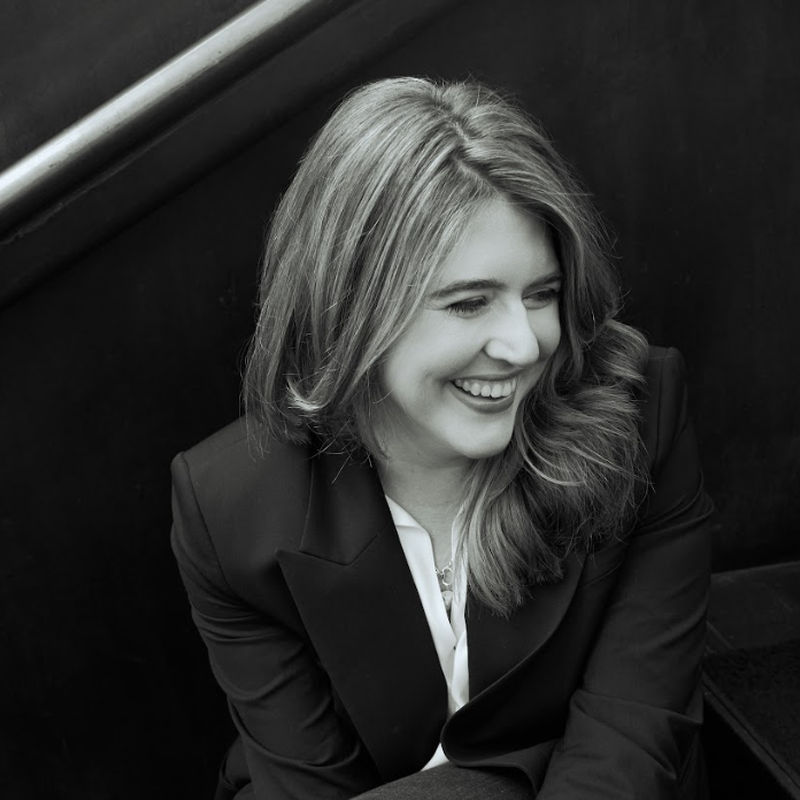
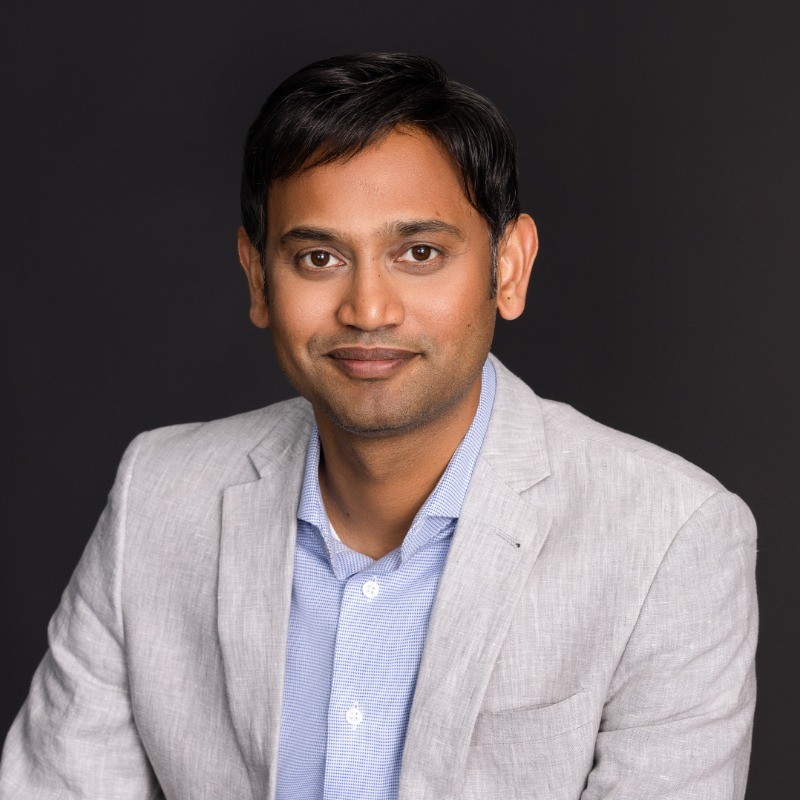
In this insightful episode, theCUBE hosts engage in a conversation with Raghu Yarlagadda, co-founder and CEO of FalconX, and Ophelia Snyder, co-founder of 21Shares, as they delve into the acquisition of 21Shares by FalconX. The discussion is part of the Crypto Trailblazers series filmed at the New York Stock Exchange as part of the NYSE Wired program.
Raghu Yarlagadda brings expertise as a leader in the crypto industry, discussing the strategic move behind the acquisition and its implications for the market. They articulate the powerful synergy between the crypto-native platform of 21Shares and FalconX's robust liquidity and derivatives expertise. Ophelia Snyder highlights how their combined strengths provide a comprehensive one-stop solution for customers and enhance innovation in crypto products. Supported by insights from theCUBE's host, the discussion underscores the integration of traditional finance with innovative crypto solutions.
According to Yarlagadda, a significant theme is the simplification and mainstreaming of crypto through exchange-traded funds and exchange-traded products. Both Yarlagadda and Snyder emphasize the importance of building trust and transparency in the crypto space, enabling traditional banks and brokers to offer crypto solutions seamlessly. The conversation identifies key growth factors and a vision for future developments, steering away from solely being a crypto company toward leveraging tokenization and artificial intelligence to revolutionize traditional finance.
Forgot Password
Almost there!
We just sent you a verification email. Please verify your account to gain access to
theCUBE + NYSE Wired: Crypto Trailblazers. If you don’t think you received an email check your
spam folder.
Sign in to theCUBE + NYSE Wired: Crypto Trailblazers.
In order to sign in, enter the email address you used to registered for the event. Once completed, you will receive an email with a verification link. Open this link to automatically sign into the site.
Register For theCUBE + NYSE Wired: Crypto Trailblazers
Please fill out the information below. You will recieve an email with a verification link confirming your registration. Click the link to automatically sign into the site.
You’re almost there!
We just sent you a verification email. Please click the verification button in the email. Once your email address is verified, you will have full access to all event content for theCUBE + NYSE Wired: Crypto Trailblazers.
I want my badge and interests to be visible to all attendees.
Checking this box will display your presense on the attendees list, view your profile and allow other attendees to contact you via 1-1 chat. Read the Privacy Policy. At any time, you can choose to disable this preference.
Select your Interests!
add
Upload your photo
Uploading..
OR
Connect via Twitter
Connect via Linkedin
EDIT PASSWORD
Share
Forgot Password
Almost there!
We just sent you a verification email. Please verify your account to gain access to
theCUBE + NYSE Wired: Crypto Trailblazers. If you don’t think you received an email check your
spam folder.
Sign in to theCUBE + NYSE Wired: Crypto Trailblazers.
In order to sign in, enter the email address you used to registered for the event. Once completed, you will receive an email with a verification link. Open this link to automatically sign into the site.
Sign in to gain access to theCUBE + NYSE Wired: Crypto Trailblazers
Please sign in with LinkedIn to continue to theCUBE + NYSE Wired: Crypto Trailblazers. Signing in with LinkedIn ensures a professional environment.
Steven Willinger of Stanford Blockchain Accelerator and Blockchain Builders discusses the "Crypto Trailblazers" series, a virtual event co-hosted by theCUBE and NYSE Wired. This event, in collaboration with the Ethereum Foundation and Stanford University, aims to explore blockchain innovations occurring in Silicon Valley.
In this segment, Willinger examines the evolving blockchain landscape. Drawing from his experience at Coinbase, Willinger addresses the collaborative efforts within the blockchain community that include Stanford University, the University of California Berkeley, and the Ethereum Foundation. The discussion emphasizes the momentum in decentralized finance, the significant shift in regulatory landscapes, and the rise of stablecoins.
Willinger notes that technology and finance-driven initiatives within the blockchain space are progressing, supported by considerable expertise and focused discussions, such as those held during ETHSF. They identify significant industry trends, noting that the forefront is the intersection of blockchain and AI. Hosts from theCUBE also provide additional insights into these promising developments.
Find more SiliconANGLE news and analysis https://siliconangle.com/ Follow theCUBE's wall-to-wall event coverage https://siliconangle.com/events/ Learn about the latest theCUBE events https://www.thecube.net/
00:00 - Intro 00:05 - Exploring the Blockchain Ecosystem: Community, Innovation, and Regulation 02:12 - Entrepreneurship, Impact, and Commercialization in Crypto 04:57 - Changing Paradigms: Business Models and Investments 07:56 - Stanford's Role in Blockchain and AI 10:53 - Innovations in Crypto and AI 13:27 - Infrastructure Opportunities in Blockchain 15:51 - The Challenges and Opportunities of Community-Building 18:10 - Accelerating Innovation: The Intersection of Incubators and Blockchain Initiatives
>> Hello, I'm John Furrier with theCUBE. We are here at the New York Stock Exchange, theCUBE Studios, on the East Coast, of course, we have our Palo Alto Studio, connecting Wall Street and Silicon Valley. We've got some great crypto news as part of our Crypto Trailblazers leaders series, where we feature the people making it happen. And of course, FalconX is back on theCUBE, and of course, it's big news on their acquisition of 21Shares. Raghu Yarlagadda is the co-founder and CEO of FalconX, and Ophelia Snyder, co-founder of 21Shares here. Thanks for coming on, I really appreciate it. You guys had some big news, Raghu, big news on the 21Shares deal. I got an instant text from Brian Baumann at the NYSE, he was like, "Check it out, FalconX is on the news." And I instantly saw the news and said, "Okay, I see the dots connecting," because we were on theCUBE last time you were telegraphing this. So first, explain the hard news, and then we'll get into how it all works.
Raghu Yarlagadda
>> Yeah. Great to be back, John, and love the studio. One of the fundamental trends that we are seeing in the space, and we discussed this briefly in the last episode, there's a lot of flow that's happening and coming into crypto through the ETF/ETPs. Now, if you look at it, specifically around US Bitcoin, 30% of Bitcoin flows are coming into ETF/ETPs versus going directly to crypto-native exchanges. And the entire thesis of this acquisition is the world's best crypto-native platform, which is crypto-native ETP platform, which is 21Shares, merging with the deepest liquidity and the strongest derivatives desk in the world, which is FalconX, enables us to basically push new products and a lot of innovation through the listed product space, and that is going to add a lot of value to the customer, and that's how we thought about this.>> Yeah. And we discussed last time the platform play, and I think we discussed having a good platform, you need the enablement piece, which you guys built, and stuff has to be built on top of it. Ophelia, how does that fit from your standpoint? Because you guys have been doing very, very well, many exchanges, how do you fit into this?
Ophelia Snyder
>> So really, I think the way we fit together is this creates a one-stop shop. You can bring together deep trading liquidity expertise in derivatives and traditionally structured products, and that's really important in terms of how we best serve our clients and ultimately how you can actually welcome more people into this space. We want to really make a one plus one equals five, where we can continue to drive forward innovation, continue to be on the bleeding edge of what can be done in product, and continue to deliver both best-in-class and first-of-its-kind products to our customers.>> Well, you guys have been a trailblazer, for sure. Congratulations on an awesome deal. I want to get into what it means in terms of the mainstreaming of crypto. We've been covering, like a blanket, this whole mainstreaming, but there's an infrastructure play, and the application play is obviously the mainstream institutions, DeFi, TradFi, I call it back-end, front-end, from a tech perspective. There's a famous Steve Jobs clip from when he gave a speech at Apple's headquarters when he took over and he said, "We've got to simplify everything, too many products." And then, of course, he pulled the iPod out of his... Very famous YouTube video. A similar vibe is happening here, where there seems to be so much thrust at the mainstream, and you've got some big players, BlackRock, Fidelity, the names that you guys were working with, they're all looking at this market and they're saying, "Okay, we have to get into it." And they've been working on it during the dark times, even though they said they weren't, but they are. They're ready, but they're not really ready-ready. So I see a simplification wave coming. Do you guys agree with that and does this point to that?
Raghu Yarlagadda
>> Yeah. I definitely think accessing, consuming and using crypto is going to be radically simplified from where we are today. The theme that is very clear is while customers are going to crypto-native platforms, a lot of customers do prefer directly going to the banks and brokers that they built a lot of trust over the years with. FalconX's mission and the whole thing is, to your point about simplification, if a traditional bank and a broker want to basically light up crypto to their end users, we have everything that you need, whether it's liquidity, financing, infrastructure, all in one single API, so that you can focus on what you do the best in terms of serving your customers, so that helps simplify and distribute a lot of products. ETFs are another wrapper through which you can distribute to traditional markets as well.>> Explain... Okay, go ahead.
Ophelia Snyder
>> This really was the original vision of 21Shares, and it's why I think this is such a strong pairing, is there is this shared vision of meeting customers where they're at, providing infrastructure, a really strong infrastructure-first and technology-first play, and a desire to actually just welcome more people into the space in the least amount of friction possible. And whether that is providing additional services to banks and brokerages and allowing them to turn on their own customers, or, quite frankly, from our perspective, just allowing you to have your crypto right alongside your Apple shares and your UBS shares, that's a really important user experience element as we onboard more people to the space.>> I love the user experience angle, and one of the things that's interesting is the demand, given the regime we're in, obviously the GENIUS Act, the CLARITY Act, stablecoins really mainstreaming, we talked about that, is the piece of, hey, there's demand, the demand curve is strong, and at the same time, there's a transition happening for the traditional institutions. So I guess the question is, what does all this mean for all this ETF/ETP, that's like inside baseball finance language, so what does it mean to the consumer? I have an account with Morgan Stanley or UBS or whoever, I have money, I want to put it into Bitcoin, I want to put it into crypto, how is your customers, one, looking at the demand, and what's some of the pros and cons of jumping in now? How do you guys see your customer? Because I see the enablement with the platform, we covered that, I love that story, but okay, now you put it into action. Take us through that piece of it, what does it mean when it starts executing for the consumer or someone who just wants to keep their existing relationship or whatever?
Ophelia Snyder
>> So the way it works is really straightforward and really simple, and that's the beauty of it. You don't need any special infrastructure, you don't need to set up anything new to buy an ETP or an ETF. In fact, most people likely already have them in their portfolios, whether they realize it or not. If they're buying an index of any kind, if they're buying any sort of packaged, not just a single name, you're probably already buying an ETF in some way, and so most people already have this infrastructure. And so, what it comes down to is lowering barriers to entry, and then it really becomes education and building trust and building transparency, and ensure that you are offering customers the best experience possible of the product, it behaves the way it's supposed to, it does what it says on the label, giving them access to that as cheaply as possible so they're not spending money on spreads and fees, and building it in such a way that we can meet them where they are at in their crypto journey and bring products to market faster. As a company, we have something like 50-plus global firsts in terms of asset coverage and geographies, we have the broadest suite of crypto ETFs, as well as the deepest in terms of different geographic areas that we cover, and that is really the core of what we're offering our clients. We will meet you where you are at in your crypto journey without needing any specialized infrastructure, and that's what makes that wrapper so powerful.>> Yeah. Talk about the impact to integration, because all platforms have an integration aspect of it. So your customer is the customer who has a customer, so take me through that implementation, what does this mean for them? You mentioned productization. I saw in the news release that new products are going to come out. First thing I thought of was, oh, okay, new product development, you're going to start to see new cooler things. How do you integrate, and then what are some of the concerns and requirements needed on their side?
Raghu Yarlagadda
>> Yeah. So the three class of customers that we serve, the first class of customers is customers coming directly to us. And for those customers, as Ophelia was pointing out, we have the most comprehensive one-stop shop, deep liquidity, not just in spot, but derivatives as well. FalconX is the largest sell-side desk in the world. Right now, we are about 15%-plus of global options volume, so a lot of customers do come in to take derivatives in spot markets directly from us. The second class of customers, now it's a completely new channel for us, is through 21Shares. They have a very complementing customer base, particularly in regions like Europe, that can take advantage of FalconX's new product lines being distributed through the listed product form factor. Super simple, they can interact with their products and their brokerages that they trust and love, it's as simple as that. And the third thing is what we call as crypto-as-a-service, or B2B. If a traditional bank and broker wants to light up crypto, we give everything that they need in an API, and they can activate crypto in a matter of a week at any scale that they want, whether it's spot, yield services or derivatives to the customers, they can light it up.>> So three growth factors for you?
Raghu Yarlagadda
>> That's right.>> The traditional, hey, I want to maintain my customer base, your point about ease of use, and then net-new, I call it AI-native or crypto-native. Sorry, I got that confused, because AI-native's too out there. Let's play that out, because another thing I want to talk about is the entrepreneurial mindset right now. One, there's a lot of white space in this market, entrepreneurs are filling it. Number two, there's entrepreneurial activity inside companies. We had a comment before we started around productization, and I've been saying on theCUBE for months that it looks like the kind of entrepreneurial formula of the classic Silicon Valley tech scene in finance, and so DeFi is infrastructure, TradFi is front-end user experience. What are some of the products that come out of this? Because you mentioned derivatives, and now you have the distribution and reach, what does new product development look like? Because that's to me, I think, going to be a big opportunity, especially as the tokens and the coins start to change, some go mainstream. I think I heard you talking before we came on camera about the coins, some are mainstream, some are more stable. Take us through that piece of it, because I think that's fascinating, I think there will be a tsunami of new things not even yet seen yet.
Raghu Yarlagadda
>> That's right.>> So what's your guys' thoughts and vision on that?
Raghu Yarlagadda
>> Yeah. John, we spoke about this briefly in our last segment, but I think this manifested quite a bit over the last six to nine months. One part of innovation that's happening in the whole of traditional financial system is the back office becoming more efficient. Chair Atkins of SEC, he put together a very bold, honestly a very inspiring proposal called Project Crypto, where he wants to modernize the entire US financial system through tokenization, and I'll tell you what that means in terms of innovation. We moved about $2 trillion of volume as a firm, and to move that, the largest, most efficient US bank needs about 200 to 240 people. We moved the $2 trillion with 25 to 27 people in the back office, and that is the innovation that could be very powerful for the end customer, because ultimately, the cost structure is being lowered. So that's one form of innovation. But John, when you and I discussed this, the toughest part of my job is to take the best of Silicon Valley and best of Wall Street. The cultures are different, but they have extraordinary attributes that can power, whether it's cost savings in the form of tokenization or new product development. In finance, a new product would often take two to three, four months to fully build, launch. Now, technology is no longer the barrier. With tokenization, you can launch a new product in three days.
Ophelia Snyder
>> Yeah, and that's something that we've done. So when we first started the company, it was almost impossible to have the right kind of infrastructure to run crypto ETPs and ETFs, this did not exist as an industry at the time. And so, we actually built in-house systems, and our in-house systems are so much more efficient than what currently exists in TradFi. In TradFi, people are emailing each other spreadsheets. We built an end-to-end system that automates 90% of the functions within our products, and also allows us to bring products to market that are faster, that are more creative, that are more innovative, that are more dynamic and are able to cover more coins, as you were alluding to. But it has fundamentally changed the way this wrapper operates, and I think that's very much in keeping with Raghu's vision for how infrastructures->> Explain the wrapper concept, because I think that's important. What do you mean by wrapper? How does that work?
Ophelia Snyder
>> So when I say a wrapper, I mean there's a financial structure, it's like a box, and you can put a variety of different things inside of this box. People put the S&P 500 in it, we've put Bitcoin in it, we've put indexes in it, you can put actively managed strategies in it. And so, when we talk about wrappers, it's really how do you create that box that somebody is ultimately buying and selling. In our case, we do a lot of ETFs and ETPs, but it can also include other things, as Raghu was mentioning, I think that's part of the roadmap for the future, structured products and more advanced strategies as we look at a closer integration on the derivatives side.>> I bring that up because wrapper's a technical term in computer science, you put a wrapper around and you can actually code, it can be instrumented. So you're saying this box is essentially assets that can be instrumented and then moved around very quickly with software?
Ophelia Snyder
>> Exactly, and that also includes the ability to put these types of assets inside of tokens.>> Okay. Raghu talk about the impact of this, because what we're talking about here is essentially a financial operating system. That's what we're getting at, in my words, maybe that's a bad way to describe it, I'm maybe oversimplifying it. But when you start getting into that kind of component assembly and composition, I think we talked about composability last time, you could do wonderful things with that when you start thinking about programmability, and one of the benefits of DeFi is programmable money. So what's your guys' reaction to that? Because is that the key to success right now, that we now have the ability to essentially put wrappers around things and be very much like an orchestration layer, is that the big move here?
Raghu Yarlagadda
>> Yeah.
Ophelia Snyder
>> Yeah.
Raghu Yarlagadda
>> I am very excited about what's to come in the next five years. If you take the composability, determinism, encapsulation that you're talking about, how does that intersect with the financial system of the future? AI is ultimately going to intersect with finance in a very, very big way. In five to 10 years, we believe 60% to 70% of the transactions are going to be triggered, processes, are handled by an AI system. And AI is not going to wait for the bank to basically open at 9:00 AM in the morning or the stock exchange to open at 8:00, so AI is going to need a 24/7 elastic system, and which is composable and which is accessible all the time. So I think the power of tokenization and everything that we're discussing, and you put it very eloquently in the form of the new financial operating system, that's what AI needs to thrive to basically create value to the customer.>> Any reaction to that?
Ophelia Snyder
>> I agree. I think ultimately, when you think about the intersection of AI and tokenization, I think there's one additional element, which is tokenization allows computers to bind each other in contracts in a very real way that are enforceable and have set parameters, which means that, for example, you can actually allow two computers to transact with each other in this way. And so, there's not really a way to fully achieve the vision people have for AI, especially in commercial contexts, as we move beyond chatbots, but towards actual agents and execution. Without that tokenization layer and without this encapsulation, it's going to become extremely difficult to actually deliver that value to customers, and I think there's a wonderful amount of convergence around these trends.>> I love this conversation, because it reminds me of, in the tech wave, cloud 1.0, and now we're seeing distributed computing with AI. The horizontal scale is essentially distributed computing, and you brought up Paul Atkins' Project Crypto, I think that's the kind of paper that kind of has the same feel as the original white paper at Bitcoin. The motivation that that created, people still reference Satoshi's white paper now. Even today, I hear talk, "Oh yes, the white paper," that's such a religious doctrine for the industry. Project Crypto is a little bit different because it has a regulatory piece to it. Ophelia, you had an entrepreneurial journey as a co-founder, you just guys did it right, said, "Hey, I don't need legacy, I'm going to build it from scratch." You get benefits there. Okay, so you have that run fast, let chaos reign, reign in the chaos. We're in an era now where, okay, you have regulatory concerns, compliance rules, how does this vision of the combination fit into that? Because yes, Project Crypto is bold and very relevant. If that happens, that's a digital ecosystem. And one of the hottest trends on the AI side is physical AI, this is basically physical finance meets digital. So similar trend convergence, thoughts?
Ophelia Snyder
>> So I think from our perspective, we always existed in a regulated space, and I think there was a decision to be made early in the company's history, and I think it's something that, culturally, 21Shares and FalconX share. We needed to decide how we were going to interact with regulation, at a time when it was extremely unclear what that was or meant, and we decided that we were going to bring the best of what TradFi had to offer. Things can't be less good because it's crypto, we have to be better, faster.>> You leaned into .
Ophelia Snyder
>> And we leaned into it, we leaned into it very heavily, and we decided that that was going to be how we were going to interact with our customers. And in the end, our customers really appreciated that, because it meant they were able to trust us, they had clarity and transparency in what they were doing, and they felt educated and empowered to make those decisions. And that comes back to this culture of building in a regulated space and building with what best-in-class really looks like, that's how you get to better, faster, cheaper, and ultimately more creative and more innovative.>> Raghu, this is full-stack finance, basically, the combination.
Raghu Yarlagadda
>> That's right. For me, John, the big insight in the last five years is... When I first started my career as a technologist, I thought greatest technology will always win. But my realization in the last five years is technology needs to pair with regulatory clarity and that needs to be paired with political will. So the Satoshi white paper is now being paired with the regulatory clarity of Project Crypto, GENIUS Act and the CLARITY and the political will from this administration and then many other countries outside as well. So that intersection of those three forces coming together is when paradigm shifts happen. I think we are on a massive paradigm shift of what AI and tokenization can do to finance.>> Yeah. Andy Grove had a very famous expression, famous Intel executive, wrote a book, many books, one, his phrase I always quote on theCUBE is, "Let chaos reign, then reign in the chaos." And it's kind of happening, it's kind of being reigned in, because there's clarity around economics, the use cases, the convergence of digital physical. So congratulations on a superb news announcement. And I guess my final question is, what's next? What are you focused on? What's the plan? What are you optimizing for, Raghu?
Raghu Yarlagadda
>> For me, I'd be disappointed if FalconX plus 21Shares is just a crypto company. I think what we are really building is showing that these assets can be operationalized at massive scale with a tremendous amount of efficiency through tokenization. Then why stop with just crypto? I think in two, three years, we are going to be leveraging tokenization and AI through the channels of 21Shares and the scale of FalconX, and we'd hope to go into traditional finance and create that value to the customer.>> Well, congratulations, Raghu, Ophelia, thanks for coming on theCUBE. I'm John Furrier with the Crypto Trailblazers series, part of the NYSE Wired program and community, of course, ongoing coverage happening. As the leaders are making things happen, you're starting to see clear visibility into the infrastructure shift, as well as the user experience and the customer experience of crypto going mainstream. Thanks for watching.
>> Hello, I'm John Furrier with theCUBE. We are here at the New York Stock Exchange, theCUBE Studios, on the East Coast, of course, we have our Palo Alto Studio, connecting Wall Street and Silicon Valley. We've got some great crypto news as part of our Crypto Trailblazers leaders series, where we feature the people making it happen. And of course, FalconX is back on theCUBE, and of course, it's big news on their acquisition of 21Shares. Raghu Yarlagadda is the co-founder and CEO of FalconX, and Ophelia Snyder, co-founder of 21Shares here. Thanks for coming on, I really appreciate it. You guys had some big news, Raghu, big news on the 21Shares deal. I got an instant text from Brian Baumann at the NYSE, he was like, "Check it out, FalconX is on the news." And I instantly saw the news and said, "Okay, I see the dots connecting," because we were on theCUBE last time you were telegraphing this. So first, explain the hard news, and then we'll get into how it all works.
Raghu Yarlagadda
>> Yeah. Great to be back, John, and love the studio. One of the fundamental trends that we are seeing in the space, and we discussed this briefly in the last episode, there's a lot of flow that's happening and coming into crypto through the ETF/ETPs. Now, if you look at it, specifically around US Bitcoin, 30% of Bitcoin flows are coming into ETF/ETPs versus going directly to crypto-native exchanges. And the entire thesis of this acquisition is the world's best crypto-native platform, which is crypto-native ETP platform, which is 21Shares, merging with the deepest liquidity and the strongest derivatives desk in the world, which is FalconX, enables us to basically push new products and a lot of innovation through the listed product space, and that is going to add a lot of value to the customer, and that's how we thought about this.>> Yeah. And we discussed last time the platform play, and I think we discussed having a good platform, you need the enablement piece, which you guys built, and stuff has to be built on top of it. Ophelia, how does that fit from your standpoint? Because you guys have been doing very, very well, many exchanges, how do you fit into this?
Ophelia Snyder
>> So really, I think the way we fit together is this creates a one-stop shop. You can bring together deep trading liquidity expertise in derivatives and traditionally structured products, and that's really important in terms of how we best serve our clients and ultimately how you can actually welcome more people into this space. We want to really make a one plus one equals five, where we can continue to drive forward innovation, continue to be on the bleeding edge of what can be done in product, and continue to deliver both best-in-class and first-of-its-kind products to our customers.>> Well, you guys have been a trailblazer, for sure. Congratulations on an awesome deal. I want to get into what it means in terms of the mainstreaming of crypto. We've been covering, like a blanket, this whole mainstreaming, but there's an infrastructure play, and the application play is obviously the mainstream institutions, DeFi, TradFi, I call it back-end, front-end, from a tech perspective. There's a famous Steve Jobs clip from when he gave a speech at Apple's headquarters when he took over and he said, "We've got to simplify everything, too many products." And then, of course, he pulled the iPod out of his... Very famous YouTube video. A similar vibe is happening here, where there seems to be so much thrust at the mainstream, and you've got some big players, BlackRock, Fidelity, the names that you guys were working with, they're all looking at this market and they're saying, "Okay, we have to get into it." And they've been working on it during the dark times, even though they said they weren't, but they are. They're ready, but they're not really ready-ready. So I see a simplification wave coming. Do you guys agree with that and does this point to that?
Raghu Yarlagadda
>> Yeah. I definitely think accessing, consuming and using crypto is going to be radically simplified from where we are today. The theme that is very clear is while customers are going to crypto-native platforms, a lot of customers do prefer directly going to the banks and brokers that they built a lot of trust over the years with. FalconX's mission and the whole thing is, to your point about simplification, if a traditional bank and a broker want to basically light up crypto to their end users, we have everything that you need, whether it's liquidity, financing, infrastructure, all in one single API, so that you can focus on what you do the best in terms of serving your customers, so that helps simplify and distribute a lot of products. ETFs are another wrapper through which you can distribute to traditional markets as well.>> Explain... Okay, go ahead.
Ophelia Snyder
>> This really was the original vision of 21Shares, and it's why I think this is such a strong pairing, is there is this shared vision of meeting customers where they're at, providing infrastructure, a really strong infrastructure-first and technology-first play, and a desire to actually just welcome more people into the space in the least amount of friction possible. And whether that is providing additional services to banks and brokerages and allowing them to turn on their own customers, or, quite frankly, from our perspective, just allowing you to have your crypto right alongside your Apple shares and your UBS shares, that's a really important user experience element as we onboard more people to the space.>> I love the user experience angle, and one of the things that's interesting is the demand, given the regime we're in, obviously the GENIUS Act, the CLARITY Act, stablecoins really mainstreaming, we talked about that, is the piece of, hey, there's demand, the demand curve is strong, and at the same time, there's a transition happening for the traditional institutions. So I guess the question is, what does all this mean for all this ETF/ETP, that's like inside baseball finance language, so what does it mean to the consumer? I have an account with Morgan Stanley or UBS or whoever, I have money, I want to put it into Bitcoin, I want to put it into crypto, how is your customers, one, looking at the demand, and what's some of the pros and cons of jumping in now? How do you guys see your customer? Because I see the enablement with the platform, we covered that, I love that story, but okay, now you put it into action. Take us through that piece of it, what does it mean when it starts executing for the consumer or someone who just wants to keep their existing relationship or whatever?
Ophelia Snyder
>> So the way it works is really straightforward and really simple, and that's the beauty of it. You don't need any special infrastructure, you don't need to set up anything new to buy an ETP or an ETF. In fact, most people likely already have them in their portfolios, whether they realize it or not. If they're buying an index of any kind, if they're buying any sort of packaged, not just a single name, you're probably already buying an ETF in some way, and so most people already have this infrastructure. And so, what it comes down to is lowering barriers to entry, and then it really becomes education and building trust and building transparency, and ensure that you are offering customers the best experience possible of the product, it behaves the way it's supposed to, it does what it says on the label, giving them access to that as cheaply as possible so they're not spending money on spreads and fees, and building it in such a way that we can meet them where they are at in their crypto journey and bring products to market faster. As a company, we have something like 50-plus global firsts in terms of asset coverage and geographies, we have the broadest suite of crypto ETFs, as well as the deepest in terms of different geographic areas that we cover, and that is really the core of what we're offering our clients. We will meet you where you are at in your crypto journey without needing any specialized infrastructure, and that's what makes that wrapper so powerful.>> Yeah. Talk about the impact to integration, because all platforms have an integration aspect of it. So your customer is the customer who has a customer, so take me through that implementation, what does this mean for them? You mentioned productization. I saw in the news release that new products are going to come out. First thing I thought of was, oh, okay, new product development, you're going to start to see new cooler things. How do you integrate, and then what are some of the concerns and requirements needed on their side?
Raghu Yarlagadda
>> Yeah. So the three class of customers that we serve, the first class of customers is customers coming directly to us. And for those customers, as Ophelia was pointing out, we have the most comprehensive one-stop shop, deep liquidity, not just in spot, but derivatives as well. FalconX is the largest sell-side desk in the world. Right now, we are about 15%-plus of global options volume, so a lot of customers do come in to take derivatives in spot markets directly from us. The second class of customers, now it's a completely new channel for us, is through 21Shares. They have a very complementing customer base, particularly in regions like Europe, that can take advantage of FalconX's new product lines being distributed through the listed product form factor. Super simple, they can interact with their products and their brokerages that they trust and love, it's as simple as that. And the third thing is what we call as crypto-as-a-service, or B2B. If a traditional bank and broker wants to light up crypto, we give everything that they need in an API, and they can activate crypto in a matter of a week at any scale that they want, whether it's spot, yield services or derivatives to the customers, they can light it up.>> So three growth factors for you?
Raghu Yarlagadda
>> That's right.>> The traditional, hey, I want to maintain my customer base, your point about ease of use, and then net-new, I call it AI-native or crypto-native. Sorry, I got that confused, because AI-native's too out there. Let's play that out, because another thing I want to talk about is the entrepreneurial mindset right now. One, there's a lot of white space in this market, entrepreneurs are filling it. Number two, there's entrepreneurial activity inside companies. We had a comment before we started around productization, and I've been saying on theCUBE for months that it looks like the kind of entrepreneurial formula of the classic Silicon Valley tech scene in finance, and so DeFi is infrastructure, TradFi is front-end user experience. What are some of the products that come out of this? Because you mentioned derivatives, and now you have the distribution and reach, what does new product development look like? Because that's to me, I think, going to be a big opportunity, especially as the tokens and the coins start to change, some go mainstream. I think I heard you talking before we came on camera about the coins, some are mainstream, some are more stable. Take us through that piece of it, because I think that's fascinating, I think there will be a tsunami of new things not even yet seen yet.
Raghu Yarlagadda
>> That's right.>> So what's your guys' thoughts and vision on that?
Raghu Yarlagadda
>> Yeah. John, we spoke about this briefly in our last segment, but I think this manifested quite a bit over the last six to nine months. One part of innovation that's happening in the whole of traditional financial system is the back office becoming more efficient. Chair Atkins of SEC, he put together a very bold, honestly a very inspiring proposal called Project Crypto, where he wants to modernize the entire US financial system through tokenization, and I'll tell you what that means in terms of innovation. We moved about $2 trillion of volume as a firm, and to move that, the largest, most efficient US bank needs about 200 to 240 people. We moved the $2 trillion with 25 to 27 people in the back office, and that is the innovation that could be very powerful for the end customer, because ultimately, the cost structure is being lowered. So that's one form of innovation. But John, when you and I discussed this, the toughest part of my job is to take the best of Silicon Valley and best of Wall Street. The cultures are different, but they have extraordinary attributes that can power, whether it's cost savings in the form of tokenization or new product development. In finance, a new product would often take two to three, four months to fully build, launch. Now, technology is no longer the barrier. With tokenization, you can launch a new product in three days.
Ophelia Snyder
>> Yeah, and that's something that we've done. So when we first started the company, it was almost impossible to have the right kind of infrastructure to run crypto ETPs and ETFs, this did not exist as an industry at the time. And so, we actually built in-house systems, and our in-house systems are so much more efficient than what currently exists in TradFi. In TradFi, people are emailing each other spreadsheets. We built an end-to-end system that automates 90% of the functions within our products, and also allows us to bring products to market that are faster, that are more creative, that are more innovative, that are more dynamic and are able to cover more coins, as you were alluding to. But it has fundamentally changed the way this wrapper operates, and I think that's very much in keeping with Raghu's vision for how infrastructures->> Explain the wrapper concept, because I think that's important. What do you mean by wrapper? How does that work?
Ophelia Snyder
>> So when I say a wrapper, I mean there's a financial structure, it's like a box, and you can put a variety of different things inside of this box. People put the S&P 500 in it, we've put Bitcoin in it, we've put indexes in it, you can put actively managed strategies in it. And so, when we talk about wrappers, it's really how do you create that box that somebody is ultimately buying and selling. In our case, we do a lot of ETFs and ETPs, but it can also include other things, as Raghu was mentioning, I think that's part of the roadmap for the future, structured products and more advanced strategies as we look at a closer integration on the derivatives side.>> I bring that up because wrapper's a technical term in computer science, you put a wrapper around and you can actually code, it can be instrumented. So you're saying this box is essentially assets that can be instrumented and then moved around very quickly with software?
Ophelia Snyder
>> Exactly, and that also includes the ability to put these types of assets inside of tokens.>> Okay. Raghu talk about the impact of this, because what we're talking about here is essentially a financial operating system. That's what we're getting at, in my words, maybe that's a bad way to describe it, I'm maybe oversimplifying it. But when you start getting into that kind of component assembly and composition, I think we talked about composability last time, you could do wonderful things with that when you start thinking about programmability, and one of the benefits of DeFi is programmable money. So what's your guys' reaction to that? Because is that the key to success right now, that we now have the ability to essentially put wrappers around things and be very much like an orchestration layer, is that the big move here?
Raghu Yarlagadda
>> Yeah.
Ophelia Snyder
>> Yeah.
Raghu Yarlagadda
>> I am very excited about what's to come in the next five years. If you take the composability, determinism, encapsulation that you're talking about, how does that intersect with the financial system of the future? AI is ultimately going to intersect with finance in a very, very big way. In five to 10 years, we believe 60% to 70% of the transactions are going to be triggered, processes, are handled by an AI system. And AI is not going to wait for the bank to basically open at 9:00 AM in the morning or the stock exchange to open at 8:00, so AI is going to need a 24/7 elastic system, and which is composable and which is accessible all the time. So I think the power of tokenization and everything that we're discussing, and you put it very eloquently in the form of the new financial operating system, that's what AI needs to thrive to basically create value to the customer.>> Any reaction to that?
Ophelia Snyder
>> I agree. I think ultimately, when you think about the intersection of AI and tokenization, I think there's one additional element, which is tokenization allows computers to bind each other in contracts in a very real way that are enforceable and have set parameters, which means that, for example, you can actually allow two computers to transact with each other in this way. And so, there's not really a way to fully achieve the vision people have for AI, especially in commercial contexts, as we move beyond chatbots, but towards actual agents and execution. Without that tokenization layer and without this encapsulation, it's going to become extremely difficult to actually deliver that value to customers, and I think there's a wonderful amount of convergence around these trends.>> I love this conversation, because it reminds me of, in the tech wave, cloud 1.0, and now we're seeing distributed computing with AI. The horizontal scale is essentially distributed computing, and you brought up Paul Atkins' Project Crypto, I think that's the kind of paper that kind of has the same feel as the original white paper at Bitcoin. The motivation that that created, people still reference Satoshi's white paper now. Even today, I hear talk, "Oh yes, the white paper," that's such a religious doctrine for the industry. Project Crypto is a little bit different because it has a regulatory piece to it. Ophelia, you had an entrepreneurial journey as a co-founder, you just guys did it right, said, "Hey, I don't need legacy, I'm going to build it from scratch." You get benefits there. Okay, so you have that run fast, let chaos reign, reign in the chaos. We're in an era now where, okay, you have regulatory concerns, compliance rules, how does this vision of the combination fit into that? Because yes, Project Crypto is bold and very relevant. If that happens, that's a digital ecosystem. And one of the hottest trends on the AI side is physical AI, this is basically physical finance meets digital. So similar trend convergence, thoughts?
Ophelia Snyder
>> So I think from our perspective, we always existed in a regulated space, and I think there was a decision to be made early in the company's history, and I think it's something that, culturally, 21Shares and FalconX share. We needed to decide how we were going to interact with regulation, at a time when it was extremely unclear what that was or meant, and we decided that we were going to bring the best of what TradFi had to offer. Things can't be less good because it's crypto, we have to be better, faster.>> You leaned into .
Ophelia Snyder
>> And we leaned into it, we leaned into it very heavily, and we decided that that was going to be how we were going to interact with our customers. And in the end, our customers really appreciated that, because it meant they were able to trust us, they had clarity and transparency in what they were doing, and they felt educated and empowered to make those decisions. And that comes back to this culture of building in a regulated space and building with what best-in-class really looks like, that's how you get to better, faster, cheaper, and ultimately more creative and more innovative.>> Raghu, this is full-stack finance, basically, the combination.
Raghu Yarlagadda
>> That's right. For me, John, the big insight in the last five years is... When I first started my career as a technologist, I thought greatest technology will always win. But my realization in the last five years is technology needs to pair with regulatory clarity and that needs to be paired with political will. So the Satoshi white paper is now being paired with the regulatory clarity of Project Crypto, GENIUS Act and the CLARITY and the political will from this administration and then many other countries outside as well. So that intersection of those three forces coming together is when paradigm shifts happen. I think we are on a massive paradigm shift of what AI and tokenization can do to finance.>> Yeah. Andy Grove had a very famous expression, famous Intel executive, wrote a book, many books, one, his phrase I always quote on theCUBE is, "Let chaos reign, then reign in the chaos." And it's kind of happening, it's kind of being reigned in, because there's clarity around economics, the use cases, the convergence of digital physical. So congratulations on a superb news announcement. And I guess my final question is, what's next? What are you focused on? What's the plan? What are you optimizing for, Raghu?
Raghu Yarlagadda
>> For me, I'd be disappointed if FalconX plus 21Shares is just a crypto company. I think what we are really building is showing that these assets can be operationalized at massive scale with a tremendous amount of efficiency through tokenization. Then why stop with just crypto? I think in two, three years, we are going to be leveraging tokenization and AI through the channels of 21Shares and the scale of FalconX, and we'd hope to go into traditional finance and create that value to the customer.>> Well, congratulations, Raghu, Ophelia, thanks for coming on theCUBE. I'm John Furrier with the Crypto Trailblazers series, part of the NYSE Wired program and community, of course, ongoing coverage happening. As the leaders are making things happen, you're starting to see clear visibility into the infrastructure shift, as well as the user experience and the customer experience of crypto going mainstream. Thanks for watching.