We just sent you a verification email. Please verify your account to gain access to
theCUBE + NYSE Wired: Crypto Trailblazers. If you don’t think you received an email check your
spam folder.
Sign in to theCUBE + NYSE Wired: Crypto Trailblazers.
In order to sign in, enter the email address you used to registered for the event. Once completed, you will receive an email with a verification link. Open this link to automatically sign into the site.
Register For theCUBE + NYSE Wired: Crypto Trailblazers
Please fill out the information below. You will recieve an email with a verification link confirming your registration. Click the link to automatically sign into the site.
You’re almost there!
We just sent you a verification email. Please click the verification button in the email. Once your email address is verified, you will have full access to all event content for theCUBE + NYSE Wired: Crypto Trailblazers.
I want my badge and interests to be visible to all attendees.
Checking this box will display your presense on the attendees list, view your profile and allow other attendees to contact you via 1-1 chat. Read the Privacy Policy. At any time, you can choose to disable this preference.
Select your Interests!
add
Upload your photo
Uploading..
OR
Connect via Twitter
Connect via Linkedin
EDIT PASSWORD
Share
Forgot Password
Almost there!
We just sent you a verification email. Please verify your account to gain access to
theCUBE + NYSE Wired: Crypto Trailblazers. If you don’t think you received an email check your
spam folder.
Sign in to theCUBE + NYSE Wired: Crypto Trailblazers.
In order to sign in, enter the email address you used to registered for the event. Once completed, you will receive an email with a verification link. Open this link to automatically sign into the site.
Sign in to gain access to theCUBE + NYSE Wired: Crypto Trailblazers
Please sign in with LinkedIn to continue to theCUBE + NYSE Wired: Crypto Trailblazers. Signing in with LinkedIn ensures a professional environment.
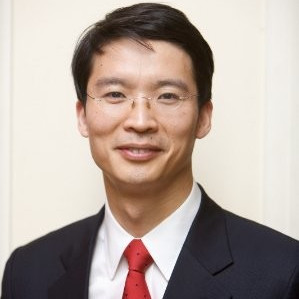
Investment Partner & Co-Founder of Dragon AI, Single Family OfficeDragon Global
search
>> Hello everyone. Welcome back to theCUBE. I'm John Furrier, your host here in New York City at our NYSE East Coast Studios, part of the NYSE Wire program. Brian Baumann. Of course, theCUBE has the Silicon Valley connecting tech and Wall Street money and entrepreneurs all together. The Crypto Trailblazer series continues. We have all the pioneers coming in, people who are making it happen, contributors, coders, executives, everyone who's participating in this next wave is super valuable. They are the trailblazers. The next trailblazer up is Winston Mott, partner at Dragon Global. He was former head and managing director of China Investment Corporation, second-largest sovereign fund ever. So thanks for coming on. Good to see you again. CUBE alumni.
Winston Ma
>> Yes.>> Great to see you.
Winston Ma
>> Thank you. John.>> You're smiling as always, always great to have you on for two reasons. One is you're very relevant to this conversation. A lot of energy the last time you were on with the infrastructure side, but you wrote a book. You got it right there. I see. Can I see that? Yeah, I'll put it up there. He wrote a book on blockchain and Web3.
Winston Ma
>> Yes.>> I skimmed it. It's legit.
Winston Ma
>> Yes.>> But more importantly, you'll also have a front row seat to money. You had a position on your other job, you've also been a lawyer, this regulatory policy thing. So we're at the nexus of certainly a better environment, not hostile like in the US from, before in the Biden administration, but under Trump it's happening.
Winston Ma
>> Yep.>> So you have the confluence of money and capitalism coming together. So this has been a big part of the conversation. So now that's there. So secondly, you've been traveling a lot around, I've been covering all of your endeavors on LinkedIn, Facebook, Davos, Miami. So you had a lot of embedded positions for primary data. What are you finding, let's get to the primary data. Let's pull out the reporter notebook. What have you discovered? What's your observation happening in the tech and money scene right now?
Winston Ma
>> Interesting question. So let's put, let's say three very big trends here. Number one, since I'm a sovereign fund person, recently a managing director at a sovereign fund for global investing and now NYU School of Law professor on sovereign funds, plus the program director on the Forum of Global Sovereign Funds. The first is sovereign funds become increasingly the leading tech investors in the world. I had another book called The Hunt for Unicorns: How Sovereign Funds Changed the Investment in the Digital Economy, because they're the largest VCs, they have half a trillion or even a trillion plus portfolio for each of them. So their investment can move the market, and that's certainly relevant to the crypto asset class as well. So that's the first one. And then the second part is we see more regulations development. On one part we see more and more cross-border regulations for traditional transactions. At the same time, we actually see more loosening of regulations in the crypto market. And this leads to interesting dynamics when a large investors, trillion-dollar allocators, think about how they move money between different asset classes. That's the second, the regulatory aspect. And the third aspect is this global thing. It's quite obvious that globally we just see more tension. We see more de-globalization and in this context, actually, the crypto, the decentralized web, it becomes relevant because it is in theory->> It's free. It's for everyone.
Winston Ma
>> It's a free and free of borders.>> And what's interesting too, stablecoin has been a big part of that conversation. Obviously, decentralization, the apps are going. We've interviewed a lot of the folks from Ethereum, we had the head of engineering Solana on. So you've got speed, you've got layer two and roll-ups with Ethereum. So you're seeing a lot of money on chain in the form of dollars and whether it's stablecoin and or other assets. But Ethereum, David, a lot of times I talking on theCUBE pod this week about, it's like the price hasn't changed on Ether, but the usage is up, right?
Winston Ma
>> Yes.>> So that's a signal that's telling me that there's development happening.
Winston Ma
>> Yes. And also Solana other similar platforms.>> Solana os crushing it right now. Speed there. They're doing great on performance. Ethereum's catching up, but they're higher value transactions. But for the everyday person, Solana's, great.
Winston Ma
>> Yes.>> So you got this infrastructure wave.
Winston Ma
>> Mm-hmm.>> Okay, we covered this with AI infrastructure. Again, things are rhyming. Now you're starting to see the bigger exchanges come in and so you're going to have Bitcoin as a store of value. You got Solana and you got these stablecoins. The mobile phone intermediaries don't have to be there, but yet institutions are integrating in. So kind of interesting, I want you to tell me your opinion on how this squares, because is it going to be the infrastructure that dictates to the institutionals what to do? Because the integrations will probably work well, Winston, but it may not work well at the beginning, maybe not. So it is always the organ transplant may not take kind of thing. What's your view on this? Because I won't say they're conflicting when you have old school, new school coming together.
Winston Ma
>> Great point.>> And then bottoms up. Just new everything.
Winston Ma
>> Yes, great point. You have a lot out there. But if we organize it, I think essentially infrastructure and ecosystem truly would be the keywords for Web3 going forward. So first, as you mentioned, Bitcoin is more like commodities, more like storage of value. And interestingly, in this context, even Trump and Gensler can agree, because Gensler viewed Bitcoin different. So it allowed Bitcoin to have the ETF futures first. And Trump, even though he dislikes the Gensler, but when he announced the Strategic National Reserve, he also singles out the Bitcoin different from others. So Bitcoin is a commodity, a tradable asset, is a storage of value. We can all see that, but it's different from the infrastructure and ecosystem because we need users to create a vibrant ecosystem. That leads to the second aspect, which is why we see all the developments on Ethereum, Solana and others. And you touched on mobile applications, that's so important because, traditionally, if we think about how mobile internet gets billions of users, it's through applications, it's through user participation. So for example, YouTube, Twitter, users do not sit there idle. They want to be part of it, and they contribute contents and even interact with the content. And that's what we need for the Web3 ecosystem as well. And now we see more activities on Ethereum and and a similar platform. That's the right direction.>> There's more wireless everywhere. If I have an application that can transfer Bitcoin or stablecoin pegged against the dollar or whatever asset that's legit, that's just instant. I could be in any country. So you talk about borderless, this is a solution.
Winston Ma
>> Yes. So the interface really would make a huge change for the retail general population's participation into the Web3, because right now it's still a niche market. People think the compliance is different, the sign-up is complicated and it's very hard to get the money back, things like that, right? Because it's illiquid, right?>> It's risks. Going through intermediaries, you got risks.
Winston Ma
>> Yes. Yeah.>> Time.
Winston Ma
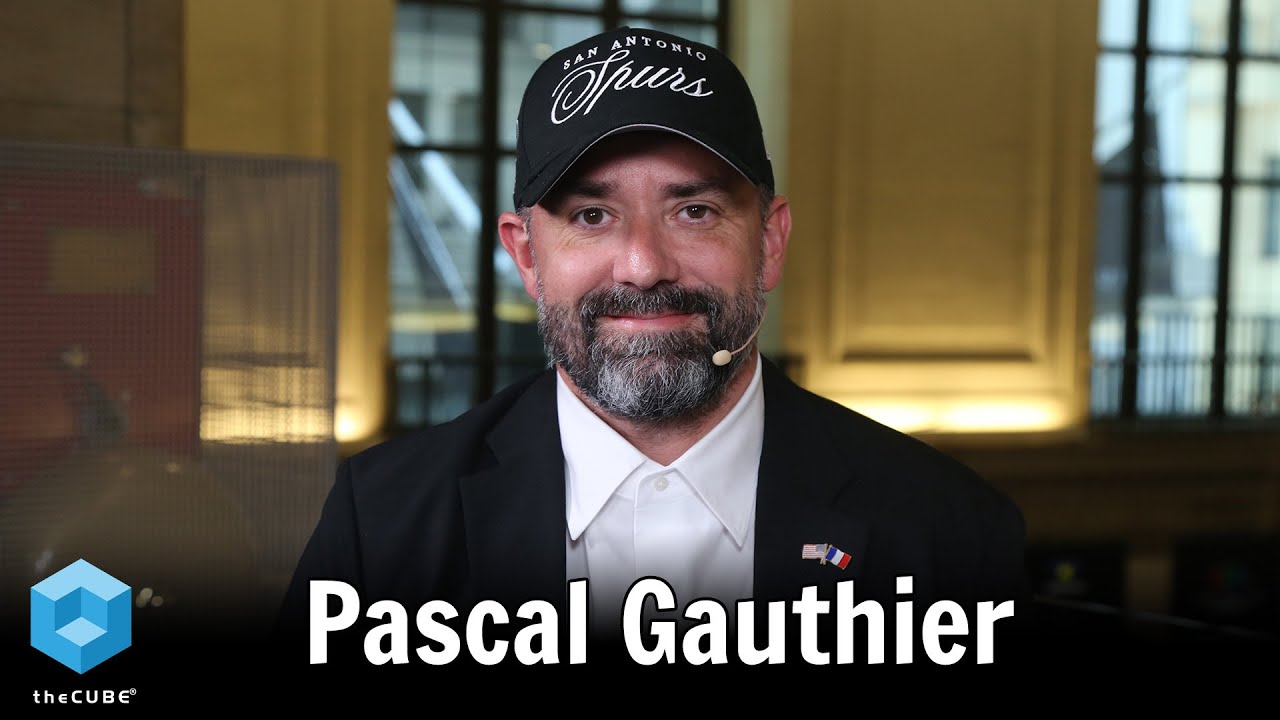
>> But if it can be as friendly a interface as a mobile application, like a YouTube watch a video or TikTok post a goofy short video, stuff like that, then people will participate. But now it goes to the last point. You talk about institution, all these are great for retail communication, but for the institution one, they really want to see a highly sophisticated, well-developed infrastructure that are fully in compliance with the existing legal framework. So for them, interface will be good, but the regulatory is more important.>> So I love covering these targeted series because one, I love them, so I love talking about it, nerd out on one level and then the business side of my brain kicks in and I'll get to the entrepreneurship in a second, but every kind of concept or community has buzzwords and things that jump out and are repeated over and over again from the leaders. Here in crypto, so a couple ones I'll throw at you, and I want you to react to payment rails. You hear a lot about payment rails, token economics, tokens, not in an Nvidia way because they use tokens.
Winston Ma
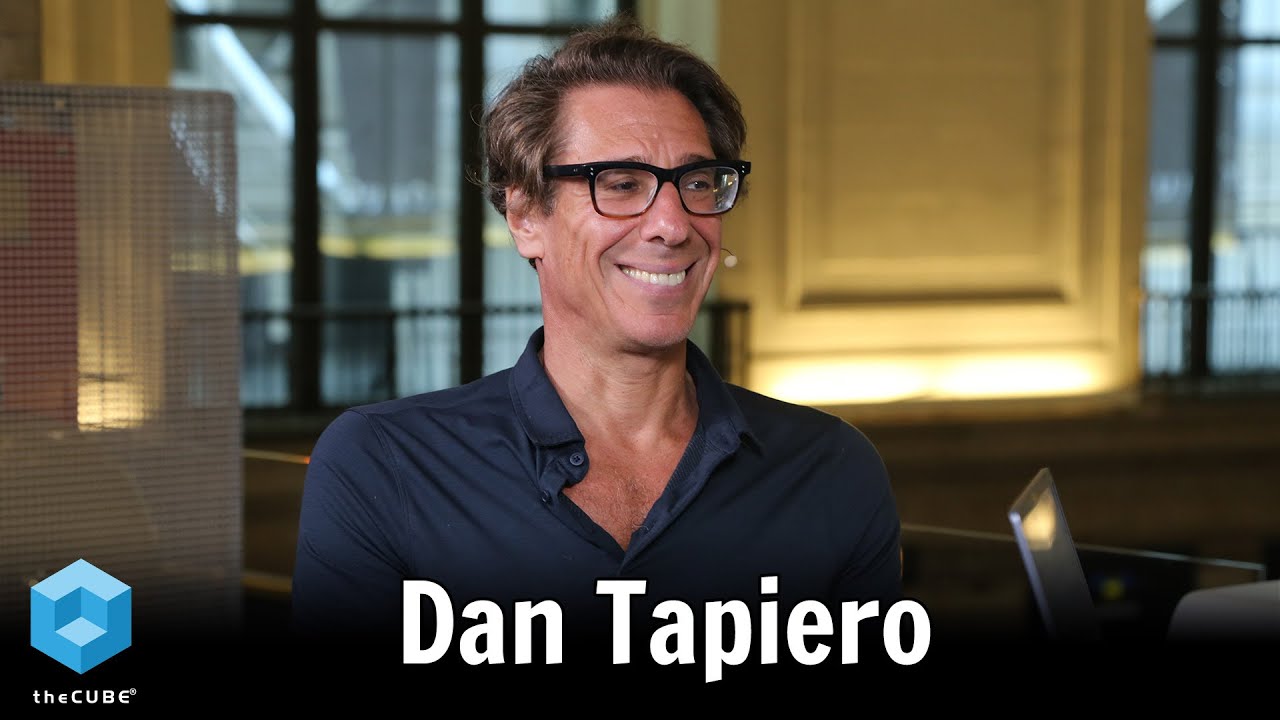
>> Yeah, exactly.>> They're not to be confused with tokens. Again, token's a popular word, and it's multiple means. So tokens can measure that user and put value on this. Now you have that interaction you mentioned. So okay, payment rails. I'll throw scale in there too, because scalability, scale, operating at scale, whether it's volume or just the scale of infrastructure. So payment rails, token economics, tokens and then infrastructure or just scale.
Winston Ma
>> Exactly. Yeah. I will say->> React to that. And why is that important in today's world? Why are those words coming out?
Winston Ma
>> Yes, the payments, the payment rail and the scale, you can view them as closely connected. Why? Because since we're talking about money and asset anyway. So clearly people need to think about their value, but also the liquidity. Meaning you may have the storage of value in one crypto token, but can you get the money out easily? Make the transition between crypto assets and fiat currency, just normal money.>> Get some cash.
Winston Ma
>> Easily, right? As easy. So if you have a smooth payment rail, then you can have the scale more easily. So that's the first layer of thinking. But the most sophisticated layer of thinking is the going forward into the commerce. There's the commerce in Web3, the commerce based on crypto, meaning in any ecosystem you may have lots of interaction, you may have lots of advertisement even, but if you don't have a payment system, you cannot turn these interest and activities into a transaction in a transaction. That's why, for example, WeChat or even it's WeChat of Tencent in China, or even it's the->> theCUBE's big by the way, over in China, SiliconANGLE and theCUBE on WeChat.
Winston Ma
>> Oh, is that right? Okay.>> There are people translating our videos and articles.
Winston Ma
>> I see.>> All your WeChat uses out there. Take a look at SiliconANGLE and theCUBE.
Winston Ma
>> Exactly. Now, if you look at that, WeChat started without a payment system. So it was started as today's WhatsApp. So people just messaged each other and chatting, posted multimedia, very convenient to share contents. And then gradually merchandise say, "Oh, this is so popular, we should share our merchandise information."
And then of course people show the interest. But without payment system, people cannot transact easily. So when you have a payment rail there, that means all the interactions and the activities can be translated into real transaction and then that can help scale as well. So this is a reaction to those two. And then another one is token, right?>> Yeah, token economics and tokens.
Winston Ma
>> Exactly. So here, token in Web3 obviously is different from the AI model tokens. The AI model tokens are just text or even in the context of multimodal, let's say just information.>> Math.
Winston Ma
>> Yeah, exactly. Yeah, exactly. Yeah, just codes. So itself does not have value, but the crypto token means the->> Intrinsic value of a network or thing.
Winston Ma
>> Exactly.>> Like in gaming, everyone knows in gaming.
Winston Ma
>> Exactly.>> Skins and...
Winston Ma
>> Yes, we call them game tokens.>> Game tokens, yeah.
Winston Ma
>> Right. So essentially->> So tokens are critical?
Winston Ma
>> Yes. Tokens, you can think of it almost as an equivalent term for crypto assets, right? Assets that cryptolized. And in the game, as you said, you can have gaming tokens and in e-commerce ecosystem, you can have these trade tokens. And again, back to WeChat, Tencent, many years ago they started QQ token for their gaming, because it starts as a gaming company today. Obviously it's the largest gaming company in the world, right? Tencent has the biggest titles like Game of Thrones type of stuff. So to manage that ecosystem, actually, they come up with gaming tokens. But because of the Chinese crypto regulation, they cannot make it crypto-based, but it is a token for a ecosystem. And here in the blockchain Web3 context, tokens are chain-native. That means it was generated naturally when you have activities on the crypto, just like you were saying.>> I love the word chain-native because that really drives that. So that brings me back to full circle to you, money. You've managed a big money, trillions of dollars, you're now in a family office, still they have big money. You kind of took a step down, Winston, from the big dog position. No, I'm only kidding. You're doing a lot of great work. Just kidding. But entrepreneurship is happening.
Winston Ma
>> Yes.>> Okay. Investments are being made. You mentioned that at the beginning of the interview.
Winston Ma
>> Yes.>> What is the current situation on marketplace look like for investments? What are the sovereign funds and the big offices doing? How are they deploying their capital? Are they looking at crypto from an arbitrage standpoint or hold and store of value? What kind of ventures are they investing in? How are they investing? Are they investing in token native deals? Are they using stable coins or just using classic methods like preferred stock? How are investors moving the money? Similar to venture capital? Can you share your vision around what you're seeing with the deployment of capital?
Winston Ma
>> It's a wider spectrum. It's a wider spectrum.>> What was the current state of the art?
Winston Ma
>> Yeah. So I think you touched both the family office and the sovereign funds in a way they represents... In a way they invested similarly because they all have long-term capital, because they have their own capital. We see them asset owners, but at the same time they're different size and a different investment style. So they can go into a very different investment directions, right? Because they have different risk-reward preference, and they also have different liquidity requirements and then different views on regulatory compliance. So if you go into more details, think about like this for Web3, crypto assets, you can find different ways to get to that exposure if you're an investor. And in terms of what kind of product you pick, it reflects your investment philosophy and your investment style. So if we think about the one that's closest to, closest to the tokens, like a heart of the mining machine. So you can certainly go trade Bitcoin itself or you can invest into the crypto mining or you can invest into gaming tokens directly, things like that. And then coming slightly more towards the regulatory market, then you say instead of buy Bitcoin, I want more regulatory, regulated context. So then you can invest into Bitcoin ETF or the ETF of Ethereum and so on and so forth. And then you may also invest in Bitcoin hedge funds. You can have these hedge fund managers that's focused on crypto trading and they may provide some diversification. So that's the difference, because they trade many tokens and you can still get your liquidity pretty easily. And then you can go for less liquid, longer-term investment like VC investments. Either->> Like startups.
Winston Ma
>> Like startups. Exactly.>> Or late stage startups.
Winston Ma
>> Maybe a new chain or maybe a new tech solution in the Web3 environment. Either you invest as a tech investor yourself or you invest into VC fund for that kind of investment. You get a diversification and a more tech focused instead of the crypto price focused. And finally, you can go for very special situation, very concentrated back like the recent investment by MGX, the subsidiary of the sovereign fund of UAE to invest $2 billion into Binance. And that's a very concentrated bet. So it depends on your liquidity.>> Seems like a good bet. Okay. Let's get back to the startups. I want to focus on that because I think that's intriguing because we study startups a lot. We cover startups in theCUBE. Brian Baumann over at NYC Wired, he's doing a lot of startup coverage, even though they don't long ways go public, he's going way down into the value chain. On those deals, what kind of cash deployments do you see in investments? Because obviously there are startups emerging. I mean a bunch here on theCUBE, obviously they're growing, some are growing super fast, some have risk, but they're still executing. What kind of deals are being done right now? Can you share... You don't have to name names, but what check sizes or money pool sizes are being deployed? Tens of millions? Hundreds of millions? Into companies for a crypto. What is a successful crypto, whether it's an early stage deal or growth stage, what are some of the deployment amounts and valuations you're seeing?
Winston Ma
>> Oh, great question. Actually, it's such a wide range. So crypto native startups, I would say they tend to be the companies for angel investors. So here you can start half a million, a few millions to get off the ground. And part of the reason that the initial cash check is smaller is because since it's a crypto native, so some of the later investment, following investments could be done in the token format or other.>> So smaller rounds maybe because there might be more optionality?
Winston Ma
>> Correct.>> That's the thinking?
Winston Ma
>> Yeah, because in a way, you could say the Web3 companies have two corporate format instead of one, right? For a New York Stock Exchange listed company, typically they are incorporated somewhere, for example, Delaware. But for a crypto company, they tend to have a corporate format, but they also have a crypto format, which is based on crypto foundation setup. So for investor, they can invest from the corporate direction, but a lot of times they may also invest from the crypto direction and they may have different exit strategy linked to them. Right?>> Yeah. That's a great... Winston, great commentary. Thank you for sharing. Okay, I want to go back to what we talked about at the beginning of the interview, your world tour. I know we already talked about Davos, but you had a lot of action going on in Miami.
Winston Ma
>> Yeah, the FI Miami .>> What was the conversations? These are like private equity super conferences.
Winston Ma
>> Yes.>> A lot of players there, a lot of big-time names, very relevant conversation around all this asset management, deploying capital, getting liquidity. You got the two formats on crypto. What were some of the top conversations and can you share stories of conversations you've had with people?
Winston Ma
>> Yes. Now obviously even if you add in Davos into this mix, probably you won't be surprised that a lot of conversation is about US, Trump and then the US public policy, right?>> No, China discussions?
Winston Ma
>> Much less, right? I say people focus on the US market and then Trump and then the US policies, right? But let's focus on the two->> Because they have to stare at that because it's dynamic.
Winston Ma
>> It is.>> No one knows what's going to happen next. And the markets want certainty.
Winston Ma
>> Yep.>> I mean, they want clarity. Tell us what the rules of the road are, can't drive on the left side of the road in America one day and then the right side on the other. I mean, markets want clarity.
Winston Ma
>> Yes.>> So is that why?
Winston Ma
>> Yeah. So if we look at the FI Miami conference February, right? Because Trump himself spoke there personally.>> Yeah. I want to hear what happened.
Winston Ma
>> So it was a very big, big deal. It was very big deal. And the conference itself is a big deal because it's a conference series, mostly sponsored by the Saudi Sovereign Fund, PIF Public Investment Funds, which is a trillion dollar investment firm. So PIF sponsored the FI Miami conference series, and this year, obviously, the biggest one because the president, the current president is speaking there. So the topics are super relevant for investors allocation going forward, like big picture topics. First, US is still the most important market for global investors, even though all the investors are looking for clarity. But no matter what, given the global chaos, the US market is still the largest and the most important market for the investors to pay attention to. One way or the other. They have to, right? So all the investors are still studying the market and for investors like PIF, they are still increasing their investments in the US.>> So the money's still coming.
Winston Ma
>> Yeah, exactly.>> But the regulations and the policies took front and center?
Winston Ma
>> Precisely.>> Because of the... It will impact decision making, allocations, risk management, upside potential, all that was playing in.
Winston Ma
>> Yes. Precisely. Yeah.>> Was there anything that jumped out at you? Anything specifically? What was the high order bit?
Winston Ma
>> Oh->> What was the number one, top three things that people were talking about relative to those trends?
Winston Ma
>> I see. So related to policies and actually there the three things, they're all summarized by one important memo by Trump, but someone knew other than Trump, just after the FI Miami, it is called American First investment Memo. It's called investment policy, American First investment policy. So the top three things. So the number one is about regulatory approval system and you would think American first is all about more review. Actually, there's also a very positive development. It's called less regulation for investments from allies. So in a sense that it wants to engage more companies and more countries as allies to invest more into the US. Okay? So that's number one. When you think about Trump, it's not all about more restriction or more destruction, actually there's a facilitation as well. So that's number one. Okay? And then the second aspect, obviously is about, it relates to the tech company, tech investing, because tech investing, especially AI and the data related, it relates to national security issues. So for investors, they want more clarity about can they still invest in it and can they get the approval if they want to invest into US AI leading companies? Now, also a very important development from the Trump memo about American First investment policy, the mostly relevant one, it's called welcome passive investments. Passive is welcome everywhere. Essentially it welcomes investments that are patient long-term and not interfering with the management. So these are the capital that the US is really looking for. So I think going forward, we'll see a lot more passive investments, foreign capital co-investing with US capital in the US, especially for AI tech sensitive industries.>> So I am looking at the document here and the PRC has mentioned a lot. You mentioned before we came on camera, China, Hong Kong, what's going on to the geopolitical environment.
Winston Ma
>> Sure.>> That was mentioned a lot in the memo, and there was also open investment, fast tracking. These are kind of areas. What is your take on that? Obviously, you ran the China fund, right? So you have visibility into the-
Winston Ma
>> Yeah, I was.>> The dynamics. What is the current situation? Hong Kong, China, United States. Obviously we know what Trump's saying, but how's that affect the money pool?
Winston Ma
>> It's a huge, the impact is huge. It is probably not surprising to you that when the US market here, we observed a high volatility and even some sale on a few dramatic days in the US market. Last couple of weeks, the market saw a huge rally in the Hong Kong market, because for the US dollar investors last 12, 24 months, they moved a lot of capital allocation into the US market. Both because the volatility in the China market, but also because of the , the AI story in the US. So lots of money was in the US last 24-hour month. And because of the recent tariff talk or the policy cursing, and not to mention all the fights with neighbors like Canada, a lot of people feel that maybe->> I mean, Canada was going to pull all their investments.
Winston Ma
>> Exactly.>> So it's a shock to the system.
Winston Ma
>> Right. So some of the money moved to other areas, especially like Hong Kong where the valuation was so low because of the money outflow. So now they benefit a little bit of money inflow. But I have to say, things are still evolving. It's so fluid. So you will see this money back and forth.>> Yeah. And again, it's only four years. He's not going to have another term. So coming back to the crypto trailblazers, yes, okay. Political environment, regulatory, big issues, those are threshold issues and all the build-out, what is your next book going to be? If you had to start writing your book. Now, this first one was not an intro, but it laid out all the facts.
Winston Ma
>> Yes.>> We're starting to go next level. Mainstream financial institutions, entrepreneurship, the classic digitization of things and assets are digital assets. The word assets is intentional.
Winston Ma
>> Right.>> Measuring and instrumenting those assets. Software stacks now going to have be developed, AI is coming into the mix. So you have a Cultural Revolution going on and that's why I love what we do because you got the tech money here at the NYSE, so Silicon Valley here, but now culture, impact investment, make the world a better place. Let's not have destruction, let's have peace and humanity. I mean, let's all live better, right? And decentralization offers the perfect capitalism environment because it's transparent.
Winston Ma
>> That's right. So if I get to write as a sequel, the last time, the book title is the Blockchain and Web3: Building the Cryptocurrency, Privacy, and Security Foundations of the Metaverse. Essentially, I was talking about blockchain provides this tech backbone for the future metaverse because it can provide token economics through crypto assets and then it can... It's unique. So just like NFT, the kind of unique digital technology, it can protect your privacy and then the third aspect of blockchain is the ability to keep the data integral, right? Integral. So this is the integrity of data. So that's the security aspect.>> So your next one would be about what?
Winston Ma
>> But it was too tech focused, right? Because we didn't see mass scaling. So the next one, we should expect to see mass scaling of ecosystem applications on the public chains which engage lots of users. And I use your earlier questions, we'll see payment rail in place. We'll see all the->> Token economics.
Winston Ma
>> Token economics there. So people will be incentivized to participate. And then you also have all the data, personal data, privacy, security, protection through blockchain technology. So that will be the next book. But most importantly, I think the biggest application will still come from the content aspects. The last time was mostly kind of gaming and now probably still be contents, but this time we have AI. So AI may become this new catalyst to empower individual users to generate metaverse contents more quickly. Multimodel, three-dimensional contents, which is very difficult to produce right now, but AI may enable the users to create these advanced contents more easily. So essentially we will see a more active, more data privacy and a more incentivized data platform, a new version of TikTok.>> And I would say that the token economics and the payment rails, as you pointed out, will take early adopters and early pioneers like the gaming industry, seeing that and the other word that's been kicked around, but not as much frequency, but it's been said multiple times. The ecosystem is a multiplayer game. And they'll mean as a game game, it's an environment. Ecosystem means things are-
Winston Ma
>> Tech stack. Different player.>> Living things evolve like species. It's not algae. It's actually now a species in the-
Winston Ma
>> You need the other species.>> So the evolution of species or ecosystem partners is a multiplayer environment and that is something that will sit on top of the L1 chains. So this is where I think this goes, because once you have those network effects, because they're networks within networks, tokens work great.
Winston Ma
>> Yes.>> Okay, Winston, great to have you on. Final question. What are you working on lately? Where are you going to be next? Where's your big next trip? Obviously, you're here all the time at NYC. Great seeing you here. What's next for you? What's on your mind?
Winston Ma
>> Yes, probably you won't be surprised. My next trip in another week, I fly to Dubai. I will speak at the iCapital conference. I will be on the sovereign fund panel. So probably I will be teamed with a sovereign fund from the local community, lots of them at the Dubai and Abu Dhabi. And they are moving into Web3. Maybe I didn't mention at the beginning, the recent SEC filing revealed that Mubadala one of the largest sovereign funds in the world based in Abu Dhabi, revealed that they lasted quarter, last quarter of '24, they invested several hundred millions into Bitcoin ETF. So it's just the beginning to see that area, to see the integration of sovereign funds and the Web3 investments.>> Well, when you go there, make sure you tell them about what we're doing with theCUBE, because we will have a CUBE region in Abu Dhabi soon. Great opportunity to create another subnet of our network. But also, if we did have our CUBE coin up and running right now, you would be a very valuable node in the network because we're expecting you to come back on theCUBE and tell us and report back in. You're like a reporter. You're like a citizen reporter for us.
Winston Ma
>> Truly in the Web3 language. I'll be honored to be a node of you.>> You're a big node in the network, a smart node, as we say. So thanks for coming on. Great to see you.
Winston Ma
>> Thank you.>> As always. Again, network effects. You have nodes in the network all contributing. It's all tokenized. Again, the world is changing and decentralized and AIs coming together, security, all the infrastructure's rolling out and it's going to open up the trailblazers to plow the paths for this next generation of innovation and capitalism. Again, all with all new rules. And those rules are better, better for people. So this is theCUBE. We'll bring you all the action here. Of course, you're watching SiliconANGLE and theCUBE. I'm your host, John Furrier. Thanks for watching.
>> Hello everyone. Welcome back to theCUBE. I'm John Furrier, your host here in New York City at our NYSE East Coast Studios, part of the NYSE Wire program. Brian Baumann. Of course, theCUBE has the Silicon Valley connecting tech and Wall Street money and entrepreneurs all together. The Crypto Trailblazer series continues. We have all the pioneers coming in, people who are making it happen, contributors, coders, executives, everyone who's participating in this next wave is super valuable. They are the trailblazers. The next trailblazer up is Winston Mott, partner at Dragon Global. He was former head and managing director of China Investment Corporation, second-largest sovereign fund ever. So thanks for coming on. Good to see you again. CUBE alumni.
Winston Ma
>> Yes.>> Great to see you.
Winston Ma
>> Thank you. John.>> You're smiling as always, always great to have you on for two reasons. One is you're very relevant to this conversation. A lot of energy the last time you were on with the infrastructure side, but you wrote a book. You got it right there. I see. Can I see that? Yeah, I'll put it up there. He wrote a book on blockchain and Web3.
Winston Ma
>> Yes.>> I skimmed it. It's legit.
Winston Ma
>> Yes.>> But more importantly, you'll also have a front row seat to money. You had a position on your other job, you've also been a lawyer, this regulatory policy thing. So we're at the nexus of certainly a better environment, not hostile like in the US from, before in the Biden administration, but under Trump it's happening.
Winston Ma
>> Yep.>> So you have the confluence of money and capitalism coming together. So this has been a big part of the conversation. So now that's there. So secondly, you've been traveling a lot around, I've been covering all of your endeavors on LinkedIn, Facebook, Davos, Miami. So you had a lot of embedded positions for primary data. What are you finding, let's get to the primary data. Let's pull out the reporter notebook. What have you discovered? What's your observation happening in the tech and money scene right now?
Winston Ma
>> Interesting question. So let's put, let's say three very big trends here. Number one, since I'm a sovereign fund person, recently a managing director at a sovereign fund for global investing and now NYU School of Law professor on sovereign funds, plus the program director on the Forum of Global Sovereign Funds. The first is sovereign funds become increasingly the leading tech investors in the world. I had another book called The Hunt for Unicorns: How Sovereign Funds Changed the Investment in the Digital Economy, because they're the largest VCs, they have half a trillion or even a trillion plus portfolio for each of them. So their investment can move the market, and that's certainly relevant to the crypto asset class as well. So that's the first one. And then the second part is we see more regulations development. On one part we see more and more cross-border regulations for traditional transactions. At the same time, we actually see more loosening of regulations in the crypto market. And this leads to interesting dynamics when a large investors, trillion-dollar allocators, think about how they move money between different asset classes. That's the second, the regulatory aspect. And the third aspect is this global thing. It's quite obvious that globally we just see more tension. We see more de-globalization and in this context, actually, the crypto, the decentralized web, it becomes relevant because it is in theory->> It's free. It's for everyone.
Winston Ma
>> It's a free and free of borders.>> And what's interesting too, stablecoin has been a big part of that conversation. Obviously, decentralization, the apps are going. We've interviewed a lot of the folks from Ethereum, we had the head of engineering Solana on. So you've got speed, you've got layer two and roll-ups with Ethereum. So you're seeing a lot of money on chain in the form of dollars and whether it's stablecoin and or other assets. But Ethereum, David, a lot of times I talking on theCUBE pod this week about, it's like the price hasn't changed on Ether, but the usage is up, right?
Winston Ma
>> Yes.>> So that's a signal that's telling me that there's development happening.
Winston Ma
>> Yes. And also Solana other similar platforms.>> Solana os crushing it right now. Speed there. They're doing great on performance. Ethereum's catching up, but they're higher value transactions. But for the everyday person, Solana's, great.
Winston Ma
>> Yes.>> So you got this infrastructure wave.
Winston Ma
>> Mm-hmm.>> Okay, we covered this with AI infrastructure. Again, things are rhyming. Now you're starting to see the bigger exchanges come in and so you're going to have Bitcoin as a store of value. You got Solana and you got these stablecoins. The mobile phone intermediaries don't have to be there, but yet institutions are integrating in. So kind of interesting, I want you to tell me your opinion on how this squares, because is it going to be the infrastructure that dictates to the institutionals what to do? Because the integrations will probably work well, Winston, but it may not work well at the beginning, maybe not. So it is always the organ transplant may not take kind of thing. What's your view on this? Because I won't say they're conflicting when you have old school, new school coming together.
Winston Ma
>> Great point.>> And then bottoms up. Just new everything.
Winston Ma
>> Yes, great point. You have a lot out there. But if we organize it, I think essentially infrastructure and ecosystem truly would be the keywords for Web3 going forward. So first, as you mentioned, Bitcoin is more like commodities, more like storage of value. And interestingly, in this context, even Trump and Gensler can agree, because Gensler viewed Bitcoin different. So it allowed Bitcoin to have the ETF futures first. And Trump, even though he dislikes the Gensler, but when he announced the Strategic National Reserve, he also singles out the Bitcoin different from others. So Bitcoin is a commodity, a tradable asset, is a storage of value. We can all see that, but it's different from the infrastructure and ecosystem because we need users to create a vibrant ecosystem. That leads to the second aspect, which is why we see all the developments on Ethereum, Solana and others. And you touched on mobile applications, that's so important because, traditionally, if we think about how mobile internet gets billions of users, it's through applications, it's through user participation. So for example, YouTube, Twitter, users do not sit there idle. They want to be part of it, and they contribute contents and even interact with the content. And that's what we need for the Web3 ecosystem as well. And now we see more activities on Ethereum and and a similar platform. That's the right direction.>> There's more wireless everywhere. If I have an application that can transfer Bitcoin or stablecoin pegged against the dollar or whatever asset that's legit, that's just instant. I could be in any country. So you talk about borderless, this is a solution.
Winston Ma
>> Yes. So the interface really would make a huge change for the retail general population's participation into the Web3, because right now it's still a niche market. People think the compliance is different, the sign-up is complicated and it's very hard to get the money back, things like that, right? Because it's illiquid, right?>> It's risks. Going through intermediaries, you got risks.
Winston Ma
>> Yes. Yeah.>> Time.
Winston Ma
>> But if it can be as friendly a interface as a mobile application, like a YouTube watch a video or TikTok post a goofy short video, stuff like that, then people will participate. But now it goes to the last point. You talk about institution, all these are great for retail communication, but for the institution one, they really want to see a highly sophisticated, well-developed infrastructure that are fully in compliance with the existing legal framework. So for them, interface will be good, but the regulatory is more important.>> So I love covering these targeted series because one, I love them, so I love talking about it, nerd out on one level and then the business side of my brain kicks in and I'll get to the entrepreneurship in a second, but every kind of concept or community has buzzwords and things that jump out and are repeated over and over again from the leaders. Here in crypto, so a couple ones I'll throw at you, and I want you to react to payment rails. You hear a lot about payment rails, token economics, tokens, not in an Nvidia way because they use tokens.
Winston Ma
>> Yeah, exactly.>> They're not to be confused with tokens. Again, token's a popular word, and it's multiple means. So tokens can measure that user and put value on this. Now you have that interaction you mentioned. So okay, payment rails. I'll throw scale in there too, because scalability, scale, operating at scale, whether it's volume or just the scale of infrastructure. So payment rails, token economics, tokens and then infrastructure or just scale.
Winston Ma
>> Exactly. Yeah. I will say->> React to that. And why is that important in today's world? Why are those words coming out?
Winston Ma
>> Yes, the payments, the payment rail and the scale, you can view them as closely connected. Why? Because since we're talking about money and asset anyway. So clearly people need to think about their value, but also the liquidity. Meaning you may have the storage of value in one crypto token, but can you get the money out easily? Make the transition between crypto assets and fiat currency, just normal money.>> Get some cash.
Winston Ma
>> Easily, right? As easy. So if you have a smooth payment rail, then you can have the scale more easily. So that's the first layer of thinking. But the most sophisticated layer of thinking is the going forward into the commerce. There's the commerce in Web3, the commerce based on crypto, meaning in any ecosystem you may have lots of interaction, you may have lots of advertisement even, but if you don't have a payment system, you cannot turn these interest and activities into a transaction in a transaction. That's why, for example, WeChat or even it's WeChat of Tencent in China, or even it's the->> theCUBE's big by the way, over in China, SiliconANGLE and theCUBE on WeChat.
Winston Ma
>> Oh, is that right? Okay.>> There are people translating our videos and articles.
Winston Ma
>> I see.>> All your WeChat uses out there. Take a look at SiliconANGLE and theCUBE.
Winston Ma
>> Exactly. Now, if you look at that, WeChat started without a payment system. So it was started as today's WhatsApp. So people just messaged each other and chatting, posted multimedia, very convenient to share contents. And then gradually merchandise say, "Oh, this is so popular, we should share our merchandise information."
And then of course people show the interest. But without payment system, people cannot transact easily. So when you have a payment rail there, that means all the interactions and the activities can be translated into real transaction and then that can help scale as well. So this is a reaction to those two. And then another one is token, right?>> Yeah, token economics and tokens.
Winston Ma
>> Exactly. So here, token in Web3 obviously is different from the AI model tokens. The AI model tokens are just text or even in the context of multimodal, let's say just information.>> Math.
Winston Ma
>> Yeah, exactly. Yeah, exactly. Yeah, just codes. So itself does not have value, but the crypto token means the->> Intrinsic value of a network or thing.
Winston Ma
>> Exactly.>> Like in gaming, everyone knows in gaming.
Winston Ma
>> Exactly.>> Skins and...
Winston Ma
>> Yes, we call them game tokens.>> Game tokens, yeah.
Winston Ma
>> Right. So essentially->> So tokens are critical?
Winston Ma
>> Yes. Tokens, you can think of it almost as an equivalent term for crypto assets, right? Assets that cryptolized. And in the game, as you said, you can have gaming tokens and in e-commerce ecosystem, you can have these trade tokens. And again, back to WeChat, Tencent, many years ago they started QQ token for their gaming, because it starts as a gaming company today. Obviously it's the largest gaming company in the world, right? Tencent has the biggest titles like Game of Thrones type of stuff. So to manage that ecosystem, actually, they come up with gaming tokens. But because of the Chinese crypto regulation, they cannot make it crypto-based, but it is a token for a ecosystem. And here in the blockchain Web3 context, tokens are chain-native. That means it was generated naturally when you have activities on the crypto, just like you were saying.>> I love the word chain-native because that really drives that. So that brings me back to full circle to you, money. You've managed a big money, trillions of dollars, you're now in a family office, still they have big money. You kind of took a step down, Winston, from the big dog position. No, I'm only kidding. You're doing a lot of great work. Just kidding. But entrepreneurship is happening.
Winston Ma
>> Yes.>> Okay. Investments are being made. You mentioned that at the beginning of the interview.
Winston Ma
>> Yes.>> What is the current situation on marketplace look like for investments? What are the sovereign funds and the big offices doing? How are they deploying their capital? Are they looking at crypto from an arbitrage standpoint or hold and store of value? What kind of ventures are they investing in? How are they investing? Are they investing in token native deals? Are they using stable coins or just using classic methods like preferred stock? How are investors moving the money? Similar to venture capital? Can you share your vision around what you're seeing with the deployment of capital?
Winston Ma
>> It's a wider spectrum. It's a wider spectrum.>> What was the current state of the art?
Winston Ma
>> Yeah. So I think you touched both the family office and the sovereign funds in a way they represents... In a way they invested similarly because they all have long-term capital, because they have their own capital. We see them asset owners, but at the same time they're different size and a different investment style. So they can go into a very different investment directions, right? Because they have different risk-reward preference, and they also have different liquidity requirements and then different views on regulatory compliance. So if you go into more details, think about like this for Web3, crypto assets, you can find different ways to get to that exposure if you're an investor. And in terms of what kind of product you pick, it reflects your investment philosophy and your investment style. So if we think about the one that's closest to, closest to the tokens, like a heart of the mining machine. So you can certainly go trade Bitcoin itself or you can invest into the crypto mining or you can invest into gaming tokens directly, things like that. And then coming slightly more towards the regulatory market, then you say instead of buy Bitcoin, I want more regulatory, regulated context. So then you can invest into Bitcoin ETF or the ETF of Ethereum and so on and so forth. And then you may also invest in Bitcoin hedge funds. You can have these hedge fund managers that's focused on crypto trading and they may provide some diversification. So that's the difference, because they trade many tokens and you can still get your liquidity pretty easily. And then you can go for less liquid, longer-term investment like VC investments. Either->> Like startups.
Winston Ma
>> Like startups. Exactly.>> Or late stage startups.
Winston Ma
>> Maybe a new chain or maybe a new tech solution in the Web3 environment. Either you invest as a tech investor yourself or you invest into VC fund for that kind of investment. You get a diversification and a more tech focused instead of the crypto price focused. And finally, you can go for very special situation, very concentrated back like the recent investment by MGX, the subsidiary of the sovereign fund of UAE to invest $2 billion into Binance. And that's a very concentrated bet. So it depends on your liquidity.>> Seems like a good bet. Okay. Let's get back to the startups. I want to focus on that because I think that's intriguing because we study startups a lot. We cover startups in theCUBE. Brian Baumann over at NYC Wired, he's doing a lot of startup coverage, even though they don't long ways go public, he's going way down into the value chain. On those deals, what kind of cash deployments do you see in investments? Because obviously there are startups emerging. I mean a bunch here on theCUBE, obviously they're growing, some are growing super fast, some have risk, but they're still executing. What kind of deals are being done right now? Can you share... You don't have to name names, but what check sizes or money pool sizes are being deployed? Tens of millions? Hundreds of millions? Into companies for a crypto. What is a successful crypto, whether it's an early stage deal or growth stage, what are some of the deployment amounts and valuations you're seeing?
Winston Ma
>> Oh, great question. Actually, it's such a wide range. So crypto native startups, I would say they tend to be the companies for angel investors. So here you can start half a million, a few millions to get off the ground. And part of the reason that the initial cash check is smaller is because since it's a crypto native, so some of the later investment, following investments could be done in the token format or other.>> So smaller rounds maybe because there might be more optionality?
Winston Ma
>> Correct.>> That's the thinking?
Winston Ma
>> Yeah, because in a way, you could say the Web3 companies have two corporate format instead of one, right? For a New York Stock Exchange listed company, typically they are incorporated somewhere, for example, Delaware. But for a crypto company, they tend to have a corporate format, but they also have a crypto format, which is based on crypto foundation setup. So for investor, they can invest from the corporate direction, but a lot of times they may also invest from the crypto direction and they may have different exit strategy linked to them. Right?>> Yeah. That's a great... Winston, great commentary. Thank you for sharing. Okay, I want to go back to what we talked about at the beginning of the interview, your world tour. I know we already talked about Davos, but you had a lot of action going on in Miami.
Winston Ma
>> Yeah, the FI Miami .>> What was the conversations? These are like private equity super conferences.
Winston Ma
>> Yes.>> A lot of players there, a lot of big-time names, very relevant conversation around all this asset management, deploying capital, getting liquidity. You got the two formats on crypto. What were some of the top conversations and can you share stories of conversations you've had with people?
Winston Ma
>> Yes. Now obviously even if you add in Davos into this mix, probably you won't be surprised that a lot of conversation is about US, Trump and then the US public policy, right?>> No, China discussions?
Winston Ma
>> Much less, right? I say people focus on the US market and then Trump and then the US policies, right? But let's focus on the two->> Because they have to stare at that because it's dynamic.
Winston Ma
>> It is.>> No one knows what's going to happen next. And the markets want certainty.
Winston Ma
>> Yep.>> I mean, they want clarity. Tell us what the rules of the road are, can't drive on the left side of the road in America one day and then the right side on the other. I mean, markets want clarity.
Winston Ma
>> Yes.>> So is that why?
Winston Ma
>> Yeah. So if we look at the FI Miami conference February, right? Because Trump himself spoke there personally.>> Yeah. I want to hear what happened.
Winston Ma
>> So it was a very big, big deal. It was very big deal. And the conference itself is a big deal because it's a conference series, mostly sponsored by the Saudi Sovereign Fund, PIF Public Investment Funds, which is a trillion dollar investment firm. So PIF sponsored the FI Miami conference series, and this year, obviously, the biggest one because the president, the current president is speaking there. So the topics are super relevant for investors allocation going forward, like big picture topics. First, US is still the most important market for global investors, even though all the investors are looking for clarity. But no matter what, given the global chaos, the US market is still the largest and the most important market for the investors to pay attention to. One way or the other. They have to, right? So all the investors are still studying the market and for investors like PIF, they are still increasing their investments in the US.>> So the money's still coming.
Winston Ma
>> Yeah, exactly.>> But the regulations and the policies took front and center?
Winston Ma
>> Precisely.>> Because of the... It will impact decision making, allocations, risk management, upside potential, all that was playing in.
Winston Ma
>> Yes. Precisely. Yeah.>> Was there anything that jumped out at you? Anything specifically? What was the high order bit?
Winston Ma
>> Oh->> What was the number one, top three things that people were talking about relative to those trends?
Winston Ma
>> I see. So related to policies and actually there the three things, they're all summarized by one important memo by Trump, but someone knew other than Trump, just after the FI Miami, it is called American First investment Memo. It's called investment policy, American First investment policy. So the top three things. So the number one is about regulatory approval system and you would think American first is all about more review. Actually, there's also a very positive development. It's called less regulation for investments from allies. So in a sense that it wants to engage more companies and more countries as allies to invest more into the US. Okay? So that's number one. When you think about Trump, it's not all about more restriction or more destruction, actually there's a facilitation as well. So that's number one. Okay? And then the second aspect, obviously is about, it relates to the tech company, tech investing, because tech investing, especially AI and the data related, it relates to national security issues. So for investors, they want more clarity about can they still invest in it and can they get the approval if they want to invest into US AI leading companies? Now, also a very important development from the Trump memo about American First investment policy, the mostly relevant one, it's called welcome passive investments. Passive is welcome everywhere. Essentially it welcomes investments that are patient long-term and not interfering with the management. So these are the capital that the US is really looking for. So I think going forward, we'll see a lot more passive investments, foreign capital co-investing with US capital in the US, especially for AI tech sensitive industries.>> So I am looking at the document here and the PRC has mentioned a lot. You mentioned before we came on camera, China, Hong Kong, what's going on to the geopolitical environment.
Winston Ma
>> Sure.>> That was mentioned a lot in the memo, and there was also open investment, fast tracking. These are kind of areas. What is your take on that? Obviously, you ran the China fund, right? So you have visibility into the-
Winston Ma
>> Yeah, I was.>> The dynamics. What is the current situation? Hong Kong, China, United States. Obviously we know what Trump's saying, but how's that affect the money pool?
Winston Ma
>> It's a huge, the impact is huge. It is probably not surprising to you that when the US market here, we observed a high volatility and even some sale on a few dramatic days in the US market. Last couple of weeks, the market saw a huge rally in the Hong Kong market, because for the US dollar investors last 12, 24 months, they moved a lot of capital allocation into the US market. Both because the volatility in the China market, but also because of the , the AI story in the US. So lots of money was in the US last 24-hour month. And because of the recent tariff talk or the policy cursing, and not to mention all the fights with neighbors like Canada, a lot of people feel that maybe->> I mean, Canada was going to pull all their investments.
Winston Ma
>> Exactly.>> So it's a shock to the system.
Winston Ma
>> Right. So some of the money moved to other areas, especially like Hong Kong where the valuation was so low because of the money outflow. So now they benefit a little bit of money inflow. But I have to say, things are still evolving. It's so fluid. So you will see this money back and forth.>> Yeah. And again, it's only four years. He's not going to have another term. So coming back to the crypto trailblazers, yes, okay. Political environment, regulatory, big issues, those are threshold issues and all the build-out, what is your next book going to be? If you had to start writing your book. Now, this first one was not an intro, but it laid out all the facts.
Winston Ma
>> Yes.>> We're starting to go next level. Mainstream financial institutions, entrepreneurship, the classic digitization of things and assets are digital assets. The word assets is intentional.
Winston Ma
>> Right.>> Measuring and instrumenting those assets. Software stacks now going to have be developed, AI is coming into the mix. So you have a Cultural Revolution going on and that's why I love what we do because you got the tech money here at the NYSE, so Silicon Valley here, but now culture, impact investment, make the world a better place. Let's not have destruction, let's have peace and humanity. I mean, let's all live better, right? And decentralization offers the perfect capitalism environment because it's transparent.
Winston Ma
>> That's right. So if I get to write as a sequel, the last time, the book title is the Blockchain and Web3: Building the Cryptocurrency, Privacy, and Security Foundations of the Metaverse. Essentially, I was talking about blockchain provides this tech backbone for the future metaverse because it can provide token economics through crypto assets and then it can... It's unique. So just like NFT, the kind of unique digital technology, it can protect your privacy and then the third aspect of blockchain is the ability to keep the data integral, right? Integral. So this is the integrity of data. So that's the security aspect.>> So your next one would be about what?
Winston Ma
>> But it was too tech focused, right? Because we didn't see mass scaling. So the next one, we should expect to see mass scaling of ecosystem applications on the public chains which engage lots of users. And I use your earlier questions, we'll see payment rail in place. We'll see all the->> Token economics.
Winston Ma
>> Token economics there. So people will be incentivized to participate. And then you also have all the data, personal data, privacy, security, protection through blockchain technology. So that will be the next book. But most importantly, I think the biggest application will still come from the content aspects. The last time was mostly kind of gaming and now probably still be contents, but this time we have AI. So AI may become this new catalyst to empower individual users to generate metaverse contents more quickly. Multimodel, three-dimensional contents, which is very difficult to produce right now, but AI may enable the users to create these advanced contents more easily. So essentially we will see a more active, more data privacy and a more incentivized data platform, a new version of TikTok.>> And I would say that the token economics and the payment rails, as you pointed out, will take early adopters and early pioneers like the gaming industry, seeing that and the other word that's been kicked around, but not as much frequency, but it's been said multiple times. The ecosystem is a multiplayer game. And they'll mean as a game game, it's an environment. Ecosystem means things are-
Winston Ma
>> Tech stack. Different player.>> Living things evolve like species. It's not algae. It's actually now a species in the-
Winston Ma
>> You need the other species.>> So the evolution of species or ecosystem partners is a multiplayer environment and that is something that will sit on top of the L1 chains. So this is where I think this goes, because once you have those network effects, because they're networks within networks, tokens work great.
Winston Ma
>> Yes.>> Okay, Winston, great to have you on. Final question. What are you working on lately? Where are you going to be next? Where's your big next trip? Obviously, you're here all the time at NYC. Great seeing you here. What's next for you? What's on your mind?
Winston Ma
>> Yes, probably you won't be surprised. My next trip in another week, I fly to Dubai. I will speak at the iCapital conference. I will be on the sovereign fund panel. So probably I will be teamed with a sovereign fund from the local community, lots of them at the Dubai and Abu Dhabi. And they are moving into Web3. Maybe I didn't mention at the beginning, the recent SEC filing revealed that Mubadala one of the largest sovereign funds in the world based in Abu Dhabi, revealed that they lasted quarter, last quarter of '24, they invested several hundred millions into Bitcoin ETF. So it's just the beginning to see that area, to see the integration of sovereign funds and the Web3 investments.>> Well, when you go there, make sure you tell them about what we're doing with theCUBE, because we will have a CUBE region in Abu Dhabi soon. Great opportunity to create another subnet of our network. But also, if we did have our CUBE coin up and running right now, you would be a very valuable node in the network because we're expecting you to come back on theCUBE and tell us and report back in. You're like a reporter. You're like a citizen reporter for us.
Winston Ma
>> Truly in the Web3 language. I'll be honored to be a node of you.>> You're a big node in the network, a smart node, as we say. So thanks for coming on. Great to see you.
Winston Ma
>> Thank you.>> As always. Again, network effects. You have nodes in the network all contributing. It's all tokenized. Again, the world is changing and decentralized and AIs coming together, security, all the infrastructure's rolling out and it's going to open up the trailblazers to plow the paths for this next generation of innovation and capitalism. Again, all with all new rules. And those rules are better, better for people. So this is theCUBE. We'll bring you all the action here. Of course, you're watching SiliconANGLE and theCUBE. I'm your host, John Furrier. Thanks for watching.