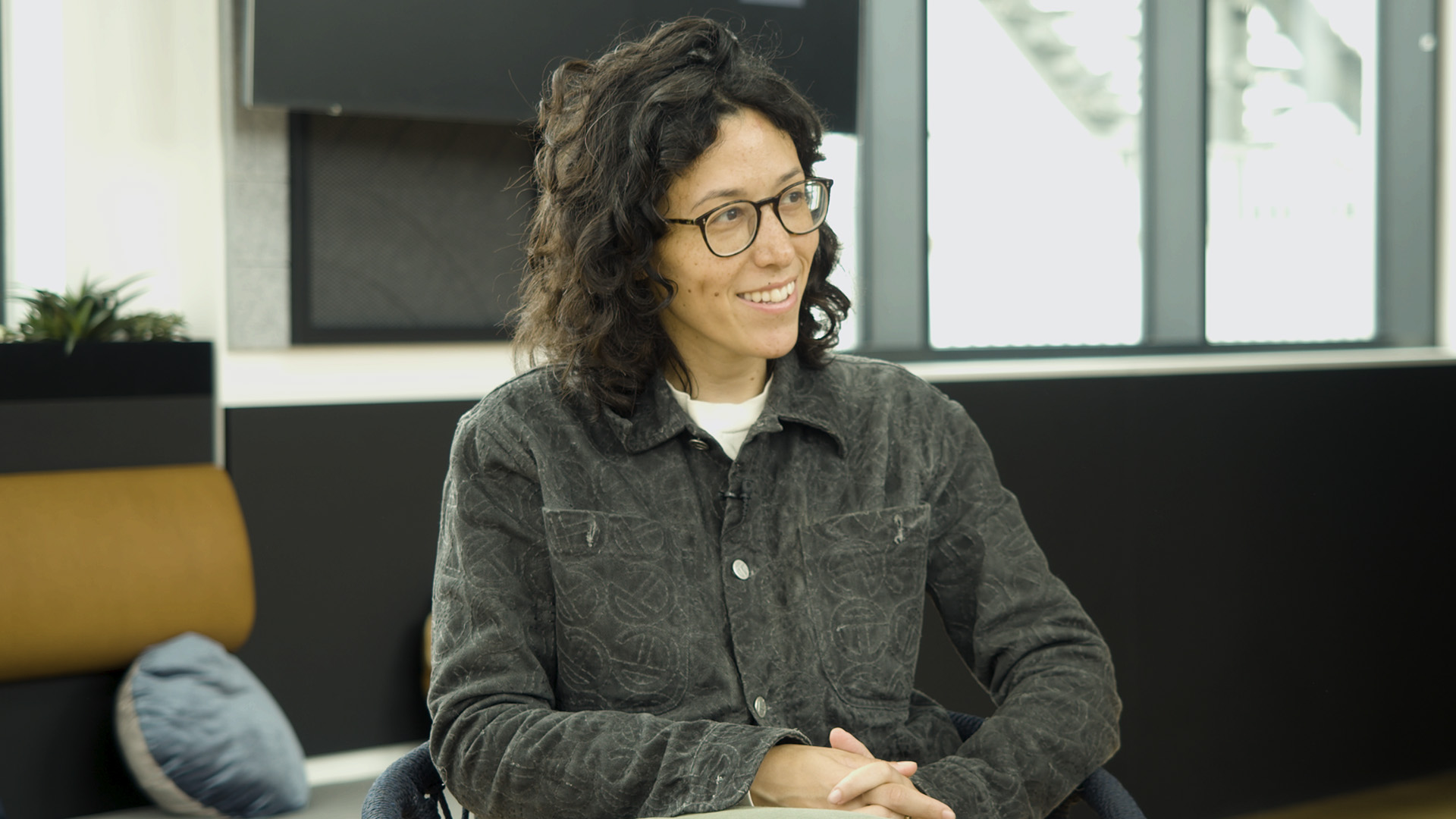
Ariel Wengroff, chief marketing officer at Ledger, engages in a comprehensive conversation with John Furrier of SiliconANGLE Media at Ledger headquarters in Paris. They explore innovations in crypto infrastructure and the company's strategic role in the mainstream adoption of digital assets.
In this insightful session, Wengroff shares expertise in crypto security, discussing Ledger's decade-long journey in securing over 20 percent of global crypto and digital assets. With Furrier from theCUBE Research as a co-host, the discussion delves into Ledger's technology stack, including their proprietary operating system and the widespread adoption of their Ledger Live App.
Key takeaways from the discussion include perspectives on the evolving landscape of digital assets, as highlighted by Wengroff. Topics cover the self-custody movement, advancements in consumer services, and the role of AI in the future of crypto. According to Wengroff, these innovations are crucial in addressing industry challenges and preparing for an exciting digital future.
Forgot Password
Almost there!
We just sent you a verification email. Please verify your account to gain access to
theCUBE + NYSE Wired: Crypto Trailblazers. If you don’t think you received an email check your
spam folder.
Sign in to theCUBE + NYSE Wired: Crypto Trailblazers.
In order to sign in, enter the email address you used to registered for the event. Once completed, you will receive an email with a verification link. Open this link to automatically sign into the site.
Register For theCUBE + NYSE Wired: Crypto Trailblazers
Please fill out the information below. You will recieve an email with a verification link confirming your registration. Click the link to automatically sign into the site.
You’re almost there!
We just sent you a verification email. Please click the verification button in the email. Once your email address is verified, you will have full access to all event content for theCUBE + NYSE Wired: Crypto Trailblazers.
I want my badge and interests to be visible to all attendees.
Checking this box will display your presense on the attendees list, view your profile and allow other attendees to contact you via 1-1 chat. Read the Privacy Policy. At any time, you can choose to disable this preference.
Select your Interests!
add
Upload your photo
Uploading..
OR
Connect via Twitter
Connect via Linkedin
EDIT PASSWORD
Share
Forgot Password
Almost there!
We just sent you a verification email. Please verify your account to gain access to
theCUBE + NYSE Wired: Crypto Trailblazers. If you don’t think you received an email check your
spam folder.
Sign in to theCUBE + NYSE Wired: Crypto Trailblazers.
In order to sign in, enter the email address you used to registered for the event. Once completed, you will receive an email with a verification link. Open this link to automatically sign into the site.
Sign in to gain access to theCUBE + NYSE Wired: Crypto Trailblazers
Please sign in with LinkedIn to continue to theCUBE + NYSE Wired: Crypto Trailblazers. Signing in with LinkedIn ensures a professional environment.
Are you sure you want to remove access rights for this user?
Details
Manage Access
email address
Community Invitation
Ariel Wengroff, Ledger
In this insightful episode of the Crypto Trailblazers series hosted by theCUBE, Mike Cagney of Figure Markets sits down with analysts from theCUBE Research to discuss groundbreaking advancements in blockchain technology and their implications for the finance sector. This video is part of the NYSE Wired digital event, aimed at bridging the gap between Silicon Valley and Wall Street by integrating technology and finance.
Cagney, an eminent figure in fintech, shares expertise on the transformative role of blockchain in financial markets during this interview. Conducted by seasoned analysts at theCUBE, the discussion delves into Figure’s innovative contributions, including their blockchain-native loan origination and securitization process. He outlines how Figure leverages blockchain to achieve cost reductions, enhanced security and improved liquidity in financial transactions.
Key takeaways from the interview highlight insights on the evolution of the Web3 ecosystem, such as the emergence of stablecoins as pivotal to transaction processes and the rise of decentralized finance (DeFi). Oltsik states these developments signify a shift towards democratizing finance, wherein truth and transparency are foundational. The conversation concludes with a look at Figure’s pioneering efforts in creating a new financial marketplace utilizing blockchain technology.
#CryptoTrailblazers #FigureMarkets #BlockchainInnovation #Web3 #NYEWired #BlockchainFinance #DecentralizedFinance #Fintech #Stablecoins
Find more SiliconANGLE news and analysis https://siliconangle.com/.
Follow theCUBE's wall-to-wall event coverage https://siliconangle.com/events/
Learn about the latest theCUBE events https://www.thecube.net/
00:00 - Intro
00:05 - Emerging Innovations in Financial Technology and Market Dynamics
02:45 - Key Elements in Financial Ecosystem Dynamics
06:20 - Blockchain: Truth and Transformation
09:39 - Shaping the Future: Innovations in Financial Markets and Stablecoin Integration
13:15 - Enabling the Future: Navigating Disruptions in Banking and Lending
16:51 - Exploring Opportunities and Building Confidence in the Blockchain Ecosystem
>> Hello, I'm John Furrier with theCUBE. We are here in Paris,
France at the Ledger office, the iconic office overlooking
beautiful landscape of Paris. You can see all the top
things, , Eiffel Tower, everything else. And we're getting all the details on how crypto infrastructure, AI
infrastructure is evolving. Ariel Wengroff is here.
She's the CMO of Ledger. Thanks for spending the time with me.
Ariel Wengroff
>> Thanks for having me.
- So Ledger, first of all, the office here is spectacular. It's iconic because this is where the telecommunications
revolution started in France, so it's got a nice tie-in there. We got a little tour. But you
guys are leading the crypto mainstreaming of commerce, technology. Tell the story about
Ledger here at the office.
Ariel Wengroff
>> Well, yeah, thank you
again for coming today. I mean, what's pretty amazing
is Ledger has actually been around for over a decade. We secure over 20% of global
crypto and digital assets. We have a very strong retail
and institutional business, and it's amazing to be
here at our headquarters because, as you said, this is actually where telecommunications began in France and we're here in the Marais. And what's amazing is Ledger's job is to bring things from
the past to the future. During every technological revolution, there is a new hardware revolution. We started as a hardware
company that was in response to managing your self-custody and dealing with ownership
without giving away control. What's happened over the
decade is people are obviously building with crypto and Bitcoin, and so you need advanced solutions, which is why we've actually
created our own proprietary operating system, which we
use on top of everything. It's almost entirely open source. We work with developers all around the world to build on that. And it's allowed us to create
some of the best products and services in the world. >> And what's interesting
now in the market, I call it the second big
wave of crypto infrastructure because you have decentralization
that's happening, but now you see commerce, you're seeing programmable
money meets financial, institutional, structural change
and it's going mainstream. In the US, companies going public. You're starting to see financial
institutions start to flex and lean into it, although
whether they can be successful, and that's the question. But this new wave and the new brands are emerging,
you guys are one of them. What makes you guys different? Because you have a full stack of tech, you have the proprietary
custody checked off, but you also have a diverse portfolio of technology and products. There's a lot going on. So unpack that. What is the layout of the portfolio and how does that relate to this change that's going on in the market?
Ariel Wengroff
>> Yeah, well, you're right. I mean I would say what's
really exciting about what makes Ledger different
is it's not like selling Coke versus Pepsi. We actually provide the
world's most secure self- custody option for retail and institution. And we kind of offer three
different main products. One is our Ledger signing devices. These allow you to make
a secure authorized and signed transaction
that has Clear Signing, which means you see what you sign because as of now there's
no take back when it comes to Bitcoin and crypto. The second is we have our
consumer services business. So this is where you can
buy, sell, swap, earn, all within the Ledger Live App. On top of that, we also
have our recovery service, which makes it easier to actually
have this one tap recover for self-custody, which
is our Ledger Recovery Key and Ledger Recover subscription service, which actually Ledger Recovery
Key we just announced last week and people are so excited about it. And we have more coming
on that. So stay tuned. And in addition to that, we have a card. So cards are coming up all over in the US and around the world. Ledger actually has a debit card that we have a compatible
card program around. So we offer that in many
countries where we have a 1% Bitcoin cash back option. >> When you say card, you
mean like a credit card?
Ariel Wengroff
>> We have a debit card. And
what's really exciting about it, and especially it's
about to launch in the US and what's amazing is not only do you get 1% cash back in Bitcoin,
which is great, right? That's better than most points. Second, you can actually
direct deposit your paycheck, which is huge. That means for the first time I can choose what does a bank mean today? It's actually the best
app that's on your phone. Ledger wants to be the best premium app for you for these services. And in addition to that,
as we were mentioning before, we also have
our enterprise business. So Ledger provides secure
custody for governance at scale. And I think this is important because you're going
to start to see a world where you have these agentic AI agents that are being integrated
into commerce platforms and they're going to require
some form of a multi-sig, like maybe my kid only has authorized
spend to a certain amount or this AI agent only has authorized spend to a certain amount and
I might have to approve or I might have to say
something is really me. And so that proof of identity, proof of authorization is going
to come in more and more. And you'll see an in-between
from your basic sort of daily retail needs to that full scale global business need. And that's really exciting for us. >> I mean it's almost mind-blowing because what you just touched on
is the consumer problem opportunity, which is people
are afraid to lose their key or, "Hey, how do I hold onto it? Someone's going to steal
it. How do I find it? What if I lose my password or the codes? " And then the enterprise side, you're talking about real
business-to-business activity. You mentioned paycheck deposits. I mean everyone under the age
of 30 pretty much wants this.
Ariel Wengroff
>> 100%. We're going through this once in a
generation revolution where you have a
digitization of all value. And so we're in the same
transition in the last generation of this to this for talking on the phone. Now it's what app on my
phone is the best bank today? And it doesn't have to
mean the same thing. And not everyone will use
one thing for everything. So we want to be able to
be that nimble solution. And self-custody has been
challenging in the past for people, which is why a
lot of people use exchanges but don't understand
that they don't actually own their assets. We want them to own them, to
have full choice and control. And we'll continue to build
our own proprietary technology that enables that at scale. >> You know what's interesting
is when I talk to people, there's two types of camps, is the I missed the Bitcoin wave. No, no, it's still here. It's not over. Because the ones that
did get in, they'd go to a Coinbase, go to an exchange. It's just centralized
location of services. You guys have made it completely. So this is where users are in control. That's a huge deal right now. We're seeing the market shift there. Talk about that dynamic. I think this is where we're going to see, at least from our reporting,
mainstream adoption because once people realize it's as easy as using an online app for a bank and that there's an
operating system behind, there's a tech stack,
talk about that transition because the market's not going to change. You got stable coins
emerging, you have all kinds of new things that are evolving. What does it mean to the
consumer that's watching, "Hey, I have an account, I got a Schwab account, I got a Fidelity account,
I got all these services, I got mutual funds, I'm
in the money market. I'm speculating on
stocks. Why not crypto?"
Ariel Wengroff
>> And I would say self-custody
is often misunderstood. It comes from a background
of seeming harder to use and more challenging. The reality is with the Ledger Live App, you can do everything you
would do on an exchange and still have what
self-custody truly means, which is just ownership and control. And now it's so easy actually
to use it within the app. And I would say for
mainstream adoption, 28% of Americans today have
Bitcoin, 14% are likely to join in the next year,
which means by the end of 2026 you're looking at one in two Americans having Bitcoin. That means that they're going
to be looking for an array of great solutions and
they're going to want things where they might be offered
an ETF through a Fidelity, through a Charles Schwab,
something of that nature. But instead of just picking
that, some might do that, but some might also say,
"Oh, I actually want to have control over this
because I can make great value. Why should I be paying a fee to a bank or to a service that I
don't need to? I could be-" >> Or I can lever the Bitcoin.
Ariel Wengroff
>> Yes, 100%. You can stake it. >> There's services out there that are coming online, staking the coin. People tend to have
this image like, "Okay, what if someone home invades me, forces me to get my password? Or what if I lose it? What
if I forget the password? " How does this self-recovery...
talk about that dynamic? I think this is the misperception out there, the ease of use. Talk about the ease of use?
And then how do I get Ledger?
Ariel Wengroff
>> Yeah, I mean two
things. One, if you want to get a Ledger, you
can just go to Ledger. com. Also, if you're in the states, which I assume most people
are who will be watching this, we sell at Best Buy and there's a Best Buy 15
minutes drive from any single American in the entire country. So if you'd prefer to
get it that way, you can. Otherwise, you can just go to Ledger.com. Second, I would say every
day there are home invasions. There's phishing attempts. I have to get 15 text message
of codes to log into any app that exists in the world today. So crypto is no different than that. It's just something
that I think people like to ascribe a certain sort attitude around. I would say in terms of recovery,
with Ledger Recovery Key, you'll be able to actually create a backup of your secret recovery phrase. So it shouldn't substitute the
written thing you write down, but we first and foremost understand it's
unrealistic to keep a piece of paper for 100 years, and so you need a different
secure solution for that. And second, if you want
something that's even more sort of an additional layer,
you can get Ledger Recover, which we do in partnership with CoinCover. You'll be able to provide your identity, you do a paid subscription service, but then you can always get it back. >> In 2014, I was trying to find my Bitcoin, I'm
like, "It's somewhere. " I was going through all the hard drives. People lose things all the
time. So that's a factor. Talk about how you guys
solve that problem.
Ariel Wengroff
>> Well, if you lose something,
so if you lose a Ledger, actually as long as you have
your secret recovery phrase, you can just buy a new one and set it up. It's called restore. And
actually it's amazing. If that ledger down there was yours, I could leave it here,
I could forget about it. Doesn't matter. I can get a new one. That's a huge misconception. The second would be what I mentioned before about ledger recover and ledger recovery services
in terms of replacement and making sure you don't feel so reliant on the piece of paper. And the third is you're going
to continue to see easier and easier ways to use
these types of products and services over time. And that's why we've
recently made a partnership announcement with the San Antonio Spurs. Part of why we did that is because they have one of the
youngest teams, French history, but also Texas per capita has some of the most college
students in the country. These are individuals that are
learning what is the future of digital financial literacy? How should I be thinking
about what I control, what I have access to? And when you're using the internet, you live in a globalist world. You are fully in the internet,
which doesn't have borders. And so we want to make sure that we're providing a financial future
for the next generation that actually encompasses
things they need. >> Yeah, it's going to be amazing. I think the TAM, the total addressable market's massive for you. Can you speak to the opportunity because again, anyone under the age of 30 will probably
want this, will have it? Older folks will want it too because they have wealth,
they want to store that value in Bitcoin. Certainly we're seeing
that in the financial markets with the IPOs. Talk about the TAM and
how you guys are attacking that in terms of educating folks and what are you guys doing?
Ariel Wengroff
>> Well, what's interesting
is Ledger, as I mentioned, secures over 20% of global crypto. And what that means is we have some of the highest net worth
users in the world. Now, what that continues to say about us is we will always want to lean towards premium. It's easier to start as
premium, it's harder, but it's better to start premium and then have choice afterwards. But on top of that, that means that we've sold about 8 million devices. And so there's a huge
opportunity for us in terms of you have probably
about 450 million crypto users in America. You have about a billion
people around the world that have interacted with crypto in some capacity, and you have about 6. 5 billion people who
actually have a smartphone. So if you think about the trajectory of people using the internet,
people getting a smartphone, people thinking this would be
a part of their daily life, then you think about that now with crypto. Okay, we've got 8 million devices sold, we've got about 400
million in crypto in the US and we've got so much more coming. So it's a pretty incredible TAM for Ledger and it shows the opportunity
ahead for the business. >> Well, you guys have a great strategy. I love the fact that
you've got the enterprise and the consumer and the tech stack and you have the operating system. As you look at the market ecosystems, and partnerships are big. You mentioned the Spurs obviously that's great for distribution. What kind of ecosystem do you
guys see Ledger developing and investing in? What's the plan? What are
you guys optimizing for?
Ariel Wengroff
>> Well, we continue to
really invest in Ledger Live. Instead of it being, "I learned
about Crypto, I bought some, I realized it could be scary,
maybe I should get a Ledger, " we're really pushing more towards, "I'm interested in getting some crypto. I should get a Ledger
because it gives me access to the best ecosystem through Ledger Live. I have the best exchange
partners in there. I can do my taxes, I can
spend on my crypto card. My entire world is in my Ledger and I'm going to continue
to invest and build on that. " And we're optimizing for
exchange partners to be able to make that the true
existence for new customers. >> Ariel, one of the things
that's happening in the world, I'd say old way, new way, go
back a few, only five years or so, even more, but the
AI wave is forcing people to rethink what they have, whether it's a point
solution, best of breed. You start to see Platformization happen. You guys have taken that
system view, which is cool. As you look at this system
effect, the platformization, everyone's thinking about this. You guys had come out, how do you guys compare versus
other solutions out there? Because there's point
solutions, there's typical best of breed, but if it's not
integrated, there are challenges. How do you guys relate
to those competitors and other approaches? How would you speak to that
from an opportunity standpoint? Or give people confidence that,
hey, the system's approach is different and why it's
different, what are the benefits?
Ariel Wengroff
>> There's two factors. One
is we've built with security as the underpinning of everything we do. So the secure element technology
in our device is in the credit card and passport that you carry with you on a daily basis
or on a regular basis. And that's what we use to
the secure screen technology. So AI and crypto actually go hand in hand. They're sort of yin and yang. AI creates abundance and
crypto gives scarcity. So you're going to actually need more and more, I'm proving who I am. I prove I signed that transaction. I prove that this is me on a dating app. I prove this is me applying to college. And so Ledger will be able to
actually provide that proof of you for these types of experiences. And then in the future, there's a lot of conversations about AI and quantum and being a part of actually
giving your value to a system that's quantum-ready. Ledger is already
preparing for this future. And so I would say we're one
of the most technologically advanced out there and we
won't compromise on advancement to forego security. And so users can always
feel confident that that's the most important thing that we'll be putting forward,
which really does set us apart because others are
actually making sacrifices for user adoption, but that's short-term churn
versus a long-term business. >> Got it. And the other
thing that's interesting is that the best companies on
the AI side are investing heavily in R&D. You guys have a R&D culture here. Speak to what you guys are doing there, what's the mindset, what's the focus?
Ariel Wengroff
>> I mean, our Ledger
engineering team is incredible. They actually tend to be mainly French because as I mentioned,
the French have a strong history in security engineering.
Ariel Wengroff
>> Engineering.
- And R&D is a really important piece of what we do. Tony Fidel who invented the iPod, invented Ledger Stax, is on our board. We announced that at the end of 2024. And the way we think about R&D is what actually do users need? Not what would seem like the sexiest thing to sell immediate devices, but
what's really a pain-killer. And from an R&D perspective
as well, we're always thinking what can the chip do that others wouldn't
think about going forward? And so we'll always kind of
keep that vertical importance as we're thinking about
the future of innovation, but really looking at continuing to build secure services and identity. >> It's interesting, when
I interview companies, it's always they get to a spot and sometimes it's not what you thought. You guys started with the
hardware security first and then now you have the system.
Ariel Wengroff
>> But I think you had to
start there for Ledger because what Ledger was
created in response to was that there was no hardware
to secure a new technology that was really created in response to the 2008 financial crisis. And that's why our CTO in 2017
actually created the Ledger Donjon, which is really amazing because it's a team of white
hat hackers that actually work to not only protect Ledger, but the whole ecosystem at large. And so we really look at it as software is constantly an iteration. Security is never static. So you actually need a physical device that separates from the
internet to make sure that your secret recovery
phrase is maintained. Otherwise, actually, anything that you're doing going
forward has no chance. >> And people can find out more here. You guys have invested in content. One of the things I like about
Ledger, besides the cool tech and the ease of use piece,
which I think you're nailing, is you have a content farm here. You guys are banging out a lot of content. Give a plug for what
you guys have out there. I know you've got the
podcast, multiple studios, you got a great office here. It's like a studio itself.
Ariel Wengroff
>> It's basically like a studio. I mean, my background comes
from being at Vice and in media. We have a great team. Shout out to Moe, who actually
built our Ledger Academy, which is now the number three
education platform globally for crypto and digital asset education. It's all free. You can
go to Ledger Academy and learn every single
day for something new. But you can also find us
TikTok, Instagram, podcasts, anywhere that you might want to consume something in
your native language, you can probably find the
best in the world from Ledger. >> You guys got a lot of superstars here. It's great to have that content
out there. It's all free.
Ariel Wengroff
>> Yes, all free. >> And easy to consume. Okay. Going forward, what's the plans for you as you look at this year, the second half of the year's coming up,
we're kind of at the midpoint? What's happened with Ledger and what's on the docket for
the second half of the year?
Ariel Wengroff
>> Well, we're really excited
that we're making security and ease of use finally felt together. I mean, bringing Ledger
Flex to the forefront, we launched it last year
and seeing that adoption and now having Clear Signing and Transaction Check, which checks for malicious transactions
is a huge win for us. On top of the fact that
we recently disclosed that almost 50% of our revenue at this point actually comes from consumer services. So that Ledger Live App is truly working. In H2, I would say this
is an institutional year. We're really excited by the conversations and deals that we're having
with our enterprise business and we have some very exciting
announcements coming at Ledger Open in October, so definitely stay tuned for that here. >> Where's that going to be? Here?
Ariel Wengroff
>> That's going to be right
here at Ledger headquarters in Paris and we hope to have you back. >> All right, final question folks. Watching, I'm motivated,
I'd like to work for Ledger, but I've got a day job at
theCUBE and SiliconANGLE. A new generation's
onboarding into this world. Skills from engineering
to I want to join Ledger. What are you guys looking for and how do people get involved? How do I learn? Obviously get the Academy. Are you guys hiring?
Put a plug in for Ledger and how do people lean
in and take advantage because new brands are going
to emerge, opportunities for entrepreneurs, opportunity for businesses? How do I get involved?
Ariel Wengroff
>> 100%. I mean Ledger is hiring. We're hiring in Paris, we're
hiring all over America. We're hiring in other countries. Definitely check out our employment page. We're looking for people who
really are deeply curious and are learning every week. I mean, our space changes all the time. I'm teaching myself how
to code. I'm not a coder. I want to know, I want to keep up. We want that type of energy. You're a hustle culture and
I always say you should want to feel like a founder in your role. You should feel comfortable enough to pick up the Coke can on the ground and make your own deck,
but also empowered enough to see a lane that we can run with and that you want to bring and leave as your legacy in the business. Those are the types of
people that we want to hire. >> That's awesome.
Problem-solving, creative.
Ariel Wengroff
>> 100%.
- AIs help too, the vibe coding and all kinds of ways to
code. It's so easy now.
Ariel Wengroff
>> And I think the other thing
to remember is we have a huge developer platform. I mean we have a developer ecosystem where you can build on Ledger. Every app has a security
review before it goes live. So you might not be
working in the building, but you might be building a better future for millions of people out there. And that's a great way
to also participate. >> So is there like an app store?
Ariel Wengroff
>> In Ledger Live, we have
a whole discover section where we have tons of
different apps of folks who have really built amazing experiences for users today in digital assets. >> All right. Developers out
there, a lot of opportunities. And again, the mainstreaming
of crypto infrastructure as AI and crypto come together, you're starting to see real structural change
move to digital currency. Of course, theCUBE and SiliconANGLE's doing its best to help you understand that. I'm John Furrier. Thanks for watching.
>> Hello, I'm John Furrier with theCUBE. We are here in Paris,
France at the Ledger office, the iconic office overlooking
beautiful landscape of Paris. You can see all the top
things, , Eiffel Tower, everything else. And we're getting all the details on how crypto infrastructure, AI
infrastructure is evolving. Ariel Wengroff is here.
She's the CMO of Ledger. Thanks for spending the time with me.
Ariel Wengroff
>> Thanks for having me.
- So Ledger, first of all, the office here is spectacular. It's iconic because this is where the telecommunications
revolution started in France, so it's got a nice tie-in there. We got a little tour. But you
guys are leading the crypto mainstreaming of commerce, technology. Tell the story about
Ledger here at the office.
Ariel Wengroff
>> Well, yeah, thank you
again for coming today. I mean, what's pretty amazing
is Ledger has actually been around for over a decade. We secure over 20% of global
crypto and digital assets. We have a very strong retail
and institutional business, and it's amazing to be
here at our headquarters because, as you said, this is actually where telecommunications began in France and we're here in the Marais. And what's amazing is Ledger's job is to bring things from
the past to the future. During every technological revolution, there is a new hardware revolution. We started as a hardware
company that was in response to managing your self-custody and dealing with ownership
without giving away control. What's happened over the
decade is people are obviously building with crypto and Bitcoin, and so you need advanced solutions, which is why we've actually
created our own proprietary operating system, which we
use on top of everything. It's almost entirely open source. We work with developers all around the world to build on that. And it's allowed us to create
some of the best products and services in the world. >> And what's interesting
now in the market, I call it the second big
wave of crypto infrastructure because you have decentralization
that's happening, but now you see commerce, you're seeing programmable
money meets financial, institutional, structural change
and it's going mainstream. In the US, companies going public. You're starting to see financial
institutions start to flex and lean into it, although
whether they can be successful, and that's the question. But this new wave and the new brands are emerging,
you guys are one of them. What makes you guys different? Because you have a full stack of tech, you have the proprietary
custody checked off, but you also have a diverse portfolio of technology and products. There's a lot going on. So unpack that. What is the layout of the portfolio and how does that relate to this change that's going on in the market?
Ariel Wengroff
>> Yeah, well, you're right. I mean I would say what's
really exciting about what makes Ledger different
is it's not like selling Coke versus Pepsi. We actually provide the
world's most secure self- custody option for retail and institution. And we kind of offer three
different main products. One is our Ledger signing devices. These allow you to make
a secure authorized and signed transaction
that has Clear Signing, which means you see what you sign because as of now there's
no take back when it comes to Bitcoin and crypto. The second is we have our
consumer services business. So this is where you can
buy, sell, swap, earn, all within the Ledger Live App. On top of that, we also
have our recovery service, which makes it easier to actually
have this one tap recover for self-custody, which
is our Ledger Recovery Key and Ledger Recover subscription service, which actually Ledger Recovery
Key we just announced last week and people are so excited about it. And we have more coming
on that. So stay tuned. And in addition to that, we have a card. So cards are coming up all over in the US and around the world. Ledger actually has a debit card that we have a compatible
card program around. So we offer that in many
countries where we have a 1% Bitcoin cash back option. >> When you say card, you
mean like a credit card?
Ariel Wengroff
>> We have a debit card. And
what's really exciting about it, and especially it's
about to launch in the US and what's amazing is not only do you get 1% cash back in Bitcoin,
which is great, right? That's better than most points. Second, you can actually
direct deposit your paycheck, which is huge. That means for the first time I can choose what does a bank mean today? It's actually the best
app that's on your phone. Ledger wants to be the best premium app for you for these services. And in addition to that,
as we were mentioning before, we also have
our enterprise business. So Ledger provides secure
custody for governance at scale. And I think this is important because you're going
to start to see a world where you have these agentic AI agents that are being integrated
into commerce platforms and they're going to require
some form of a multi-sig, like maybe my kid only has authorized
spend to a certain amount or this AI agent only has authorized spend to a certain amount and
I might have to approve or I might have to say
something is really me. And so that proof of identity, proof of authorization is going
to come in more and more. And you'll see an in-between
from your basic sort of daily retail needs to that full scale global business need. And that's really exciting for us. >> I mean it's almost mind-blowing because what you just touched on
is the consumer problem opportunity, which is people
are afraid to lose their key or, "Hey, how do I hold onto it? Someone's going to steal
it. How do I find it? What if I lose my password or the codes? " And then the enterprise side, you're talking about real
business-to-business activity. You mentioned paycheck deposits. I mean everyone under the age
of 30 pretty much wants this.
Ariel Wengroff
>> 100%. We're going through this once in a
generation revolution where you have a
digitization of all value. And so we're in the same
transition in the last generation of this to this for talking on the phone. Now it's what app on my
phone is the best bank today? And it doesn't have to
mean the same thing. And not everyone will use
one thing for everything. So we want to be able to
be that nimble solution. And self-custody has been
challenging in the past for people, which is why a
lot of people use exchanges but don't understand
that they don't actually own their assets. We want them to own them, to
have full choice and control. And we'll continue to build
our own proprietary technology that enables that at scale. >> You know what's interesting
is when I talk to people, there's two types of camps, is the I missed the Bitcoin wave. No, no, it's still here. It's not over. Because the ones that
did get in, they'd go to a Coinbase, go to an exchange. It's just centralized
location of services. You guys have made it completely. So this is where users are in control. That's a huge deal right now. We're seeing the market shift there. Talk about that dynamic. I think this is where we're going to see, at least from our reporting,
mainstream adoption because once people realize it's as easy as using an online app for a bank and that there's an
operating system behind, there's a tech stack,
talk about that transition because the market's not going to change. You got stable coins
emerging, you have all kinds of new things that are evolving. What does it mean to the
consumer that's watching, "Hey, I have an account, I got a Schwab account, I got a Fidelity account,
I got all these services, I got mutual funds, I'm
in the money market. I'm speculating on
stocks. Why not crypto?"
Ariel Wengroff
>> And I would say self-custody
is often misunderstood. It comes from a background
of seeming harder to use and more challenging. The reality is with the Ledger Live App, you can do everything you
would do on an exchange and still have what
self-custody truly means, which is just ownership and control. And now it's so easy actually
to use it within the app. And I would say for
mainstream adoption, 28% of Americans today have
Bitcoin, 14% are likely to join in the next year,
which means by the end of 2026 you're looking at one in two Americans having Bitcoin. That means that they're going
to be looking for an array of great solutions and
they're going to want things where they might be offered
an ETF through a Fidelity, through a Charles Schwab,
something of that nature. But instead of just picking
that, some might do that, but some might also say,
"Oh, I actually want to have control over this
because I can make great value. Why should I be paying a fee to a bank or to a service that I
don't need to? I could be-" >> Or I can lever the Bitcoin.
Ariel Wengroff
>> Yes, 100%. You can stake it. >> There's services out there that are coming online, staking the coin. People tend to have
this image like, "Okay, what if someone home invades me, forces me to get my password? Or what if I lose it? What
if I forget the password? " How does this self-recovery...
talk about that dynamic? I think this is the misperception out there, the ease of use. Talk about the ease of use?
And then how do I get Ledger?
Ariel Wengroff
>> Yeah, I mean two
things. One, if you want to get a Ledger, you
can just go to Ledger. com. Also, if you're in the states, which I assume most people
are who will be watching this, we sell at Best Buy and there's a Best Buy 15
minutes drive from any single American in the entire country. So if you'd prefer to
get it that way, you can. Otherwise, you can just go to Ledger.com. Second, I would say every
day there are home invasions. There's phishing attempts. I have to get 15 text message
of codes to log into any app that exists in the world today. So crypto is no different than that. It's just something
that I think people like to ascribe a certain sort attitude around. I would say in terms of recovery,
with Ledger Recovery Key, you'll be able to actually create a backup of your secret recovery phrase. So it shouldn't substitute the
written thing you write down, but we first and foremost understand it's
unrealistic to keep a piece of paper for 100 years, and so you need a different
secure solution for that. And second, if you want
something that's even more sort of an additional layer,
you can get Ledger Recover, which we do in partnership with CoinCover. You'll be able to provide your identity, you do a paid subscription service, but then you can always get it back. >> In 2014, I was trying to find my Bitcoin, I'm
like, "It's somewhere. " I was going through all the hard drives. People lose things all the
time. So that's a factor. Talk about how you guys
solve that problem.
Ariel Wengroff
>> Well, if you lose something,
so if you lose a Ledger, actually as long as you have
your secret recovery phrase, you can just buy a new one and set it up. It's called restore. And
actually it's amazing. If that ledger down there was yours, I could leave it here,
I could forget about it. Doesn't matter. I can get a new one. That's a huge misconception. The second would be what I mentioned before about ledger recover and ledger recovery services
in terms of replacement and making sure you don't feel so reliant on the piece of paper. And the third is you're going
to continue to see easier and easier ways to use
these types of products and services over time. And that's why we've
recently made a partnership announcement with the San Antonio Spurs. Part of why we did that is because they have one of the
youngest teams, French history, but also Texas per capita has some of the most college
students in the country. These are individuals that are
learning what is the future of digital financial literacy? How should I be thinking
about what I control, what I have access to? And when you're using the internet, you live in a globalist world. You are fully in the internet,
which doesn't have borders. And so we want to make sure that we're providing a financial future
for the next generation that actually encompasses
things they need. >> Yeah, it's going to be amazing. I think the TAM, the total addressable market's massive for you. Can you speak to the opportunity because again, anyone under the age of 30 will probably
want this, will have it? Older folks will want it too because they have wealth,
they want to store that value in Bitcoin. Certainly we're seeing
that in the financial markets with the IPOs. Talk about the TAM and
how you guys are attacking that in terms of educating folks and what are you guys doing?
Ariel Wengroff
>> Well, what's interesting
is Ledger, as I mentioned, secures over 20% of global crypto. And what that means is we have some of the highest net worth
users in the world. Now, what that continues to say about us is we will always want to lean towards premium. It's easier to start as
premium, it's harder, but it's better to start premium and then have choice afterwards. But on top of that, that means that we've sold about 8 million devices. And so there's a huge
opportunity for us in terms of you have probably
about 450 million crypto users in America. You have about a billion
people around the world that have interacted with crypto in some capacity, and you have about 6. 5 billion people who
actually have a smartphone. So if you think about the trajectory of people using the internet,
people getting a smartphone, people thinking this would be
a part of their daily life, then you think about that now with crypto. Okay, we've got 8 million devices sold, we've got about 400
million in crypto in the US and we've got so much more coming. So it's a pretty incredible TAM for Ledger and it shows the opportunity
ahead for the business. >> Well, you guys have a great strategy. I love the fact that
you've got the enterprise and the consumer and the tech stack and you have the operating system. As you look at the market ecosystems, and partnerships are big. You mentioned the Spurs obviously that's great for distribution. What kind of ecosystem do you
guys see Ledger developing and investing in? What's the plan? What are
you guys optimizing for?
Ariel Wengroff
>> Well, we continue to
really invest in Ledger Live. Instead of it being, "I learned
about Crypto, I bought some, I realized it could be scary,
maybe I should get a Ledger, " we're really pushing more towards, "I'm interested in getting some crypto. I should get a Ledger
because it gives me access to the best ecosystem through Ledger Live. I have the best exchange
partners in there. I can do my taxes, I can
spend on my crypto card. My entire world is in my Ledger and I'm going to continue
to invest and build on that. " And we're optimizing for
exchange partners to be able to make that the true
existence for new customers. >> Ariel, one of the things
that's happening in the world, I'd say old way, new way, go
back a few, only five years or so, even more, but the
AI wave is forcing people to rethink what they have, whether it's a point
solution, best of breed. You start to see Platformization happen. You guys have taken that
system view, which is cool. As you look at this system
effect, the platformization, everyone's thinking about this. You guys had come out, how do you guys compare versus
other solutions out there? Because there's point
solutions, there's typical best of breed, but if it's not
integrated, there are challenges. How do you guys relate
to those competitors and other approaches? How would you speak to that
from an opportunity standpoint? Or give people confidence that,
hey, the system's approach is different and why it's
different, what are the benefits?
Ariel Wengroff
>> There's two factors. One
is we've built with security as the underpinning of everything we do. So the secure element technology
in our device is in the credit card and passport that you carry with you on a daily basis
or on a regular basis. And that's what we use to
the secure screen technology. So AI and crypto actually go hand in hand. They're sort of yin and yang. AI creates abundance and
crypto gives scarcity. So you're going to actually need more and more, I'm proving who I am. I prove I signed that transaction. I prove that this is me on a dating app. I prove this is me applying to college. And so Ledger will be able to
actually provide that proof of you for these types of experiences. And then in the future, there's a lot of conversations about AI and quantum and being a part of actually
giving your value to a system that's quantum-ready. Ledger is already
preparing for this future. And so I would say we're one
of the most technologically advanced out there and we
won't compromise on advancement to forego security. And so users can always
feel confident that that's the most important thing that we'll be putting forward,
which really does set us apart because others are
actually making sacrifices for user adoption, but that's short-term churn
versus a long-term business. >> Got it. And the other
thing that's interesting is that the best companies on
the AI side are investing heavily in R&D. You guys have a R&D culture here. Speak to what you guys are doing there, what's the mindset, what's the focus?
Ariel Wengroff
>> I mean, our Ledger
engineering team is incredible. They actually tend to be mainly French because as I mentioned,
the French have a strong history in security engineering.
Ariel Wengroff
>> Engineering.
- And R&D is a really important piece of what we do. Tony Fidel who invented the iPod, invented Ledger Stax, is on our board. We announced that at the end of 2024. And the way we think about R&D is what actually do users need? Not what would seem like the sexiest thing to sell immediate devices, but
what's really a pain-killer. And from an R&D perspective
as well, we're always thinking what can the chip do that others wouldn't
think about going forward? And so we'll always kind of
keep that vertical importance as we're thinking about
the future of innovation, but really looking at continuing to build secure services and identity. >> It's interesting, when
I interview companies, it's always they get to a spot and sometimes it's not what you thought. You guys started with the
hardware security first and then now you have the system.
Ariel Wengroff
>> But I think you had to
start there for Ledger because what Ledger was
created in response to was that there was no hardware
to secure a new technology that was really created in response to the 2008 financial crisis. And that's why our CTO in 2017
actually created the Ledger Donjon, which is really amazing because it's a team of white
hat hackers that actually work to not only protect Ledger, but the whole ecosystem at large. And so we really look at it as software is constantly an iteration. Security is never static. So you actually need a physical device that separates from the
internet to make sure that your secret recovery
phrase is maintained. Otherwise, actually, anything that you're doing going
forward has no chance. >> And people can find out more here. You guys have invested in content. One of the things I like about
Ledger, besides the cool tech and the ease of use piece,
which I think you're nailing, is you have a content farm here. You guys are banging out a lot of content. Give a plug for what
you guys have out there. I know you've got the
podcast, multiple studios, you got a great office here. It's like a studio itself.
Ariel Wengroff
>> It's basically like a studio. I mean, my background comes
from being at Vice and in media. We have a great team. Shout out to Moe, who actually
built our Ledger Academy, which is now the number three
education platform globally for crypto and digital asset education. It's all free. You can
go to Ledger Academy and learn every single
day for something new. But you can also find us
TikTok, Instagram, podcasts, anywhere that you might want to consume something in
your native language, you can probably find the
best in the world from Ledger. >> You guys got a lot of superstars here. It's great to have that content
out there. It's all free.
Ariel Wengroff
>> Yes, all free. >> And easy to consume. Okay. Going forward, what's the plans for you as you look at this year, the second half of the year's coming up,
we're kind of at the midpoint? What's happened with Ledger and what's on the docket for
the second half of the year?
Ariel Wengroff
>> Well, we're really excited
that we're making security and ease of use finally felt together. I mean, bringing Ledger
Flex to the forefront, we launched it last year
and seeing that adoption and now having Clear Signing and Transaction Check, which checks for malicious transactions
is a huge win for us. On top of the fact that
we recently disclosed that almost 50% of our revenue at this point actually comes from consumer services. So that Ledger Live App is truly working. In H2, I would say this
is an institutional year. We're really excited by the conversations and deals that we're having
with our enterprise business and we have some very exciting
announcements coming at Ledger Open in October, so definitely stay tuned for that here. >> Where's that going to be? Here?
Ariel Wengroff
>> That's going to be right
here at Ledger headquarters in Paris and we hope to have you back. >> All right, final question folks. Watching, I'm motivated,
I'd like to work for Ledger, but I've got a day job at
theCUBE and SiliconANGLE. A new generation's
onboarding into this world. Skills from engineering
to I want to join Ledger. What are you guys looking for and how do people get involved? How do I learn? Obviously get the Academy. Are you guys hiring?
Put a plug in for Ledger and how do people lean
in and take advantage because new brands are going
to emerge, opportunities for entrepreneurs, opportunity for businesses? How do I get involved?
Ariel Wengroff
>> 100%. I mean Ledger is hiring. We're hiring in Paris, we're
hiring all over America. We're hiring in other countries. Definitely check out our employment page. We're looking for people who
really are deeply curious and are learning every week. I mean, our space changes all the time. I'm teaching myself how
to code. I'm not a coder. I want to know, I want to keep up. We want that type of energy. You're a hustle culture and
I always say you should want to feel like a founder in your role. You should feel comfortable enough to pick up the Coke can on the ground and make your own deck,
but also empowered enough to see a lane that we can run with and that you want to bring and leave as your legacy in the business. Those are the types of
people that we want to hire. >> That's awesome.
Problem-solving, creative.
Ariel Wengroff
>> 100%.
- AIs help too, the vibe coding and all kinds of ways to
code. It's so easy now.
Ariel Wengroff
>> And I think the other thing
to remember is we have a huge developer platform. I mean we have a developer ecosystem where you can build on Ledger. Every app has a security
review before it goes live. So you might not be
working in the building, but you might be building a better future for millions of people out there. And that's a great way
to also participate. >> So is there like an app store?
Ariel Wengroff
>> In Ledger Live, we have
a whole discover section where we have tons of
different apps of folks who have really built amazing experiences for users today in digital assets. >> All right. Developers out
there, a lot of opportunities. And again, the mainstreaming
of crypto infrastructure as AI and crypto come together, you're starting to see real structural change
move to digital currency. Of course, theCUBE and SiliconANGLE's doing its best to help you understand that. I'm John Furrier. Thanks for watching.