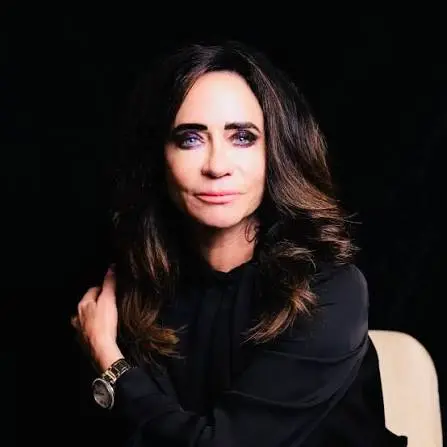
Jodi Shelton of Global Semiconductor Alliance, co-founder and chief executive officer, joins John Furrier of theCUBE Research and Dave Vellante of theCUBE Research to examine the evolving semiconductor ecosystem and the emergence of artificial intelligence factories. Shelton discusses the shift from fabless models to system-level design, the importance of global ecosystem collaboration, and Global Semiconductor Alliance programs such as the executive accelerator that strengthen leadership diversity. They describe how AI factories and infrastructure reshape chip design and production and how AI-driven chip design increases demand on fabrication facilities.
The conversation highlights how semiconductors move from discrete components to integrated systems and why deeper ecosystem cooperation and global engagement are essential. The hosts note that AI factories create urgent industry needs around data, tooling, scale and cross-industry partnerships. The discussion addresses factors to consider for industry leadership, supply chain resilience and innovation in chip design and manufacturing.
For additional insights subscribe to theCUBE Research and follow Global Semiconductor Alliance programs for updates on industry initiatives, research and events.
Forgot Password
Almost there!
We just sent you a verification email. Please verify your account to gain access to
theCUBE + NYSE Wired: The AI Factory - Data Center of the Future. If you don’t think you received an email check your
spam folder.
Sign in to AI Factories - Data Centers of the Future.
In order to sign in, enter the email address you used to registered for the event. Once completed, you will receive an email with a verification link. Open the link to automatically sign into the site.
Register for AI Factories - Data Centers of the Future
Please fill out the information below. You will receive an email with a verification link confirming your registration. Click the link to automatically sign into the site.
You’re almost there!
We just sent you a verification email. Please click the verification button in the email. Once your email address is verified, you will have full access to all event content for AI Factories - Data Centers of the Future.
I want my badge and interests to be visible to all attendees.
Checking this box will display your presense on the attendees list, view your profile and allow other attendees to contact you via 1-1 chat. Read the Privacy Policy. At any time, you can choose to disable this preference.
Select your Interests!
add
Upload your photo
Uploading..
OR
Connect via Twitter
Connect via Linkedin
EDIT PASSWORD
Share
Forgot Password
Almost there!
We just sent you a verification email. Please verify your account to gain access to
theCUBE + NYSE Wired: The AI Factory - Data Center of the Future. If you don’t think you received an email check your
spam folder.
Sign in to AI Factories - Data Centers of the Future.
In order to sign in, enter the email address you used to registered for the event. Once completed, you will receive an email with a verification link. Open the link to automatically sign into the site.
Sign in to gain access to theCUBE + NYSE Wired: The AI Factory - Data Center of the Future
Please sign in with LinkedIn to continue to theCUBE + NYSE Wired: The AI Factory - Data Center of the Future. Signing in with LinkedIn ensures a professional environment.
Are you sure you want to remove access rights for this user?
Details
Manage Access
email address
Community Invitation
Jodi Shelton, GSA
Jodi Shelton of Global Semiconductor Alliance, co-founder and chief executive officer, joins John Furrier of theCUBE Research and Dave Vellante of theCUBE Research to examine the evolving semiconductor ecosystem and the emergence of artificial intelligence factories. Shelton discusses the shift from fabless models to system-level design, the importance of global ecosystem collaboration, and Global Semiconductor Alliance programs such as the executive accelerator that strengthen leadership diversity. They describe how AI factories and infrastructure reshape chip design and production and how AI-driven chip design increases demand on fabrication facilities.
The conversation highlights how semiconductors move from discrete components to integrated systems and why deeper ecosystem cooperation and global engagement are essential. The hosts note that AI factories create urgent industry needs around data, tooling, scale and cross-industry partnerships. The discussion addresses factors to consider for industry leadership, supply chain resilience and innovation in chip design and manufacturing.
For additional insights subscribe to theCUBE Research and follow Global Semiconductor Alliance programs for updates on industry initiatives, research and events.
>> Palo Alto Studio Connection, Silicon Valley and Wall Street. I'm John Furrier, co-host of theCUBE here with Dave Vellante, my co-host. Hello, I'm John Furrier, host of theCUBE. We are here in theCUBE's NYSE studio, of course, with our Palo Alto Studio connecting Silicon Valley to Wall Street. This is part of our NYSE Wired program and our open community. One we've been celebrating and really the most popular program we have of many is the AI Factories where we talk to the leaders who are making it happen. Obviously the AI infrastructure continuing to build out and accelerate. And then on top of that, all the value around the data, the math, feeding the math processors, the agents, physical AI. We've been covering all that. This segment is with Jodi Shelton, who is the co-founder and CEO of GSA, the association that's really driving a lot of the semiconductor community and also the innovation. But also she's the host of a new popular podcast, A Bit More Personal podcast, where she talks to the leaders and it gets personal and explores what they're working on and the side that no one sees. Jodi, great to see you again and thanks for coming on theCUBE and NYSE Wired. And of course, thanks for all your partnership over the years. Appreciate it.
Jodi Shelton
>> Yeah, I love it. You guys were one of the first people that I came to talk to about the podcast when I did it.
John Furrier
>> Yeah. And it's been a great podcast. I wanna get into the podcast first because I think that's been a very huge success. Your style is very much the same style you have running GSA, very collaborative, very personal, but you go deep with the leaders, the nerds, the geeks, the builders, the innovators. And it's a side that you don't usually see. Normally you see 'em on TV with the sound bites and then they go back and they're building more products, leading teams. Talk about the podcast experience this year. What's it been like? What are some favorite moments?
Jodi Shelton
>> So it's actually really fun. These are, for the most part, everyone that's been on it so far, a really good friend of mine. And so I feel like I've known them, but even as well as I think I've known them, I found out so many interesting things. And the truth is, just like probably you and I, no one really likes talking about their personal life, especially when a camera's rolling. But at the same time, so much of their personal life makes up who they are as a person. Yeah, it determines, their ethics and their morality and their vision and their work ethic all come from maybe the way they were raised, the families they've built. So I think it's really important, and it's been fun.
John Furrier
>> I think honestly that they have fun once they're on there, but to convince them that they need to talk about their personal life, it's not something their PR agency or person is saying, "Wait, it's going to be a news interview." Because engineers in this industry, and this is the semiconductor industry, they're all grounded in engineering. And they have discipline, but they also like to have fun solving problems. But also many of them grew up to have families and they have principles. What has been the big takeaway when you look at that? Because these semiconductors are running the world now and these individuals that you're talking to and sharing with you, they're impacting all of our lives.
John Furrier
>> Right.
John Furrier
>> What are some of the first principles and what are the themes that come out? Is there any kind of pattern recognition that you can talk about?
Jodi Shelton
>> The one thing that maybe I would like everybody to know, and I've never said this on the podcast, but any images you have about the bro culture in Silicon Valley, these guys aren't part of that. I'm 100% positive that exists somewhere. Yeah, but it does not exist in the semiconductor industry. These guys, as you say, most of them are engineers. Most of them never dreamt about wealth. It was never— it was never on their path. They wanted to go solve problems. And guess what? Along the way, maybe they got rich, but that was never part of it. And so they're pretty soft-spoken, a lot of them very introspective. Almost everyone that I've met so far is very, very family-oriented. And they credit their family with where they are and their ability to go off and do great things through the support of their family.
John Furrier
>> You know, raising all 4 of my kids in Palo Alto over the past 26 years. Now they're out of the house, watching them grow up, living in the Valley and seeing the other engineers. It reminds me of the story Jensen told a few times where I was the janitor, I was sweeping the floors. Those are humble beginnings. And they just want to grind and solve problems. So there's a lot of hard work that goes in. And even Jensen's story about all the work they did at CUDA back when no one was paying attention, they were so focused. This is a focus and execution has been a big mindset, right?
Jodi Shelton
>> You know, semiconductors are hard.
Jodi Shelton
>> Okay.
Jodi Shelton
>> Being in this industry is hard. And there's not a lot of— up until the last few years, there hasn't been a lot of glory in it. But that never bothered any of these guys. They just went off and did their jobs. And again, now that the world is focused on semiconductors, now that the world appreciates the criticality of semiconductors, that's changed. But they haven't changed. They're the same people that were doing this again, as we talked earlier, even when they were unpopular, even when we weren't the popular kids, they were off doing their work. And many, not all for sure, but many of the executives that I've interviewed, the stories of their childhood and how they grew up. Talk about humble beginnings. It's pretty phenomenal. And they were just so focused on doing well for their families. And to basically make the sacrifice that their parents made all worth it.
John Furrier
>> And Season 2 is dropping soon.
Jodi Shelton
>> Yes.
John Furrier
>> What's the date on the next season?
Jodi Shelton
>> The date is September 24th. So in a couple of weeks. And we're going to— the first one is going to be with Lip-Bu Tan, the CEO of Intel.
John Furrier
>> And nice turnaround there.
Jodi Shelton
>> Yeah, looking good all around.
John Furrier
>> Yeah. He knows the company very well. And pull a couple of strings, push some buttons, get it back online.
Jodi Shelton
>> But if only it were that easy, right?
John Furrier
>> Of course.
Jodi Shelton
>> The stories that Lip-Bu tells about the first several months of being at Intel, It's impossible that one person could do what he did. I mean, it really is. But it's great.
John Furrier
>> He knows all the secret tunnels.
Jodi Shelton
>> Yes.
John Furrier
>> In Intel.
Jodi Shelton
>> Must know.
John Furrier
>> And all his venture capital partners, all ex-Intel.
Jodi Shelton
>> Yes.
John Furrier
>> Intel Capital. He's been in the industry, so he's been watching all the current events. He's had his finger on the pulse.
Jodi Shelton
>> He has.
John Furrier
>> So it's nice that he comes into Intel with that fresh perspective.
Jodi Shelton
>> Right. And there are many people that believe that only Lip-Bu could have turned it around. It's really quite phenomenal what he's done. When he became the CEO of Cadence, remember, he had never been a CEO before. So we think of Lip-Bu as just this lifelong CEO that's been at dozens of different companies. Just not true. He got put into Cadence because Cadence was in trouble, had a huge turnaround, and then went back to doing venture capital, being on boards. He sits on the board of Cognichip.
John Furrier
>> I just interviewed Faraj earlier, and this is his third venture that Lip-Bu's been involved in. So, a little keiretsu. And it's interesting, I was talking to Faraj about some of the engineering talent that's rising up to the new CEO roles. A lot of the engineers in semiconductors have a good handle not only on engineering but the business side and understand the relationships of ecosystems. You got to be multidimensional to be a leader these days.
Jodi Shelton
>> You really do. And I think the bench is getting deeper for sure. One of the programs that we work on at GSA that actually we work with the NYSE and work with you is that we have this executive accelerator program. And it started out— right now it's for women in the industry, and they have to have been in the industry a long time, something like 20, 25 years. So these women are very, very—
John Furrier
>> every year you do a cohort.
Jodi Shelton
>> That's right.
John Furrier
>> They come in.
Jodi Shelton
>> Yes.
John Furrier
>> Explain the program.
Jodi Shelton
>> It's a cohort of approximately 21 women and they represent every part of the ecosystem because our vision is that, okay, so you need Foundry because the fabless companies are there. And guess what? They're going to be doing deals together someday. They're going to be working. They're working right now on technology deals, but someday they'll be working on business deals. So we wanted the entire ecosystem. So The companies nominate these women to be part of this, and then it's a— it takes one year, and it's everything from financial literacy to leadership development to understanding the end markets to understanding how to speak well and to get your message across. And you guys really help with that. I know they get to do these interviews, and it's thrilling. And we've already seen several results out of the first cohort of women being promoted to the VP level. So it's really fantastic.
John Furrier
>> So it, but in general, by the way, last year, that was one of my favorite events. We had such a good time. The joke was we should have had champagne. They don't want to leave the studio.
Jodi Shelton
>> Okay. So now you know to bring champagne.
John Furrier
>> Champagne, strawberries, and fruits. No, but they really enjoyed each other and it was a community. It was a bond there.
Jodi Shelton
>> They did. I think that group will know each other for the rest of their careers for sure.
John Furrier
>> All right, let's get into GSA because one of the most exciting things, obviously we were talking before we came on camera, go back 10 years ago, we love semiconductors, but now it's thrust onto the main stage. Literally people are protesting data centers. I never, I didn't have that on my bingo card. the mainstreaming of the semiconductors and the role it plays, how has that changed, your role as, founder and CEO? Because there's a lot more demand, right? How's that shaped the organization?
Jodi Shelton
>> the great thing about the GSA is we've tried to evolve maybe even sometimes one step ahead of the industry. So when we started in 1994, we started as the Fabless Semiconductor Association. Okay, so it was this idea of legitimizing fabless. Okay, now people think that that's a joke. Of course, everybody's fabless to some extent.
John Furrier
>> You were a contrarian back then.
Jodi Shelton
>> That's right. And it really was. And we were very unpopular on Wall Street, especially with investors. You'd go and talk— a company would be on an IPO roadshow, and the first thing that the investor would ask is, when are you going to have your own fab? So it was a matter of when, not if.
John Furrier
>> So in the playbook of finance, that was a differentiator. Table stakes. You had to have it.
Jodi Shelton
>> That's right.
John Furrier
>> If you didn't, it was weak.
Jodi Shelton
>> That's right. you weren't a real company. You were bootstrapping your way in. Okay. And what we learned— but what we learned was that each year that bar got higher about how long you could stay fabless. And I don't— I'm the most optimistic person that I know. And not even I would have believed that there would be a company like NVIDIA or Qualcomm or AMD that are completely fabless. So the model works and it's a— it has created a lot of profit in this industry. And so then one of the things that we saw many years later was we said, okay, Fabless doesn't matter anymore, but global does. even the companies that were sitting at the table were all American companies, but they were having to compete with Taiwanese companies. So you needed to bring everyone to the table. And I can tell you it was very unpopular. why would you bring your competitors into the fold? But I knew it was going to be important. And so we launched in Taiwan and then in China and then in Europe. So that idea of global became very, very important. And then making sure that the ecosystem partners, the foundry, packaging, IP, these types of companies, EDA, are part of the conversation and not just they're great partners because not only do the companies have to work with those ecosystem partners, but they have to work together, which is very unusual. And so then I think the third big change that we saw was that there are companies that are putting a lot of pressure and requirements on the foundries that aren't chip companies. Yeah, the Metas of the world.
John Furrier
>> And with Cognichip, which is launching their product in San Jose, they're going to create more demand because they can— you can design— they've compressed the knowledge of semiconductor engineering and physics into an AI model.
Jodi Shelton
>> Right.
John Furrier
>> They're going to be able to put out chip design work in hours, days, not years. So that's going to put a major pressure on fabs to build more fabs.
Jodi Shelton
>> Yes.
John Furrier
>> They're going to have a major market impact.
Jodi Shelton
>> Right.
John Furrier
>> There's going to— there's more coming.
Jodi Shelton
>> Yes. Yeah, I think that the way we do everything is changing. So why not chip design? Of course. Yeah. So it only makes sense. And I think that, again, The companies that are involved in GSA aren't just your traditional chip companies. They include companies that most people don't even know that make chips. Of course, Apple, they may know makes chips, but Apple's one of TSMC's largest customers. So these companies outside of the normal traditional chip companies have a big impact. And so bringing their voice in matters.
John Furrier
>> It's nice to see the semiconductors move from an element or an ingredient into a system. You're seeing a lot more, you know, vertical integration, seeing a lot more density. You're seeing the role of networking become super important. Yes, I see memory is memory. We know that. So a lot more connected systems. This is where the ecosystem really plays.
Jodi Shelton
>> That's right. And this industry has been talking about that. It's really a systems industry anyway for a long time. In fact, I'm going to tell a story on Jensen that he may not like. I'm sure it's funny, but no, a number of years ago he was like, Jodi, we're not going to be part of GSA because we're not a chip company. I'm like, Jensen, seriously, you sell a lot of chips. Yeah. The point is that he knew even then. Yeah, he knew early how smart, how important the entire system and the stack was going to be. So of course he was kidding and I would never let him quit GSA. But the point is that that was at a time when semiconductors weren't completely understood and appreciated.
John Furrier
>> Yeah. And he saw what was very unpopular. And when you're a leader like Jensen, you have to be misunderstood for a long time.
Jodi Shelton
>> Yeah.
John Furrier
>> And he talks— he's proud about that.
Jodi Shelton
>> Yes.
John Furrier
>> And that's what I admire most about him. Also, he's the only CEO that says computer science multiple times in his keynote. He's very into the science side of it. Talk about the GSA events coming up. You have a lot going on the second half of the year. Summer's come to a close. What's on the agenda as we have the cohort coming into theCUBE NYSE Wired Studios in Palo Alto in October? What else is happening? You have the executive forums, the gala awards.
Jodi Shelton
>> Yes. So we have two executive forums coming up. So we have the U.S. Executive Forum, which is in Palo Alto every year, very exclusive, sort of curated audience at that event. And again, we'll talk about, of course, AI is underpinning everything we talk about. But we also talk a lot about quantum and we have the hyperscalers there. And we have— so we have customers there, we have the entire ecosystem. So it's a really, really great event, very important, I think, to the industry. And again, as you say, it launches the fall conversations, even though in this industry there's no spring, summer, winter, fall. They work all the time.
John Furrier
>> And of course, the end of the year gala awards is the celebration.
Jodi Shelton
>> Yes.
John Furrier
>> We were there last year. We got a nice candid photo and interview with Jensen and all the winners backstage. Talk about that event. Any hints there? Any early returns? Can you share a little—
Jodi Shelton
>> The top secret?
John Furrier
>> Top secret. Telegraph a little bit.
Jodi Shelton
>> My team actually never tells me who the winners are.
John Furrier
>> Of course.
Jodi Shelton
>> They're afraid I'll be waterboarded or something. They never tell me. So it's always fun for me to see. I know who the nominees are, but not the winners.
John Furrier
>> But you know what, a lot of theCUBE alumni and NYSE Wired alumni on there, a lot of folks we've interviewed last year. Yeah, I think we probably interviewed the bulk of the nominees.
Jodi Shelton
>> That's great.
John Furrier
>> We had such a great AI Factory year last year.
Jodi Shelton
>> That's so fun.
John Furrier
>> Thanks to all the support from you and your organization and just the industry at large. it's hot. It's a hot area.
Jodi Shelton
>> And as you know, everybody's so happy that night. And it's a really great story, too, because when we started, this annual awards dinner. It was probably 1996, maybe 1995. And for one night, all focus was on the accomplishments of these people. Okay. And prior to that, that didn't— that didn't really exist to have just everybody. You're the greatest. This night is all about you. And that had really not ever been done. And so again, sort of it looks passé now that we have this dinner.
John Furrier
>> It seems obvious now.
Jodi Shelton
>> It seems obvious. But, you know, I think that the reason that people loved it so early on, it was like, okay, maybe what I am doing is impactful to society.
John Furrier
>> So, I know you got to go to lunch. I really appreciate the time. And I want to say thank you from theCUBE and SiliconANGLE and NYSE Wired for all your support. Really enjoy working with your team and the organization. Thanks for doing it all these years.
Jodi Shelton
>> Vice versa. You guys too. We have, we have a lot of fun together.
John Furrier
>> And the podcast is great. A Bit Personal. I love the play on words there. Bit, not bite, or a bit personal where you sit down with the leaders. Thanks for coming on.
Jodi Shelton
>> Thank you.
John Furrier
>> Check out A Bit Personal by Jodi. It's her podcast going into season 2. And of course, the GSA is a great organization, a systems organization now, not just chips and semiconductors. Everything's included. They're inclusive to all systems players. I'm John Furrier, host of theCUBE. Thanks for watching.
>> Palo Alto Studio Connection, Silicon Valley and Wall Street. I'm John Furrier, co-host of theCUBE here with Dave Vellante, my co-host. Hello, I'm John Furrier, host of theCUBE. We are here in theCUBE's NYSE studio, of course, with our Palo Alto Studio connecting Silicon Valley to Wall Street. This is part of our NYSE Wired program and our open community. One we've been celebrating and really the most popular program we have of many is the AI Factories where we talk to the leaders who are making it happen. Obviously the AI infrastructure continuing to build out and accelerate. And then on top of that, all the value around the data, the math, feeding the math processors, the agents, physical AI. We've been covering all that. This segment is with Jodi Shelton, who is the co-founder and CEO of GSA, the association that's really driving a lot of the semiconductor community and also the innovation. But also she's the host of a new popular podcast, A Bit More Personal podcast, where she talks to the leaders and it gets personal and explores what they're working on and the side that no one sees. Jodi, great to see you again and thanks for coming on theCUBE and NYSE Wired. And of course, thanks for all your partnership over the years. Appreciate it.
Jodi Shelton
>> Yeah, I love it. You guys were one of the first people that I came to talk to about the podcast when I did it.
John Furrier
>> Yeah. And it's been a great podcast. I wanna get into the podcast first because I think that's been a very huge success. Your style is very much the same style you have running GSA, very collaborative, very personal, but you go deep with the leaders, the nerds, the geeks, the builders, the innovators. And it's a side that you don't usually see. Normally you see 'em on TV with the sound bites and then they go back and they're building more products, leading teams. Talk about the podcast experience this year. What's it been like? What are some favorite moments?
Jodi Shelton
>> So it's actually really fun. These are, for the most part, everyone that's been on it so far, a really good friend of mine. And so I feel like I've known them, but even as well as I think I've known them, I found out so many interesting things. And the truth is, just like probably you and I, no one really likes talking about their personal life, especially when a camera's rolling. But at the same time, so much of their personal life makes up who they are as a person. Yeah, it determines, their ethics and their morality and their vision and their work ethic all come from maybe the way they were raised, the families they've built. So I think it's really important, and it's been fun.
John Furrier
>> I think honestly that they have fun once they're on there, but to convince them that they need to talk about their personal life, it's not something their PR agency or person is saying, "Wait, it's going to be a news interview." Because engineers in this industry, and this is the semiconductor industry, they're all grounded in engineering. And they have discipline, but they also like to have fun solving problems. But also many of them grew up to have families and they have principles. What has been the big takeaway when you look at that? Because these semiconductors are running the world now and these individuals that you're talking to and sharing with you, they're impacting all of our lives.
John Furrier
>> Right.
John Furrier
>> What are some of the first principles and what are the themes that come out? Is there any kind of pattern recognition that you can talk about?
Jodi Shelton
>> The one thing that maybe I would like everybody to know, and I've never said this on the podcast, but any images you have about the bro culture in Silicon Valley, these guys aren't part of that. I'm 100% positive that exists somewhere. Yeah, but it does not exist in the semiconductor industry. These guys, as you say, most of them are engineers. Most of them never dreamt about wealth. It was never— it was never on their path. They wanted to go solve problems. And guess what? Along the way, maybe they got rich, but that was never part of it. And so they're pretty soft-spoken, a lot of them very introspective. Almost everyone that I've met so far is very, very family-oriented. And they credit their family with where they are and their ability to go off and do great things through the support of their family.
John Furrier
>> You know, raising all 4 of my kids in Palo Alto over the past 26 years. Now they're out of the house, watching them grow up, living in the Valley and seeing the other engineers. It reminds me of the story Jensen told a few times where I was the janitor, I was sweeping the floors. Those are humble beginnings. And they just want to grind and solve problems. So there's a lot of hard work that goes in. And even Jensen's story about all the work they did at CUDA back when no one was paying attention, they were so focused. This is a focus and execution has been a big mindset, right?
Jodi Shelton
>> You know, semiconductors are hard.
Jodi Shelton
>> Okay.
Jodi Shelton
>> Being in this industry is hard. And there's not a lot of— up until the last few years, there hasn't been a lot of glory in it. But that never bothered any of these guys. They just went off and did their jobs. And again, now that the world is focused on semiconductors, now that the world appreciates the criticality of semiconductors, that's changed. But they haven't changed. They're the same people that were doing this again, as we talked earlier, even when they were unpopular, even when we weren't the popular kids, they were off doing their work. And many, not all for sure, but many of the executives that I've interviewed, the stories of their childhood and how they grew up. Talk about humble beginnings. It's pretty phenomenal. And they were just so focused on doing well for their families. And to basically make the sacrifice that their parents made all worth it.
John Furrier
>> And Season 2 is dropping soon.
Jodi Shelton
>> Yes.
John Furrier
>> What's the date on the next season?
Jodi Shelton
>> The date is September 24th. So in a couple of weeks. And we're going to— the first one is going to be with Lip-Bu Tan, the CEO of Intel.
John Furrier
>> And nice turnaround there.
Jodi Shelton
>> Yeah, looking good all around.
John Furrier
>> Yeah. He knows the company very well. And pull a couple of strings, push some buttons, get it back online.
Jodi Shelton
>> But if only it were that easy, right?
John Furrier
>> Of course.
Jodi Shelton
>> The stories that Lip-Bu tells about the first several months of being at Intel, It's impossible that one person could do what he did. I mean, it really is. But it's great.
John Furrier
>> He knows all the secret tunnels.
Jodi Shelton
>> Yes.
John Furrier
>> In Intel.
Jodi Shelton
>> Must know.
John Furrier
>> And all his venture capital partners, all ex-Intel.
Jodi Shelton
>> Yes.
John Furrier
>> Intel Capital. He's been in the industry, so he's been watching all the current events. He's had his finger on the pulse.
Jodi Shelton
>> He has.
John Furrier
>> So it's nice that he comes into Intel with that fresh perspective.
Jodi Shelton
>> Right. And there are many people that believe that only Lip-Bu could have turned it around. It's really quite phenomenal what he's done. When he became the CEO of Cadence, remember, he had never been a CEO before. So we think of Lip-Bu as just this lifelong CEO that's been at dozens of different companies. Just not true. He got put into Cadence because Cadence was in trouble, had a huge turnaround, and then went back to doing venture capital, being on boards. He sits on the board of Cognichip.
John Furrier
>> I just interviewed Faraj earlier, and this is his third venture that Lip-Bu's been involved in. So, a little keiretsu. And it's interesting, I was talking to Faraj about some of the engineering talent that's rising up to the new CEO roles. A lot of the engineers in semiconductors have a good handle not only on engineering but the business side and understand the relationships of ecosystems. You got to be multidimensional to be a leader these days.
Jodi Shelton
>> You really do. And I think the bench is getting deeper for sure. One of the programs that we work on at GSA that actually we work with the NYSE and work with you is that we have this executive accelerator program. And it started out— right now it's for women in the industry, and they have to have been in the industry a long time, something like 20, 25 years. So these women are very, very—
John Furrier
>> every year you do a cohort.
Jodi Shelton
>> That's right.
John Furrier
>> They come in.
Jodi Shelton
>> Yes.
John Furrier
>> Explain the program.
Jodi Shelton
>> It's a cohort of approximately 21 women and they represent every part of the ecosystem because our vision is that, okay, so you need Foundry because the fabless companies are there. And guess what? They're going to be doing deals together someday. They're going to be working. They're working right now on technology deals, but someday they'll be working on business deals. So we wanted the entire ecosystem. So The companies nominate these women to be part of this, and then it's a— it takes one year, and it's everything from financial literacy to leadership development to understanding the end markets to understanding how to speak well and to get your message across. And you guys really help with that. I know they get to do these interviews, and it's thrilling. And we've already seen several results out of the first cohort of women being promoted to the VP level. So it's really fantastic.
John Furrier
>> So it, but in general, by the way, last year, that was one of my favorite events. We had such a good time. The joke was we should have had champagne. They don't want to leave the studio.
Jodi Shelton
>> Okay. So now you know to bring champagne.
John Furrier
>> Champagne, strawberries, and fruits. No, but they really enjoyed each other and it was a community. It was a bond there.
Jodi Shelton
>> They did. I think that group will know each other for the rest of their careers for sure.
John Furrier
>> All right, let's get into GSA because one of the most exciting things, obviously we were talking before we came on camera, go back 10 years ago, we love semiconductors, but now it's thrust onto the main stage. Literally people are protesting data centers. I never, I didn't have that on my bingo card. the mainstreaming of the semiconductors and the role it plays, how has that changed, your role as, founder and CEO? Because there's a lot more demand, right? How's that shaped the organization?
Jodi Shelton
>> the great thing about the GSA is we've tried to evolve maybe even sometimes one step ahead of the industry. So when we started in 1994, we started as the Fabless Semiconductor Association. Okay, so it was this idea of legitimizing fabless. Okay, now people think that that's a joke. Of course, everybody's fabless to some extent.
John Furrier
>> You were a contrarian back then.
Jodi Shelton
>> That's right. And it really was. And we were very unpopular on Wall Street, especially with investors. You'd go and talk— a company would be on an IPO roadshow, and the first thing that the investor would ask is, when are you going to have your own fab? So it was a matter of when, not if.
John Furrier
>> So in the playbook of finance, that was a differentiator. Table stakes. You had to have it.
Jodi Shelton
>> That's right.
John Furrier
>> If you didn't, it was weak.
Jodi Shelton
>> That's right. you weren't a real company. You were bootstrapping your way in. Okay. And what we learned— but what we learned was that each year that bar got higher about how long you could stay fabless. And I don't— I'm the most optimistic person that I know. And not even I would have believed that there would be a company like NVIDIA or Qualcomm or AMD that are completely fabless. So the model works and it's a— it has created a lot of profit in this industry. And so then one of the things that we saw many years later was we said, okay, Fabless doesn't matter anymore, but global does. even the companies that were sitting at the table were all American companies, but they were having to compete with Taiwanese companies. So you needed to bring everyone to the table. And I can tell you it was very unpopular. why would you bring your competitors into the fold? But I knew it was going to be important. And so we launched in Taiwan and then in China and then in Europe. So that idea of global became very, very important. And then making sure that the ecosystem partners, the foundry, packaging, IP, these types of companies, EDA, are part of the conversation and not just they're great partners because not only do the companies have to work with those ecosystem partners, but they have to work together, which is very unusual. And so then I think the third big change that we saw was that there are companies that are putting a lot of pressure and requirements on the foundries that aren't chip companies. Yeah, the Metas of the world.
John Furrier
>> And with Cognichip, which is launching their product in San Jose, they're going to create more demand because they can— you can design— they've compressed the knowledge of semiconductor engineering and physics into an AI model.
Jodi Shelton
>> Right.
John Furrier
>> They're going to be able to put out chip design work in hours, days, not years. So that's going to put a major pressure on fabs to build more fabs.
Jodi Shelton
>> Yes.
John Furrier
>> They're going to have a major market impact.
Jodi Shelton
>> Right.
John Furrier
>> There's going to— there's more coming.
Jodi Shelton
>> Yes. Yeah, I think that the way we do everything is changing. So why not chip design? Of course. Yeah. So it only makes sense. And I think that, again, The companies that are involved in GSA aren't just your traditional chip companies. They include companies that most people don't even know that make chips. Of course, Apple, they may know makes chips, but Apple's one of TSMC's largest customers. So these companies outside of the normal traditional chip companies have a big impact. And so bringing their voice in matters.
John Furrier
>> It's nice to see the semiconductors move from an element or an ingredient into a system. You're seeing a lot more, you know, vertical integration, seeing a lot more density. You're seeing the role of networking become super important. Yes, I see memory is memory. We know that. So a lot more connected systems. This is where the ecosystem really plays.
Jodi Shelton
>> That's right. And this industry has been talking about that. It's really a systems industry anyway for a long time. In fact, I'm going to tell a story on Jensen that he may not like. I'm sure it's funny, but no, a number of years ago he was like, Jodi, we're not going to be part of GSA because we're not a chip company. I'm like, Jensen, seriously, you sell a lot of chips. Yeah. The point is that he knew even then. Yeah, he knew early how smart, how important the entire system and the stack was going to be. So of course he was kidding and I would never let him quit GSA. But the point is that that was at a time when semiconductors weren't completely understood and appreciated.
John Furrier
>> Yeah. And he saw what was very unpopular. And when you're a leader like Jensen, you have to be misunderstood for a long time.
Jodi Shelton
>> Yeah.
John Furrier
>> And he talks— he's proud about that.
Jodi Shelton
>> Yes.
John Furrier
>> And that's what I admire most about him. Also, he's the only CEO that says computer science multiple times in his keynote. He's very into the science side of it. Talk about the GSA events coming up. You have a lot going on the second half of the year. Summer's come to a close. What's on the agenda as we have the cohort coming into theCUBE NYSE Wired Studios in Palo Alto in October? What else is happening? You have the executive forums, the gala awards.
Jodi Shelton
>> Yes. So we have two executive forums coming up. So we have the U.S. Executive Forum, which is in Palo Alto every year, very exclusive, sort of curated audience at that event. And again, we'll talk about, of course, AI is underpinning everything we talk about. But we also talk a lot about quantum and we have the hyperscalers there. And we have— so we have customers there, we have the entire ecosystem. So it's a really, really great event, very important, I think, to the industry. And again, as you say, it launches the fall conversations, even though in this industry there's no spring, summer, winter, fall. They work all the time.
John Furrier
>> And of course, the end of the year gala awards is the celebration.
Jodi Shelton
>> Yes.
John Furrier
>> We were there last year. We got a nice candid photo and interview with Jensen and all the winners backstage. Talk about that event. Any hints there? Any early returns? Can you share a little—
Jodi Shelton
>> The top secret?
John Furrier
>> Top secret. Telegraph a little bit.
Jodi Shelton
>> My team actually never tells me who the winners are.
John Furrier
>> Of course.
Jodi Shelton
>> They're afraid I'll be waterboarded or something. They never tell me. So it's always fun for me to see. I know who the nominees are, but not the winners.
John Furrier
>> But you know what, a lot of theCUBE alumni and NYSE Wired alumni on there, a lot of folks we've interviewed last year. Yeah, I think we probably interviewed the bulk of the nominees.
Jodi Shelton
>> That's great.
John Furrier
>> We had such a great AI Factory year last year.
Jodi Shelton
>> That's so fun.
John Furrier
>> Thanks to all the support from you and your organization and just the industry at large. it's hot. It's a hot area.
Jodi Shelton
>> And as you know, everybody's so happy that night. And it's a really great story, too, because when we started, this annual awards dinner. It was probably 1996, maybe 1995. And for one night, all focus was on the accomplishments of these people. Okay. And prior to that, that didn't— that didn't really exist to have just everybody. You're the greatest. This night is all about you. And that had really not ever been done. And so again, sort of it looks passé now that we have this dinner.
John Furrier
>> It seems obvious now.
Jodi Shelton
>> It seems obvious. But, you know, I think that the reason that people loved it so early on, it was like, okay, maybe what I am doing is impactful to society.
John Furrier
>> So, I know you got to go to lunch. I really appreciate the time. And I want to say thank you from theCUBE and SiliconANGLE and NYSE Wired for all your support. Really enjoy working with your team and the organization. Thanks for doing it all these years.
Jodi Shelton
>> Vice versa. You guys too. We have, we have a lot of fun together.
John Furrier
>> And the podcast is great. A Bit Personal. I love the play on words there. Bit, not bite, or a bit personal where you sit down with the leaders. Thanks for coming on.
Jodi Shelton
>> Thank you.
John Furrier
>> Check out A Bit Personal by Jodi. It's her podcast going into season 2. And of course, the GSA is a great organization, a systems organization now, not just chips and semiconductors. Everything's included. They're inclusive to all systems players. I'm John Furrier, host of theCUBE. Thanks for watching.