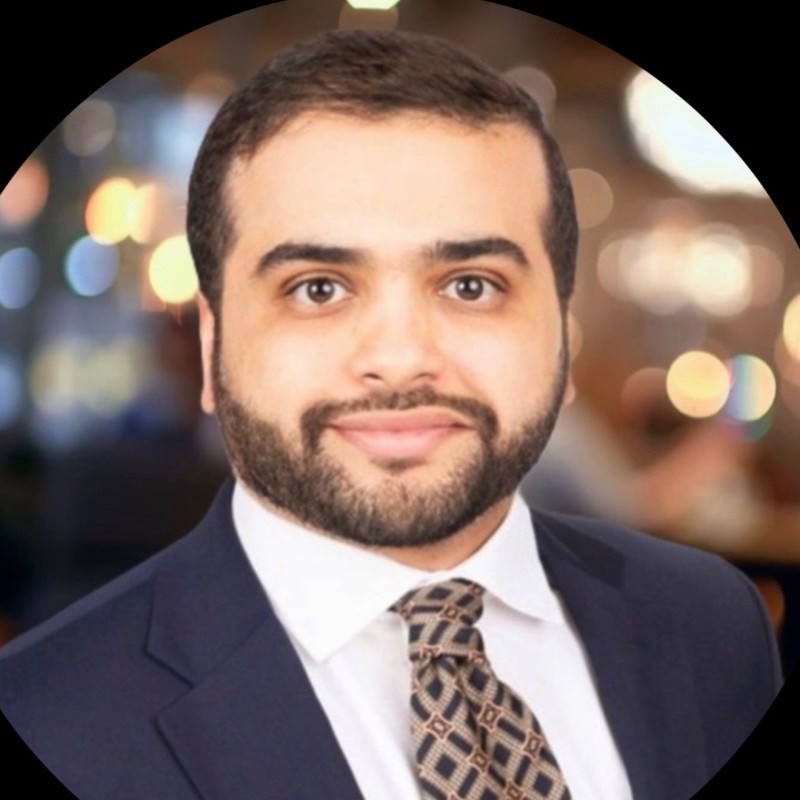
This insightful video features Mohammad Hasham, a partner and West region leader in Chief Financial Officer advisory at CohnReznick, presented at the ACTAI Global Maui 2025 event. The video explores the dynamic worlds of capital markets, artificial intelligence, and Special Purpose Acquisition Company activities.
Mohammad Hasham, renowned for expertise in capital markets, joins John Furrier of SiliconANGLE Media in this segment of theCUBE Research. The discussion highlights current trends in Special Purpose Acquisition Companies and Initial Public Offerings, with special focus on AI-driven market transformations. Hasham provides an in-depth analysis of emerging financial structures and their implications, drawing on extensive experience.
The session addresses key insights such as the increasing prominence of AI in various industries and the rapid shifts in Initial Public Offering activities, particularly in the AI and cryptocurrency spaces. Hasham suggests a cautious yet optimistic approach to these developments, noting the speed at which technology companies achieve market maturity. Analysts' observations underscore the potential for significant capital market growth, emphasizing careful preparedness for public offerings.
Forgot Password
Almost there!
We just sent you a verification email. Please verify your account to gain access to
theCUBE + NYSE Wired: Actai Maui. If you don’t think you received an email check your
spam folder.
In order to sign in, enter the email address you used to registered for the event. Once completed, you will receive an email with a verification link. Open this link to automatically sign into the site.
Register For theCUBE + NYSE Wired: Actai Maui
Please fill out the information below. You will recieve an email with a verification link confirming your registration. Click the link to automatically sign into the site.
You’re almost there!
We just sent you a verification email. Please click the verification button in the email. Once your email address is verified, you will have full access to all event content for theCUBE + NYSE Wired: Actai Maui.
I want my badge and interests to be visible to all attendees.
Checking this box will display your presense on the attendees list, view your profile and allow other attendees to contact you via 1-1 chat. Read the Privacy Policy. At any time, you can choose to disable this preference.
Select your Interests!
add
Upload your photo
Uploading..
OR
Connect via Twitter
Connect via Linkedin
EDIT PASSWORD
Share
Forgot Password
Almost there!
We just sent you a verification email. Please verify your account to gain access to
theCUBE + NYSE Wired: Actai Maui. If you don’t think you received an email check your
spam folder.
In order to sign in, enter the email address you used to registered for the event. Once completed, you will receive an email with a verification link. Open this link to automatically sign into the site.
Sign in to gain access to theCUBE + NYSE Wired: Actai Maui
Please sign in with LinkedIn to continue to theCUBE + NYSE Wired: Actai Maui. Signing in with LinkedIn ensures a professional environment.
Are you sure you want to remove access rights for this user?
Details
Manage Access
email address
Community Invitation
Mohammad Hasham, CohnReznick
Join us for an insightful discussion featuring Bill Tai, chairman of ACTAI Global, as he shares experiences and insights at ACTAI Global’s renowned annual gathering in Maui. Tai, a prominent investor and philanthropist, reflects on the evolution and impact of this unique convergence of athletes, conservationists, technologists, artists and innovators, highlighting the event’s vibrant atmosphere.
In this session, hosted by John Furrier of SiliconANGLE Media Inc., we dive deep into the eclectic environment of ACTAI Global. Tai details the journey and intricacies of bringing together a diverse community of experts and enthusiasts. Highlighting the roots of ACTAI Global in kite-surfing and technology, the discussion explores how this intersection fosters an environment ripe for innovation and collaboration.
Key takeaways from the conversation include the transformative impact of new technologies such as artificial intelligence and cryptocurrency, as explained by Tai. They underscore the cyclical nature of innovation and how new technological waves present monumental opportunities for growth and impact. Tai discusses the importance of adaptability and highlights efforts in environmental conservation and economic empowerment initiated by ACTAI Global, reflecting a vision of harmonizing entrepreneurial success with positive societal impact.
Partner, West Region Leader, CFO Advisory & Capital MarketsCohnReznick
search
>> Hello, I'm John Furrier with theCUBE, host here in the New York Stock Exchange Studio for theCUBE, of course, part of our NYSE Wired program and community. Of course, we've got our Palo Alto studio connecting, Silicon Valley and Wall Street. A lot of activity going on, of course in the tech scene right now, AI, everything. AI infrastructure's booming. This is part of our Acti Global Series. We feature the leaders who are making it happen, the cultural shift. Mohamed Hassam is here, Partner, West Region Leader, CFO Advisory at Capital Markets at CohnReznick. Mohamed, thanks for coming on. Good to see you.
Mohammad Hasham
>> Thank you, John.>> The Acti Global Maui trip was in May, and we had a great time. And this is a follow-up to that because the culture shift that's happening I think represents what Bill Tai and that community demonstrates, which is these micro communities are emerging. Where you have distinct user groups coming together that have shared interests, shared tech, and Acti Global is one of the most premier elite leaders across all diverse cultures. Men, women, artists, athletes, entrepreneurs. Everyone's coming together around one common mission, which is kitesurfing. And in Hawaii, there's no wind in the morning. So you have a meetup group and you talk about things, but what's being presented, it's a mini TED event, but it's really a culture of innovation. So it really represents what we're seeing in the market. So you're an expert Mixture of Expert series we have going on also fits in well with what you're doing. You're on the capital markets side, you see the capital formation, these little groups, it doesn't take a lot of capital to get a startup going. But once they get escape velocity, the AI market is really showing that you can hit escape velocity very quick. And as we're on the dawn of super intelligence, AI is going to have huge impact as the infrastructure continues to get built out. We saw AMD taking a piece of Open AI, that sent AMD stock up 25%. You're seeing what Nvidia is doing. You're starting to see what the hyperscalers are doing, AWS, Azure, Google and Oracle. Again, these large scale build outs are bringing in a whole other enablement. Now the capital markets are frothy right now. So give us the update. What's going on?
Mohammad Hasham
>> Yeah, no, thanks. First of all, thanks John for having me at your studio. Really glad to be part of this. So in terms of the capital markets, we are seeing a lot of activity, as you saw the last couple of years have been a little bit slowed down in terms of capital markets activity. And all of a sudden we see the shift in IPOs going up. So not only the big IPOs, but you can also see the shift in the smaller IPOs as well. So there's a lot of the SPAC activity. So I focus more on the SPAC side, the mid-market IPOs as well. From earlier this year, there has been a lot more of those transactions. For example, myself, I've been more more than a dozen IPOs that I'm working on personally. So we see this shift, and then this again with this AI itself, this is also creating a lot of boom in this IPO space.>> What's interesting, Mohammad, is that you pointed out the SPACs. One of the things that we're seeing as part of our Crypto Trailblazer series, is this first wave of IPOs has a very heavy crypto infrastructure, FinTech, DeFi, TradFi impact. And it's very entrepreneurial, its very Silicon Valley-like. Where these are big businesses. They're already been operating given the political regime. So that wave of IPOs are coming in. And right behind it, Brian Baumann and I were talking about what we're seeing on his side, which is the AI companies are next. So you almost got this multiple waves of crops. And then what we're seeing way out there is that third wave of the AI impact where the harvest comes in from the AI infrastructure, the AI platforms, and then a lot of these productivity or coding apps. You're going to start to see new things. There's almost like a three-wave coming now. AI and crypto bounded by energy. So okay, that's a common thread. So this threads between this crypto infrastructure, not buy a meme coin, we're talking about really hardcore financial infrastructure. So you got a lot of stuff going on. What's your reaction to that? Do you agree? Or do you have commentary?
Mohammad Hasham
>> Yeah, we see AI play into not only the tech industry, but you can also see other industries adopting AI. Now you get healthcare industry, biotech, whatever industry you see is that AI boom right now. So we're just seeing anything attached to AI is becoming big. But I think there is a bubble that we're going to see whether this is going to prove out to be long-term, or is going to be something like a short-term fad. So I believe right now it's the AI and then also you get the crypto piece of it as well. Now all of a sudden because of the crypto wave is also pretty big right now, and you see a lot of companies that were holding off to go public in the crypto space are now going public. So I would say that there is a season for different type of companies and activity that happens. And right now I think it's the AI and the crypto.>> Yeah, we've been covering, this is our 16th year with theCUBE, and we've been covering the data center, then move to the cloud, obviously big data centers, Hadoop now it's AI everything. Large scale data center build out is happening, but also small medium-sized data centers are being built out. And there's an edge piece to it, hardware that's coming that's AI-enabled for no one's talking about training. So that speaks to more headroom on the market. So what deals you working on right now? Can you share day in the life of what you guys are doing over there? And what's the flow look like? What's the sentiment? Give us the scoop.
Mohammad Hasham
>> Yeah, so in terms of my portfolio, I'm working on all mix of opportunities, but a lot in data center, there's an AI space. Biotech companies, they're also going public. And then like I said, the SPAC boom is back. So I'm seeing a lot of those SPAC sponsors back in the market to now, their target is becoming more in the AI space, or in their energy space or the crypto space. So the focus of the acquisition of those target companies has obviously shifted industries as well. So my portfolio is a lot of tech, I would say, and then data centers as well. And then like I said, the life science, biotech.>> Talk about the gravity of the cultural shift, because I was talking with a colleague about this the other day and we were reminiscing about the old days in the market when NASDAQ was viewed as the pink sheets. And then the tech surge came in. If you go back to the late '80s and early '90s, and that led into the.com bubble. The NASDAQ was basically an over the counter market. NYSE is a little bit more higher end, now NYSE is obviously prestigious with the institution here, center of capitalism. NASDAQ has become NASDAQ. And then now the SPAC activity, it feels like new vehicles are emerging. It feels like the stain of the SPAC, that's my words. People tend to look at SPACs, like, okay, it's a lot of drinking from the trough, from an investor perspective, awkward, maybe in the old days, not old days, but a couple of years ago when SPACs happened, it felt a little bit not fit. But more and more SPAC activities happening. Why is that? And I bring up the old NASDAQ because as electronic trading comes in, as we see more digital converges, AI, physical AI, for instance, exchanges, we've got bells that open and close here, but the market's never closed. It's always on. And so we're almost in another reset. I think SPACs point to a viable vehicle. Can you share your thoughts on this? Because I think people will, knee-jerk reaction, "Oh, SPACs, the SPAC king made a lot of money and investors got left holding the bag." What's the pros and cons of SPACs right now?
Mohammad Hasham
>> Yeah, so just to give you context, SPACs were in existence from even early 2000s. But they became more popular during COVID time. So when that happened, I was obviously working on, I probably worked on more than I would say, 70 SPACs in my career. So the SPAC, when they became popular, a lot of investors' money was going in, but the deals that were getting completed were not really being looked at carefully. There were a lot of these companies that were going public that were not supposed to be public. So they were going through first time audit, and then it was just the easiest path to go public. And then we saw a lot of failures as well, and then some were good. But then all of a sudden there was a shift in, I would say earlier this year, in the SPAC market again, where now the sponsors that were coming in, they are looking at better deals, with proper forecasts, companies that have some existing financials, and it's not just first time, first year of operations then they're going public. So there's more careful->> So it wasn't a funding vehicle per se, it was really a legitimate fast path. It's like TSA Clear, I want to go public fast.
Mohammad Hasham
>> Exactly.>> It's like you go in.
Mohammad Hasham
>> So traditional IPO has been where you got to actually show the market, show the investors that you're actually worth to go public. You want to make sure you have your valuation, proper valuation, but the way to go public through SPAC was based on forecast. Or you can look at your current numbers and say, "The valuation looks like this, now we should be public." But traditional is different and it's more rigorous process. The preparation side from an accounting point of view is the same. So for both, whether it's traditional, or whether it's to go through a SPAC transaction. But just what the outcome is->> What's the reason SPACs are popular? Is it faster? Is it just more-
Mohammad Hasham
>> It's just faster to raise money. So it's faster for sponsors to raise money. They can raise $100 million, $200 million, $300 million back, and it just becomes, all they got to do is get the company through the PCOB audit, and get board approval to get the merger done.>> What's your view of the IPO window? We've been commenting, obviously it's been hot, it's now open. We see a pipeline for Q1 2026 SFI. I don't have any data, just consensus from the hallway conversations here and in Silicon Valley. It feels like people are gearing up to go public, but yet Databricks stays private. You have this robust, really later stage, pre-IPO private market that have some significant valuations. You look at OpenAI and these guys, massive numbers. They should be public. So you have a quasi-market right there. What's your view of this State of the Union on IPOs?
Mohammad Hasham
>> Yeah, to be honest, in our capital market space, we have always been saying, even last year we said, "Oh, because the IPO market is going to open up." Last year in Q3, Q4 didn't happen. And then this year we were expecting Q2 to open up. Now we did see a lot more deals even on the crypto side. I think the market is becoming more and more favorable right now, and by Q1 of 26' and Q2, I think it should become more robust. I would say that the market is headed in the right direction, to say that. So hopefully we'll see more activities->> Well behind us, the option market is actively trading here. It's where they actually do outcry and active trading. And the more electronic on the NYC side, DOW. The AMD Open AI deal, it's got everyone, it's all over the tape. Nvidia, AMD, we've got the AI factory series we're doing. Just so much action.
Mohammad Hasham
>> Oh yeah.>> What's going on in Silicon Valley right now, in your mind as you talk to people, you're out and about. You got a community that's growing, give us an update.
Mohammad Hasham
>> Silicon Valley is buzzing right now. It's a place to be for a lot of the, not even talking about the late stage companies, but a lot of the new ventures. There's just so much happening in Silicon Valley, and the product that comes out of there, as you can see the results, a lot of the big companies have their headquarters in Silicon Valley. So right now we're seeing, as I speak with VCs and a lot of investors, they're looking for deals in the AI space, in the technology space, in deep tech, in data centers. So these are some of the chosen industries that VCs are willing to put money down without doing a lot of homework. And then you were mentioning before, why do Open AI should be public? But you can also argue, do they really need to be public? They have so much cash. So a lot of companies go public so they can raise some capital, liquidity, but a lot of these companies are cash rich now.>> Well, I think they could share the opportunity with the retail investor. I think you see the thirst, Figma, when Figma went public, and that's really not an AI company, but it was really more of a successful company. Just the demand for the retail side is booming. So I think that is a huge factor.
Mohammad Hasham
>> There's a lot of pros for going public. I think it also gives you, like you said, the retail access, it gives you access for, it also shows to your customers and to your vendors, it just gives more validity for companies that are public. So definitely I'm all for public, and it's a great way to make the transaction happen.>> One of the things that we did in Maui with Acti Global, you were a part of that program, and it's what I really like about the market. There's a mission vibe. It's not like pie in the sky, "Hey, save the earth." There's a lot of that. It's really more of this actually intentional mindset around these entrepreneurs that are coming in that see that social change. And I keep bringing this up, I was just having a conversation with an entrepreneur here in New York, very successful billionaire entrepreneur. And the view is from the experts is that AI and the road to super intelligence is a huge accelerator. And the smartest people that I know are all over this. And they're either coming out of retirement if they're older, if they're younger, their eyes are lighting up, they're seeing massive opportunities. And the fact that it's happening so fast, literally the transformation and disruption for anyone who's got an incumbent position in the market is at risk. Now the good news is if you're an incumbent, it's not like the old computer days where it's like, it's slow to move. Actually they could pivot too, or not pivot or transition, And it's a market of transition. So a lot going on there. How does your firm engage with that trend? Because you guys are on the capital side, talk about what you guys do. Put a plug in for the company because you have capital formation, capital markets, it's nuanced, but it's also booming. It's changing too. What do you guys do? How do people engage? And put a plug in.
Mohammad Hasham
>> Well, CohnReznick, it's a full cycle accounting firm. So we do audit, tax, valuation, advisory. So I'm part of the CFO advisor practice, which is within CFO advisory I do capital markets and IPOs. So my goal is to shift where the market is trending. So over the years I've seen a lot of change shift. So whether it's, it used to be a lot of just pure tech companies, now it's AI companies, and then also the sponsor shift, the investment capital. We were seeing before a lot of private equity in the space, and we still see private equity in this space. But now you see a lot of these traditional VCs coming in, and you see a lot of, I would say there's a lot faster road to even raising capital now. So you see series A, B, C, D, all happening within same year. You have companies that raise couple of rounds and then the same year. So you see that capital transformation happening. And you're also looking at investors that want to exit. So they want to exit with something good. So our part at CohnReznick is to adapt to the different shifts, make sure that we are aligning with what the market is looking for. And we are staying also up to date with AI. Because AI is really trending. So not only AI companies are going up, but accounting firms are trying to adopt AI as well, as fast as we can.>> And I think one of the things I'd love to get your thoughts on since you're here, is one observation we have here on theCUBE is, a lot of companies we see hitting escape velocity fast, and it's not on their bingo card to be calling up and getting pre-IPO advice. But there's M&A activity, there's a lot of things that are involved, and if you had the traditional cadence of an IPO, you got a series A, B, C or whatever later around funding, and then the board will say, "Hey, we should bring in CohnReznick, or Advisory, to prepare or do a readiness, whatever they call it.
Mohammad Hasham
>> Yeah.>> There's all kinds of stuff that goes on, the prep, the sales process. Or not sales process, the alignment. A lot of people, especially on the crypto side, they're unprepared. It's thrust upon them, that they're IPO ready and they don't even know it. So what does that have to do with their roles with you? How do you solve that problem? Is there a fast path? We're seeing a lot more companies be IPO ready, certainly whether it's on product-led growth. They might not have monster revenue, but they'll have dots that can connect in the public markets or later stage.
Mohammad Hasham
>> Yeah, so there's two ways to look at public company ready. First is whether they have the revenue, the valuation to be public. The second is the operational part. That's where we come in. So when we say, so where I preach our clients and prospects are, you need to start preparing 12 to 18 months ahead of going public. Now, the difference between SPACs and traditional IPOs, traditional IPOs actually start preparing 12 to 18 months before. But the companies that were merging with the SPAC, they want to go public tomorrow, but they're not ready. And one of the big roadblocks for target companies going public through SPAC is to prepare, go through the PCB audit, and get that done, and they want to do it in six months. So we still say you don't want to speed up the process and then have issues that lead to restatements as well in terms of financials. So we advise to our customers, let's start the process 12 months in advance. And it's not only the accounting side, if you look at companies who want to go public, they also have to look at the other aspects, cyber security, tax, HR, just having a good board. So it's a lot of difference of 360 degrees that you need to take a look at to make sure the company is ready, whether they have investor relations.>> Do you find that the entrepreneurial teams that aren't ready, not ready... Let me rephrase. I hear entrepreneurs say, "Yeah, I'll get to that later." And they kick the can down the road, so to speak. Or they go, "Well, all my time's being spent in these audits." It's perception, just commentary. It's not really, I don't have a lot of data other than conversations. But that mindset of is the juice worth the squeeze? Because there's uncertainty around the SPACs and going public. 18 months is a monster timeframe. It's like, shit can change really fast, really fast. So that's always an entrepreneurial concern. How do you guys handle that objection? What's the answer to that? You guys are turnkey, less disruptive.
Mohammad Hasham
>> Having gone through this process numerous times, we know what the roadblocks are to help a company going public. But one of the main roadblocks that's not in our control, if the company's just general book accounting records are not clean.
So that's the first road block. So we let them know that this is going to take some time. But we do have a solution around it too. So we have a big team who are expert in this, and we can put up a big army of people, and make sure that if it requires 10 to 15 people to work on the project to make sure we can get their basic accounting records straight. We work with the auditors and fill their requirements, then it becomes, because we also work with a lot of the audit firms, so we know what they're looking for as well. So it becomes a more efficient process because there's a lot of new players on the block, which they don't have a lot of experience working with audit firms. And then it creates a lot of inefficiencies. So that's what I would say to our prospects and clients, is that we not only have a lot of experience, we can get it done and we know how to work with the other side, which is the audit.>> All right, final question. Prediction, capital markets stays open, things are good. What's your prediction? How do you feel? The vibe? You got the ear to the ground, read the tea leaves. We've seen AMD all over the tape, and Nvidia and Tesla. We're in a tech boom right now. Big time.
Mohammad Hasham
>> I think to be candid and to be frank, this is exciting times for the capital markets. I think it's only going up. So I'm really optimistic and really excited about where we are heading, and I think it's just going to get better. And we're not going to go down. So hopefully the next, I would say 12 months would be really good for the capital markets.>> Well, I'm super excited to have you on. Of course great to have a great event with Bill Tai and the Acti Global, and the NYC Wired and theCUBE partnership of bringing a trust network together, the velocity of communications and trust. Credibility, trust, and high quality people really making this market run. Thanks for being part of it.
Mohammad Hasham
>> Oh, thank you for having me. And thank you for Bill, for having me, part of Bill and Acti.>> I'm John Furrier here in our New York Stock Exchange CUBE Studios, part of the NYC Wired program and community. Thanks for watching.
>> Hello, I'm John Furrier with theCUBE, host here in the New York Stock Exchange Studio for theCUBE, of course, part of our NYSE Wired program and community. Of course, we've got our Palo Alto studio connecting, Silicon Valley and Wall Street. A lot of activity going on, of course in the tech scene right now, AI, everything. AI infrastructure's booming. This is part of our Acti Global Series. We feature the leaders who are making it happen, the cultural shift. Mohamed Hassam is here, Partner, West Region Leader, CFO Advisory at Capital Markets at CohnReznick. Mohamed, thanks for coming on. Good to see you.
Mohammad Hasham
>> Thank you, John.>> The Acti Global Maui trip was in May, and we had a great time. And this is a follow-up to that because the culture shift that's happening I think represents what Bill Tai and that community demonstrates, which is these micro communities are emerging. Where you have distinct user groups coming together that have shared interests, shared tech, and Acti Global is one of the most premier elite leaders across all diverse cultures. Men, women, artists, athletes, entrepreneurs. Everyone's coming together around one common mission, which is kitesurfing. And in Hawaii, there's no wind in the morning. So you have a meetup group and you talk about things, but what's being presented, it's a mini TED event, but it's really a culture of innovation. So it really represents what we're seeing in the market. So you're an expert Mixture of Expert series we have going on also fits in well with what you're doing. You're on the capital markets side, you see the capital formation, these little groups, it doesn't take a lot of capital to get a startup going. But once they get escape velocity, the AI market is really showing that you can hit escape velocity very quick. And as we're on the dawn of super intelligence, AI is going to have huge impact as the infrastructure continues to get built out. We saw AMD taking a piece of Open AI, that sent AMD stock up 25%. You're seeing what Nvidia is doing. You're starting to see what the hyperscalers are doing, AWS, Azure, Google and Oracle. Again, these large scale build outs are bringing in a whole other enablement. Now the capital markets are frothy right now. So give us the update. What's going on?
Mohammad Hasham
>> Yeah, no, thanks. First of all, thanks John for having me at your studio. Really glad to be part of this. So in terms of the capital markets, we are seeing a lot of activity, as you saw the last couple of years have been a little bit slowed down in terms of capital markets activity. And all of a sudden we see the shift in IPOs going up. So not only the big IPOs, but you can also see the shift in the smaller IPOs as well. So there's a lot of the SPAC activity. So I focus more on the SPAC side, the mid-market IPOs as well. From earlier this year, there has been a lot more of those transactions. For example, myself, I've been more more than a dozen IPOs that I'm working on personally. So we see this shift, and then this again with this AI itself, this is also creating a lot of boom in this IPO space.>> What's interesting, Mohammad, is that you pointed out the SPACs. One of the things that we're seeing as part of our Crypto Trailblazer series, is this first wave of IPOs has a very heavy crypto infrastructure, FinTech, DeFi, TradFi impact. And it's very entrepreneurial, its very Silicon Valley-like. Where these are big businesses. They're already been operating given the political regime. So that wave of IPOs are coming in. And right behind it, Brian Baumann and I were talking about what we're seeing on his side, which is the AI companies are next. So you almost got this multiple waves of crops. And then what we're seeing way out there is that third wave of the AI impact where the harvest comes in from the AI infrastructure, the AI platforms, and then a lot of these productivity or coding apps. You're going to start to see new things. There's almost like a three-wave coming now. AI and crypto bounded by energy. So okay, that's a common thread. So this threads between this crypto infrastructure, not buy a meme coin, we're talking about really hardcore financial infrastructure. So you got a lot of stuff going on. What's your reaction to that? Do you agree? Or do you have commentary?
Mohammad Hasham
>> Yeah, we see AI play into not only the tech industry, but you can also see other industries adopting AI. Now you get healthcare industry, biotech, whatever industry you see is that AI boom right now. So we're just seeing anything attached to AI is becoming big. But I think there is a bubble that we're going to see whether this is going to prove out to be long-term, or is going to be something like a short-term fad. So I believe right now it's the AI and then also you get the crypto piece of it as well. Now all of a sudden because of the crypto wave is also pretty big right now, and you see a lot of companies that were holding off to go public in the crypto space are now going public. So I would say that there is a season for different type of companies and activity that happens. And right now I think it's the AI and the crypto.>> Yeah, we've been covering, this is our 16th year with theCUBE, and we've been covering the data center, then move to the cloud, obviously big data centers, Hadoop now it's AI everything. Large scale data center build out is happening, but also small medium-sized data centers are being built out. And there's an edge piece to it, hardware that's coming that's AI-enabled for no one's talking about training. So that speaks to more headroom on the market. So what deals you working on right now? Can you share day in the life of what you guys are doing over there? And what's the flow look like? What's the sentiment? Give us the scoop.
Mohammad Hasham
>> Yeah, so in terms of my portfolio, I'm working on all mix of opportunities, but a lot in data center, there's an AI space. Biotech companies, they're also going public. And then like I said, the SPAC boom is back. So I'm seeing a lot of those SPAC sponsors back in the market to now, their target is becoming more in the AI space, or in their energy space or the crypto space. So the focus of the acquisition of those target companies has obviously shifted industries as well. So my portfolio is a lot of tech, I would say, and then data centers as well. And then like I said, the life science, biotech.>> Talk about the gravity of the cultural shift, because I was talking with a colleague about this the other day and we were reminiscing about the old days in the market when NASDAQ was viewed as the pink sheets. And then the tech surge came in. If you go back to the late '80s and early '90s, and that led into the.com bubble. The NASDAQ was basically an over the counter market. NYSE is a little bit more higher end, now NYSE is obviously prestigious with the institution here, center of capitalism. NASDAQ has become NASDAQ. And then now the SPAC activity, it feels like new vehicles are emerging. It feels like the stain of the SPAC, that's my words. People tend to look at SPACs, like, okay, it's a lot of drinking from the trough, from an investor perspective, awkward, maybe in the old days, not old days, but a couple of years ago when SPACs happened, it felt a little bit not fit. But more and more SPAC activities happening. Why is that? And I bring up the old NASDAQ because as electronic trading comes in, as we see more digital converges, AI, physical AI, for instance, exchanges, we've got bells that open and close here, but the market's never closed. It's always on. And so we're almost in another reset. I think SPACs point to a viable vehicle. Can you share your thoughts on this? Because I think people will, knee-jerk reaction, "Oh, SPACs, the SPAC king made a lot of money and investors got left holding the bag." What's the pros and cons of SPACs right now?
Mohammad Hasham
>> Yeah, so just to give you context, SPACs were in existence from even early 2000s. But they became more popular during COVID time. So when that happened, I was obviously working on, I probably worked on more than I would say, 70 SPACs in my career. So the SPAC, when they became popular, a lot of investors' money was going in, but the deals that were getting completed were not really being looked at carefully. There were a lot of these companies that were going public that were not supposed to be public. So they were going through first time audit, and then it was just the easiest path to go public. And then we saw a lot of failures as well, and then some were good. But then all of a sudden there was a shift in, I would say earlier this year, in the SPAC market again, where now the sponsors that were coming in, they are looking at better deals, with proper forecasts, companies that have some existing financials, and it's not just first time, first year of operations then they're going public. So there's more careful->> So it wasn't a funding vehicle per se, it was really a legitimate fast path. It's like TSA Clear, I want to go public fast.
Mohammad Hasham
>> Exactly.>> It's like you go in.
Mohammad Hasham
>> So traditional IPO has been where you got to actually show the market, show the investors that you're actually worth to go public. You want to make sure you have your valuation, proper valuation, but the way to go public through SPAC was based on forecast. Or you can look at your current numbers and say, "The valuation looks like this, now we should be public." But traditional is different and it's more rigorous process. The preparation side from an accounting point of view is the same. So for both, whether it's traditional, or whether it's to go through a SPAC transaction. But just what the outcome is->> What's the reason SPACs are popular? Is it faster? Is it just more-
Mohammad Hasham
>> It's just faster to raise money. So it's faster for sponsors to raise money. They can raise $100 million, $200 million, $300 million back, and it just becomes, all they got to do is get the company through the PCOB audit, and get board approval to get the merger done.>> What's your view of the IPO window? We've been commenting, obviously it's been hot, it's now open. We see a pipeline for Q1 2026 SFI. I don't have any data, just consensus from the hallway conversations here and in Silicon Valley. It feels like people are gearing up to go public, but yet Databricks stays private. You have this robust, really later stage, pre-IPO private market that have some significant valuations. You look at OpenAI and these guys, massive numbers. They should be public. So you have a quasi-market right there. What's your view of this State of the Union on IPOs?
Mohammad Hasham
>> Yeah, to be honest, in our capital market space, we have always been saying, even last year we said, "Oh, because the IPO market is going to open up." Last year in Q3, Q4 didn't happen. And then this year we were expecting Q2 to open up. Now we did see a lot more deals even on the crypto side. I think the market is becoming more and more favorable right now, and by Q1 of 26' and Q2, I think it should become more robust. I would say that the market is headed in the right direction, to say that. So hopefully we'll see more activities->> Well behind us, the option market is actively trading here. It's where they actually do outcry and active trading. And the more electronic on the NYC side, DOW. The AMD Open AI deal, it's got everyone, it's all over the tape. Nvidia, AMD, we've got the AI factory series we're doing. Just so much action.
Mohammad Hasham
>> Oh yeah.>> What's going on in Silicon Valley right now, in your mind as you talk to people, you're out and about. You got a community that's growing, give us an update.
Mohammad Hasham
>> Silicon Valley is buzzing right now. It's a place to be for a lot of the, not even talking about the late stage companies, but a lot of the new ventures. There's just so much happening in Silicon Valley, and the product that comes out of there, as you can see the results, a lot of the big companies have their headquarters in Silicon Valley. So right now we're seeing, as I speak with VCs and a lot of investors, they're looking for deals in the AI space, in the technology space, in deep tech, in data centers. So these are some of the chosen industries that VCs are willing to put money down without doing a lot of homework. And then you were mentioning before, why do Open AI should be public? But you can also argue, do they really need to be public? They have so much cash. So a lot of companies go public so they can raise some capital, liquidity, but a lot of these companies are cash rich now.>> Well, I think they could share the opportunity with the retail investor. I think you see the thirst, Figma, when Figma went public, and that's really not an AI company, but it was really more of a successful company. Just the demand for the retail side is booming. So I think that is a huge factor.
Mohammad Hasham
>> There's a lot of pros for going public. I think it also gives you, like you said, the retail access, it gives you access for, it also shows to your customers and to your vendors, it just gives more validity for companies that are public. So definitely I'm all for public, and it's a great way to make the transaction happen.>> One of the things that we did in Maui with Acti Global, you were a part of that program, and it's what I really like about the market. There's a mission vibe. It's not like pie in the sky, "Hey, save the earth." There's a lot of that. It's really more of this actually intentional mindset around these entrepreneurs that are coming in that see that social change. And I keep bringing this up, I was just having a conversation with an entrepreneur here in New York, very successful billionaire entrepreneur. And the view is from the experts is that AI and the road to super intelligence is a huge accelerator. And the smartest people that I know are all over this. And they're either coming out of retirement if they're older, if they're younger, their eyes are lighting up, they're seeing massive opportunities. And the fact that it's happening so fast, literally the transformation and disruption for anyone who's got an incumbent position in the market is at risk. Now the good news is if you're an incumbent, it's not like the old computer days where it's like, it's slow to move. Actually they could pivot too, or not pivot or transition, And it's a market of transition. So a lot going on there. How does your firm engage with that trend? Because you guys are on the capital side, talk about what you guys do. Put a plug in for the company because you have capital formation, capital markets, it's nuanced, but it's also booming. It's changing too. What do you guys do? How do people engage? And put a plug in.
Mohammad Hasham
>> Well, CohnReznick, it's a full cycle accounting firm. So we do audit, tax, valuation, advisory. So I'm part of the CFO advisor practice, which is within CFO advisory I do capital markets and IPOs. So my goal is to shift where the market is trending. So over the years I've seen a lot of change shift. So whether it's, it used to be a lot of just pure tech companies, now it's AI companies, and then also the sponsor shift, the investment capital. We were seeing before a lot of private equity in the space, and we still see private equity in this space. But now you see a lot of these traditional VCs coming in, and you see a lot of, I would say there's a lot faster road to even raising capital now. So you see series A, B, C, D, all happening within same year. You have companies that raise couple of rounds and then the same year. So you see that capital transformation happening. And you're also looking at investors that want to exit. So they want to exit with something good. So our part at CohnReznick is to adapt to the different shifts, make sure that we are aligning with what the market is looking for. And we are staying also up to date with AI. Because AI is really trending. So not only AI companies are going up, but accounting firms are trying to adopt AI as well, as fast as we can.>> And I think one of the things I'd love to get your thoughts on since you're here, is one observation we have here on theCUBE is, a lot of companies we see hitting escape velocity fast, and it's not on their bingo card to be calling up and getting pre-IPO advice. But there's M&A activity, there's a lot of things that are involved, and if you had the traditional cadence of an IPO, you got a series A, B, C or whatever later around funding, and then the board will say, "Hey, we should bring in CohnReznick, or Advisory, to prepare or do a readiness, whatever they call it.
Mohammad Hasham
>> Yeah.>> There's all kinds of stuff that goes on, the prep, the sales process. Or not sales process, the alignment. A lot of people, especially on the crypto side, they're unprepared. It's thrust upon them, that they're IPO ready and they don't even know it. So what does that have to do with their roles with you? How do you solve that problem? Is there a fast path? We're seeing a lot more companies be IPO ready, certainly whether it's on product-led growth. They might not have monster revenue, but they'll have dots that can connect in the public markets or later stage.
Mohammad Hasham
>> Yeah, so there's two ways to look at public company ready. First is whether they have the revenue, the valuation to be public. The second is the operational part. That's where we come in. So when we say, so where I preach our clients and prospects are, you need to start preparing 12 to 18 months ahead of going public. Now, the difference between SPACs and traditional IPOs, traditional IPOs actually start preparing 12 to 18 months before. But the companies that were merging with the SPAC, they want to go public tomorrow, but they're not ready. And one of the big roadblocks for target companies going public through SPAC is to prepare, go through the PCB audit, and get that done, and they want to do it in six months. So we still say you don't want to speed up the process and then have issues that lead to restatements as well in terms of financials. So we advise to our customers, let's start the process 12 months in advance. And it's not only the accounting side, if you look at companies who want to go public, they also have to look at the other aspects, cyber security, tax, HR, just having a good board. So it's a lot of difference of 360 degrees that you need to take a look at to make sure the company is ready, whether they have investor relations.>> Do you find that the entrepreneurial teams that aren't ready, not ready... Let me rephrase. I hear entrepreneurs say, "Yeah, I'll get to that later." And they kick the can down the road, so to speak. Or they go, "Well, all my time's being spent in these audits." It's perception, just commentary. It's not really, I don't have a lot of data other than conversations. But that mindset of is the juice worth the squeeze? Because there's uncertainty around the SPACs and going public. 18 months is a monster timeframe. It's like, shit can change really fast, really fast. So that's always an entrepreneurial concern. How do you guys handle that objection? What's the answer to that? You guys are turnkey, less disruptive.
Mohammad Hasham
>> Having gone through this process numerous times, we know what the roadblocks are to help a company going public. But one of the main roadblocks that's not in our control, if the company's just general book accounting records are not clean.
So that's the first road block. So we let them know that this is going to take some time. But we do have a solution around it too. So we have a big team who are expert in this, and we can put up a big army of people, and make sure that if it requires 10 to 15 people to work on the project to make sure we can get their basic accounting records straight. We work with the auditors and fill their requirements, then it becomes, because we also work with a lot of the audit firms, so we know what they're looking for as well. So it becomes a more efficient process because there's a lot of new players on the block, which they don't have a lot of experience working with audit firms. And then it creates a lot of inefficiencies. So that's what I would say to our prospects and clients, is that we not only have a lot of experience, we can get it done and we know how to work with the other side, which is the audit.>> All right, final question. Prediction, capital markets stays open, things are good. What's your prediction? How do you feel? The vibe? You got the ear to the ground, read the tea leaves. We've seen AMD all over the tape, and Nvidia and Tesla. We're in a tech boom right now. Big time.
Mohammad Hasham
>> I think to be candid and to be frank, this is exciting times for the capital markets. I think it's only going up. So I'm really optimistic and really excited about where we are heading, and I think it's just going to get better. And we're not going to go down. So hopefully the next, I would say 12 months would be really good for the capital markets.>> Well, I'm super excited to have you on. Of course great to have a great event with Bill Tai and the Acti Global, and the NYC Wired and theCUBE partnership of bringing a trust network together, the velocity of communications and trust. Credibility, trust, and high quality people really making this market run. Thanks for being part of it.
Mohammad Hasham
>> Oh, thank you for having me. And thank you for Bill, for having me, part of Bill and Acti.>> I'm John Furrier here in our New York Stock Exchange CUBE Studios, part of the NYC Wired program and community. Thanks for watching.