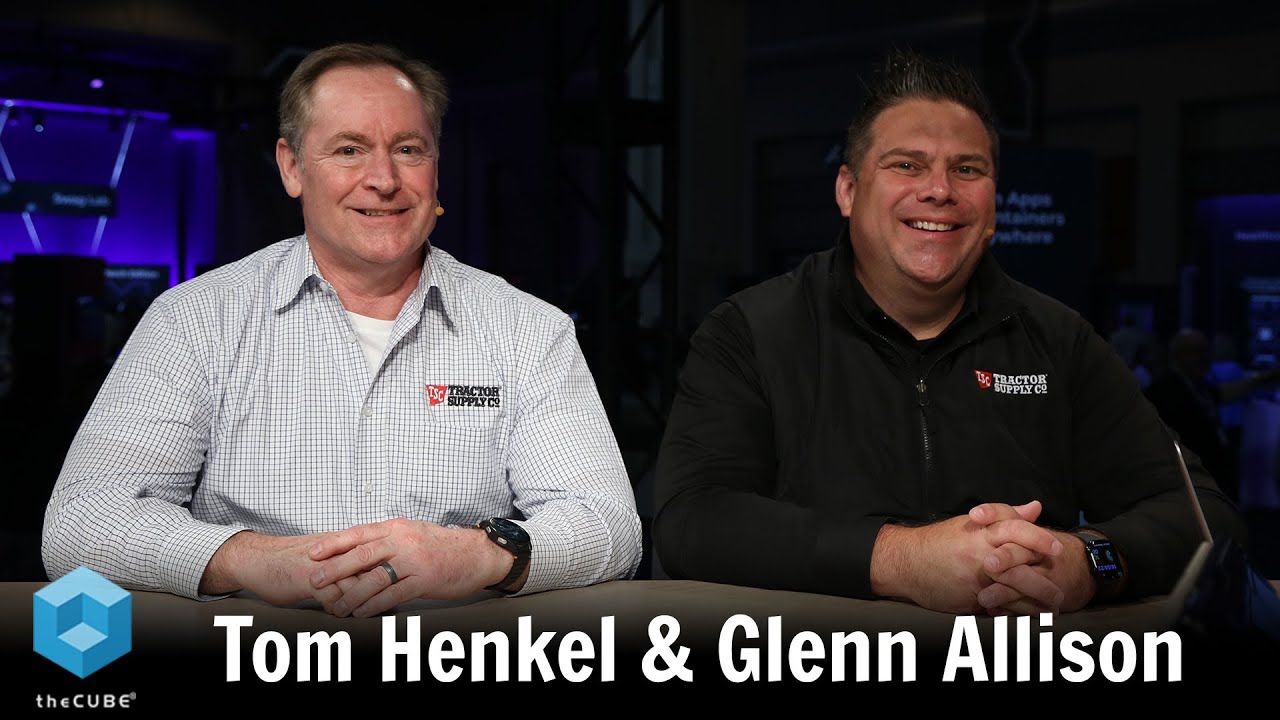
At Nutanix .NEXT 2025, Gregory Lehrer, VP of business development & ecosystems at Nutanix, and Maciej Kranz, GM for enterprise at Pure Storage, sit down with theCUBE Research’s John Furrier and Bob Laliberte for a compelling discussion on the future of enterprise infrastructure. They explore how their companies are co-engineering solutions to simplify virtualization and modern data management.
Lehrer and Kranz unpack how Nutanix and Pure Storage combine compute, storage and networking into a seamless, integrated experience. Their conversation centers on removing complexity and delivering scalable, high-performance systems built for AI-era demands. It’s a candid look at how strategic partnerships can shift the enterprise IT landscape in meaningful ways.
The conversation turns tactical as the two leaders break down how these joint innovations translate to customer value. From workload flexibility to improved security posture, the duo emphasizes how aligned ecosystems drive agility and long-term resilience. For enterprises seeking smarter infrastructure strategies, this pair deliver clarity, confidence and actionable guidance.
Forgot Password
Almost there!
We just sent you a verification email. Please verify your account to gain access to
Nutanix .NEXT 2025. If you don’t think you received an email check your
spam folder.
In order to sign in, enter the email address you used to registered for the event. Once completed, you will receive an email with a verification link. Open this link to automatically sign into the site.
Register For Nutanix .NEXT 2025
Please fill out the information below. You will recieve an email with a verification link confirming your registration. Click the link to automatically sign into the site.
You’re almost there!
We just sent you a verification email. Please click the verification button in the email. Once your email address is verified, you will have full access to all event content for Nutanix .NEXT 2025.
I want my badge and interests to be visible to all attendees.
Checking this box will display your presense on the attendees list, view your profile and allow other attendees to contact you via 1-1 chat. Read the Privacy Policy. At any time, you can choose to disable this preference.
Select your Interests!
add
Upload your photo
Uploading..
OR
Connect via Twitter
Connect via Linkedin
EDIT PASSWORD
Share
Forgot Password
Almost there!
We just sent you a verification email. Please verify your account to gain access to
Nutanix .NEXT 2025. If you don’t think you received an email check your
spam folder.
In order to sign in, enter the email address you used to registered for the event. Once completed, you will receive an email with a verification link. Open this link to automatically sign into the site.
Sign in to gain access to Nutanix .NEXT 2025
Please sign in with LinkedIn to continue to Nutanix .NEXT 2025. Signing in with LinkedIn ensures a professional environment.
Are you sure you want to remove access rights for this user?
Details
Manage Access
email address
Community Invitation
Gregory Lehrer, Nutanix & Maciej Kranz, Pure Storage
At Nutanix .NEXT 2025, Gregory Lehrer, VP of business development & ecosystems at Nutanix, and Maciej Kranz, GM for enterprise at Pure Storage, sit down with theCUBE Research’s John Furrier and Bob Laliberte for a compelling discussion on the future of enterprise infrastructure. They explore how their companies are co-engineering solutions to simplify virtualization and modern data management.
Lehrer and Kranz unpack how Nutanix and Pure Storage combine compute, storage and networking into a seamless, integrated experience. Their conversation centers on removing complexity and delivering scalable, high-performance systems built for AI-era demands. It’s a candid look at how strategic partnerships can shift the enterprise IT landscape in meaningful ways.
The conversation turns tactical as the two leaders break down how these joint innovations translate to customer value. From workload flexibility to improved security posture, the duo emphasizes how aligned ecosystems drive agility and long-term resilience. For enterprises seeking smarter infrastructure strategies, this pair deliver clarity, confidence and actionable guidance.
Gregory Lehrer, Nutanix & Maciej Kranz, Pure Storage
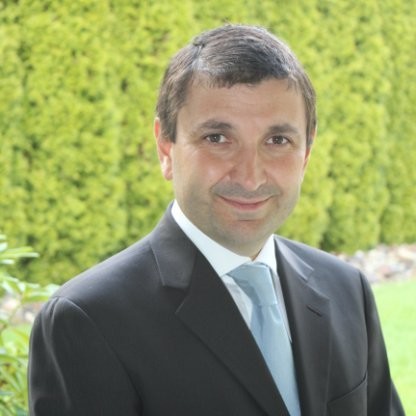
Gregory Lehrer
Vice President of Business Development and EcosystemsNutanix
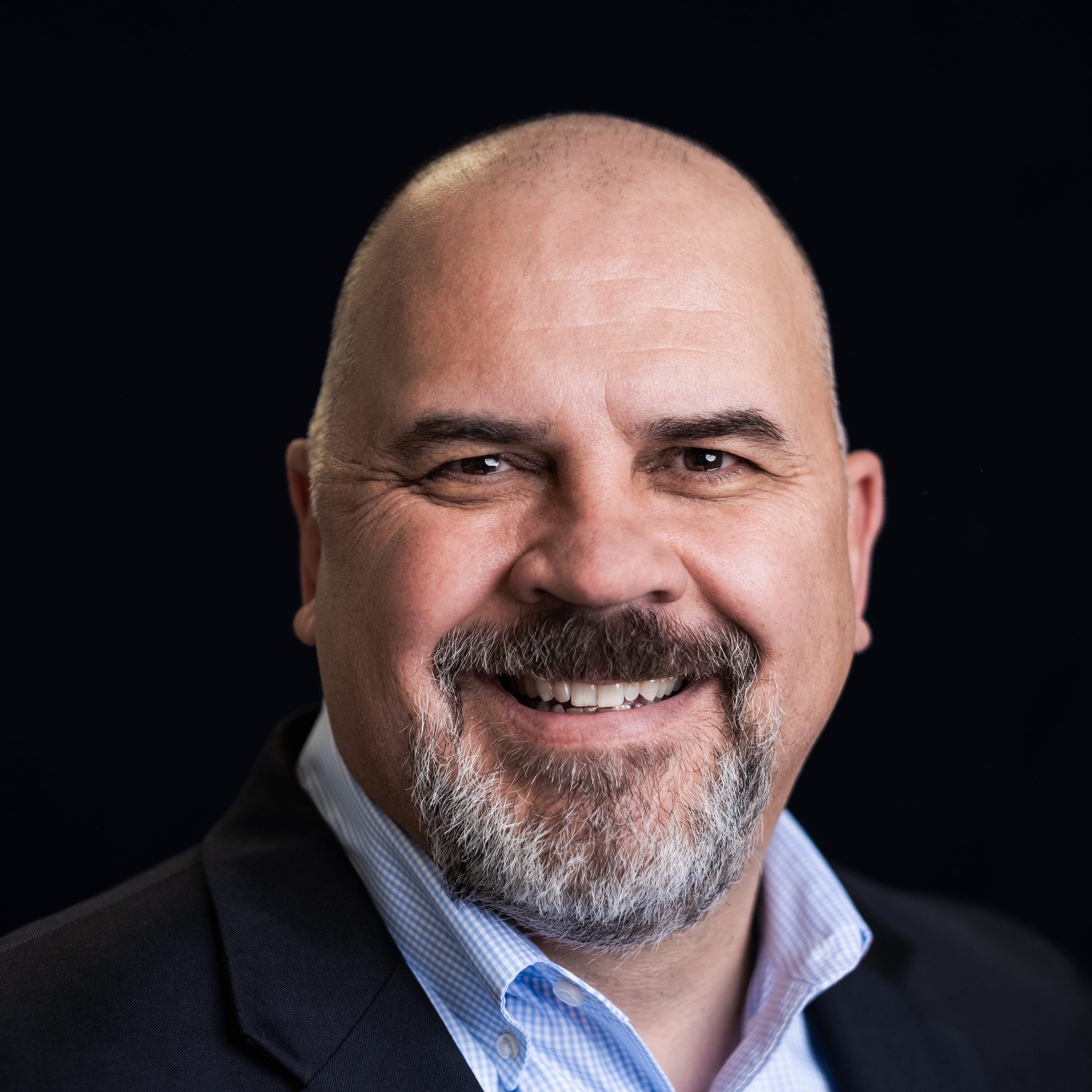
Maciej Kranz
GM, EnterprisePure Storage
At Nutanix .NEXT 2025, Gregory Lehrer, VP of business development & ecosystems at Nutanix, and Maciej Kranz, GM for enterprise at Pure Storage, sit down with theCUBE Research’s John Furrier and Bob Laliberte for a compelling discussion on the future of enterprise infrastructure. They explore how their companies are co-engineering solutions to simplify virtualization and modern data management.
Lehrer and Kranz unpack how Nutanix and Pure Storage combine compute, storage and networking into a seamless, integrated experience. Their conversation centers o...Read more
exploreKeep Exploring
What is the current trend in architecture and how are companies like Nutanix and Pure adapting to it?add
What is the value coming out of the partnership between integrating Nutanix cloud infrastructure with Pure flash array for enterprise data cloud solutions?add
What is the company's strategy for growing and scaling their ecosystem, including opening new routes to market with partners such as Dell and Cisco?add
What is the key to balancing speed and collaboration in the fast-paced technology industry?add
Gregory Lehrer, Nutanix & Maciej Kranz, Pure Storage
search
>> Welcome back, everyone, to
TheCube's live coverage here in Washington DC for Nutanix . NEXT 2025, two day show.
Winding down day one. I'm John Furrier with Bob
Laliberte with TheCUBE Research. Really the platform story is resonating. The ecosystem story that's
connected is resonating. The customers are seeing
value in the new modern infrastructure to allow
them to bring in this era of agentic, all the new
apps that coming in. We've got Gregory here is VP of business development
ecosystem, Nutanix. And Maciej, who's the GM of
enterprise at Pure Storage. Pure Storage and Nutanix doing business. The architectures have changed,
the value is being created. Gentlemen, thank you
for coming on theCUBE.
Gregory Lehrer
>> Thanks for having us.
- Good to be here.
Maciej Kranz
>> Appreciate you. Biz dev and ecosystems, enterprise
storage with Pure. Guys, the infrastructure
is now, we're starting to see clear visibility on
what success looks like. Okay, scalable, integrated platforms, compute storage and networking. Wait a minute, what year are we in? 2025, but it's different.
Maciej, we'll start with you.
Maciej Kranz
>> Perfect.
- This is a new era that's usher in, but it's not a pivot, it's extension.
Maciej Kranz
>> Correct.
- What's your view on this? Do you agree and what's your
Maciej Kranz
>> Fully agree with you, and I think that traditionally we kind
of had the trade-offs. We were either focusing on
simplicity or flexibility. You want to go with
simplicity, you would go with a full stack from one vendor. You want to go with flexibility, you go with the best in class. But with all the changes
in the market, with AI, with changes in the business model, we're hearing more and
more from customers that this is not enough. We actually don't want to compromise. We want to have simplicity
and flexibility together and it only comes when you
fully integrate the solution. It's not about superficial announcements, it's about integrated solutions
that give customers choice. >> A lot of people are
rethinking virtualization. Obviously Nutanix as a hypervisor. Virtualization, everyone doesn't know the history of the cloud. Virtualization enabled all this right now, but they're rethinking it
in the new architecture. What's your view, guys, on this? Because you start to see
that layer become substrate as they've been saying here. What are people talking about?
Maciej Kranz
>> Yeah, and I think that
in many ways, I think that we are redefining the stack as well and building more flexibility
into the architecture. You saw the announcement
today from Nutanix where we talking about virtualization but then also containers. But also, it is about workload awareness. We at Pure have been working
a lot over the last 15 years. We actually, both companies
have been celebrating 15th anniversary lately. We've been working 15 years
on workload optimization, whether these are databases
or cyber and others. But now, working together between Nutanix and Pure, we can do a much better job because we can actually have
much better understanding, visibility and opportunity to optimize. So the point here is lots
of different workloads, we can have a consistent
architecture that allows us to optimize for each of these
workloads, from AI to cyber to even backup. >> I want to get your thoughts
on these solutions, Gregory, but the ecosystem, we were talking before we came on camera, you're a student of ecosystems from the
master himself, Sanjay. But in general, the ecosystem is pretty, almost a generic formula.
Gregory Lehrer
>> Totally.
- Got to create value.
Gregory Lehrer
>> Totally. - And if there's
friction, that's not valuable. If there's distribution and money making, there's value there too. Of course, money doesn't hurt either, but this is like a formula. How does that apply to the modern era? I call it the modern era because it's different, was we just talked about. What is your view on this? Why is this so successful here for you?
Gregory Lehrer
>> Yeah. Thanks, John. So you're right. I think when you talk about
ecosystem, there's always what we call the logo
wall, which are useless. Sometimes they create friction, most of the time they don't generate value. We try to do the exact
opposite, and that's why- >> Define what that means, logo war.
Gregory Lehrer
>> Logo war means basically you do a deal with a partner and it's just a logo. There is no go-to market, no co-engineer. I want to bounce back on
what Maciej was saying. This is very important to
understand that the Pure Storage and Nutanix partnership is
based on the co engineer, co- design solution. And this is not most of the partnership that happened nowadays. A lot of VPs of biz dev in Silicon Valley, we just do a logo war, which is, "Hey, we either sell, yeah, well let's agree. We meet together in the channel
and that's it. That's it. >> We would call those Barney
deals. I love each other. We love you, you love me.
Gregory Lehrer
>> I don't have a reference, but I got it. >> I don't think people know
Barney. It's a old character. A significant meaningful
deal, but with engineering.
Gregory Lehrer
>> Totally. This is the
hardest, by the way. This is the hardest because the hardest is to bring
together the two engineer. It didn't happen overnight. What you saw today was a
culmination of month and month and month of work between
the engineering team, because bringing the two
engineering team with customer's perspective how the
joint solution is going to bring value to the customer. How is going to improve
the ROI for the customer and how it's going to improve
profitability of our customer is key, is very important. That's what we announced today. That's why it's different
from many partnership that you see often.
Maciej Kranz
>> And maybe I can add, if that's okay. I think that because important
exactly to that point. We are here, this is not a one-off either. We are here for long run. So when customers started
calling us over the last year and a half and saying, "You guys need to do something together. We need choice, we want options. " We actually got our product management and engineering team together many times, created effectively a virtual team and then we started to spec a roadmap and release and prioritization. And that's actually a key. It's not two teams, it's one
virtual team working together. We had many dinners, many,
many architectural reviews. And that I believe is a key to the success because then the entire team has sort of vested interest in a long-term success.
Bob Laliberte
>> So why does it make sense to do it now? You talked about the
trade-off between flexibility and so forth or simplicity. Do you believe that you're
getting both of those now with the tightly engineered solution? You're giving that flexibility but you're not really giving
up a lot of simplicity either.
Maciej Kranz
>> Correct. And I think that
obviously from the market perspective, the timing is right, but we actually knew, we've
been partners for a long time and we knew that sooner
or later we will do it. So I would say two things. One is product and architecture readiness. On the Pure side, we have now
enterprise data cloud platform that gives you ultimate
flexibility in terms of scale out, scale up, all data types. We have a control play
confusion, when you can design templates or presets from log balancing to connecting data sets, consistent APIs. And then similar kind of architectural transformation
happened on the Nutanix side and now we can integrate not as you said, not at the API level, but it's truly is driving
the workflow level. So for example, our solution,
you'll be able to manage it through Prism, through
Nutanix management platform. So we're giving customers and partners one plus
one equals four instead of just stitching things together. >> Well, let's back up. Let's
talk about the hard news. Talk about the relationship news. Obviously we're getting
in by virtualization, but there is the cloud
and the flash array. So talk about the specific deal so people can get that out on the table. So who wants to go first?
Gregory Lehrer
>> You go. Go ahead, go ahead.
- So basically what we're doing is we are
integrating Nutanix cloud infrastructure with Pure flash array, which
is an integrate part of our enterprise data cloud. And we are integrating it specifically with a use case like cyber, like database, like AI in mind. And all of the solution
will be managed, integrated through Nutanix management
platform as well. >> That's where the simplicity
and flexibility comes in.
Maciej Kranz
>> Exactly.
- And your point about the co-engineering, I want to bring that up
because you mentioned roadmaps. In my mind, anyone
who's done product work, especially down at the
low levels engineering that you guys are doing, it's hard. It's hard. It's hard as heck, but doing it with a
partner is even harder.
Gregory Lehrer
>> It's harder.
- So this is not to be overlooked. So I want to kind of unpack that. What's the value coming out of that? Can you guys share what's
the fruit that's going to come out of this partnership? Obviously the high level flexibility, but specifically, what's
in it for me, the customer?
Gregory Lehrer
>> So from a customer
standpoint, you were mentioning what I call the shock to
the market, to the customer. If you're a customer,
you went through a series of shock this past four or five years. There was COVID, there is AI, there is Broadcom, which is a shock. So all the customer are questioning their legacy infrastructure. All the customer, and what I call legacy was something that they might have
purchased three years ago by the way. So it's not that old, but
everybody is, all the customer- >> That's funny. Three years is legacy.
Gregory Lehrer
>> Totally. So everybody is
like, "Okay, what do I do? " And so we have for example,
to be more generalistic and extract myself for a second from a Pure Storage scenario. We have a lot of customer coming to us and saying, "Hey, guys. There's this is Broadcom
thing, there is a lot of geopolitical so we're questioning this. And by the way, we're also
questioning our security stack, " which is not even related to it. So that's why you see all this partner on the show floor today. I want to insist on this, because everybody is
being put in question. Everybody is not at risk, but everybody questions their choice. And so that's why, to answer your question
about the timing also, that's when it became super relevant and super timely for Pure Storage and Nutanix to come together now because customer are revisiting
a lot of strategic choice for the next five years. I'm not going to say 10 years. I learned in tech that 10
years is like, it's too late. But that's why we came together and we worked so hard over the
past few months on this co- engineering thing because this
is what the customer wants. They want ease of move,
they want simplicity, they want flexibility and they want to be
pretty agnostic, which is what this solution is giving them. And Nutanix, we have our
story also. So we're still OEM agnostic, but Pure Storage is giving
us a lot of flexibility. It gives us a lot of increase
in how we can address a lot of customer scenario,
which we couldn't before. So I hope that answered your question.
Maciej Kranz
>> Let me give you one example,
right? I was just talking with a customer earlier today, and by the way their feedback
was, "This is awesome, " which I was happy to hear.
Gregory Lehrer
>> Yeah. We got that a
lot. We got that a lot.
Maciej Kranz
>> But it was about cyber and we were discussing basically how now in our joint solution
the customer can actually run day one and day two workloads and get near zero RTO of the RPO. That's sort of one very
practical example when you can basically almost instantaneously recover from ransomware and it can only happen because of our tightly
integrated solution. >> I always said for years, beauty's in the eye are the beholder.
Maciej Kranz
>> Yup.
- And in the enterprise, every enterprise is different.
Gregory Lehrer
>> I'll write this down.
- So not only is choice important for partners, to your
point about ecosystem. The customers now, because it's end-to-end and the workloads for
AI, it's workload choice.
Maciej Kranz
>> Yes.
- So there's two choices going on. There's the choice of hardness in the ecosystem, but the workload's going to make these calls on the fly. Now the customer, your
customers, they're trying to architect in an environment
where the old days, "Oh yeah, it brings some storage in,
it goes in that department, " the hurdle was a little bit lower. The bar now is a little
bit higher big time because of integration, security checks.
Gregory Lehrer
>> Yes.
- Data security, governance. You have a lot more things that the customer has to figure out. It's harder for the customer.
Maciej Kranz
>> It absolutely is. And I think that we talked earlier about transition, but exactly what you mentioned. There used to be where we've
had this sort of a stack that was workload specific. Customers don't want to do it anymore. They want to have a platform
with enough flexibility and optimization so they
can apply the same model, whether you're doing backup archiving or you're doing AI workloads. >> One-off is a feature, not a bug.
Gregory Lehrer
>> Yes.
- Exactly. >> But generative makes you do that. So now you're now into policy
kind of concepts where hey, okay, here's what we enable. If a workload needs to be
configured , it shouldn't be hard to do. That's not a one-off,
it's just a configuration.
Maciej Kranz
>> Correct.And for example,
another example, I was talking with a customer earlier is like, okay, now we can actually monitor
a database application and if the performance goes
down, we can load balance across the storage estate. So these are the nuggets, this is what customers want to see.
Bob Laliberte
>> Yeah. The organizations are
just realizing the benefits and trying to figure out the use cases that they can apply for this as well.
Maciej Kranz
>> Correct.
- And it's no longer about integration and validation at all costs and at scale. I come from a world of
biz dev where it was about certifying, validating as
many app, as many software as you could because it was
the world of consumption. Now today, a customer,
no, we don't have time. So you have to be integrated already and you have to be co-engineered, because otherwise, it doesn't take off. The IT department, they
don't have the bandwidth to address too many stuff now. So that's why they're more
excited about a joint solution like this, which is co-engineer
at the origins rather than certifying and validating. So that's back to my logo war analogy. They don't have time for this customer. They don't have time. "Okay,
we've got a thousand logo. Okay, great, whatever. I
want to know if it's going to work in my environment,
an in be tested, certified, co engineered. " That's where the Pure Storage and Nutanix solution comes in the picture. >> Maciej, I have to ask you,
I've actually been following Pure for 15 years when the
founder came into the theCUBE, by the way, launched on theCUBE.
Maciej Kranz
>> Yes. He was a legend.
- Yeah, a legend. Scott's got a nice venture now. I was like, what's he doing
now? Oh yeah, I love the code generation, but I remember, no one was doing storage at that time. EMC was the 800 pound gorilla.
That app was hanging... Well, it's still around. That
app's always been great on their end, but no one took on the EMC. You guys did that with flash. Now Charlie's at the helm and he's a nerd. Okay, he knows with the tech. What's it like at Pure right now? Because interviewed Charlie
a couple of months ago and he was very upbeat. He was very, very confident. Storage isn't going away. Obviously more AI makes more storage, but it's going to have to
fit into a new architecture. Give us the vision of
Pure, give us an update on what you guys are thinking
because you guys are a big part of the ecosystem.
Maciej Kranz
>> Correct. And I think that
what probably Charlie talked to you about was enterprise data cloud, which is sort of a... We are migrating from individual
arrays whether it is a flash array, flash blade
into the platform, right? Because of what the customers are asking, now they're deploying petabytes and sometimes even exabytes of storage. And a platform where you
can actually running, you are running control
play we call fusion, where you can automate a lot of tasks across the whole
estate, with a consistent APIs and integration with our partners. So the reason Charlie was optimistic, because the customers, every 10 years or so, there is a change
in the architecture and now we are seeing this
change with modern virtualization and customers revisiting where they are from the
stack perspective, AI, cyber, even cloud, on-prem kind of consistency. And our platform extends
from the cloud to on- prem to the edge. And the customers are responding. They really, really embracing
that concept of the platform and they're voting with their dollars. >> Yeah, I know you got
a networking background.
Maciej Kranz
>> Yeah.
- So does Charlie, so does Bob. Networking is infusing in everything now.
Maciej Kranz
>> Yup.
- Everything's got network constructs. Even storage, and I talked to Nvidia, their operating systems
basically networking. KV cache is a network.
Bob Laliberte
>> When you have a distributed world, it's going to be connected.
Gregory Lehrer
>> Even my boss is from networking, Rajeev.
Bob Laliberte
>> Exactly. We were talking
optical networking. >> He wrote the book.
- I know, I know. That's why I'm like-
Maciej Kranz
>> Yeah, a lot of us came
from Cisco, actually. Cisco, so I guess-
Bob Laliberte
>> It is interesting, the
most recent research I did, we asked about the importance of the network in these new
distributed environments. 93% came back and said it's either more
or much more important. So the cool part is there's a recognition. It's not just plumbing anymore,
it's vital plumbing, right? It's really, this is going to
be integral to our solution and being able to connect all this stuff, especially in these highly
distributed environments.
Maciej Kranz
>> Correct. And I think on that note, maybe I can also highlight
that we also announced today the partnership between Cisco
Nutanix and Pure as well.
Bob Laliberte
>> Awesome.
- Exactly for the reason, right? Is that customers want flexibility, but at the same time, we've been working with Cisco over the last 10 years in kind of a joint architecture
we call FlashStack. We have tens of thousands of customers who've deployed it since then and now we are leveraging partnership. You've been working closely with Cisco-
Gregory Lehrer
>> Totally.
- ... as well, to actually come up
with a joint value proposition. Exactly for the reason you mentioned, because networking is more important, because customers want more integration across the stack as well. >> Networking is cool and
relevant. The secret to success.
Gregory Lehrer
>> Cool again.
- I can tell you- >> Cool. it was never
Maciej Kranz
>> uncool.
- ... I started in the industry in 1988 and I never thought that I
would be in a situation like, all right, networking is cool
again, but it absolutely is. >> Yes. Sometimes those shirts
you have in your closet come back into fashion.
Maciej Kranz
>> Exactly.
- Gregory, I have to get your perspective. Business developments
and intentional strategy with the ecosystem. Obviously the names
we're talking about here, this is the core tech industry-
Gregory Lehrer
>> Yes.
- ... coming together here in Nutanix .NEXT. Congratulations on your
success. What's your plans? Where do you go from here?
Again, 86 total partners. Big names, not just the
logos you want to see for the Barney deals, just on paper. They're integrating. What's the strategy for you going forward? What's the intention?
Gregory Lehrer
>> The intention is to grow
and to scale this ecosystems. Just like we're joking
previously about someone famous who said, "You need to
turbocharge the ecosystem or step on the shoulder
of giants," this is what we're doing here. I mean, we're still going to work through our channel, of course. We're still going to go a
hundred percent channel, but we are opening new
routes to market recently with Dell, with Cisco a year ago. So we really want to
propel that go to market. We really want to scale through this, because I mean we have couple of hundred of sellers at Nutanix. I mean, I don't know the
exact number for Dell here or Cisco there, but there
are thousands of people who talk more often to
the CIOs than we do. So you're going to see more
of that, more this deepening. I was telling you about
the depth and breadth. There was a time where
Nutanix was the early stages where it was very important
to be able to be validated with a few big names in every category. If you're not validated or certified by let's say Palo
Alto in the security space for example, then you cannot be deployed. Today, Nutanix is passed
beyond that point. Not only we have a
leader in every category, but they're on the short floor. They advertising our solution. This is something that we are going to pursue across the board. We're not going to go everywhere.
We're too small for that. But it's not just about the
leader in every category. It's about making sure that
we are getting exposed to more and more customer context and scenario, which are becoming more difficult, more complex. We have to be validated and certified and work with everywhere. We're not going to do resale agreements with everybody on . That's not the goal. But with
the big ones, the big OEMs, who are super foundational and great partners for us, we're going to keep working with them. And for us, we're going
to expand our reach and make sure that we are
someone reliable they can work with, someone that can trust and someone that whoever,
you go through channel or through a third party,
you can work with Nutanix. >> It's interesting. Final
question as we wrap up the day and appreciate you guys
going a little longer. I want to get your thoughts
on something philosophical. It feels like there's a systems
revolution back again where-
Gregory Lehrer
>> Yeah. >> Totally.
- ... there's two, three degree orders of consequences of decisions,
and also the pressure. It's almost like everyone's
waiting for the answers. The infrastructure's
under so much pressure. Just get it done faster. Can you build it? The picks and shovels are
waiting to go to work. We need faster infrastructure.
Do you agree with that?
Gregory Lehrer
>> Totally.
- Do you feel the same vibe? And where are we on the
progress bar if you had to? Are we going fast enough? Are we going to get there this year? Are we there already? Deep thoughts.
Gregory Lehrer
>> Wow, it's a... I'll give a easy business development answer.
It's always the easiest. >> Yes. Give me more
time to give the answer. >> So you can think through it. >> It's a philosophical answer.
Gregory Lehrer
>> No, I think it goes faster. I agree with you. I don't think
we have all the answers yet. I think the entire ecosystem,
the market is still looking for answer in there. I think we're going to,
we see some emergence of patterns here and there, which we can
determine right now. I think if we sit down here in
a year from now, we're going to say, "Oh, did you notice that? " We didn't see it a year ago. We are going to see a lot
of that. I don't know. There's a lot of changes.
There's a lot of pressure. Like you said, I talked
to you about shock, what I call shock to the system. Now on top of this, we have macroeconomic, geopolitical shock, public sector shock. We're in DC, there's a lot of changes. I mean, there's going
to be some new players, there's going to be new trends. We don't know exactly where. That's why- >> You're saying
directionally you feel good, but you'll play what's in front of you?
Gregory Lehrer
>> On my level, yes.
- Okay. Your thoughts?
Maciej Kranz
>> My take is yes, speed, definitely, yes. If I even look at Pure, we basically double our capacity
every year on our modules. But it's also being smart, and I think that we talked
about ecosystem and integration. Because speed by itself is not enough.
Gregory Lehrer
>> Yes. Choice.
Maciej Kranz
>> You need to balance speed
with playing with others, because no one company can do it alone. >> People are making calls with their time.
Maciej Kranz
>> Yes.
- Totally. >> And that's a tell sign.
You squint through the-
Gregory Lehrer
>> Let me give you... Yeah, if I may give you an example. So the Nutanix team five, six
years ago, they were running after partner to be again
certified, validated. Today, we have more
incoming calls from ISVs to validate on Nutanix
platform than we can serve. So back to his point,
we have to prioritize. So yes, we have a lot of stuff that we don't know about,
but it's about speed. But he's right. It's
about choosing wisely. Are we going to invest
a little bit of time? We have 1,000 validation last
year, we have 1,200 this year. We have a backlog of
dozens and dozens of ISV. We say, "Hey, I want VHV
logo." So this is a new trend.
Bob Laliberte
>> Good one.
- Maciej, Gregory, thank you guys so much-
Maciej Kranz
>> Thank you so much.
- ... for closing us out today on
day one of Nutanix .NEXT.
Gregory Lehrer
>> Thank you very much.
Thanks for having us. >> Great insights. TheCUBE,
bringing you all the high frequency insights here, live on theCUBE. I'm John Furrier, Bob Laliberte and Paul Nashawaty for theCUBE. Thanks for watching. See you later.





 Bob Laliberte