Thomas Cornely, SVP of product management at Nutanix, sits down with John Furrier and Bob Laliberte of theCUBE Research at Nutanix .NEXT to break down where hybrid cloud is headed next. Cornely unpacks the engineering vision behind Nutanix’s evolving platform, sharing how the company is rethinking scale, agility and customer-driven innovation.
During the conversation, Cornely explores how Nutanix is reshaping its approach to cloud-native applications, AI integration and strategic ecosystem partnerships. The interview spotlights Nutanix’s blueprint for future-ready infrastructure, from platform design to simplified operations that align with the needs of modern IT leaders.
Cornely also outlines the technologies enabling Nutanix’s zero-touch, Kubernetes-centric architecture, tools built to support seamless data mobility, stronger security and flexible deployment models. As more enterprises embrace distributed systems, Nutanix is doubling down on making hybrid cloud both intuitive and powerful for real-world business transformation.
Forgot Password
Almost there!
We just sent you a verification email. Please verify your account to gain access to
Nutanix .NEXT 2025. If you don’t think you received an email check your
spam folder.
In order to sign in, enter the email address you used to registered for the event. Once completed, you will receive an email with a verification link. Open this link to automatically sign into the site.
Register For Nutanix .NEXT 2025
Please fill out the information below. You will recieve an email with a verification link confirming your registration. Click the link to automatically sign into the site.
You’re almost there!
We just sent you a verification email. Please click the verification button in the email. Once your email address is verified, you will have full access to all event content for Nutanix .NEXT 2025.
I want my badge and interests to be visible to all attendees.
Checking this box will display your presense on the attendees list, view your profile and allow other attendees to contact you via 1-1 chat. Read the Privacy Policy. At any time, you can choose to disable this preference.
Select your Interests!
add
Upload your photo
Uploading..
OR
Connect via Twitter
Connect via Linkedin
EDIT PASSWORD
Share
Forgot Password
Almost there!
We just sent you a verification email. Please verify your account to gain access to
Nutanix .NEXT 2025. If you don’t think you received an email check your
spam folder.
In order to sign in, enter the email address you used to registered for the event. Once completed, you will receive an email with a verification link. Open this link to automatically sign into the site.
Sign in to gain access to Nutanix .NEXT 2025
Please sign in with LinkedIn to continue to Nutanix .NEXT 2025. Signing in with LinkedIn ensures a professional environment.
Are you sure you want to remove access rights for this user?
Details
Manage Access
email address
Community Invitation
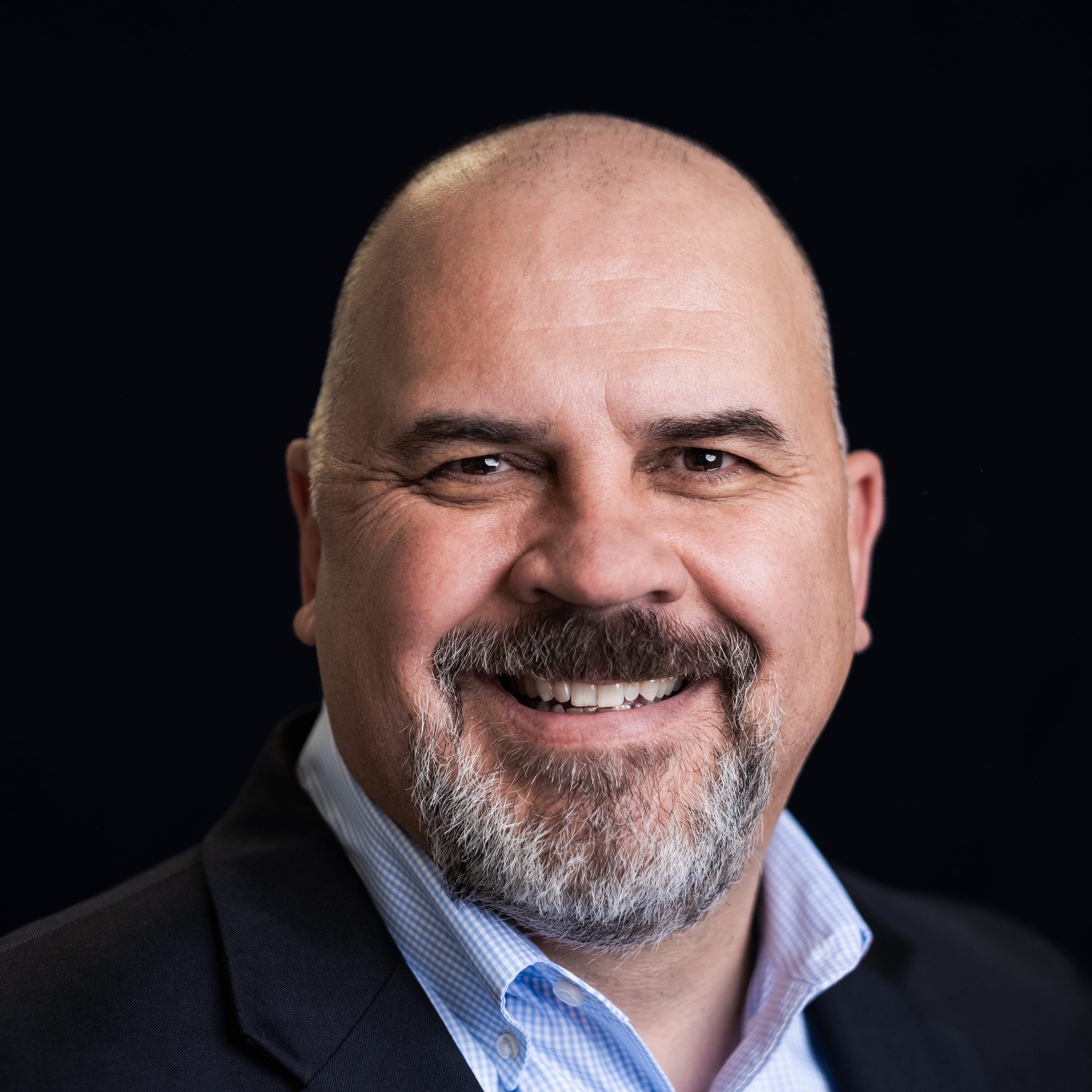
Thomas Cornely, Nutanix
Thomas Cornely, SVP of product management at Nutanix, sits down with John Furrier and Bob Laliberte of theCUBE Research at Nutanix .NEXT to break down where hybrid cloud is headed next. Cornely unpacks the engineering vision behind Nutanix’s evolving platform, sharing how the company is rethinking scale, agility and customer-driven innovation.
During the conversation, Cornely explores how Nutanix is reshaping its approach to cloud-native applications, AI integration and strategic ecosystem partnerships. The interview spotlights Nutanix’s blueprint for future-ready infrastructure, from platform design to simplified operations that align with the needs of modern IT leaders.
Cornely also outlines the technologies enabling Nutanix’s zero-touch, Kubernetes-centric architecture, tools built to support seamless data mobility, stronger security and flexible deployment models. As more enterprises embrace distributed systems, Nutanix is doubling down on making hybrid cloud both intuitive and powerful for real-world business transformation.
Thomas Cornely, SVP of product management at Nutanix, sits down with John Furrier and Bob Laliberte of theCUBE Research at Nutanix .NEXT to break down where hybrid cloud is headed next. Cornely unpacks the engineering vision behind Nutanix’s evolving platform, sharing how the company is rethinking scale, agility and customer-driven innovation.
During the conversation, Cornely explores how Nutanix is reshaping its approach to cloud-native applications, AI integration and strategic ecosystem partnerships. The interview spotlights Nutanix’s blueprint for ...Read more
exploreKeep Exploring
What event are they discussing live in Washington, D.C and who are the key people involved?add
What are some of the key themes currently shaping the technology industry?add
What is the core of the Nutanix cloud platform and how has it evolved over the years?add
What are the current trends in hybrid cloud migration and workload management for customers utilizing VMware-based solutions like VMC on AWS and Nutanix cloud clusters on AWS, Azure, and Google?add
What are the benefits of having a rich ecosystem of certified individuals for a platform in the context of providing solutions to customers, particularly in the area of hybrid cloud computing?add
>> Hello, welcome to theCube. We are here live in Washington, D.C for Nutanix .NEXT 2025. I'm John Furrier, your host of theCube, with Bob Laliberte, research analyst for theCube Research. Paul Nashawaty's here. He's doing briefings. We're getting all the stories around the next generation infrastructure, hybrid cloud, which is basically cloud native, and of course ushering in the era of agentic AI. And kicking off .NEXT, Thomas Cornely, SVP, senior vice president, product management at Nutanix. Thomas, great to have you on theCube. You got the keys to the kingdom, you got the product management, the customer, you see the engineering, you kind got to manage two sides of the fence. Welcome to theCube. You're kicking off .NEXT.
Thomas Cornely
>> John, Bob, thank you for having me here. It's awesome to be here. I'm in .NEXT 2025 in D.C. You can feel the vibe, as you were just talking about earlier, right? But yes, it's the best job.>> You have a lot of content we want to get to, so I want to jump into that, but I just want to set the table. Bob and I have been looking at the market with our team and you're seeing the perfect storm of innovation. We're in a shift. You got major infrastructure advances at the platform level. You have cloud native maturing. Platform engineering has been grinding away for over a decade, certainly Kubernetes standardized. And then the agentic wave is coming in. You're seeing proof points, but still a lot of headroom coming on this new app market, which is going to take advantage of platforms. That's the theme. Platformization, replatforming, new platforms, connecting platforms. This is the theme. And Rajiv and I did a preview interview. Bob covered it in a deep way, and the research team. The platform era is here. As a product leader, what's your view on that? Because I think that is the big high-level trend that's really driving a lot of enablement. And it's not like, hey, here's a platform. It's like taking point best-of-breed and putting it into a platform for cohesiveness. Share your thoughts on this.
Thomas Cornely
>> You have to work at it, right? So if you go back, back in the late '20, '21, Nutanix was known as hyperconverged infrastructure, and other things, different products. And with Rajiv coming in, we made a conscious shift to, okay, let's go build a platform and actually sell as a platform. But platform is not something you say, "Okay, I'm a platform today," as you just saying. You have to have the right product. But what makes the platform is ecosystem. You have to engage with ecosystem. And so we're going back to being the right job and this is the best job you can have right now. You be great tech, sure, that's fun. You have great customers. But you have this whole ecosystem you can work with, partner with to actually end up delivering stronger solutions to the market.>> This event, people can see in the background, I can see the big stage over there, the vibes are good. And it's, I won't say a new Nutanix, but it's a new market. Could you share what is the Nutanix portfolio look like? If someone said, "Hey, I know Nutanix, I had you guys, we were working with you guys," what is the new product? What is the new picture? If there's a new Instagram photo, what does it look like?
Thomas Cornely
>> That's right. Well, the core of the picture is what we call the Nutanix cloud platform. It's a combination of cloud infrastructure. It gives you your virtual storage, compute, networking and security all in one stack, and cloud management, operations, self-service, governance. Those two things, cloud platform. And that's kind of the core of the business. And that's what customers are modernizing towards, customers that need to go and get options are moving towards. Okay? And doing great. We've also been investing in cloud-native, as you know. And we now have what we refer to as the Nutanix Kubernetes platform. Something that we basically acquired based on acquisition from D2iQ a couple years back, doing fantastic in the market right now. Again, right product, right time in the market. And so we talk about that. And that core for us is always data-centric solutions.
Bob Laliberte
>> Right. Yeah, that makes a lot of sense. I think one of the things that I wanted to touch upon as well is, when we think about having that platform, one of the promises of having a platform is going to be a little bit easier to manage, have that simplicity, especially at scale. We're seeing organizations have highly distributed environments now, multi-cloud, data center, edge. How are you helping organizations, when you think about that platform, how are you helping them simplify their management at that level of scale?
Thomas Cornely
>> So we're doing two things actually. So for customers that are moving to Nutanix, we're investing in making it easier for them to migrate from what they currently have, or leverage what they already have. So you've seen us do announcements with Dell last year. This year the big news is pure storage now being supported with the Nutanix Cloud Platform. That's a big extension of our model even. So allow you to go and connect what you already have on the floor. That's point number one. In terms of how you manage, we're known for simplicity and we keep on investing into that. So even though as we add external storage support to our platform, the way you do things doesn't change. And that's a key differentiator for us. And scale. We're known for delivering solutions that go into retail environments. I mean, we have customers deploying thousands of stores using infrastructure as code as the foundation. We like to call it manage everything as code. And so for that, we have a new solution called the zero-touch framework, which automates deployment, but also enforcing configurations over time on thousands of clusters, while giving visibility. So this is quite unique. And we go to customers, we compete with your favorite big names out there, but at end of the day we win because our stuff works.>> Why are you guys winning? What's the key differentiator? Because obviously HCI, hyperconverged, you guys dominate, that's core. But that's evolving. There's an evolution going on there. I see partnerships extending with Ciscos of the world. You got a huge ecosystem that's developing. Storage obviously becomes super critical in these supercomputer clusters. The role of storage is changing. So storage, network, compute, the holy grail of compute, storage, networking-
Thomas Cornely
>> It's complex, right?>> It is popping, right? It's booming. What is the product differentiation? Okay, I got the HCI, been there. What's the product differentiation that gives you guys the edge?
Thomas Cornely
>> When people think about HCI, they think of AI-converged things and they're thinking of the box, right? But actually that's not the differentiation of HCI. The real differentiation is how you actually manage the environment. The fact that you have automation built in throughout to take care the tedious stuff. End of the day, what you care about is your application. Deploy applications, protect applications, move applications. Whether they are VMs or container-based applications. And that's how we differentiate. Because we've been doing this in a very unique way for 15 years now. And we're extending this now not only to VMs but also containers thinking of that application containers, all of its data running anywhere.
Bob Laliberte
>> Got it. And as part of doing this platform approach and taking it to the customers, are you finding any new use cases that they're enabling by having this simplified management, this platform at scale?
Thomas Cornely
>> Well, what we're finding is they are, same thing with macro right now, optimizing their operations, reducing cost, getting better TCO. So that's a big win already. And a lot of it ends up being, can I deploy this out there? And the answer ends up being yes. Before they're like, "No, you have to go design something brand new, different." And then you can actually do this very easily, you can do it faster. So you're more agile, you're more nimble, you can respond to your business needs faster. Whether you want to go into something in a different location, in a different geo, different country, use the cloud, don't change how you run things.
Bob Laliberte
>> Got it.>> The hybrid cloud bet, people who made the bet on hybrid cloud was a good call.
Thomas Cornely
>> It was.>> So if you're on a product or you're looking at a core competency, hybrid cloud was a winning bet. Talk about the importance of why hybrid cloud was a good bet then? And what is that shaping into now and what is it enabling? What's flowering out of the cloud-native world?
Thomas Cornely
>> I mean, hybrid cloud then and hybrid cloud, to the bulk of it today still ends up being about VM workloads, right? And we see customers that invested heavily into solutions like VMC, for example, the VMware cloud from AWS. They need to migrate because of what's going on in the market and ecosystem. And we've got fantastic solutions for them to leverage working with AWS and doing migrations literally like every week. And you get customers migrating thousands of VMs in a matter of weeks->> Got it.
Thomas Cornely
>> ... from a VMware-based environment to a Nutanix cloud cluster on AWS environment. But we don't stop there. We've extended the portfolio. We have cloud clusters on AWS, on Azure, and we're just announcing on Google. So we're giving our customers full options. But that was then. VM-centric core legacy workloads, right? Traditional workloads. The new one is cloud-native, as you mentioned. But cloud-native is Kubernetes-centric. So supposedly, yes, you can run Kubernetes anywhere, but you have to go manage infrastructure. And platform teams are taking over, looking for one tool to manage consistently, whether you're doing this on-prem, at the edge, in any cloud, one way of managing. And data is another problem that we solve for.>> So I want to get your thoughts on this modern hybrid cloud approach. We call it super cloud. Years ago we coined that term. Because it was more of abstraction around managing the clouds. Complexity is increasing as agentic's coming in because of the data layers.
Thomas Cornely
>> That's right.>> And security resilience is super high. The bar of security for cyber resilience is way high for generative. Okay, that's coming. Now coming in today, you got security, you got global scale and complexity. What's your thoughts on those three variables?
Thomas Cornely
>> I think on the security point, this is where the value of platform really shines. And we have great demos that we do tomorrow morning here to showcase what you can do using Nutanix end-to-end in terms of virtual networking, network security, data lens for data protection against ransomware. And combining all of these things together. So you have layer protection, you can detect things as fast as possible, you can respond automatically, setting up environments for forensics automatically, and then recover from your mutual snapshots. And all of that, if you have the right foundation, all these things could be super complex to do. With the right foundation it's one product. And that's kind of what makes us special in that space. And in this you address complexity, you address security. And in the end you're allowing this to run air-gap. I can write it in your VPC in AWS, I can write in virtual network. You can do it anywhere. And that's the beauty of what we've been investing in.
Bob Laliberte
>> And that's really important today because, like you were saying earlier, cloud-native doesn't necessarily mean having to be in a public cloud.
Thomas Cornely
>> No, I love this.
Bob Laliberte
>> So organizations can deploy their cloud-native applications in their own data centers, at the edge, in air-gapped environments. And again, like you said, the simplicity of having that common management platform to enable them to do it really accelerates their ability to deploy and run these things at scale.
Thomas Cornely
>> Totally. And again, and what we see is it's about management. It's also about the data platform, because end of the day applications have data and you have to be able to move that data with the application. So I'll give you an example that we use internally ourselves. We have lots of products that are cloud-delivered. And so they're running in public clouds because that's easier and so forth. But our development teams don't build them in public cloud. It's actually more cost-effective for us to develop on-premises. And so we use our own tooling for management, for data to actually build on-premises, and then do all these processes and then deploy in production in the cloud while everything is done on-prem at large scale with lots of people doing things.>> Thomas, how about the air-gapped cyber ? I think that's what jumps out at me because I think we've seen air-gapped before, obviously in solutions around ransomware. But talk about what that means? Because you mentioned moving things around. You mentioned data, data security. Just came back from RSA, the hottest market sector, data security kind of in quotes because it covers many things. You guys talk about cloud-native anywhere. Love that term. That implies global scale, workloads move around, end-to-end as a feature. Why is this air-gapped security resilience important? Why should people pay attention to it? What's new about it and what's different from kind of how I might think about air-gapped?
Thomas Cornely
>> I mean, we chose to highlight it because we're in D.C, so just nature of things. You're like, okay, this is an environment that we care about these things. But actually we all are affected, right? And whether you go all the way to air-gapped or not, the different layers of protection matter. And you should have, the thing that should do by default, that we deliver by default in a platform around is your infrastructure itself secure? Are you hardened as your platform? Something that people don't realize, most products take effort to harden. Nutanix is hardened by default. You deploy, it's hardened and you stay hardened. Stick compliant is what they call it, right? But then you layer on top networking, network security, all of this again software that does things for you through automation. And so having this protective layer and actually protective layers by default around you is what makes this possible.>> Talk about data protection as not a point product but a platform feature and how you guys think about that from a product standpoint? Because you go back only a few years, hey, we need some data protection. You can buy a SKU. There's a SKU for that. Maybe a best-of-breed or point solution. But it's more than protect, it's detect, respond, remediate, but it's also recovery. These are resilient features that are platform specific. What about this re-platformization of this concept?
Thomas Cornely
>> It goes back to the topic of how fast do I recover? I need to detect. That's one thing. I need to actually respond to block the attack. That's one thing. So products will do that. But from that point on, what do I do? I just looked at my environment. End of the day, I need to get back in business here. So get back to a clean point and recover my applications. And this is where the end-to-end platform starts here. Hey, don't just look at this part of the workflow. I can automate the entire workflow for you because I have this thing that's already built in. I'm just calling up APIs. One thing we discussed earlier around the platform is we invested into this platform approach and we revamping all of our APIs years back. Okay? And we actually launched what we call API v4 end of last year. And we're now building all of the automation on this new revamped API platform. That allows us to do things at massive scale with performance. Allows us to go and showcase this type of fast response to cyber attacks.>> But you built in recovery from day one?
Thomas Cornely
>> Correct.>> Not like a bolt on?
Thomas Cornely
>> No. I mean, that's the core of Nutanix. Nutanix started as a data company, we still are a data company. And what I like about this one is, from a strategy perspective, and we talk about this now, between edge, on-prem, multiple clouds, now AI, data is super complicated. So if you can be an expert at data, you have a job and a business and products and value to deliver for decades. And this is where we're at. And now we complement, because people get data but actually want to have this whole solution. And so if I can drive my data services from the top down, I can really enable easy-to-use, easy-to-adopt solutions.
Bob Laliberte
>> Yeah, I was having dinner last night with the database team and they were talking about their recovery options that are built in and the ability to get it back. And they were saying a difference of something like 120 hours versus eight minutes to be able to recover a database and things like that.
Thomas Cornely
>> You see it in deployments. Customer's like, "Hey, it should take weeks and I can do it in 20 minutes," in terms of deploying your environment for an application team. And then the recovery is even faster. By the way, what we find when we do POC to customers is very often they have a recovery plan. They're like, "Actually it never works." But this one works in our POC.>> You mentioned the different edge environment, edge on-premises and cloud. Obviously that's Nutanix kind of a wheelhouse. And looking at the AI adoption, specifically agents, not GenAI, agentic, but like people are doing agents, they're real, but they're usually use cases that are targeted, very automated, oriented with some generative approach. But most of the production adoption we're seeing on the surveys is in cloud.
Thomas Cornely
>> That's correct.>> On-prem is in POC mode moving into production.
Thomas Cornely
>> Correct.>> What's your view on that? Because that's where a lot of the practitioners that we talk to, they're looking at their system architecture, their totality of their environment, not like this one department. What is the relationship that you guys see with, say AWS for instance, big partner of Nutanix? How do you walk a customer through this kind of, I won't say dance, but it's very ... It's system design. Because there's consequences.
Thomas Cornely
>> You're hitting the nail right on the head, right? Is we can talk about AI because you're going to change everything. And we think of changing how we do things in our own life, how we run our businesses. We come to infrastructure, actually AI requires you to go and rethink your infrastructure platform. And the first thing that most people miss, and that's what we're going into by the way, every time we go do a POC with the customer, you go deploy our products, you say it's enterprise AI, it's all about automation for how you deploy models and agents. And first thing they're looking for like, "Oh, I don't have Kubernetes." Of course it runs on containers. But most customers don't have a ready-to-use Kubernetes platform that, hey, let me go and deploy this here because now I can go to my next step. So you stumble on something that's so basic in a way, which you don't worry about when you're in the cloud, consumer service. But on-prem you're back ... You don't have the right foundation. This is where we can help.>> Again, the container bet's a good one. I mean, it's a 20-year run coming with containers. But we've been talking on theCUBE for multiple years now around this trend of systems thinking. I mean, it used to be agile, move fast, design thinking. There's a whole era upon us around a systems revolution's back and it's not just infrastructure.
Thomas Cornely
>> The big thing, John, is we talked for the last 10 years, 15 years, we talked about DevOps. It was developer first doing ops, supposedly. I think over time what ops people realize, actually developers don't do ops because that's not what they want to do.>> Correct.
Thomas Cornely
>> They want to develop applications. So somebody else has to go and take over. And you mentioned it earlier, right? Platform teams, right? Platform engineering. Now you have people that that's my job to make sure that this Kubernetes layer and this platform services is maintained, up-to-date, secure, governed. And so analysts talk about a second wave of Kubernetes, because now we're talking about Kubernetes for production, not Kubernetes for development, where I just want to be on my own doing my thing. I need to run this production and now I have to go and report back. I have governance policy, I have compliance. And now need new tools. And this is where we come in with NKP, where we come in with our data->> It's like business as code. It's DevOps, it's business as code.
Thomas Cornely
>> It is business as code, right? It's not just application as code.
Bob Laliberte
>> Absolutely.>> Well, I'm super excited for what you guys are doing. Again, the bigger trend that we are researching heavily is the platform engineering convergence, the nexus between analytics world, which is an operational framework with platform engineering. There's going to be a nice layer, platform need, I call it a DMZ for business, which is the platform engineering teams tend not to kind of be the same persona as the analytics business logic.
Thomas Cornely
>> No.>> I mean, it's a whole different world. What's just your reaction to that? Because we're doing a lot of work in this area. Because if you put it together, you might have OpenStack. So two worlds, they need to coexist, but you don't really want to blend them. You're smiling.
Thomas Cornely
>> Yeah, because for us, we look at, we have our core buyers historically, we refer them as the cloud admins. People that do that first layer of a tradition, from bare metal to servers, VMs, storage and networking, cloud admins. On top of them, you get a team take care of the Kubernetes layer and the platform services that will enable the apps. Those are the platform engineers. So there are two different teams today. But we do have environments where they're already merging. And that's the key thing for us, is how do we help. People have been running infrastructure at the cloud layer to progressively be able to go and expand up the stack to actually take on the platform engineering jobs also. Because right now you have a gap in talent. And the faster we can actually understand infrastructure, understand operations, understand production and make them able to go and do this for containers and Kubernetes anywhere, better is going to be for all of us.>> Our opinion on this is very clear. We're opinionated on this. We may be wrong, but I don't think so. We believe that the platform engineering teams will set the pace of play because they're used to scale.
Thomas Cornely
>> Yep.>> Analytics, I mean they scale data, but the data's not scaled yet. So I think data will scale on that side.
Thomas Cornely
>> Correct.>> But the platform engineers are doing the enablement at scale. What's your thoughts on that? You agree?
Thomas Cornely
>> Enablement at scale ... Absolutely. That team is what's going to enable us to run those applications at end of the day, and do it securely, safely, reliably. So it's a different mindset, right? Because now you're taking care of how do I go make clearer these things can sustain an attack on this region?>> We get calls all the time. Bob and I get calls on our team from your partners, they're all here. We go to their events, we see them at all the events. What's the partner ecosystem converting into? Because that's evolving too very fast. It's not just throw some APIs, be on the cloud.
Thomas Cornely
>> No, no, no.>> Because it's now a complex distributed computing architecture, there's now an ecosystem formula we're seeing where customers are leaning on partners to in some cases operate.
Bob Laliberte
>> Correct.
Thomas Cornely
>> Yeah, yeah.>> So what is your thoughts on the modern ecosystem? Let's just call it modern ecosystem, I guess that's a word. It's not really a word. But they have to do different things because data's involved, there's expertise. You got automation. What's your view on ecosystem?
Thomas Cornely
>> It's very rich. And as we said earlier, lots of people here to help customers get to solutions. Customers want solutions end of the day. If you can get solution as a service, in some cases even better. And that's something that you do with partners. First of all, it's supporting the app and having the right application stack, the right solutions around it to protect the environment. So those are people that will be certified on your platform. Again, we say doing things in hybrid cloud, you have to do it in cloud, you have to do it on-premises. And very often on-premises is more complex, because that's where you have to get your hardcore certifications done and so forth. Our differentiation, we've been at this for more than 10 years on the compute side, and so we have a very rich ecosystem of people certified in EHV. And that trend is accelerating in terms of people coming to us, getting certified on our platform because of market dynamics. And then you complement people, I want to be NSV. Again, macro-dynamic. The amount of demand for serving clouds is exploding. We talked about AI. People want to do AI on-premises. We see customer, mainly outside of the US, I am doing AI on-premises because I'm not putting in a cloud. Not right now.>> The crown jewels is the intellectual property. It's the data.
Bob Laliberte
>> Data. Yeah.
Thomas Cornely
>> So exactly, right? Then they're like, "I'm not going to be building my data in this cloud because I just don't trust it at this point. I'll wait. So I'm investing on-prem." And we have a lot of these engagements right now to deploy AI infrastructure for agentic AI on-premises behind firewall, a lot of them in the EU, Middle East, Asia.
Bob Laliberte
>> And they need that blueprint, right? Because they don't necessarily have the skills and resources to understand it.
Thomas Cornely
>> That's correct.
Bob Laliberte
>> So you working with your partners to come together and say, "Here's the solution."
Thomas Cornely
>> And when you have the right infrastructure platform-
Bob Laliberte
>> Correct.
Thomas Cornely
>> ... everybody focuses on the value point. I don't spend time figuring out, "Oh, do I have the right open source?" It's there. It works. Trust it. I'll take care it for you. Focus on the app.>> Thomas, great to have you on. Great to kick off the event. Love the product angle. A lot more research and products coming together. Also ecosystem coming into the product teams as well. Great insight on some of the things that you got going on there. And again, thanks for coming on theCube. Appreciate it.
Thomas Cornely
>> Thanks for having me. I have one last word, the key theme of this conference, run anything anywhere. I love the fact that we spend so much time on ecosystem, because that's exactly anything. And anywhere is all about Nutanix. Thanks for having me.>> Congratulations. Love the platform play. Of course, platforms are really critical for bringing in the AI because the data needs to be highly available, highly secure. And platforms are replacing best-of-breed point products to scale. Of course, we're bringing you all theCube everywhere, anywhere here on theCube. Here in Washington, D.C, I'm John Furrier Bob Laliberte. Thanks for watching.




 Bob Laliberte