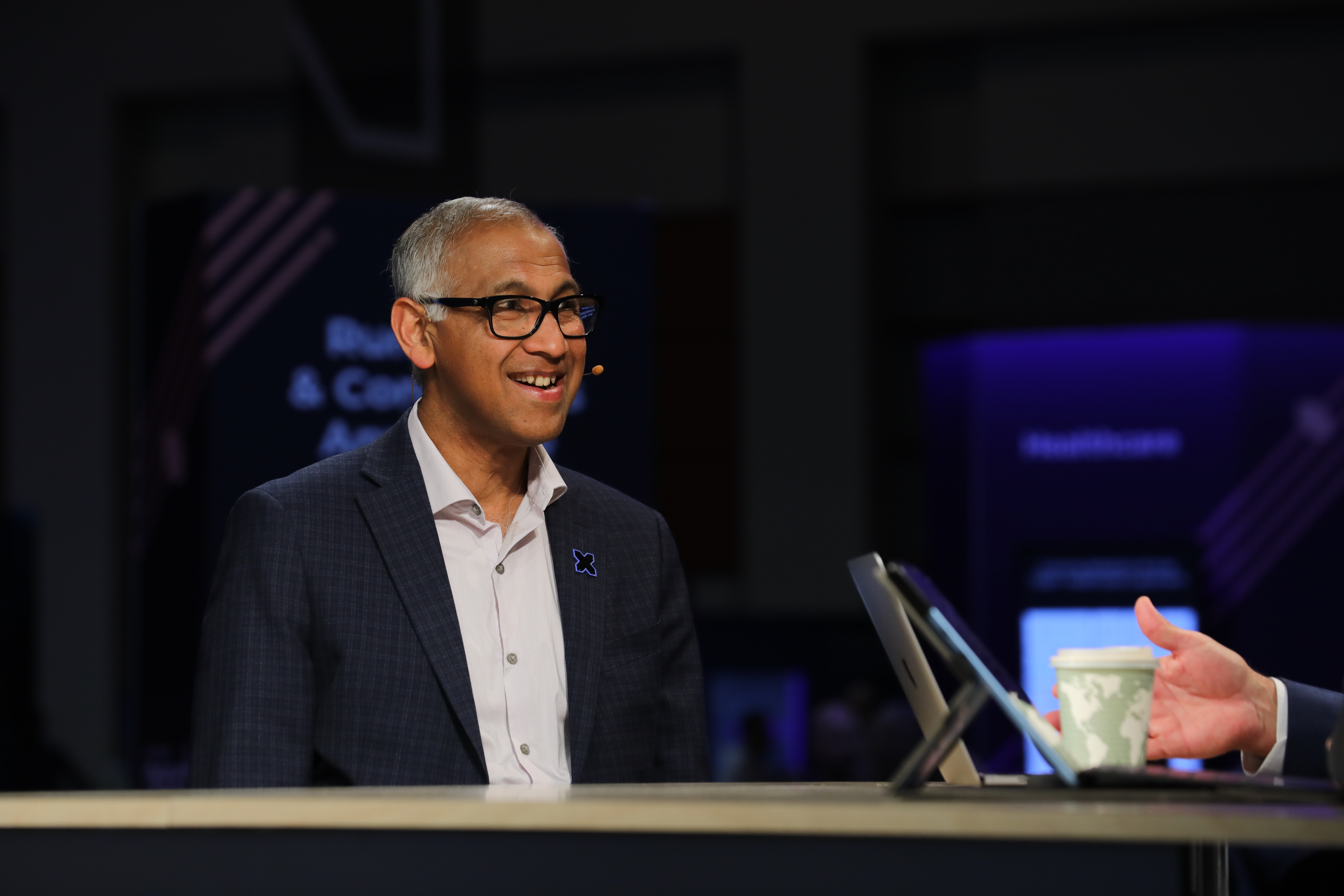
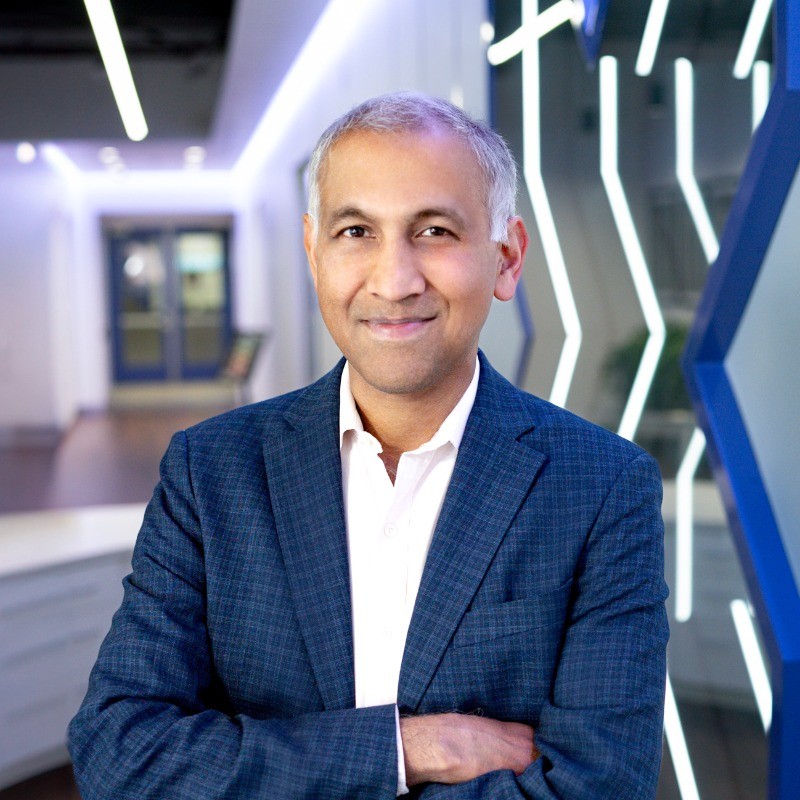
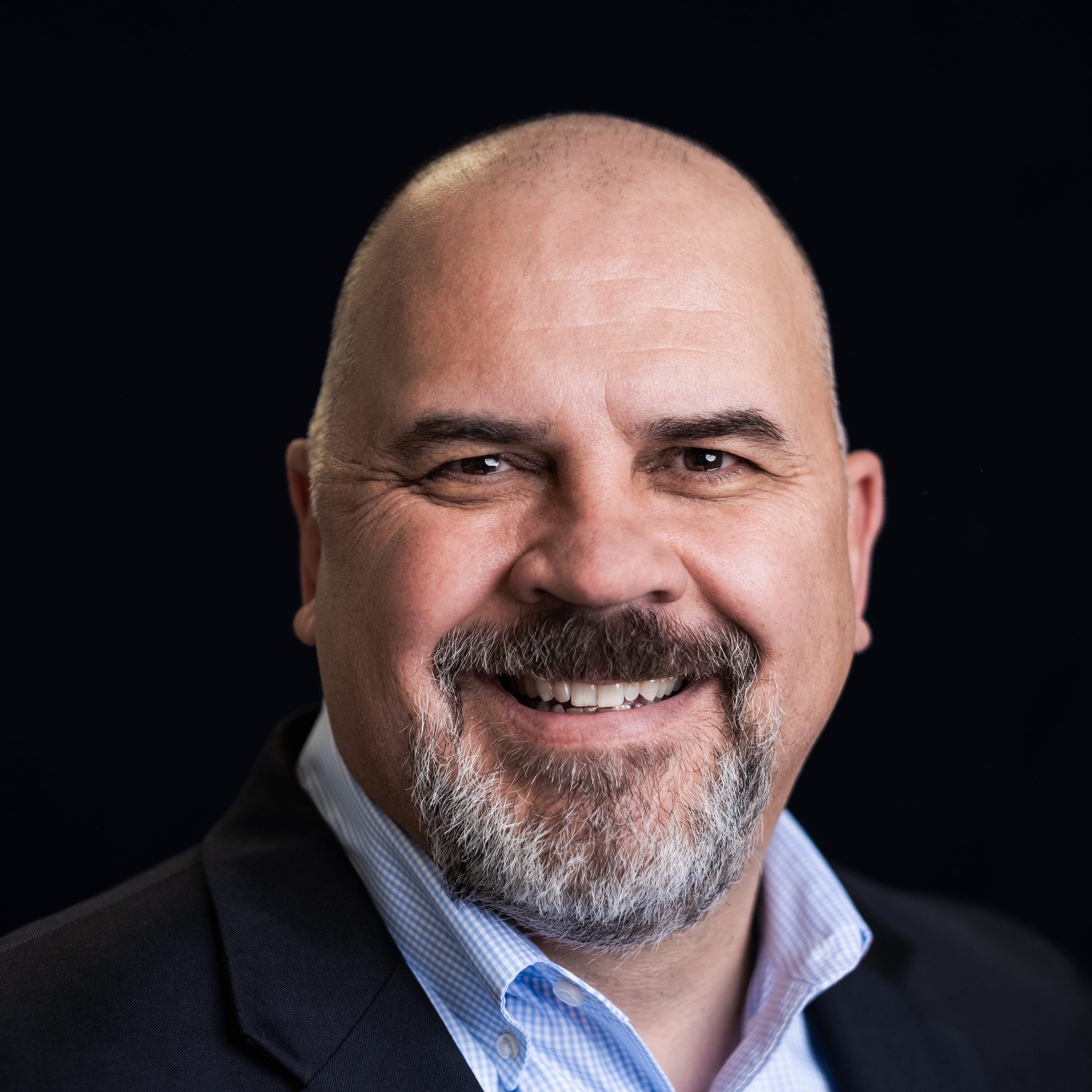
Rajiv Ramaswami, president and CEO of Nutanix, joins theCUBE’s John Furrier and Bob Laliberte at Nutanix .NEXT 2025 to reflect on the company’s evolution from hyper-converged infrastructure pioneer to modern platform powerhouse. The conversation explores how Nutanix is investing in technologies such as Kubernetes and AI to meet future enterprise demands.
Drawing on decades of experience leading platform companies, Ramaswami outlines the strategic shifts shaping Nutanix’s next chapter. From ecosystem expansion to deepened customer focus, he emphasizes the importance of agility and long-term thinking.
Real-world examples from customers such as the US Navy and Micron illustrate how the platform supports modernization and innovation at scale. Ramaswami underscores that sustained success depends on partnerships, adaptability and a relentless focus on outcomes.
Forgot Password
Almost there!
We just sent you a verification email. Please verify your account to gain access to
Nutanix .NEXT 2025. If you don’t think you received an email check your
spam folder.
In order to sign in, enter the email address you used to registered for the event. Once completed, you will receive an email with a verification link. Open this link to automatically sign into the site.
Register For Nutanix .NEXT 2025
Please fill out the information below. You will recieve an email with a verification link confirming your registration. Click the link to automatically sign into the site.
You’re almost there!
We just sent you a verification email. Please click the verification button in the email. Once your email address is verified, you will have full access to all event content for Nutanix .NEXT 2025.
I want my badge and interests to be visible to all attendees.
Checking this box will display your presense on the attendees list, view your profile and allow other attendees to contact you via 1-1 chat. Read the Privacy Policy. At any time, you can choose to disable this preference.
Select your Interests!
add
Upload your photo
Uploading..
OR
Connect via Twitter
Connect via Linkedin
EDIT PASSWORD
Share
Forgot Password
Almost there!
We just sent you a verification email. Please verify your account to gain access to
Nutanix .NEXT 2025. If you don’t think you received an email check your
spam folder.
In order to sign in, enter the email address you used to registered for the event. Once completed, you will receive an email with a verification link. Open this link to automatically sign into the site.
Sign in to gain access to Nutanix .NEXT 2025
Please sign in with LinkedIn to continue to Nutanix .NEXT 2025. Signing in with LinkedIn ensures a professional environment.
Are you sure you want to remove access rights for this user?
Details
Manage Access
email address
Community Invitation
Rajiv Ramaswami, Nutanix
Rajiv Ramaswami, president and CEO of Nutanix, joins theCUBE’s John Furrier and Bob Laliberte at Nutanix .NEXT 2025 to reflect on the company’s evolution from hyper-converged infrastructure pioneer to modern platform powerhouse. The conversation explores how Nutanix is investing in technologies such as Kubernetes and AI to meet future enterprise demands.
Drawing on decades of experience leading platform companies, Ramaswami outlines the strategic shifts shaping Nutanix’s next chapter. From ecosystem expansion to deepened customer focus, he emphasizes the importance of agility and long-term thinking.
Real-world examples from customers such as the US Navy and Micron illustrate how the platform supports modernization and innovation at scale. Ramaswami underscores that sustained success depends on partnerships, adaptability and a relentless focus on outcomes.
Rajiv Ramaswami, president and CEO of Nutanix, joins theCUBE’s John Furrier and Bob Laliberte at Nutanix .NEXT 2025 to reflect on the company’s evolution from hyper-converged infrastructure pioneer to modern platform powerhouse. The conversation explores how Nutanix is investing in technologies such as Kubernetes and AI to meet future enterprise demands.
Drawing on decades of experience leading platform companies, Ramaswami outlines the strategic shifts shaping Nutanix’s next chapter. From ecosystem expansion to deepened customer focus, he emphasizes t...Read more
exploreKeep Exploring
What is the intention behind the transition from being a best-of-breed HCI pioneer to more of a platform company at the recent event?add
What has been the evolution of Nutanix's product offering and strategy over the past few years?add
What is the focus of the organization from an opportunity standpoint, whether it be simplicity or operational efficiency?add
What are the four culture principles that guide our company?add
>> Welcome back everyone to theCUBE's live coverage here in Washington, DC. I'm John Furrier, Host of theCUBE, with Bob Laliberte, Analyst with theCUBE Research. Nutanix NEXT 2025, day one. Two-day conference around the future of the platform, future of cloud-native, future of infrastructure. Powering this next generation, Rajiv Ramaswami's here. He's the President and CEO of Nutanix, CUBE alumni. Great to see you. Got a smile on your face, you're feeling good. Great keynote.>> Thank you.>> Welcome back to theCUBE.>> Thank you, John. Thank you, Bob. Great to be with you all.>> Great to have you back on. And again, this event, great vibes, ecosystem numbers, breaking records, the messaging and the positioning with proof points. So you're not just saying, "We're a platform," you got all the substrate, you got the platform and cloud-native things are lined up. Are you feeling good about this right now? I mean, I got to think you're->> Absolutely, I mean, the energy here has been spectacular. We have been making this transition from a best-of-breed HCI pioneer in the industry to more of a platform company that's investing for the future. You've seen that big and clear in the show. I mean, you're at the show floor. We've got so many more partners here from an ecosystem perspective than we did before, and that's a sign of things.>> Build wants, run anywhere is the theme. Love it. You mentioned Nutanix, Kubernetes service, NKS, cloud-native AOS on AWS, GPT in a box, a future-ready platform. This is a big part of your keynote, significant customer testimonials, loyal customers. The platform is working, we love it. But you don't just wake up one day and say, "Hey, we're going to be a platform company." Take us through the intention, when you guys really saw this, when you were putting the gas on it, I know it's been a few years. Walk us through the scope and the magnitude of the trajectory.>> I mean, I think, look, I've been here now for about four and a half years, and I had worked at some companies that were platform companies in the past, and I saw what it was like to, when you have that kind of a platform in the market. When I came to Nutanix, I mean, it was always a great product. The product was great, customers liked the product, the NPS was already great so there were a lot of good things going. Now, to me it was just building on top of that, right? It's been multiple years in that journey now, and we have been building, right? We've been working on enhancing our product to bank it onto a platform. It doesn't happen overnight, as you said, it takes many years. We focused on going from being known as a company that could say, "Yeah, I can use Nutanix to run my VDI or end user computing workloads," to first, "Oh, I can use Nutanix now to run all my workloads, including mission-critical workloads. Oh, I can now connect Nutanix to some of my existing storage systems. Oh, now I can go run my Kubernetes modern applications on this and then now going forward, AI."
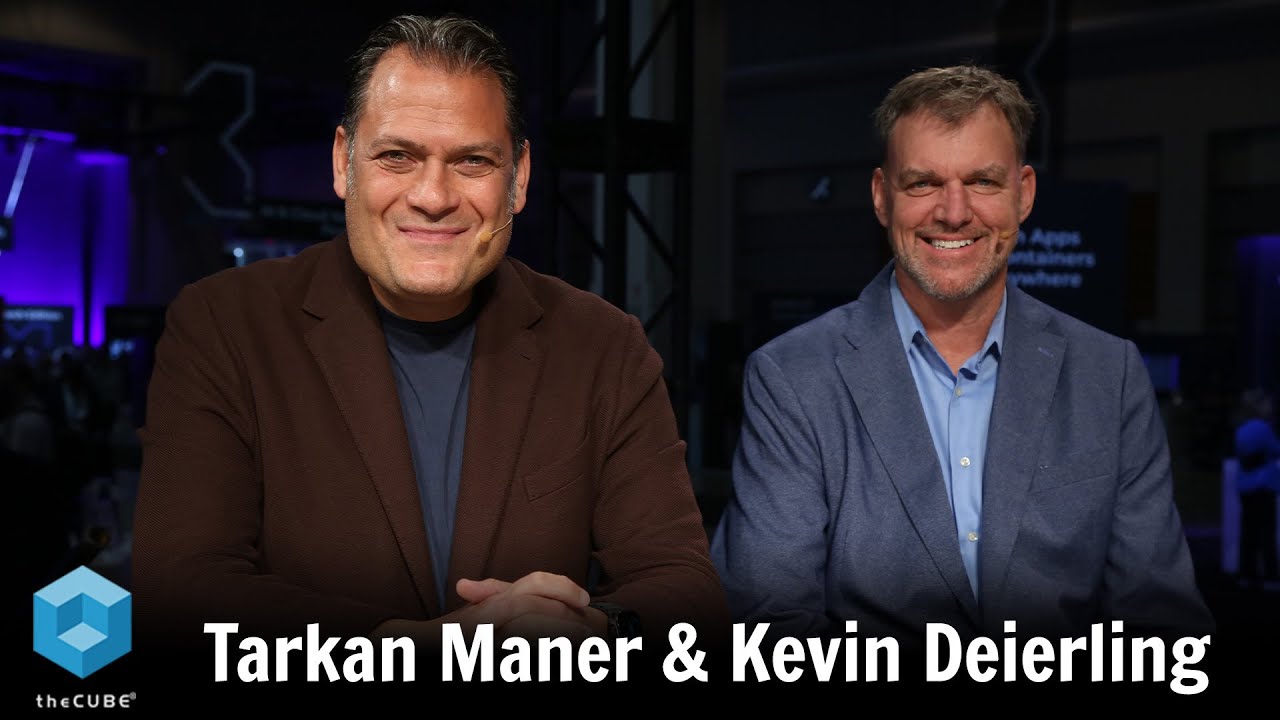
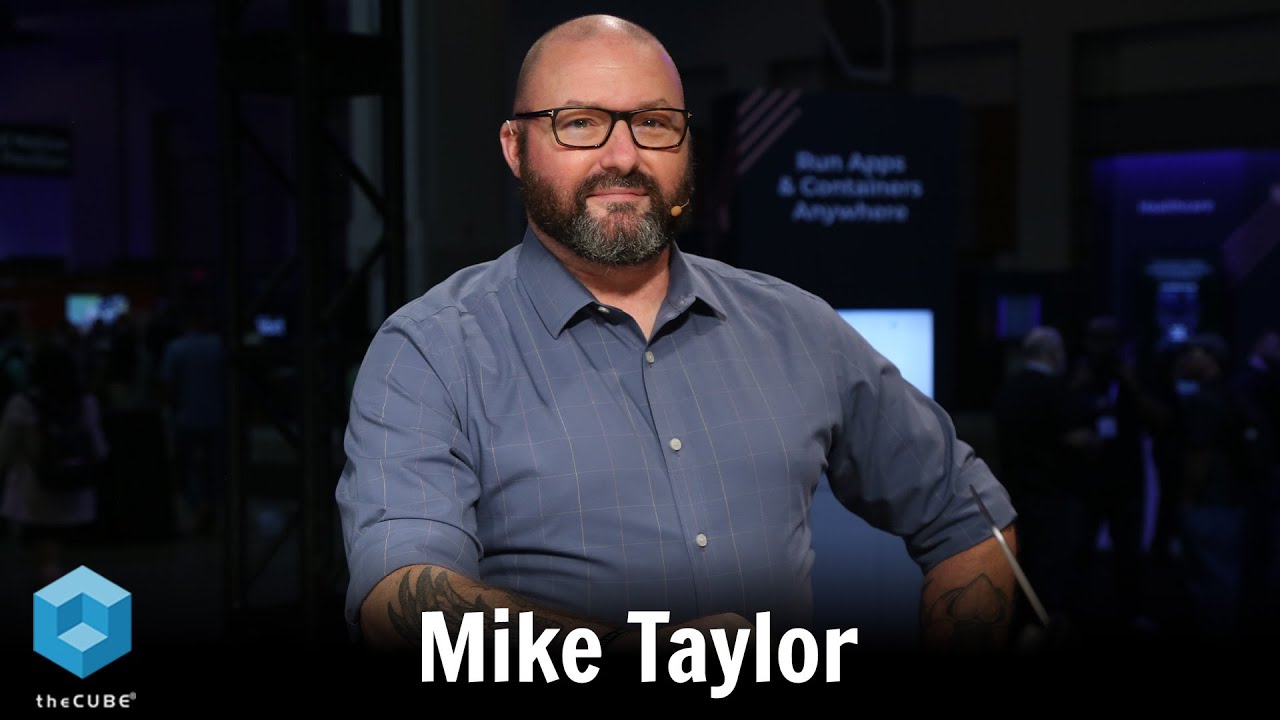
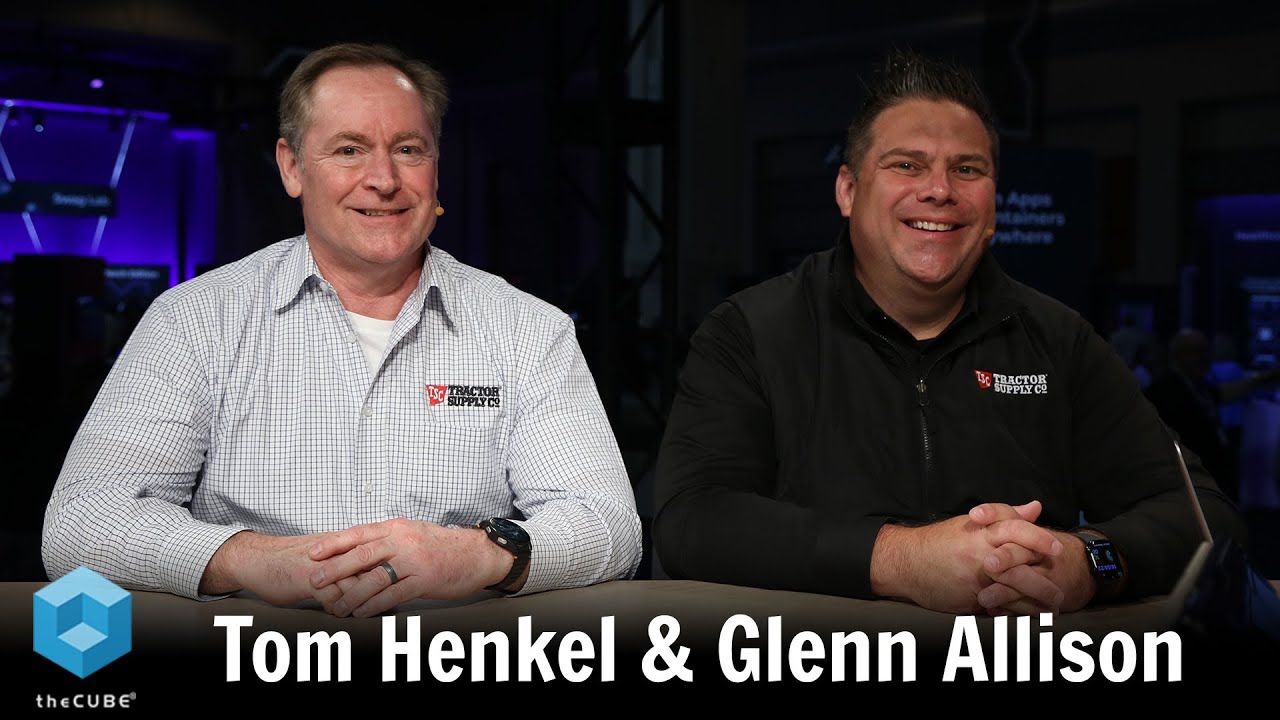
It's been a deliberate evolution of both our strategy, vision, and the ecosystem is coming along with it most importantly. Two years ago, by the way, I think at this show maybe we had about 25 ecosystem partners sponsoring it. Today, we have about 86 in this year. And by the way, these are big established companies. I know you've had here Dell and Cisco and NVIDIA and others, and AWS and Azure. These are the partners that we are building an ecosystem with. And with all of them, I think they're seeing a synergistic relationship together. We can serve our customers better.>> What I love about what you're doing, and first of all, thank you for sharing, but also, I'll add a little bit of a wild card in here for you, and one is you've been doing it under intense industry change.>> Yes.>> Take us through the mindset of how you navigated that, you came out the other side. I mean, it's a large-scale world. We're living in speeds above the essence. It's challenging.>> Yeah.>> Take us through the mindset of how you guys got through that and where you are now.>> Yeah, I think we've been through a lot of transitions. Some of it is technology transitions, some of it is industry transitions, some of it is business model transitions, and I think we've gone through all three of those now from a tech perspective. Look, I mean, I think we've, as I said, I think a lot of it has been investing in the platform, investing in where tech is going, where customers are going. They're going to be building modern applications, they're going to be looking at AI. Being able to anticipate and build appropriately, I think that's, and that's a key to survival of any tech company. You have to move and evolve because otherwise you're a one-trick pony. You're like a shooting star, you shoot, and after that you're done. But here, we have evolved, right? We went from HCI for VDI to full platform and now to the future. So that's on the tech side. Now, the industry landscape side of course is quite a bit of change here. Broadcom bought VMware. Great company, great technology, but now it's a different business model when it comes to how you approach the market. That's creating a lot of disruption and that's creating a lot of openings for us to go get customers that would not have taken us up at the same rate. We've been adding here, last quarter, we added 700 new customers. We are seeing that happen. While that's been going on, we've also completed our business model transition, right? Because we started out selling appliances, software plus hardware combined, and we sold software. And now a few years ago we transitioned to all subscription and we are largely past that. And all the while, by the way, maintaining happy customers, making sure our customers are happy, they like what they're seeing and they're continuing to invest with us and the journey. And you heard from several of those customers today on stage.>> Share some of the notable comments because I think that, you were taken back by that I noticed.>> Yeah. I tell you, I mean, I was quite amazed at how vocal they were. All the way from customers who've been with us for a long time to very new customers like Moody's for example, officially is not yet a customer. They just were early access customer for our PowerFlex solution, and here they are in the last six months. I mean, now they're on stage talking about the solution. They work with us and I hope this is the beginning of a great partnership for the next 10 years with Moody's. And then on the other side, you've got Tractor Supply and US Navy and they've been customers for a long time. I tell you, I mean when Mike from the US Navy, at the end of the day, I think to me the thing that moved me the most was at the end when he gave me those challenge coins and that was very moving. It was a very emotional gesture on the spot. It says that, look, sometimes what we do is it's not just about us selling a product to our customer and just getting them to buy more of it, it's more about how we are helping them in their journey and how they feel about us as well. In this case, as the US Navy's hospital ships, I mean it's for a good cause, I tell you, that was very moving. Tractor Supply. They grew from being a 5 billion company at the time, revenue at the time. We started with them 10 years ago, now to a 15 billion company. We've grown with them and they have been adopting AI. They're using AI on top of our platform today and see how they've evolved. Their use of the platform has evolved. We've grown along with them. And then you saw Micron, talk about massive scale. They talked about a thousand nodes, 40,000 cores deployed for their core manufacturing applications. They cannot tolerate any downtime in their fabs. Minutes downtime is millions of dollars, so for them, that's a very big deal. And so they talked about this. I think that's what actually what makes me really feel great about where we are as a company, and it motivates us and motivates our people to continue doing what we are doing to make sure, when we see that benefit and see what customers are getting out of it, that's really what keeps us going.
Bob Laliberte
>> Yeah, it seems like a lot of times when you look at that, what's that saying, that luck is when hard work meets opportunity. You've been putting the company on the right track to be able to take advantage of an opportunity that arose out of other circumstances, but now you're able to quickly capitalize on it. We're talking about it with Lee and with the gentleman from AC, from Dell about the duck analogy where on the surface it looks nice and calm, but underneath you're going really hard. It seems like, right, that's what you've, since you've taken over the company, you've made a lot of hard decisions to move the company in a direction that are now really starting to pay off, and not only from your business growing, but from the outcomes that businesses are achieving, whether that be saving lives, whether that be enabling people in rural communities to have a center to move to and attract to, et cetera. A lot of good things happening there. How happy are you with the progress that you've seen from the team to date? And is this just the beginning? What do we have to look forward to as well?>> I'll borrow an analogy from Michael Dell, by the way. He always says pleased, but not satisfied. I'm kind of the same way, which is I always think about what more we can do. I think the team has done a fantastic job. I tell you, I mean we've endured through a lot, right? I mean, Nutanix has gone through a lot of challenges over the last many years and we've built up to a point where we are and we should all be fortunate, and I thank my team for really stepping in and doing all of that. Now, that said, I think we have a lot more to go. I think, I mean, I like Robert Frost and he's got that poem about walking in the woods and he says, "The woods are lovely, dark and deep, but I have miles to go before I sleep," and that's exactly where we are. We have a lot more in front of us, and I think a lot to do and a lot that we can help our customers with. And I'm looking forward to the next five years.
Bob Laliberte
>> Well, and you certainly put yourself in a really good position with the platform approach, especially as AI is emerging and not just the backend data center training environments, but as you start thinking about how all that technology migrates to the edge and having that common platform that can be centrally managed right from all those different environments, it's certainly going to give you, again, a great opportunity to be able to help organizations.>> We absolutely think so. I have to ask you about going forward, obviously you mentioned Kubernetes, DTiQ is in the fold, great acquisition.>> Thank you.>> Cloud native is certainly is leveling up, enabling. If you're going to have a platform, you know this, you got to enable value.>> Yes.>> What is your view on the enablement from the Nutanix platform, given the market conditions, the demand for AI infrastructure and what you're investing? What's the bet? What's your 20-year bet? Hybrid, containers? As CEO, you got to make these bets. How would you classify the bets->> In very simple terms is this, right? We want to be the platform for companies to run applications and manage their data. The specific set of applications are going to evolve. It used to be VM applications, now it's cloud native applications. Tomorrow, it's going to be AI and AI influencing applications. I don't know what's going to come there for tomorrow, but the point is we have to evolve and we have to continue to evolve the platform as we go, and that's the platform. The platform cannot be static. It evolves, the ecosystem around it evolves. I mean, if you look at it, a lot of these partnerships we didn't have a few years ago, and now we do. I think the 360 nature of these partnerships will also change over time. It's all about continuous evolution and trying to anticipate what the next thing is going to be and going off and being able to do that.>> Talk about the partner equation. It's changed, it used to be some joint marketing, joint selling. They used to call them Barney deals in some cases, it looks good on paper. Now it's different. There's engineering involved because the platform's just point of best breed point solutions in the platform because you need end-to-end visibility at scale.>> Yes.>> That seems to be the trend.>> Absolutely, yes.>> What's the ecosystem formula that's making it successful with Nutanix? Is it engineering? Is it the co-marketing? Is it all the above? What would you say to that question?>> Look, first of all, I think it depends on the partner, right? And depends on the specific relationship with the partner. I think first, it's important that you take a 360 view around you. Who are the partners, and make sure you're working with the right people at every level in the stack. I mean, if you look at it from a hardware, of course, Intel and AMD have been partners for a long time for us. Now NVIDIA has become a major, major partner with the advent of AI, right? Then of course all the server manufacturers. Then you go into the cloud providers, and there again, we have the big hyperscalers, and then of course you have the MSPs, managed service providers. Then you go into the Kubernetes hypervisor. Of course, we run on VMware and we now have our own hypervisor of course. And then you look at the cloud native stack, and again, we have our own stack, but yet we partner with Red Hat on occasion. And sometimes we complement Red Hat with our data services welcoming their Kubernetes platform. It's a complex ecosystem and you have to understand places where you can actually work together to help. Ultimately, it has to be can we come together and help the end customer? And if so, great win-win. There may be areas where we compete with them, that's okay, but there are areas where we can come together and win.>> Okay, so I love you want to run apps on your platform. You guys come from the infrastructure side with HCI, check the boxes there. No problem. Love the cloud native. What are you focused on from an opportunity standpoint? Is it simplicity because that's part of your messaging? Is it operational? Because you got a lot of things you're plugging into because you're an operating, almost a control center for AI factories on one hand, could be clustered systems, could be on-prem cloud migration. So you're managing data and apps that's going to be horizontal and then with AI, you got a little vertical domain specific thing, software.>> Yes.>> Apps. What's the focus? What's the area you got your eyes on? You have to pick a spot on the stack. Is it infrastructure? Some people going lower, so the code.>> Yeah, we have very core infrastructure, virtualizing our compute, storage, networking, providing the automation. That's really our bread and butter. Within that, I would say we've always historically been good at managing data. Our compute piece was something that we got from an open source community, KVM, we built up the hypervisor around that. And then on top of that, our computer on the Kubernetes side is also very much open source. On the data side, we have our own proprietary IP. We are really, I think investing in enhancing that. That's the core proposition of the platform, and then really I think in terms of when we talk to our customer, this is really about their applications. What applications do you have? Can we run those in the platform? And can we reduce your cost of ownership? Can we make it simpler for you, and can we get great performance, and mission-critical resiliency, right? All of those, it's all the above that have to come together to make it a win from a customer.>> What are customers saying? I mean, we had some comments earlier, like machine learning guys are driving a lot of the change on the AI side, but IT's slowing things down. You guys help them go faster. That's one clear thing. You would agree with that.>> Absolutely.>> Okay, so check.>> Yes.>> Where's that value with the customers? Where are they seeing Nutanix today shine? Is it making IT faster, simpler? Is it for on-prem?>> Well, historically it's been all on-prem. Okay. But now it's both on-prem and public cloud together, okay. It's a hybrid story, but it's always been about TCO, right? Total cost of ownership, making it really simpler, making it more automated, driving cost of ownership down and providing a consumer-like ability to run enterprise infrastructure. Really simple, I think that's been the core value proposition always. It continues to be the core.>> Got it.
Bob Laliberte
>> That's so important these days because so many of the new technologies that are coming out, and we know the technologies are coming out faster, they're being adopted faster, but yet the ability for the resources onsite to get trained up on it is harder.>> Right.
Bob Laliberte
>> Again, having to make it simpler, having to do things like we were talking some of our sessions earlier, putting together the blueprints to help organizations accelerate their time to adopt and their time to get value from a solution is going to be so important.>> 100%. Many of us in tech focus on the technology, right? But you actually have to have, as important to focus on the people side of the equation. You have to solve that problem, right? Most companies have short of talent, they can't find enough talent. And the talent that's coming out of colleges is more consumer-oriented, right? They're not CLI oriented, so you've got to make it really easy. think if you can actually focus on making the daily life off our customers better, then you will win. And you saw that today, right? Every customer, I mean, it basically makes their life better.
Bob Laliberte
>> Yeah.>> That's what we try and do at the end of the day. I mean, if stuff works, they don't have to wake up on a weekend trying to deal with problems. And if there's a problem, you know what? We take care of it quickly, so the human side of this is super important.>> By the way, that comes up a lot on theCUBE. You guys solve the problems before they even get them. That was one good shout-out. I want to get your reaction to what Dave Vellante always calls the sequence of events. His favorite phrase, whether it's how we do business or just in general. It's hard to run the future or even innovate if you don't modernize first. You guys have this theme, run anything anywhere, build first, run anywhere, but modernization really is a critical first step.>> Yes.>> This is where your core is, you pointed that out.>> Correct.>> What happens next? Because now, it's hard to run something on a sub-optimized, non-modern infrastructure because you're constantly optimizing for efficiency.>> Right.>> Take us through the modernization, the runtime, and then the innovation that comes out of that. What's that sequence chain look like?>> And by the way, that sequence can be slightly different, depend on the customers, but for the vast majority of them, yes. The first step is modernizing that infrastructure. And when we say modernized, it's like really creating a public cloud-like environment. A cloud environment doesn't have to be public. It's cloud. Cloud to me is defined by automation. It's defined by APIs and being able to consume things on demand without having a lot of manual intervention and being able to virtualize everything that's underneath the cover so that it's all transparent to you. So it's creating that cloud. That's the first step in modernization. And once you create the cloud, by the way, the location can be anywhere. Can be on-prem, it can be in the public cloud, it can be at the edges. Now, that then provides you the foundation for doing more stuff. Then you start doing cool things, right? Building your modern applications on top, running your AI applications on top, but the infrastructure is that cloud-like experience.>> Rajiv, I know you got to go. Really appreciate taking time out of your busy schedule, Bob, and I really appreciate it. We're looking forward to following up, but more a deeper dive. My final question for you is, every company has a cultural DNA. Intel had Moore's law. They asked for smaller, cheaper cadence of Moore's law. What is the culture of Nutanix right now? How would you describe it to someone if they asked you, what's the culture like?>> Look, I think it is really this, and we have four culture principles. The first two of them are we are obsessed about our culture, customer success. Okay? That's number one. Obsessed is the word. Second is we think long-term. Really, right? I mean, the third is we work together as one team and we are accountable. I mean, I think these things are fundamental. I mean, there's nothing to do with the technology.>> They're first principles.>> Yeah, first principle. But at the same time, of course, we are also on the leading edge and bleeding edge of technology, right?>> Got kind of a technical DNA. I'd say technology DNA is a good one.>> Yes.>> I mean, you guys have a lot of->> We always have the tech DNA, right? We've always been at the leading edge of technology, and I think that'll continue.>> Rajiv, thank you so much, and congratulations. Looking forward to following the progress. Got great momentum. Thanks for coming on theCUBE.>> Thank you, John. Thank you, Bob. Great being with you.>> Okay. CUBE coverage here at Nutanix NEXT 2025. I'm John Furrier with Bob Laliberte. We'll be right back with more after this short break.









 Bob Laliberte