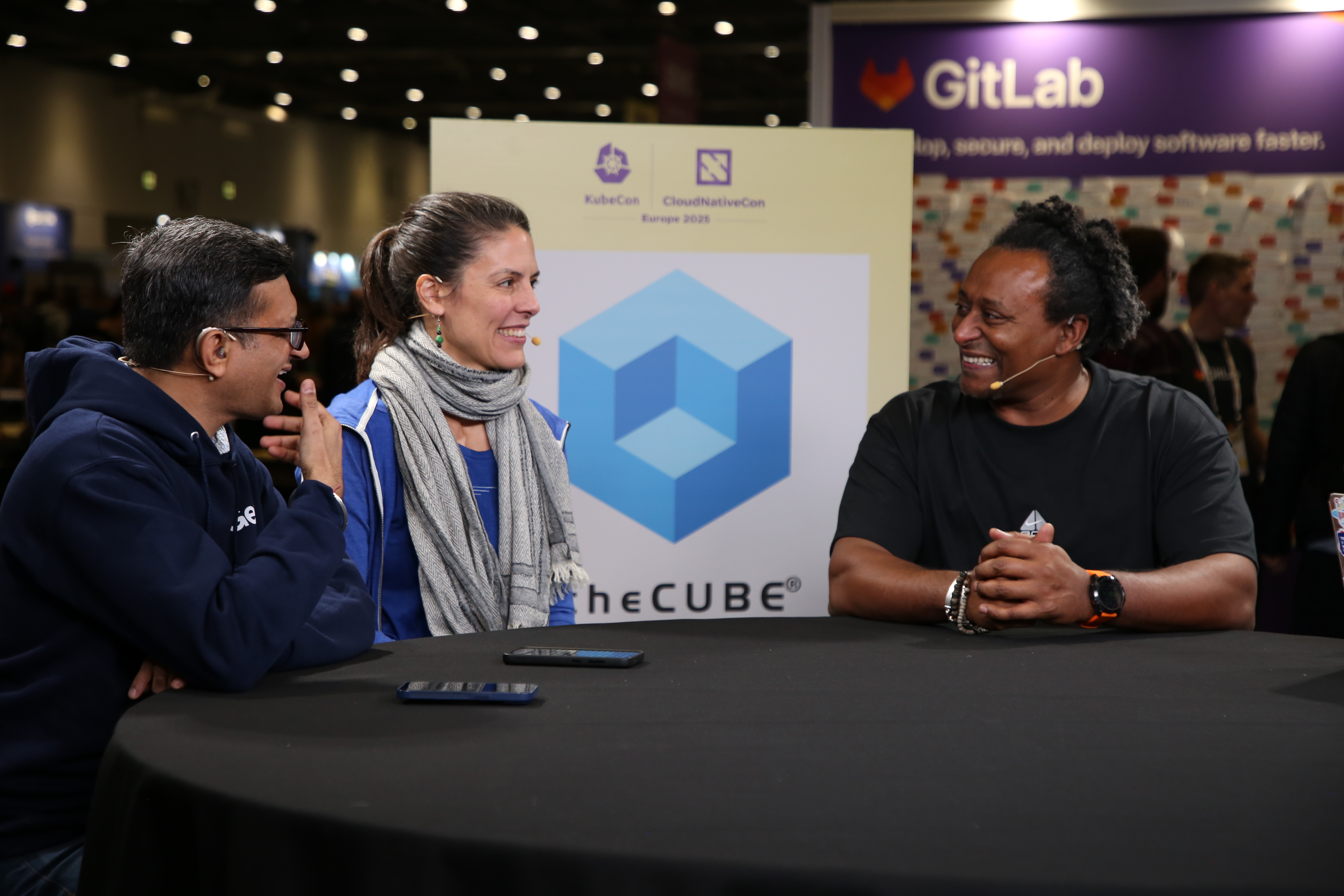
In this video, we present an engaging conversation from KubeCon and CloudNativeCon in London, featuring Sandeep Kanabar of Gen, Catherine Paganini of Buoyant, and William Rizzo of Mirantis. The event brings together prominent figures to discuss vital aspects of accessibility and diversity in the technology sector.
Sandeep Kanabar, co-chair of the Deaf and Hard of Hearing Working Group in the Cloud Native Computing Foundation, shares their personal experiences and insights on the importance of accessibility tools such as artificial intelligence captioning in remote work environments. TheCUBE Research and video hosts explore how Kanabar’s journey highlights key accessibility challenges and advancements. Meanwhile, William Rizzo, a founding member of the Black, Indigenous, and People of Color Initiative, sheds light on the varying needs of these communities across different regions and efforts to increase their visibility and involvement in open source projects.
Key takeaways from the discussion include the significant impact individuals can make, as demonstrated by mentorship projects fueled by collaborations across diversity groups. According to Kanabar, allyship and mentorship are vital to overcoming accessibility challenges. Rizzo emphasizes the need for visibility and mass participation to enhance diversity effectively. Catherine Paganini underscores the importance of community-driven change, advocating for incremental steps toward inclusivity.
Find more SiliconANGLE news and analysis https://siliconangle.com/
Follow theCUBE's wall-to-wall event coverage https://siliconangle.com/events/
Learn about the latest theCUBE events https://www.thecube.net/
00:00 - Intro
00:11 - Foundations and Perspectives: An Introduction to Sandeep's Journey
02:39 - Accessibility Technology
05:56 - Pathways to Inclusive Access: Addressing Challenges and Empowering BIPOC Communities
14:51 - Mentorship Programs
20:30 - Sandeep’s Journey
24:57 - The Impact of Allyship
28:31 - The Road Ahead
32:42 - United Perspectives: Growth, Diversity, and Reflection
#KubeCon #CloudNativeCon #CNCF #OpenSource #Accessibility #DiversityInTech #BIPOCInitiative #DeafAndHardOfHearing #TheCUBE #Gen #Buoyant #Mirantis
Forgot Password
Almost there!
We just sent you a verification email. Please verify your account to gain access to
KubeCon + CloudNativeCon EU 2025. If you don’t think you received an email check your
spam folder.
In order to sign in, enter the email address you used to registered for the event. Once completed, you will receive an email with a verification link. Open this link to automatically sign into the site.
Register For KubeCon + CloudNativeCon EU 2025
Please fill out the information below. You will recieve an email with a verification link confirming your registration. Click the link to automatically sign into the site.
You’re almost there!
We just sent you a verification email. Please click the verification button in the email. Once your email address is verified, you will have full access to all event content for KubeCon + CloudNativeCon EU 2025.
I want my badge and interests to be visible to all attendees.
Checking this box will display your presense on the attendees list, view your profile and allow other attendees to contact you via 1-1 chat. Read the Privacy Policy. At any time, you can choose to disable this preference.
Select your Interests!
add
Upload your photo
Uploading..
OR
Connect via Twitter
Connect via Linkedin
EDIT PASSWORD
Share
Forgot Password
Almost there!
We just sent you a verification email. Please verify your account to gain access to
KubeCon + CloudNativeCon EU 2025. If you don’t think you received an email check your
spam folder.
In order to sign in, enter the email address you used to registered for the event. Once completed, you will receive an email with a verification link. Open this link to automatically sign into the site.
Sign in to gain access to KubeCon + CloudNativeCon EU 2025
Please sign in with LinkedIn to continue to KubeCon + CloudNativeCon EU 2025. Signing in with LinkedIn ensures a professional environment.
Are you sure you want to remove access rights for this user?
Details
Manage Access
email address
Community Invitation
Sandeep Kanabar, Gen, Catherine Paganini, Buoyant & William Rizzo, Mirantis
In this video, we present an engaging conversation from KubeCon and CloudNativeCon in London, featuring Sandeep Kanabar of Gen, Catherine Paganini of Buoyant, and William Rizzo of Mirantis. The event brings together prominent figures to discuss vital aspects of accessibility and diversity in the technology sector.
Sandeep Kanabar, co-chair of the Deaf and Hard of Hearing Working Group in the Cloud Native Computing Foundation, shares their personal experiences and insights on the importance of accessibility tools such as artificial intelligence captioning in remote work environments. TheCUBE Research and video hosts explore how Kanabar’s journey highlights key accessibility challenges and advancements. Meanwhile, William Rizzo, a founding member of the Black, Indigenous, and People of Color Initiative, sheds light on the varying needs of these communities across different regions and efforts to increase their visibility and involvement in open source projects.
Key takeaways from the discussion include the significant impact individuals can make, as demonstrated by mentorship projects fueled by collaborations across diversity groups. According to Kanabar, allyship and mentorship are vital to overcoming accessibility challenges. Rizzo emphasizes the need for visibility and mass participation to enhance diversity effectively. Catherine Paganini underscores the importance of community-driven change, advocating for incremental steps toward inclusivity.
Find more SiliconANGLE news and analysis https://siliconangle.com/
Follow theCUBE's wall-to-wall event coverage https://siliconangle.com/events/
Learn about the latest theCUBE events https://www.thecube.net/
00:00 - Intro
00:11 - Foundations and Perspectives: An Introduction to Sandeep's Journey
02:39 - Accessibility Technology
05:56 - Pathways to Inclusive Access: Addressing Challenges and Empowering BIPOC Communities
14:51 - Mentorship Programs
20:30 - Sandeep’s Journey
24:57 - The Impact of Allyship
28:31 - The Road Ahead
32:42 - United Perspectives: Growth, Diversity, and Reflection
#KubeCon #CloudNativeCon #CNCF #OpenSource #Accessibility #DiversityInTech #BIPOCInitiative #DeafAndHardOfHearing #TheCUBE #Gen #Buoyant #Mirantis
Sandeep Kanabar, Gen, Catherine Paganini, Buoyant & William Rizzo, Mirantis
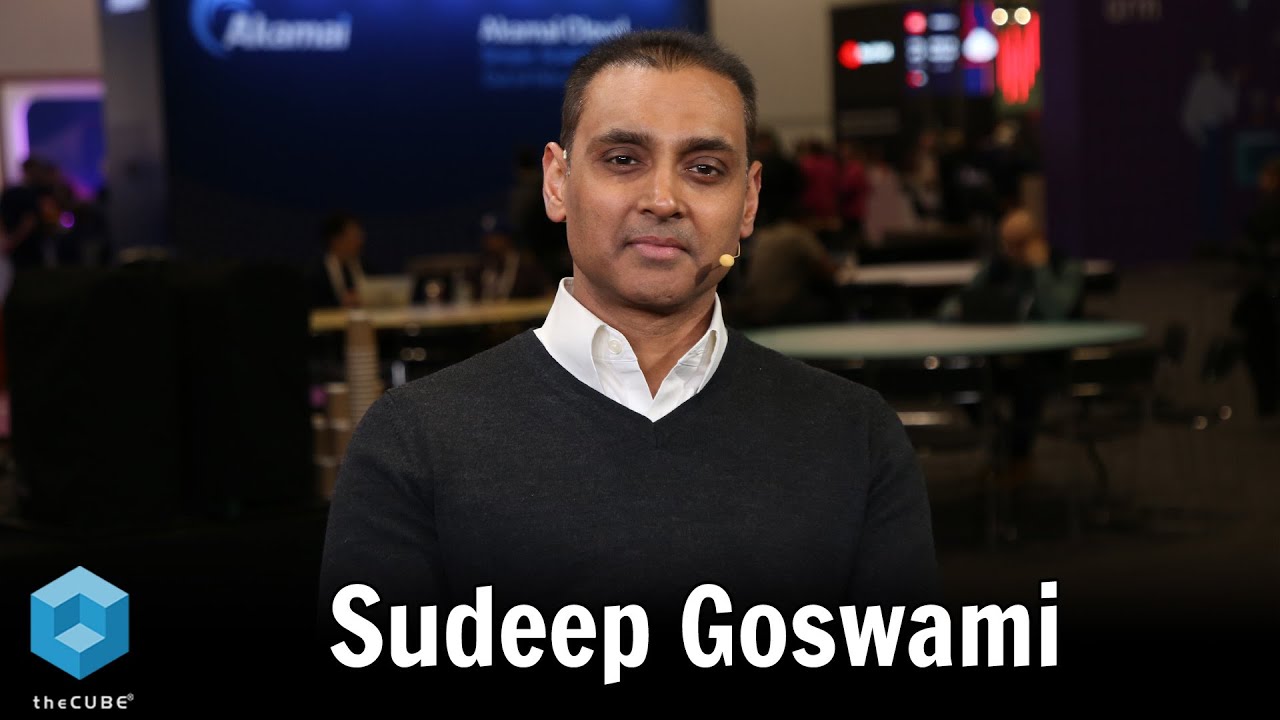
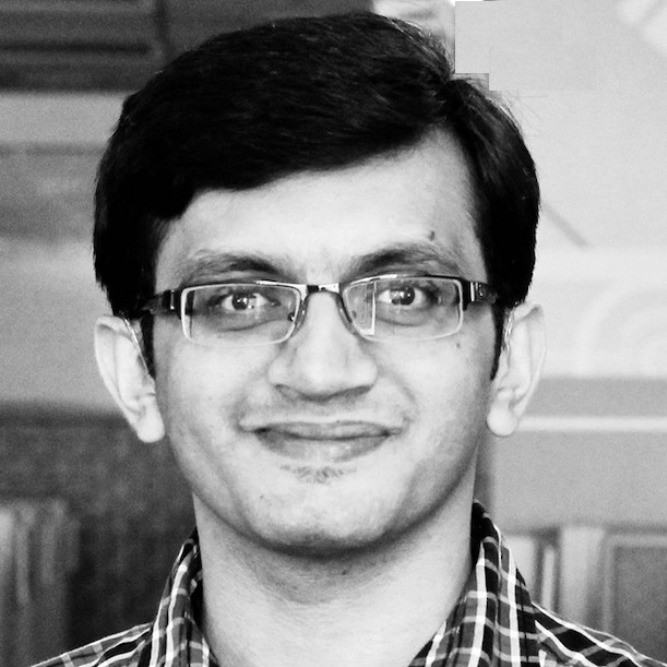
Sandeep Kanabar
Lead Software EngineerGen
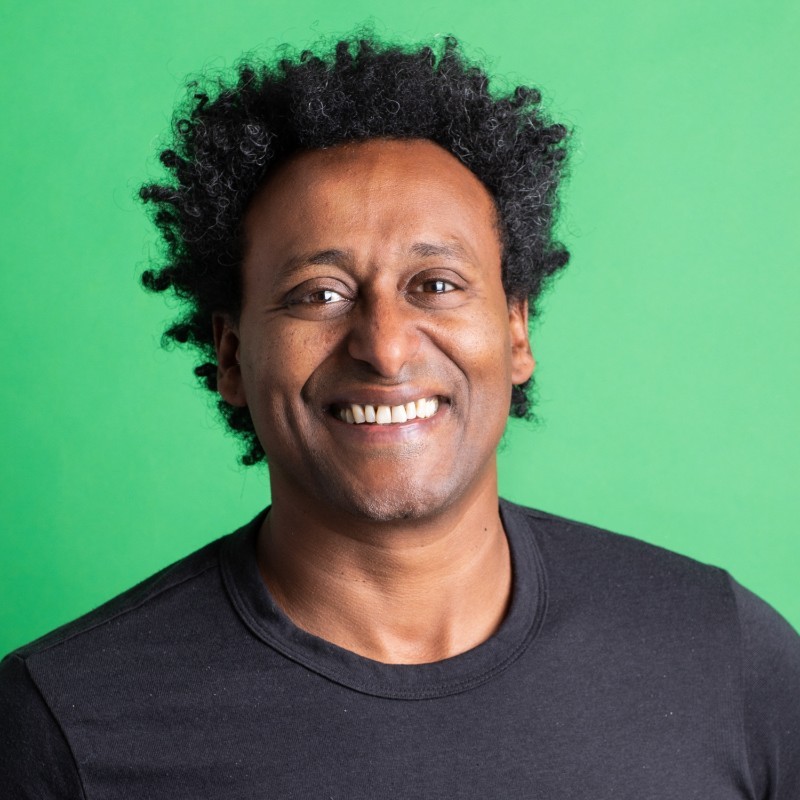
William Rizzo
Consulting ArchitectMirantis
Catherine Paganini
Director of Marketing, Co-Chair TAG Contributor StrategyBuoyant
In this video, we present an engaging conversation from KubeCon and CloudNativeCon in London, featuring Sandeep Kanabar of Gen, Catherine Paganini of Buoyant, and William Rizzo of Mirantis. The event brings together prominent figures to discuss vital aspects of accessibility and diversity in the technology sector.
Sandeep Kanabar, co-chair of the Deaf and Hard of Hearing Working Group in the Cloud Native Computing Foundation, shares their personal experiences and insights on the importance of accessibility tools such as artificial intelligence captioni...Read more
exploreKeep Exploring
What roles do Sandeep and William have within the organization and what groups or initiatives do they represent?add
What are the challenges faced by deaf and hard of hearing individuals when it comes to communication and accessing information?add
What are the goals and challenges faced by the BIPOC community in the tech industry, particularly in the UK?add
What new initiative is the Linux Foundation working on to support underrepresented groups, and how can people get involved as mentors?add
What is being said about the Linux Foundation events team and their accommodations for accessibility at events like KubeCon?add
What is the importance of having mentors from diverse backgrounds in terms of inspiring and supporting others in their career development?add
What made the person cry for the first time on live television?add
Sandeep Kanabar, Gen, Catherine Paganini, Buoyant & William Rizzo, Mirantis
search
Savannah Peterson
>> Good evening, open source community, and welcome back to London, England. We're here at the very end of our first day of three days of coverage at KubeCon and CloudNativeCon. My name's Savannah Peterson. Very excited to bring you what is, don't tell the others, my favorite segment every show, when we get to talk about accessibility, and to the multiple working groups, and people, making change and fighting for diversity and accessibility, not just at the show, but within our communities, in their communities, and everywhere else. First person I'm going to introduce is Catherine Paganini. Thank you so much for curating this panel every single time. Why don't you tell me a little bit about both of our guests since you are the one who brought these great minds to the stage?
Catherine Paganini
>> Well, first of all, thank you, Savannah, for being such an amazing ally. We really need more people like you. We really appreciate you always bringing our team to the stage and helping us raise awareness. And so, yeah, I am really excited to have Sandeep and William here. So Sandeep is the new co-chair of the tech, , no, that's me, of the Deaf and Hard of Hearing Working Group. So he's been a member from, I don't know, since a year and a half, and has never missed one meeting. Very committed, amazing person. And Will is a member of the BIPOC Initiative. It's not a working group yet, so we don't have co-chairs. But he's very active there, and one of the founding members, actually. And yeah, so very important group, very important work. So I'm very excited to have him here representing that community as well.
Savannah Peterson
>> Yes, I know we had Destiny talk about that in Salt Lake City a little bit. And I'm super excited to dig into the conversation. Sandeep, I got to start with you. First of all, congratulations on being the co-chair of the Deaf and Hard of Hearing Working Group. That's very cool.
Sandeep Kanabar
>> Thank you.
Savannah Peterson
>> Also, in the prior segments that we've done, we've had interpreters here, and you are using your phone to figure out what I am saying. Tell me a little bit about that. I think there's an assumption from the hearing community that all deaf people sign. And you don't, obviously, and represent that. So let's talk about that.
Sandeep Kanabar
>> Thank you. Just a bit of an introduction. I'm Sandeep, and I work at JAN, as engineer. I'm the co-chair of the CNC of Deaf and Hard of Hearing Working Group, and also a member of the Deaf Contributing Strategy and the Sick Contributing Group. So I'm a person with hearing impairment, and I rely entirely on lipreading and captioning. So if you see me looking at my phone, I'm not just checking an email. Okay? I need the phone for the captions. So in the deaf world there's a spectrum. And like me, I got lipreading. And so I just rely on lipreading. And then when you add your power to lipread, it goes down. And so then the captioning helps, because there is only so much I could focus on your lips at the time. And when I'm focusing, it also blocks my ability to think, because I have to process it.
So the captioning is a very wonderful.
Sandeep Kanabar
Without the captioning, I don't know about the remote work, about being able to contribute to the open source. So in a way, I have to check COVID, is Leapfrog the captioning for me? And COVID was like sort to say a blessing in disguise for me. Because, with COVID, the AI captioning is Leapfrog. And I'm able to assess all the events, have the captioning in the room, official meetings, and everything. So some people ask me, they just rely on the captioning tool. Some people use the mix. They rely on the captions, they also lipread, and also sign. And some people, they just sign. And I'm still learning, because I just met someone new today. So she was just sitting next to me in the keynote, and she was asking me something that, "Do we have a coil and a loop?" So I think that is also something that some deaf people are using.
Sandeep Kanabar
And then some deaf people use something like a SimCom, a simultaneous communication. So they use the sign language, and they use the captioning, and they merge and mix them. So it's a vibrant, beautiful spectrum, something like LGBTQ spectrum.
Savannah Peterson
>> Yeah. I love that. So not everyone walking around amongst us is staring at their cell phone and looking at social media. They're actually using it as a tool. Is that a special app that you use? Is it voice-to-text?
Sandeep Kanabar
>> So if it is an Android phone, then I use the Google app Transcribe. And I have to share, Google is incredible when it comes to accessibility. And from a personal iPhone, I use the Otter voice meeting notes. The tool has been a lifesaver for me, because unfortunately, the Google live transcribing does not work on iPhone, so I rely on Otter.
So I'm just meeting someone random, and I try to lip-read them. And if I cannot lip-read them, I just power on the tool. And it just works magic. So to the creators of this tool, I just want to say thank you. Never got the chance and I'm getting it today.
Savannah Peterson
>> Absolutely. We will make sure we pass on that gratitude. And thank you for sharing. Will, I want to talk to you. BIPOC initiative, newer thing for the CNCF community, gaining momentum, I'm sure, particularly with the climate, at least in North America. Talk to me about the group, your work, your objectives.
William Rizzo
>> Thanks, Savannah. Indeed, the BIPOC community is new. Just to spell it out, Black, Indigenous, and People of Color. I had to look the first time. Our first goals are to enable and empower people in the BIPOC community to become more visible in the community, to contribute to open source, to instruct and enable employers to retain and employee talent of the BIPOC community. However, what I have learned personally in the recent days is that we cannot always have the same goal. Depends which BIPOC community we are talking about. If it's an American BIPOC community-
Savannah Peterson
>> Oh, interesting....
William Rizzo
>> especially at the moment, they have different interests, which we should respect and we should push forward. A BIPOC community in Asia, or a BIPOC community in Europe has different cultural issues with their work, in open source, in cloud native. We should have a home for all these issues to be addressed. Just today we had a gathering, a BIPOC gathering, the second one. The first one was at Salt Lake. And one woman came up and said something extremely terrifying, but also very exciting. Here in the UK, she's an African woman coder, quite smart, very smart. The-
Savannah Peterson
>> Everyone here is smart.
William Rizzo
>> Yes.
Catherine Paganini
>> Just to be clear.
William Rizzo
>> And 90% of the people are smarter than me.
Savannah Peterson
>> Same. It's something we have in common. Yeah.
William Rizzo
>> So the other 10% just didn't enter the venue. That's the problem.
Savannah Peterson
>> Right.
William Rizzo
>> That's why they're not smarter than me. But she said something very important, very critical. Here in the UK, she wants to work with other Black women. She wants to have Black women that are teammates. She never had. So in the UK, she gave a number that is terrifying, which is 0.5% black women are coding. 0.5%.
Savannah Peterson
>> That's it?
William Rizzo
>> Yes, 0.5%. And in a 6%-
Savannah Peterson
>> Oh, that just gave me chills-
William Rizzo
>> 6% of the coders-...
Savannah Peterson
>> in a bad way....
William Rizzo
>> of the programmers, developers in the UK, are women. And of this 6%, 0.5 are Black women. So this is a terrifying thing. However, for me it's particularly exciting, because that means that there is work to do. That means that we have a group, BIPOC group. We can do something, we can give it a voice. We want to build mentors and we want to have mentees that so we can get a home to this 0.5%, and maybe to also that 6%, because, yeah, it's BIPOC, but yeah, we don't really care about the color. So we'll just come over. And yeah, we will help out. So yes, this is-
Savannah Peterson
>> So question for you there. Where do you start? When you hear something like that, how do you start moving those numbers in the right direction?
William Rizzo
>> With hard work.
Savannah Peterson
>> I'm sure. Yeah.
William Rizzo
>> That is absolutely the first thing. And the first start is that you want to be loud, and up close and personal. That's what I always think. That's the same thing that I said to this community member. You want to have other colleagues that look like you? Help them. Help them to come on board. We are establishing this mentor program, this underrepresented group mentor program, that, of course, is BIPOC, but there are other underrepresented groups. This is the first point. We want to go closer to children. I have particularly children interest at heart. So I want Black children, BIPOC children, sorry, to join the initiative. And we have a program in the Netherlands as well, to join these children coding, children of cloud native that we want to bring in the CNCF, in the BIPOC as well. So we have a lot of things. We are doing a lot of initiatives. I want to list them all, but I'm getting-
Savannah Peterson
>> No, this is great.
William Rizzo
>> I'm getting more excited as I speak about so it's-
Savannah Peterson
>> Well, I can tell. The audience may not be able to feel it. I can literally feel the energy in your body when you talk about that. It warms my heart. When you say children, how young are we talking here?
William Rizzo
>> Okay, so the schools in the Netherlands proposed to me to go between the age of 11, so from children of 11 and 12, but I want to bring it from eight until 12. The reason why I want to bring to eight-
Savannah Peterson
>> Wow.
William Rizzo
>> Yes, because that's the age that I wrote my first program. I was eight years old. So for me, we can do it from eight years-
Savannah Peterson
>> Okay. You are also one of the super smart people in this room.
William Rizzo
>> Oh, no, no.
Savannah Peterson
>> Yeah, jeez. Don't sell yourself short eight.
William Rizzo
>> .
Savannah Peterson
>> Yeah, okay, I was like eating dirt and bugs when I was eight. I was not...
William Rizzo
>> I was doing also that.
Savannah Peterson
>> Yeah, just coding with the other hand. Oh, my gosh. Wow. Okay, so you mentioned the new mentor program. Catherine, I know this is one of your many project love children. Tell me a little bit more about that, why you felt like it was so necessary, and how people can get involved.
Catherine Paganini
>> Yeah, we're doing a newer mentorship program. So basically, well, we have these diversity groups, and I'm with the Linux Foundation on creating a home for all these groups. And it's going to be Linux Foundation-wide, because this is not only an issue in the CNC, the cloud-native community. And there are other initiatives as well. So like having something that works across all foundations within the Linux Foundation. And so that is hopefully coming soon. And so these groups will go into that larger group. And one of the things that we're starting doing, that will be part of this new initiative, is we want to create a mentorship program for underrepresented groups.
Catherine Paganini
So anyone who would like to become a mentor can sign up. We have a form, and it just depends also what you want. Some people may want to just sign up for doing one talk with someone. Some people may want to choose to have regular meetings for career advice. Or someone wants to help someone contribute to open source. There's so many different things. And so I feel like trying to see what can you give, and what do you want to give, and then try and match that with mentee. Right now we're recruiting only mentors, because it's always harder to find the mentors. And once we have enough mentors, then we're going to see, we're going to do a campaign searching for mentees, which I'm sure will be, we're going to have much more interest.
Savannah Peterson
>> I bet there are going to be people blazing through that door to come in.
Catherine Paganini
>> Oh, and one thing I want to say, my inspiration for this program, and I have to give him a shout-out again, is Costas, who was an Argo maintainer, and he became Anastasia's mentor.
Savannah Peterson
>> Awesome.
Catherine Paganini
>> Who, she's the first deaf CNCF ambassador. And I teamed them up for a talk, I don't know, two Kubecons ago. And now they're teaming up, they are preparing talks together. She was just telling that he does little videos with explaining Argo, because she is very interested in Argo, with captions. I mean, not every mentor has to do so much, just to be like, he's a superstar. So it can be small things, but just seeing how by matching two people. And of course, it's like the chemistry has... Not every match will lead to something like that. But my hope is by matching lots of people, maybe if 1% of them becomes something like those two, that's awesome. And then the others do a little bit, and some will never meet again, because it's like, chemistry is important for these kind of things. But yeah, I just want to recreate that, because it's just amazing. And I think where Anastasia is today is also part of Costas, like due to him. Yeah, so
Savannah Peterson
>> She's been a rocket to watch. I know you've brought her to the show before. Such an impressive woman. And having interviewed her, I've gotten to watch the ascent. And I've actually, from the outside, been able to see some of the impacts of that mentorship, and her visibility, and prominence, and it's so cool. I mean, I can imagine, of all the people in the world to mentor, she's easier than some. But-
Catherine Paganini
>> Well, she just needs a little push-
William Rizzo
>> She's quite amazing....
Catherine Paganini
>> and then she gets like... So all she needs-
Savannah Peterson
>> Oh, yes. She's awesome.
Catherine Paganini
>> She has so much potential, and I know she's going to have a very, very bright fruit in front of her. And it's just amazing to see, that sometimes you just need a little push here, a little push there, and then to just go and fly.
William Rizzo
>> Yeah.
Catherine Paganini
>> And that makes you happy when you see that. And I'm sure there are other people out there that just need that little push that just don't know how. And that's what the mentorship program is about, helping people getting in the right direction. And then they go off. And for me, it's like they fly away. And then you're like, "Oh, bye-bye. Wonderful." So yeah,.
Savannah Peterson
>> Yes. No, it is beautiful. And I cannot wait to see the impact of this program, because I really think it will help empower it. And it's not even just a push, sometimes you just need someone to affirm that you can do it, and that you're worthy of that endeavor, or whatever that might be. So we've got you in the Netherlands, and we've got, Sandeep is coming to us from India.
Sandeep Kanabar
>> Yeah.
Savannah Peterson
>> Yeah, so cool. Little bit of a journey for you. I have never been to India, and I'm curious, what is the culture around accessibility in India? And is it as robust as some of the accessibility efforts that we see, say, in North America?
Sandeep Kanabar
>> Honestly, the accessibility and the efforts in India, it needs to grow a lot. So maybe I can try answering your question by sharing my story.
Savannah Peterson
>> Please.
Sandeep Kanabar
>> Back then, when I had my education in engineering, it was like two decades back, there was no system like a system of inclusion in India. And my principal just told me that if you cannot follow the lectures, maybe just drop out. But there is nothing we can do for one person. So coming to the USA-
Savannah Peterson
>> Oh, that hurts my soul.
Sandeep Kanabar
>> Coming to the USA, knowing that you can do an accessibility for one person was like an eye-opening moment for me. So the US and the UK are like miles ahead of accessibility. So I had a very tough time in education, but the people of India, the culture is beautiful. The people are warm and incredibly friendly. Then so, I was a topper in my school. And I got an F in one of the subjects in engineering. And I was there just from 18, 19, I was just too depressed, and I just wanted to quit up on life. And then I had my and I was crying, a hand gently tapped my shoulder. And it was the class top girl of my class. And she told me to sit next to me from tomorrow and copy notes. And the thing was that in the first row in India, the
Sandeep Kanabar
girls were sitting. No boys were sitting in the second row, in blank, and from the third where the boys sat. And so the next time I went to my class, I sat in the center in the first row, and push off my hearing aids, because I did not want to hear all the people laughing. So the people laughed for good one minute in a light-hearted way. But just sitting next to her changed my life. From that, became an A, and I got a distinction.
So the help is always there, so the accessibility and the inclusion, it works in sort of a very different way in India. We really don't have all the structured policies and everything. The public transport is practically very, very non-accessible.
Sandeep Kanabar
Accessible isn't a part of it. But then as he said, it just makes me more excited because it means we have so much more work to do. You have a lot of things to take for granted, and we have a lot of things to work for.
And then, when I started my career, no company was actually willing to hire me. How am I to talk to client on the phone? And I did not have an answer for that. But one CEO of a company, he was a gold medalist in IIT. And the IIT is the top ranking institute of India. So instead of going to USA for work, it's just to stay back in India. And he was openly hiring people with disabilities.
And so I moved from the western part of India where I stay, to the southern part of India. And in India, when you move from one state to another, you move across like a different country.
Sandeep Kanabar
There is a whole new culture, a whole new language, very different climate, very different food. And when I moved to the city, neither the food, nor the climate and nor the culture was suited to me, because I could not lipread that language. But I persisted in that company, because it was so wonderfully inclusive. It did not even have a tagline that we are inclusive, but it was inclusive inside out, outside in.
So in India, we have a very good population, and that becomes a lot more inclusive. Because from that, if 10 people, if 100 people reject you, then still than two people come and tell you, "You just come with me." Like the girl who said, "Copy notes from me," or the senior who said, "No, you come and join me."
I spent the whole night in a railway station preparing the interview and I did not ask any questions.
Sandeep Kanabar
He said, "You came from that far, you have a passion in your eyes. You just start working." And the next day I joined. And my manager in that company wrote, and wrote, and wrote because I couldn't lipread. So I mean, whatever I am, I always do that. Just symbolizing of the ally, the empowerment that ally gave me, man, entire story of my life. It's the story of the beautiful allies I found along the way. And so then my career took off, and then I think I went to clients places, I travel internationally. So from being told, "How will you talk on the clients?" to visiting multiple clients places was very sort of a dream come true.
Savannah Peterson
>> Well, I am sitting over here holding back tears. Nope, I think I'm just going to let them come. Thank you for sharing, Sandeep. What your story tells us is the impact that one person can have. Sometimes we don't think that that kindness of that student in your class, or we think maybe we don't have enough effort because the percentage is so low of the population, one person can really change the world. And whether that's your personal world, I mean, look at you out here... Now, this is the first time I've cried on the show. Look at you out here. Don't always cry in enterprise tech. I'm just going to say that. But I mean, look at you. Now you're out here serving as an inspiration for everyone else, from India, around the entire planet, because of these allies and the folks who have uplifted you. It's why I'm so confident that your mentorship program is going to be so successful, is, a little love goes a long way.
Catherine Paganini
>> Yeah.
William Rizzo
>> Oh, yeah.
Savannah Peterson
>> And a little bit of empathy goes a really long way.
William Rizzo
>> Oh, yeah.
Sandeep Kanabar
>> Even in my current company, my manager and my team is wonderfully inclusive, so wonderfully inclusive. I get the chance to come to KubeCon and talk. And I take a break from my work so that I could fully focus on Kubecon. So without my manager, without the support of my organization, and without that inclusiveness, I wouldn't have been able to do it.
Savannah Peterson
>> That's so cool. And we're so happy you're here. We're so happy that you could do that, and that you were empowered, and feel empowered to share. So we've got a lot of, we're representing quite a bit of the diversity, quite frankly, in the diversity angles at the show. Talk to me about what happens next. I know there's a lot of combining of forces. What's next for the BIPOC group specifically? And how can us white people be more helpful?
William Rizzo
>> Let me answer the first part.
Savannah Peterson
>> Yeah. I realized that was a bit of a layered cake there, but...
William Rizzo
>> So what's next? The BIPOC needs to grow. With mass, there is rich. With mass, there is diversity of ideas and opinions. Even today, I had to change my opinion on things. I had to change my opinion and I love it. I love to be wrong.
Savannah Peterson
>> Yes, always learning.
William Rizzo
>> Absolutely. We need to be more visible in what we do. Even in this mentorship program. We have this little slide, in example, that just to call out that we have a mentorship program for underrepresented group. I feel that everybody should have it as a last slide in their presentation, regardless of what they're presenting, in any fields.
Savannah Peterson
>> Love that idea. That's a great point.
William Rizzo
>> We can only raise the awareness that something needs to happen if we are many speaking about it. So up close and personal.
Savannah Peterson
>> Speaking about it, crying about it, whatever it might be.
William Rizzo
>> Yeah, absolutely. And for the second part of your question, how can white people help? I've changed the question, saying, how can people help? And then it's already helpful. It's, if you stop looking at the color of the help, there is already-
Savannah Peterson
>> Great call out.
William Rizzo
>> Yeah.
Savannah Peterson
>> Yeah. So I'll make sure that in any slide or anything I ever do around this community, that we're-
William Rizzo
>> It's about people.
Savannah Peterson
>> We're calling it out. I got you. I'm listening. I'm learning.
William Rizzo
>> Love it. Love it.
Savannah Peterson
>> I'm absolutely.
William Rizzo
>> I think-
Catherine Paganini
>> Oops.
Savannah Peterson
>> Yeah?
William Rizzo
>> I think what we can do next, and from now on, is probably we could do a collaboration between the different groups, like the BIPOC, and the Deaf and the Hard of Hearing Group team up. The Deaf and the Hard of Hearing Group teams up with the Blind and the Visually Impaired Group. So that shows that probably we can replicate the success of the Deaf and the Hard of Hearing Working Group across other underrepresented groups as well.
Savannah Peterson
>> Yeah, absolutely. The Deaf and Hard of Hearing Group, great example of a strong and successful working group within the CNCF family. I know you have some events coming up this week. Can you tell me a little bit about those?
Sandeep Kanabar
>> Can you say? Sorry to repeat the question?
Savannah Peterson
>> Yeah, yeah.
Sandeep Kanabar
>> It just is not clear.
Savannah Peterson
>> Oh, no, it's all good. So I know that there's some talks tomorrow that are coming from-
Sandeep Kanabar
>> Oh, yeah.
Savannah Peterson
>> Can you tell me a little bit about those?
Sandeep Kanabar
>> So one thing about the start, the Deaf and Hard of Hearing Working Group has been just one and a half years old. And first keynote happened with Destiny, speaking at Chicago keynote.
Savannah Peterson
>> I interviewed her right after. Yeah.
Sandeep Kanabar
>> And the Destiny was the ex co-chair, and she did the very wonderful work in the last one and a half years. And in this time, in the KubeCon in London, the Deaf and the Hard of Hearing Working Group is delivering a total of seven talks.
Savannah Peterson
>> Amazing. That's so cool. Wow.
Catherine Paganini
>> And one keynote.
William Rizzo
>> Yeah.
Catherine Paganini
>> Yeah.
Savannah Peterson
>> Y'all, there's nothing you can't do, man. Do not... Yeah.
Sandeep Kanabar
>> And one of the things that we have to thank from the bottom of my heart is to Catherine for being an incredible ally. You have no idea how I became a part of this group. Because in my circle, back home in my family, and in my office culture, I have no other friends. And so I was sitting at the Chicago keynote, and just on the front row, because I think I always like to see the people's lips. So I was sitting on the front row, and Destiny was sitting next to me. And I'm looking on the phone and seeing the captions. She was like, "What are I doing? You are reading the captions?" I said, "Yeah." She said, "Oh, you are deaf? Okay, then why don't you join the group." And I just joined. And since then I've been hooked to the group, not missing a meeting. And she said I'm committed. But it's because, when you work with such wonderful people, you automatically get committed, because the energy that she comes, I'm just reflecting the energy that she's given me. .
William Rizzo
>> Nice.
Savannah Peterson
>> She is a radiant light. I agree with that very much. And a true facilitator.
Sandeep Kanabar
>> well. And she's making sure that we don't miss anything. working on so many things. Like the best practices, all the wonderful mentorship program that it has come to. So you see, like my CEO, my manager, everyone was indirectly becoming a mentor to me. And last year, especially in the last year, I have so many mentors in open source, so many that I ended up getting an job for Carrywater, within just six months of joining open source. In just six months. And this job wouldn't have been possible without so many mentors around, who guided me to do this, to do this. So what mentorship help in all of these ways to put your effort in a smart direction. It's a combination of hard work and a smart work.
And so I think the group has been really lucky in that we are all hardworking, but we also have got very focused direction. Like she will say, "No, this is not going to work." Like the head of marketing, we actually learn, borrow a lot of marketing in charge, on what to do and what not to do. So really happy to have all this.
Savannah Peterson
>> It's amazing. Catherine's amazing. This community is amazing. I feel like there are many accessibility and diversity efforts on this planet, but I find that the efficacy varies. And I think that this particular community does an outstanding job of being inclusive. But not just being inclusive, but really lifting each other up in a way that isn't just ticking a box, but rather truly investing in the humanity of our technological nerdy little family that we have here, which I think is super special. I'm curious, because we've talked about this every time we do a segment, how is this show doing, in terms of both accessibility, as well as inclusion? I mean, this is probably the most diverse roster of guests I've had on the news desk here.
Savannah Peterson
So I can say, this is really representative. All day today we had over 50% women, which was so refreshing. And a totally different range of backgrounds and ages, and it's making me feel a lot better about the work that we're doing. So I'm curious, as folks who are even bigger allies than most, how does KubeCon compare to, say, other shows? What would you give them as a star rating on their accessibility?
Catherine Paganini
>> Accessibility is your question for you?
Sandeep Kanabar
>> Okay. I just want to say one more thing. So apart from the seven talks, we have two more talks tomorrow. And that is the DEI community have open space discussion, where we're inviting all the others to come in a free-flowing talk on any questions to have. And then there's the sign language crash course that is guaranteed to be incredible.
Savannah Peterson
>> It was standing room only last time, if I recall.
Catherine Paganini
>> Yeah.
Sandeep Kanabar
>> Yeah. And now to answer your question, the KubeCon, when it comes to accessibility, the KubeCon is truly top-notch, because we work around the year, and they actually seek feedback before the conference. So once this conference ends, we're going to give feedback on what worked, what did not. So like, today the captions were really good. Today the captions were really good and the interpreter was also good. But in the last KubeCon, sort of the captions weren't that great. And then we brought the feedback. And the nice thing is that they immediately fixed it. The very next day, they fixed that. So it really was wonderful. Now what is not so good was that yesterday, the co-located event. So they had no QR. So if I attended one co-located event, at the start they had the QR code on the PowerPoint. So I had to be present in the first 10 minutes to get the captions.
William Rizzo
>> Yeah.
Sandeep Kanabar
>> So I could only be at one co-located event in the first 10 minutes for the remaining co-located events, I had no captions. But the thing is, they actually seek feedback, and also give me an iPad. So on the iPad, has same app I'm using, but except the font is bigger. So it's much more easier for me to read. And the battery lasts longer, and the phone battery doesn't die.
Savannah Peterson
>> Good point.
Sandeep Kanabar
>> So very wonderful to them for the accessibility, for the diversity scholarship that we get to come and speak at KubeCon. So really grateful for all that they're doing.
Savannah Peterson
>> Love to hear that.
Catherine Paganini
>> And just to add, I mean, the CNC or Linux Foundation events team has been really fantastic. Just like what Sandeep was saying, or by just saying that issue, you just tell them. And they really try to accommodate them as much as possible. And even the first time, the group was just founded and then we rushed to do the best practices. I think that was two months before KubeCon, and they implemented that. And so huge shout out to the Linux Foundation events team. They're just amazing. And I think we really appreciate it. Because they did not know that KubeCon was not accessible. They just said know. Because one of the big issues, it's like people, it's like, for instance, there were captions before, but the typical thing of events is like, "We don't need captions, there are no deaf people here." It's like, "Well, guess why?" Right? Like-
William Rizzo
>> Right. Yeah.
Catherine Paganini
>> And then it's like this vicious circle-
Savannah Peterson
>> That's a great point....
Catherine Paganini
>> because there's no accessibility, no people with disabilities come. And then, "Well, we don't see anyone." And so, one of the important things about visibility is showing, even if it's not accessible, I always tell a team, "Just show up, and say, 'I can't hear. I can't understand.'" So just tell them, because the fact that you're there just shows them that there is interest. Right? So a little activism, sometimes is necessary. I just wanted to say one thing about allyship, going back, because it's so important. Minorities are in the minorities by definition. And it's really easy to overlook their voices or even flat out ignore them. And so, that's where allies come in. We can make sure that does not happen, because together we are majority. And so that's why I feel like community-driven change is possible.
Catherine Paganini
Because we can come and we can create pressure. It takes time, because we need to find allies, and then build the momentum. So I do think it's possible. And I think it's important. And then, again, it doesn't have to be this huge thing, that it can be these little tiny steps. You don't have to be an activist. You don't have to sacrifice your job, and then just go on the street and protest. Little things over time really add up. And you can literally change, we've seen a few, a person's life forever. And it also feels good.
Savannah Peterson
>> Oh, yeah.
Catherine Paganini
>> It just feels like, from a very egoistic point of view, if you help someone and you see them thrive, you're proud. Right?
Savannah Peterson
>> Absolutely.
Catherine Paganini
>> So yeah, it's just making the case for anyone who wants to get engaged. It can be very little things, big things, everything matters. But we need everyone to become an ally. We need to become a majority pushing for things, not having little groups on their own fighting and trying to bring change. Because again, companies can easily ignore it. Right now we're on the ignore phase. Sometimes it's like overlooked. Right now we're in ignore phase, at least in North America. But even if it's not the case, it's easy to overlook, because if it's just a small group of people. So-
Savannah Peterson
>> Yeah.
William Rizzo
>> Just to add to this, regarding the mentorship, regarding doing something to stimulate the change. Mentors can be of any color. We established that. Of course, when we see people that look like us, we feel less in doubt that we are going to fail.
Savannah Peterson
>> Seeing is believing, is one of the things I often say with this.
William Rizzo
>> Right? It is a bit of a call-out, also for Black people or BIPOC people to come out and help us mentor others. It's very important. Because it's not just being an ally, it's actually doing. And it's a lot of work. It's a lot of work. But we can help structure that work. Like it happened with Anastasia, which she's amazing. We can find mentors that can help others to make those steps. If we see people on stage that do it, we feel like, yes, I can also do it. Let me give it a go.
Savannah Peterson
>> Will, I think that's a great point. Sandeep, Catherine, Will, I could talk to you all day. I do have to wrap this up just so we make sure that everybody watches this. But genuinely, I hope that folks reach out, that they join the mentor program. We'll make sure that we share that and include that below in the video links of this live broadcast. Also, both to your groups, the initiative, as well as the Working Group for Deaf and Hard of Hearing, I really can't thank you all enough.
Catherine Paganini
>> Well, thank you.
William Rizzo
>> Thank you.
Catherine Paganini
>> As I said, we need allies, we need media allies.
Sandeep Kanabar
>> thanking you for the support .
Savannah Peterson
>> And I mean, you made me cry for the first time on live television. So there's that.
Catherine Paganini
>> You've got a record.
Savannah Peterson
>> I love that very much. All right, I hope all of you got as much as I did, and are feeling inspired, not only to be an ally, maybe considering being a mentor, or if you're feeling a little lonely and isolated, know that these communities are genuine when they say that you can reach out, that there are resources available, and that we are all here to help lift each other up. We're here in London, England at KubeCon CloudNativeCon. My name's Savannah Peterson. You're watching theCUBE, the leading source for enterprise tech news.













 Savannah Peterson