We just sent you a verification email. Please verify your account to gain access to
KubeCon + CloudNativeCon Europe 2024. If you don’t think you received an email check your
spam folder.
In order to sign in, enter the email address you used to registered for the event. Once completed, you will receive an email with a verification link. Open this link to automatically sign into the site.
Register For KubeCon + CloudNativeCon Europe 2024
Please fill out the information below. You will recieve an email with a verification link confirming your registration. Click the link to automatically sign into the site.
You’re almost there!
We just sent you a verification email. Please click the verification button in the email. Once your email address is verified, you will have full access to all event content for KubeCon + CloudNativeCon Europe 2024.
I want my badge and interests to be visible to all attendees.
Checking this box will display your presense on the attendees list, view your profile and allow other attendees to contact you via 1-1 chat. Read the Privacy Policy. At any time, you can choose to disable this preference.
Select your Interests!
add
Upload your photo
Uploading..
OR
Connect via Twitter
Connect via Linkedin
EDIT PASSWORD
Share
Forgot Password
Almost there!
We just sent you a verification email. Please verify your account to gain access to
KubeCon + CloudNativeCon Europe 2024. If you don’t think you received an email check your
spam folder.
In order to sign in, enter the email address you used to registered for the event. Once completed, you will receive an email with a verification link. Open this link to automatically sign into the site.
Sign in to gain access to KubeCon + CloudNativeCon Europe 2024
Please sign in with LinkedIn to continue to KubeCon + CloudNativeCon Europe 2024. Signing in with LinkedIn ensures a professional environment.
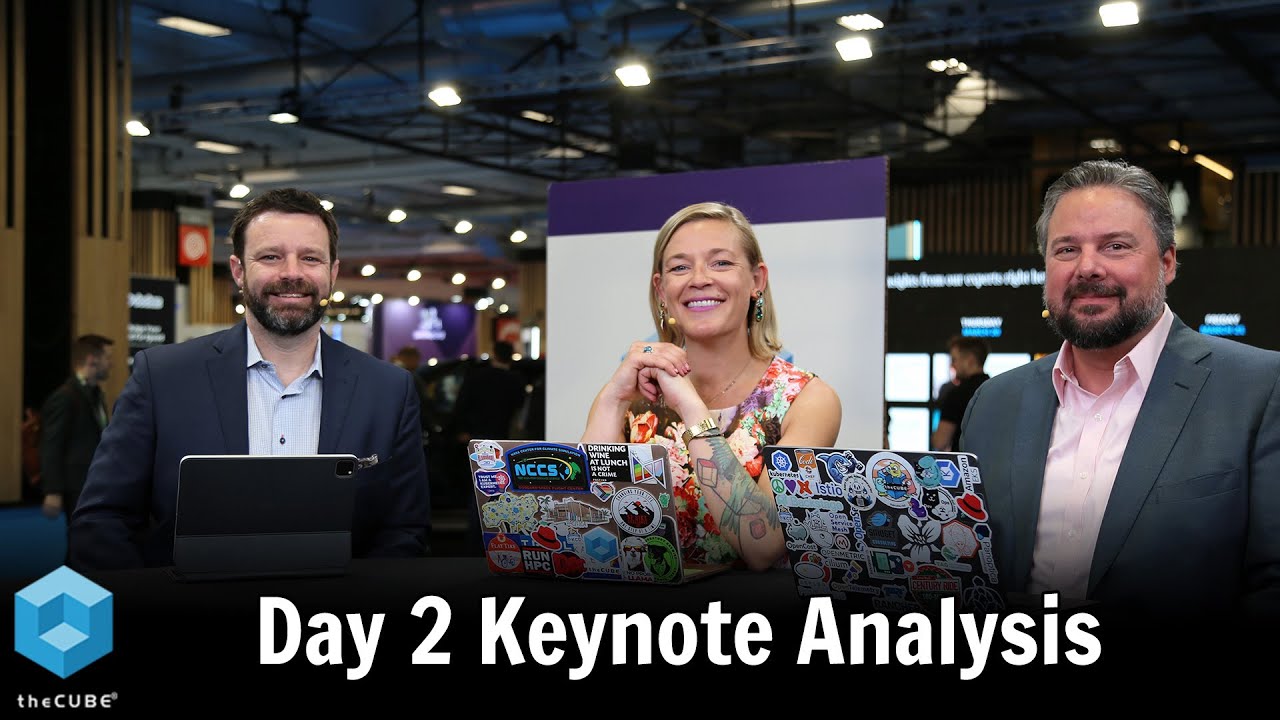
(ethereal music begins) >> Good afternoon, nerd fam, and welcome back to
KubeCon, Cloud Native Con, CNCFs biggest European event. And actually the biggest
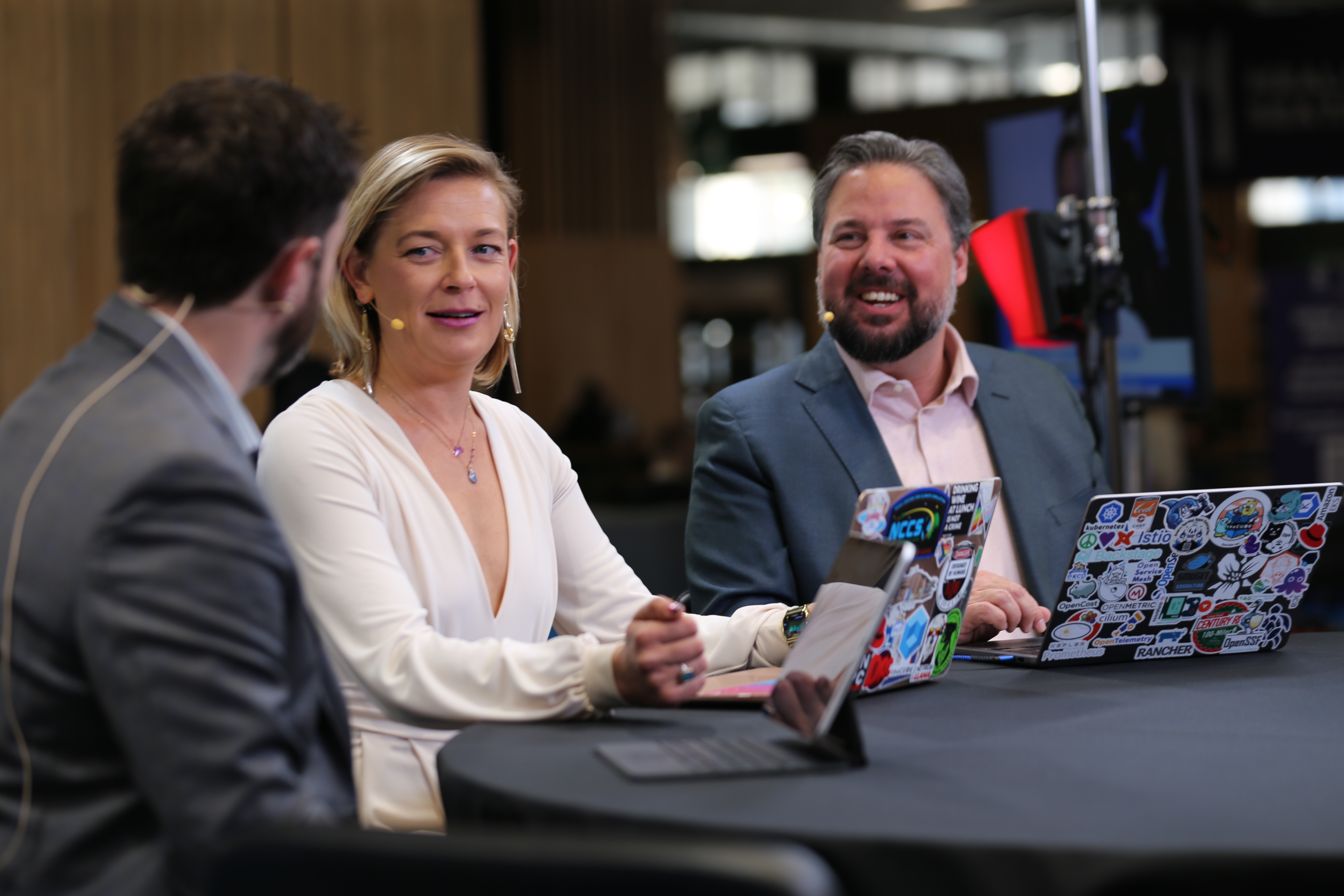
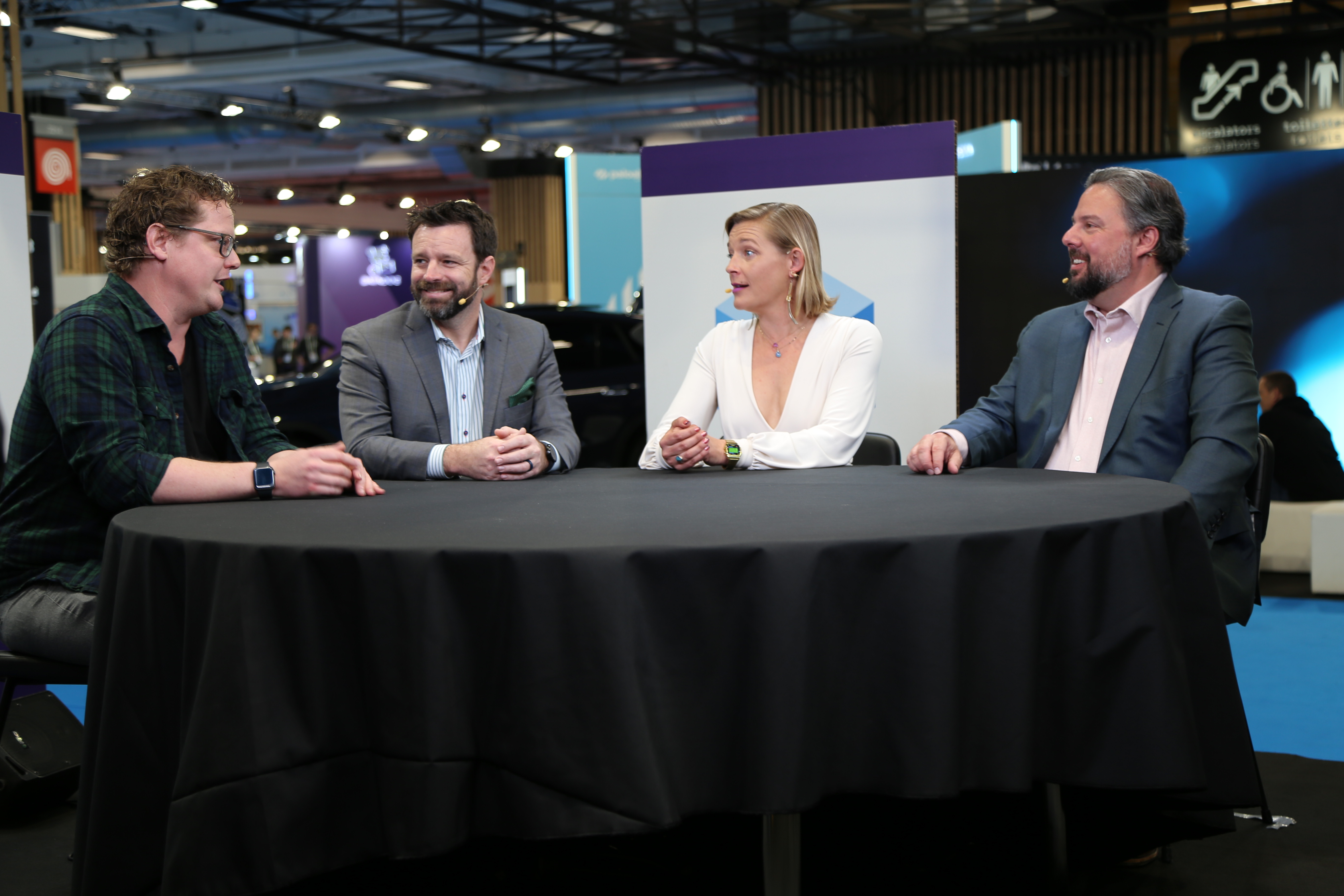
KubeCon there has ever been. Very exciting week. My name is Savannah Peterson, joined by three really
rad dudes right now. I am looking forward to our show wrap. Joep, we've got Dustin and we've got Rob. I want to hear all your hot takes. I want to hear what you expected, what didn't happen, what's
missing, where we're going. Joep, I'm starting with you, 'cause we haven't had
you on yet this week. >> Yeah, so I came here with expectations of it being a KubeCon,
me being in sessions. And that didn't happen at all, because the show floor is so
busy, I just could not walk for five meters without
bumping into someone. So my expectations were, okay, but it just knocked it out of the park. >> Absolutely, the energy, the
community, it's just buzzing. And I feel like I was thinking about it, out to dinner actually,
when we were out to dinner earlier this week, of just
what a family this is. It really does feel like, I'm like, oh, I'm just going to go hang
out with all my buds in Paris. And we call this work? I mean, yeah. What about you, Dustin? What are your expectations versus reality? >> Well, totally agree with
Joep on the show floor. Absolutely packed. Really good interest across the board from community developers, some maybe new to the open
source and CNCF community, but a lot of enterprise interests, a lot of EU enterprise interest in the various solutions
that are surrounding us here on the show floor. >> Yeah, I thought it was same thing. I was overwhelmed by the floor here. I just spent that last hour,
I think I went to three booths and had three very long conversations about very interesting stuff
that I didn't even realize was going on underneath the
hood and some of these projects. And I think that to me
was one of the keys, is that the amount of
projects that are going on is just massive, and the
community is massive. And as you guys were saying, it's like 51% new people into the show, which about equates to about
the number of new people that were at, a little bit
more new people at this show than were even at the one
in Amsterdam a year ago, where it was about 60% of 10,000. You have 51% of 12,300,
it's about the same. So, I mean, statistics wise,
it's pretty impressive. >> Great trajectory. >> Yeah, it is really impressive. And I think we're reaching
a new stage of maturity within the ecosystem as well. It's a lot less hype. Kubernetes is actually
being deployed edge. I think the AI stack is actually driving a bit of that as well. So I think we're at a place
where this isn't just a project. People aren't thinking about it, we're actually implementing and
seeing what that looks like. Joep, what do you think
has been the biggest change since you and I were seated
next to each other in Amsterdam? >> Ooh, so the biggest
change, I think is that, this show is more about
the cloud native stuff than it is about Kubernetes. So I'm looking forward to
that name change next year. But I think it is getting boring
in a sense that Kubernetes, Kubernetes is just mature. Like you say, people are implementing it. We have the mature solutions around it. We have the ecosystem. That means we can now focus on the part that I think is way more interesting, even though I am an infrastructure
engineer by my history, we're looking at the
developer, how to empower them, how to enable them to
actually build something that makes sense for the business. And that's what excites me in the show, is actually having those conversations about what the developers
need, what the business needs. And we're kind of in a
phase where we can just say, okay, the infrastructure part,
it's there, it's commodity, again, which I just enjoy. >> I think you're absolutely right. I think, would you agree? >> I mean I think it's dead on. And I mean, if you look at, by the numbers that they were showing, from a contributions and
number of people contributing, Back page, or backstage, not back page. That's a whole different thing. But backstage. >> We've said a lot of words up
here and we're both dyslexic, so it's a danger zone out here. Buckle your seat belts folks. >> Yes, this is, this is going to be fun. But backstage has more
individual contributors than any of the other
projects that are out there. It may not have all of the contributions, but to me that's the developer. That's the interface
between platform engineering and developer. And I think we've heard through a number of the
discussions we've had this week, how do you make that, how do
you make platform engineering understand what the developers need? And oh, by the way,
now you've got this guy called a data scientist who's
trying to put other things and models in places that
models haven't been before. And oh, by the way, the
developer has to go, okay, where is this and how do I do that? And so I think focus on the developer, focus on cloud native. I agree, and I think the
one thing was clear to me, if you look at the shirt,
big letters, cloud native, small letters, Kubernetes. I think they are going that
way, and I think they are. I mean, I think it should
swap the names around, but I think it's great stuff. >> Are they changing the name? >> Joep: I don't know. >> Oh, that was just you. That was you. Okay, I wasn't sure if that
that was an announcement that was made. >> We're voting that direction, that's what you can say. We're balloting out for it. >> That's not too dissimilar
from Linux, right? You say Linux and that's
this like tiny little piece that's the kernel of an operating system, and then out of that builds an OS, and then out of that build
everything on top of that. But Linux is this one word, and that's kind of Kubernetes at the heart of so many
other things that, you know, once you really take the macro view, you end up in the whole philosophy of cloud native management
at the platform side and application development
from a developer's perspective. >> So you're saying it's marketing. >> Sure, yeah. >> What's wrong with marketing? >> Nothing wrong with that. It is shorter and they have a
nice little acronym of KASE. I mean, again, I get it, but I think I'm happy, like Joep is happy, that the focus is changing
towards the developer and cloud native. And I know you are too. >> And it's not just the developer, and I haven't seen it that
clearly on the show floor this week, but I have seen
hints of this starting to happen where we're kind of integrating the data science side of this
into the cloud native world. So we're applying DevOps
principles to not just Dev and Ops, we're applying them to the
data science realm as well. Which means we're now
more and more set up, and this is going to continue
for a couple of years, where we're just more set up to also have all of those data stories integrated into all of the stuff
that we're doing here, from DevX, to infrastructure, to AI, and everything in between. So that's going to be exciting, I think, in the next couple of years, to see how much of that data
world is going to integrate in the world that we know
in the cloud native space. >> Yeah, I think you're absolutely right. So building on that a little bit, since you know I love
to ask this question, what are we going to be
able to say in London that we can't say here? Joep, I'm going to you first,
you've got a cheeky grin. >> Yeah, so I'm going to
go to data science, right? We're going to see the
integration of those skills into the teams that we already have instead of them being siloed off on the side of an organization. But it's going to take a little while. So maybe not London, maybe
the year after, we'll see. >> Yeah, when we're back in Amsterdam. That'll be fun. Yeah, yeah, what about you? What do you think, Rob? What what are we going to
be talking about in London, or Salt Lake, if you feel really bold? >> Yeah, I mean, Salt Lake, I
think we're going to have a lot, I think even in Salt Lake, and we kind of touched on it this morning, that security for AI and
Kubernetes inside the platform, end-to-end security for cloud native apps that are data based and data products. And I think that's going to really be a big piece of Salt Lake, and building on that into London as well. >> Dustin. >> I'm going to go with
the GPU utilization problem being solved. We heard a little bit about that, and just now released very
recently in Kubernetes 1.30 we start seeing some of the DRA advances we talked about on Wednesday. The persistent, if it's
not a GPU shortage, just the demand, the over demand for GPUs. And yet inside of clusters, not entirely fully well utilized. Also in the keynote this morning, we saw some workloads
performing at certain sizes better on CPUs. And so I think probably by Salt Lake, but if not, certainly by London, I think that piece will be
a solved problem, really, deep down in the scheduler
around resource utilization. >> I think that's a bold prediction. I think you're giving
people a lot of credit. >> Dustin: Well, we'll see. >> Yeah. >> Dustin: I trust this community. You're skeptical. >> I'm skeptical that in six months we're going to have
solved the GPU problem. >> Oh, well, I didn't say
solve the GPU problem, utilization. >> But even there, I
think people are just now architecting their AI strategy. They've obviously, I
mean, many organizations have had some division of this, but we're in a real
inflection point there. And so we're going to be
doing different things, solving different problems,
asking different questions. I don't think we can solve
the utilization problem until we understand all the problems we're going to be solving for. And I think we're still
discovering that, quite frankly. >> I think you're dead on. And I think what was. >> Savannah: Thanks Rob. >> What was actually, yeah,
no, I mean, great insights. You're not just a pretty face. So we know that. But I think what's
great is you have people coming to the table like Nvidia, even though it's GTC
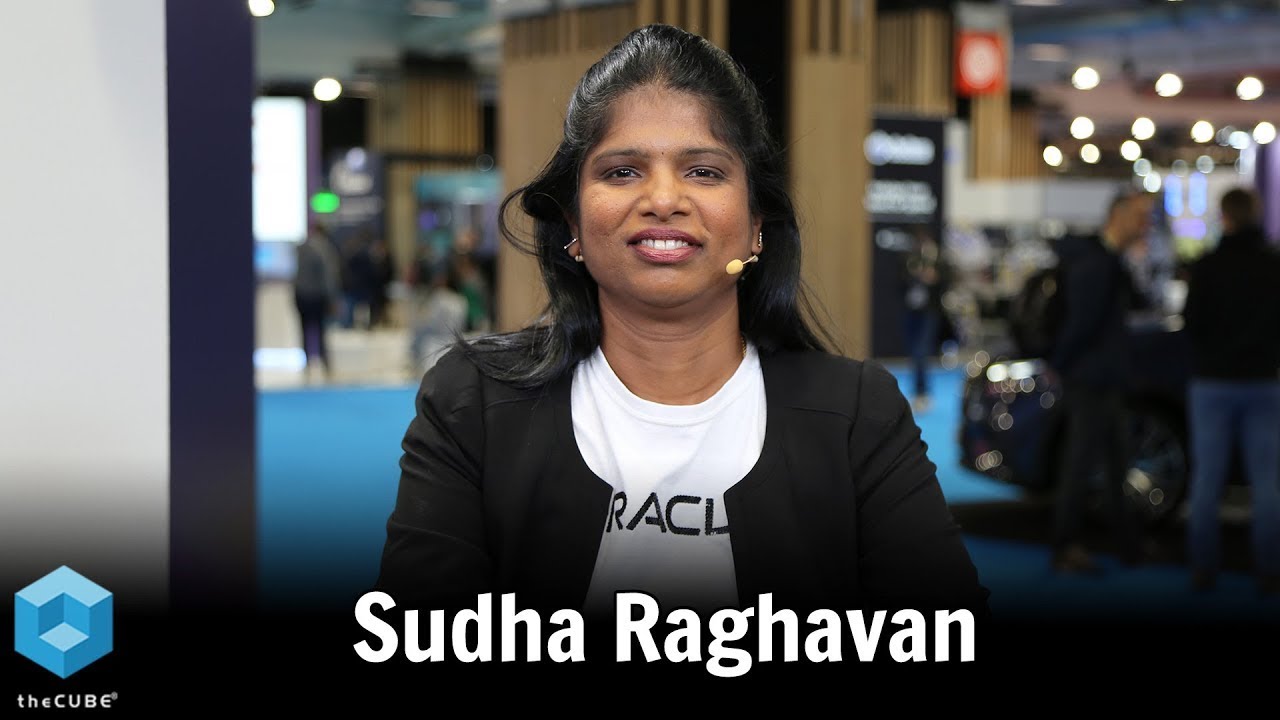
week as well, was here donating code and creating APIs. I think when we had Oracle on this morning talking about how she's advocating, because they're not just using
GPUs, they're using CPUs, and you have TPUs over at
Google and other stuff. They're advocating for
standards for interfaces to those GPUs, which I think
then helps to get to solve exactly what Dustin is talking about. And I think it's good to
hear that that has surfaced. I think Salt Lake will also be aggressive, but hey, you got to put targets out there and see if they can get 'em, so. >> I love it, I respect it. I respect a bold claim no matter what. I would love if we've
optimized that though, and I mean that'll make
everything more sustainable. There's a lot of benefits
of that happening, I believe in the cloud native community. I just don't necessarily believe that enterprise has figured out AI yet, and that affects GPU strategy. So it's kind of, yeah, it's less that. It's not that I don't trust the wonderful people in this room. >> You're spot on. It'll take a little bit longer to generally solve that problem. >> We're in Paris, Joep, what was the best thing you ate this week? >> Oh, the croissant. The first one. >> Melty, buttery. I actually haven't had one yet. And now I realize I need to. I'm now immediately hungry. What about you, Dustin? You had a pretty swanky,
once in a lifetime meal. >> I did, that was pretty spectacular. Last night I actually had
champagne and caviar, though. >> Savannah: Two of my favorite things. Literally, that's it. >> Yeah, I'll just stop there. (all laugh) >> I'm jealous, I'm going
to have to figure out where he went after the show. What about you, Rob? Best thing you ate? >> Yeah, I still go back to the bread. I mean, the bread that
doesn't upset your stomach when you ate like 13 loaves of it. >> Savannah: No kidding. >> With cheese, with good cheese. >> Savannah: Oh, the cheese. >> Cheese and good bread,
I mean, just unbelievable. >> It is, it is absolutely unbelievable. It's going to be really tough
to top Paris as a location. I mean. >> Rob: What, you don't think
London has food like that? >> I mean. >> Oh wait, wait. >> I thought you were
going to say Salt Lake. >> Throw down the gauntlet, where do you want to go? If you had the master
plan and could select, after these next four are planned, but Savvy, where would we go? >> Oh, that's a great question. Well, I'm a warm weather
person who loves wine. So I would say somewhere in Italy. I'd do like Florence if
I were to pick somewhere, and then have a little Tuscan
vacation on the back end. >> 20 years of conferences and I have never been to
Italy for a conference. >> I've been invited
to speak in Italy once, and it was one of the best
business trips I had ever. >> I did a conference in Rome. And Rome is capable of
doing it and has the space. It's also easy to get in and out of, but it's not as, it's not Florence, but it's still very, and the food, I think Rome would be excellent. >> We're just planting that seed. We're planting that seed. >> Not that we have any power here >> I'll take Rome or Barcelona. I mean, I think. >> I could see it being, I actually, I thought
it might be Barcelona. I mean, we were just there
for MWC, it's a great city. >> Madrid's great too. I mean, if we're talking Spain, Madrid. So much fun, good food too. >> Yeah, basically we just want to eat, and talk about Kubernetes,
and have some champagne. It's rough life out here on theCUBE. >> Yeah, very rough. Very rough. >> We had some really excellent
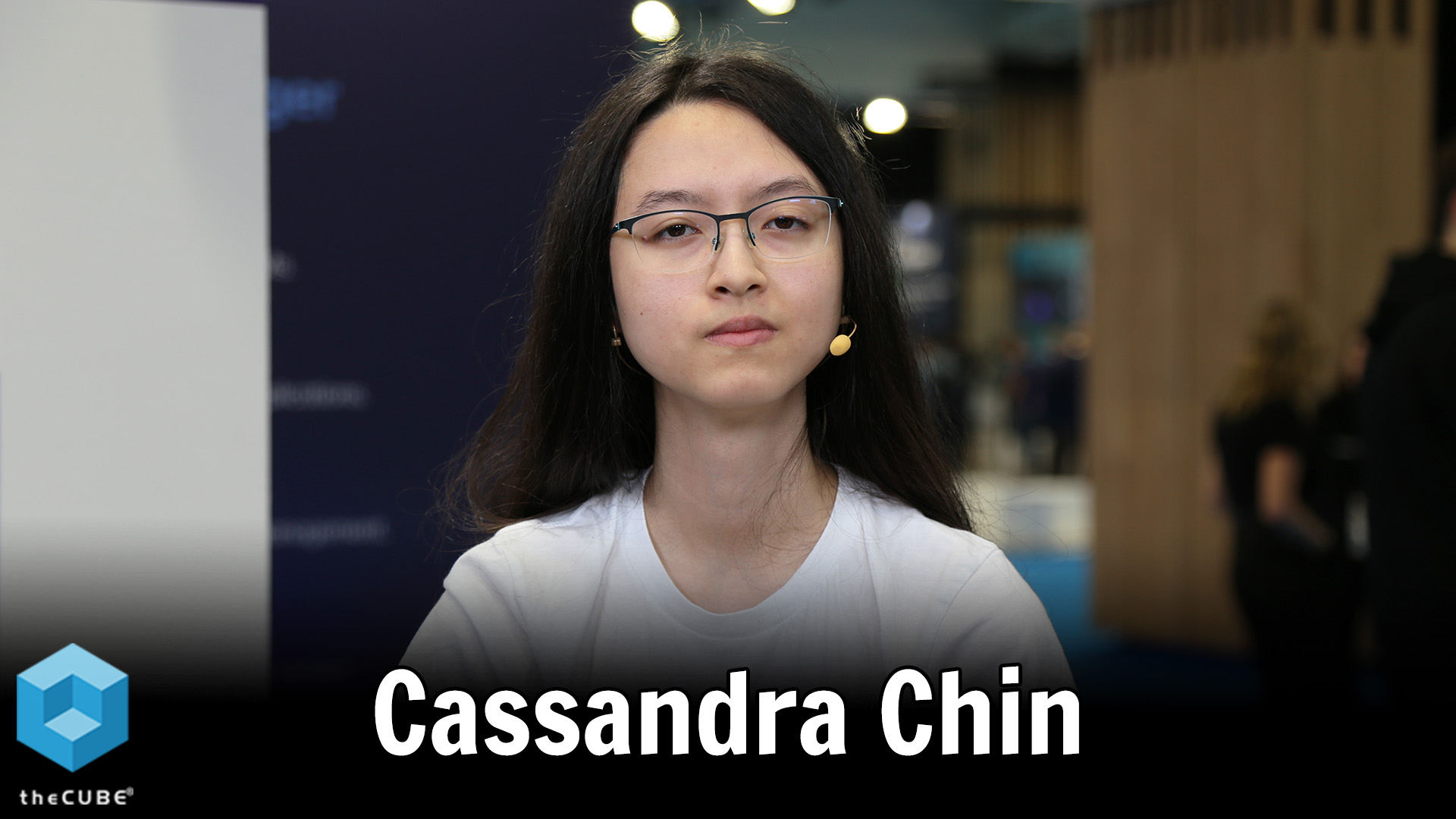
guests on the show this week. We had Red Hat, we had Cassandra Chin, who is the 20-year-old author of an illustrated children's
book about Kubernetes and AI. Which even saying that
sentence out loud is amazing. She is so inspiring. Lots of inspiring people. We also had the CNCF Deaf
and Hard of Hearing group just on right before this. And it matters. It matters, we are privileged people, and I think it's great that
there is that working group. It's been less than a year. But also that they're really
trying to make all events, not just here in Nerdland, more accessible for the deaf and hard of hearing. >> Inclusive. >> Yeah, and inclusive, and
even illustrated by the fact that they invite hearing folks
into their community as well. It's not meant to be, and I don't think I would've intuitively thought about that. Normally I would've
thought I was overbearing or kind of inserting
myself in that situation. So I'm actually going to
personally check it out, 'cause it's been really. >> Yeah, I think it's about
having allies and abilities, and we were actually talking off set while you were on doing that segment, that it's about neurodiversity in actually developing these projects. And you get such a better outcome when you bring more
diversity to that table. You know, not just deaf and
blind and those abilities, but all kinds of backgrounds as well. And I think that's such
a key and I love that >> And you see the results of this, because this show is, and
I've had this conversation a couple times over this week. The people that are at this show is not typical for the typical nerd show. And I just love the fact
that we put in the work as a community years ago
and we have a result. We can actually see the difference. >> Rob: Yeah, I agree. >> Yeah, I mean, it's one, it
does feel, as a woman in tech, and a woman who's been
in tech for a long time, there's a lot of ladies here. There's a lot of non-binary folks here. And I love that that's celebrated. It's celebrated even in the cloud native
foundation's characters, there are non-binary cartoon characters. I mean, that in itself is pretty magical. It's nice to know that we're a part of such an inclusive community. And on that note, Joep, Dustin, Rob, thank you so much for joining me. This has been an absolutely
fantastic three days of dozens of interviews here at KubeCon Cloud Native Con in Paris, France. Signing off for the last time,
my name's Savannah Peterson. You're watching theCUBE,
the leading source for enterprise tech news. (ethereal music begins)
(ethereal music begins) >> Good afternoon, nerd fam, and welcome back to
KubeCon, Cloud Native Con, CNCFs biggest European event. And actually the biggest
KubeCon there has ever been. Very exciting week. My name is Savannah Peterson, joined by three really
rad dudes right now. I am looking forward to our show wrap. Joep, we've got Dustin and we've got Rob. I want to hear all your hot takes. I want to hear what you expected, what didn't happen, what's
missing, where we're going. Joep, I'm starting with you, 'cause we haven't had
you on yet this week. >> Yeah, so I came here with expectations of it being a KubeCon,
me being in sessions. And that didn't happen at all, because the show floor is so
busy, I just could not walk for five meters without
bumping into someone. So my expectations were, okay, but it just knocked it out of the park. >> Absolutely, the energy, the
community, it's just buzzing. And I feel like I was thinking about it, out to dinner actually,
when we were out to dinner earlier this week, of just
what a family this is. It really does feel like, I'm like, oh, I'm just going to go hang
out with all my buds in Paris. And we call this work? I mean, yeah. What about you, Dustin? What are your expectations versus reality? >> Well, totally agree with
Joep on the show floor. Absolutely packed. Really good interest across the board from community developers, some maybe new to the open
source and CNCF community, but a lot of enterprise interests, a lot of EU enterprise interest in the various solutions
that are surrounding us here on the show floor. >> Yeah, I thought it was same thing. I was overwhelmed by the floor here. I just spent that last hour,
I think I went to three booths and had three very long conversations about very interesting stuff
that I didn't even realize was going on underneath the
hood and some of these projects. And I think that to me
was one of the keys, is that the amount of
projects that are going on is just massive, and the
community is massive. And as you guys were saying, it's like 51% new people into the show, which about equates to about
the number of new people that were at, a little bit
more new people at this show than were even at the one
in Amsterdam a year ago, where it was about 60% of 10,000. You have 51% of 12,300,
it's about the same. So, I mean, statistics wise,
it's pretty impressive. >> Great trajectory. >> Yeah, it is really impressive. And I think we're reaching
a new stage of maturity within the ecosystem as well. It's a lot less hype. Kubernetes is actually
being deployed edge. I think the AI stack is actually driving a bit of that as well. So I think we're at a place
where this isn't just a project. People aren't thinking about it, we're actually implementing and
seeing what that looks like. Joep, what do you think
has been the biggest change since you and I were seated
next to each other in Amsterdam? >> Ooh, so the biggest
change, I think is that, this show is more about
the cloud native stuff than it is about Kubernetes. So I'm looking forward to
that name change next year. But I think it is getting boring
in a sense that Kubernetes, Kubernetes is just mature. Like you say, people are implementing it. We have the mature solutions around it. We have the ecosystem. That means we can now focus on the part that I think is way more interesting, even though I am an infrastructure
engineer by my history, we're looking at the
developer, how to empower them, how to enable them to
actually build something that makes sense for the business. And that's what excites me in the show, is actually having those conversations about what the developers
need, what the business needs. And we're kind of in a
phase where we can just say, okay, the infrastructure part,
it's there, it's commodity, again, which I just enjoy. >> I think you're absolutely right. I think, would you agree? >> I mean I think it's dead on. And I mean, if you look at, by the numbers that they were showing, from a contributions and
number of people contributing, Back page, or backstage, not back page. That's a whole different thing. But backstage. >> We've said a lot of words up
here and we're both dyslexic, so it's a danger zone out here. Buckle your seat belts folks. >> Yes, this is, this is going to be fun. But backstage has more
individual contributors than any of the other
projects that are out there. It may not have all of the contributions, but to me that's the developer. That's the interface
between platform engineering and developer. And I think we've heard through a number of the
discussions we've had this week, how do you make that, how do
you make platform engineering understand what the developers need? And oh, by the way,
now you've got this guy called a data scientist who's
trying to put other things and models in places that
models haven't been before. And oh, by the way, the
developer has to go, okay, where is this and how do I do that? And so I think focus on the developer, focus on cloud native. I agree, and I think the
one thing was clear to me, if you look at the shirt,
big letters, cloud native, small letters, Kubernetes. I think they are going that
way, and I think they are. I mean, I think it should
swap the names around, but I think it's great stuff. >> Are they changing the name? >> Joep: I don't know. >> Oh, that was just you. That was you. Okay, I wasn't sure if that
that was an announcement that was made. >> We're voting that direction, that's what you can say. We're balloting out for it. >> That's not too dissimilar
from Linux, right? You say Linux and that's
this like tiny little piece that's the kernel of an operating system, and then out of that builds an OS, and then out of that build
everything on top of that. But Linux is this one word, and that's kind of Kubernetes at the heart of so many
other things that, you know, once you really take the macro view, you end up in the whole philosophy of cloud native management
at the platform side and application development
from a developer's perspective. >> So you're saying it's marketing. >> Sure, yeah. >> What's wrong with marketing? >> Nothing wrong with that. It is shorter and they have a
nice little acronym of KASE. I mean, again, I get it, but I think I'm happy, like Joep is happy, that the focus is changing
towards the developer and cloud native. And I know you are too. >> And it's not just the developer, and I haven't seen it that
clearly on the show floor this week, but I have seen
hints of this starting to happen where we're kind of integrating the data science side of this
into the cloud native world. So we're applying DevOps
principles to not just Dev and Ops, we're applying them to the
data science realm as well. Which means we're now
more and more set up, and this is going to continue
for a couple of years, where we're just more set up to also have all of those data stories integrated into all of the stuff
that we're doing here, from DevX, to infrastructure, to AI, and everything in between. So that's going to be exciting, I think, in the next couple of years, to see how much of that data
world is going to integrate in the world that we know
in the cloud native space. >> Yeah, I think you're absolutely right. So building on that a little bit, since you know I love
to ask this question, what are we going to be
able to say in London that we can't say here? Joep, I'm going to you first,
you've got a cheeky grin. >> Yeah, so I'm going to
go to data science, right? We're going to see the
integration of those skills into the teams that we already have instead of them being siloed off on the side of an organization. But it's going to take a little while. So maybe not London, maybe
the year after, we'll see. >> Yeah, when we're back in Amsterdam. That'll be fun. Yeah, yeah, what about you? What do you think, Rob? What what are we going to
be talking about in London, or Salt Lake, if you feel really bold? >> Yeah, I mean, Salt Lake, I
think we're going to have a lot, I think even in Salt Lake, and we kind of touched on it this morning, that security for AI and
Kubernetes inside the platform, end-to-end security for cloud native apps that are data based and data products. And I think that's going to really be a big piece of Salt Lake, and building on that into London as well. >> Dustin. >> I'm going to go with
the GPU utilization problem being solved. We heard a little bit about that, and just now released very
recently in Kubernetes 1.30 we start seeing some of the DRA advances we talked about on Wednesday. The persistent, if it's
not a GPU shortage, just the demand, the over demand for GPUs. And yet inside of clusters, not entirely fully well utilized. Also in the keynote this morning, we saw some workloads
performing at certain sizes better on CPUs. And so I think probably by Salt Lake, but if not, certainly by London, I think that piece will be
a solved problem, really, deep down in the scheduler
around resource utilization. >> I think that's a bold prediction. I think you're giving
people a lot of credit. >> Dustin: Well, we'll see. >> Yeah. >> Dustin: I trust this community. You're skeptical. >> I'm skeptical that in six months we're going to have
solved the GPU problem. >> Oh, well, I didn't say
solve the GPU problem, utilization. >> But even there, I
think people are just now architecting their AI strategy. They've obviously, I
mean, many organizations have had some division of this, but we're in a real
inflection point there. And so we're going to be
doing different things, solving different problems,
asking different questions. I don't think we can solve
the utilization problem until we understand all the problems we're going to be solving for. And I think we're still
discovering that, quite frankly. >> I think you're dead on. And I think what was. >> Savannah: Thanks Rob. >> What was actually, yeah,
no, I mean, great insights. You're not just a pretty face. So we know that. But I think what's
great is you have people coming to the table like Nvidia, even though it's GTC
week as well, was here donating code and creating APIs. I think when we had Oracle on this morning talking about how she's advocating, because they're not just using
GPUs, they're using CPUs, and you have TPUs over at
Google and other stuff. They're advocating for
standards for interfaces to those GPUs, which I think
then helps to get to solve exactly what Dustin is talking about. And I think it's good to
hear that that has surfaced. I think Salt Lake will also be aggressive, but hey, you got to put targets out there and see if they can get 'em, so. >> I love it, I respect it. I respect a bold claim no matter what. I would love if we've
optimized that though, and I mean that'll make
everything more sustainable. There's a lot of benefits
of that happening, I believe in the cloud native community. I just don't necessarily believe that enterprise has figured out AI yet, and that affects GPU strategy. So it's kind of, yeah, it's less that. It's not that I don't trust the wonderful people in this room. >> You're spot on. It'll take a little bit longer to generally solve that problem. >> We're in Paris, Joep, what was the best thing you ate this week? >> Oh, the croissant. The first one. >> Melty, buttery. I actually haven't had one yet. And now I realize I need to. I'm now immediately hungry. What about you, Dustin? You had a pretty swanky,
once in a lifetime meal. >> I did, that was pretty spectacular. Last night I actually had
champagne and caviar, though. >> Savannah: Two of my favorite things. Literally, that's it. >> Yeah, I'll just stop there. (all laugh) >> I'm jealous, I'm going
to have to figure out where he went after the show. What about you, Rob? Best thing you ate? >> Yeah, I still go back to the bread. I mean, the bread that
doesn't upset your stomach when you ate like 13 loaves of it. >> Savannah: No kidding. >> With cheese, with good cheese. >> Savannah: Oh, the cheese. >> Cheese and good bread,
I mean, just unbelievable. >> It is, it is absolutely unbelievable. It's going to be really tough
to top Paris as a location. I mean. >> Rob: What, you don't think
London has food like that? >> I mean. >> Oh wait, wait. >> I thought you were
going to say Salt Lake. >> Throw down the gauntlet, where do you want to go? If you had the master
plan and could select, after these next four are planned, but Savvy, where would we go? >> Oh, that's a great question. Well, I'm a warm weather
person who loves wine. So I would say somewhere in Italy. I'd do like Florence if
I were to pick somewhere, and then have a little Tuscan
vacation on the back end. >> 20 years of conferences and I have never been to
Italy for a conference. >> I've been invited
to speak in Italy once, and it was one of the best
business trips I had ever. >> I did a conference in Rome. And Rome is capable of
doing it and has the space. It's also easy to get in and out of, but it's not as, it's not Florence, but it's still very, and the food, I think Rome would be excellent. >> We're just planting that seed. We're planting that seed. >> Not that we have any power here >> I'll take Rome or Barcelona. I mean, I think. >> I could see it being, I actually, I thought
it might be Barcelona. I mean, we were just there
for MWC, it's a great city. >> Madrid's great too. I mean, if we're talking Spain, Madrid. So much fun, good food too. >> Yeah, basically we just want to eat, and talk about Kubernetes,
and have some champagne. It's rough life out here on theCUBE. >> Yeah, very rough. Very rough. >> We had some really excellent
guests on the show this week. We had Red Hat, we had Cassandra Chin, who is the 20-year-old author of an illustrated children's
book about Kubernetes and AI. Which even saying that
sentence out loud is amazing. She is so inspiring. Lots of inspiring people. We also had the CNCF Deaf
and Hard of Hearing group just on right before this. And it matters. It matters, we are privileged people, and I think it's great that
there is that working group. It's been less than a year. But also that they're really
trying to make all events, not just here in Nerdland, more accessible for the deaf and hard of hearing. >> Inclusive. >> Yeah, and inclusive, and
even illustrated by the fact that they invite hearing folks
into their community as well. It's not meant to be, and I don't think I would've intuitively thought about that. Normally I would've
thought I was overbearing or kind of inserting
myself in that situation. So I'm actually going to
personally check it out, 'cause it's been really. >> Yeah, I think it's about
having allies and abilities, and we were actually talking off set while you were on doing that segment, that it's about neurodiversity in actually developing these projects. And you get such a better outcome when you bring more
diversity to that table. You know, not just deaf and
blind and those abilities, but all kinds of backgrounds as well. And I think that's such
a key and I love that >> And you see the results of this, because this show is, and
I've had this conversation a couple times over this week. The people that are at this show is not typical for the typical nerd show. And I just love the fact
that we put in the work as a community years ago
and we have a result. We can actually see the difference. >> Rob: Yeah, I agree. >> Yeah, I mean, it's one, it
does feel, as a woman in tech, and a woman who's been
in tech for a long time, there's a lot of ladies here. There's a lot of non-binary folks here. And I love that that's celebrated. It's celebrated even in the cloud native
foundation's characters, there are non-binary cartoon characters. I mean, that in itself is pretty magical. It's nice to know that we're a part of such an inclusive community. And on that note, Joep, Dustin, Rob, thank you so much for joining me. This has been an absolutely
fantastic three days of dozens of interviews here at KubeCon Cloud Native Con in Paris, France. Signing off for the last time,
my name's Savannah Peterson. You're watching theCUBE,
the leading source for enterprise tech news. (ethereal music begins)