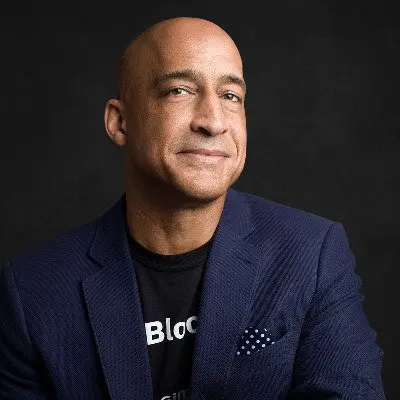
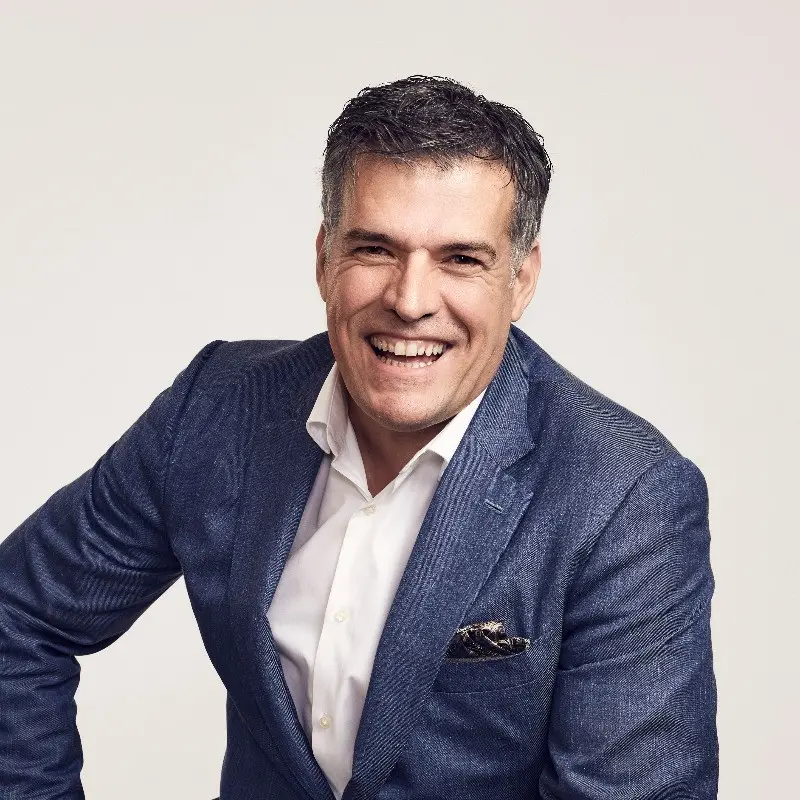
This discussion at IBM Think 2026 focuses on partners and the global artificial intelligence opportunity, emphasizing hybrid infrastructure sovereign requirements and partner-led orchestration for enterprise AI. Jason Kelley of IBM Consulting, global managing partner, core business applications, and Javier Olaizola of IBM Consulting, global managing partner, hybrid cloud and data, bring consulting and cloud expertise to the conversation. The segment is produced by theCUBE Research and hosted by John Furrier and Dave Vellante.
Kelley states hybrids and asset-led delivery enable scalable production beyond pilots. They emphasize asset-based consulting and industry-specific workloads as pathways to accelerate AI adoption in regulated and global environments.
Olaizola argues governance trust and AI primitives are essential to scale global deployments. They highlight sovereign AI strategies that balance data sovereignty requirements with hybrid cloud architectures and operational governance.
theCUBE Research analysts emphasize outcome-first partnering and co-development to accelerate industry-specific AI value. They describe orchestration as a conductor across clouds partners and vendors that enables enterprise AI production at scale.
Key takeaways include a redefinition of sovereignty the primacy of hybrid models and orchestration as the central mechanism for partner-led enterprise AI. This conversation informs enterprise leaders on partner strategies governance models and technical approaches for deploying AI at scale.
Forgot Password
Almost there!
We just sent you a verification email. Please verify your account to gain access to
IBM Think 2026. If you don’t think you received an email check your
spam folder.
In order to sign in, enter the email address you used to registered for the event. Once completed, you will receive an email with a verification link. Open the link to automatically sign into the site.
Register for IBM Think 2026
Please fill out the information below. You will receive an email with a verification link confirming your registration. Click the link to automatically sign into the site.
You’re almost there!
We just sent you a verification email. Please click the verification button in the email. Once your email address is verified, you will have full access to all event content for IBM Think 2026.
I want my badge and interests to be visible to all attendees.
Checking this box will display your presense on the attendees list, view your profile and allow other attendees to contact you via 1-1 chat. Read the Privacy Policy. At any time, you can choose to disable this preference.
Select your Interests!
add
Upload your photo
Uploading..
OR
Connect via Twitter
Connect via Linkedin
EDIT PASSWORD
Share
Forgot Password
Almost there!
We just sent you a verification email. Please verify your account to gain access to
IBM Think 2026. If you don’t think you received an email check your
spam folder.
In order to sign in, enter the email address you used to registered for the event. Once completed, you will receive an email with a verification link. Open the link to automatically sign into the site.
Sign in to gain access to IBM Think 2026
Please sign in with LinkedIn to continue to IBM Think 2026. Signing in with LinkedIn ensures a professional environment.
Are you sure you want to remove access rights for this user?
Details
Manage Access
email address
Community Invitation
Jason Kelley & Javier Olaizola, IBM Consulting
This discussion at IBM Think 2026 focuses on partners and the global artificial intelligence opportunity, emphasizing hybrid infrastructure sovereign requirements and partner-led orchestration for enterprise AI. Jason Kelley of IBM Consulting, global managing partner, core business applications, and Javier Olaizola of IBM Consulting, global managing partner, hybrid cloud and data, bring consulting and cloud expertise to the conversation. The segment is produced by theCUBE Research and hosted by John Furrier and Dave Vellante.
Kelley states hybrids and asset-led delivery enable scalable production beyond pilots. They emphasize asset-based consulting and industry-specific workloads as pathways to accelerate AI adoption in regulated and global environments.
Olaizola argues governance trust and AI primitives are essential to scale global deployments. They highlight sovereign AI strategies that balance data sovereignty requirements with hybrid cloud architectures and operational governance.
theCUBE Research analysts emphasize outcome-first partnering and co-development to accelerate industry-specific AI value. They describe orchestration as a conductor across clouds partners and vendors that enables enterprise AI production at scale.
Key takeaways include a redefinition of sovereignty the primacy of hybrid models and orchestration as the central mechanism for partner-led enterprise AI. This conversation informs enterprise leaders on partner strategies governance models and technical approaches for deploying AI at scale.
Global Managing Partner Core Business ApplicationsIBM Consulting
Javier Olaizola
Global Managing Partner Hybrid Cloud and DataIBM Consulting
search
John Furrier
>> Welcome back to theCUBE, everyone. We are here on location at the IBM set in Boston for IBM Think 2026. I'm John Furrier, host of theCUBE. We're here with Dave Vellante and our entire team coverage, bringing down the future of AI. In this segment, we're going to drill into the partners and the global AI opportunity. Jason Kelley, Global Managing Partner, Core Business Applications at IBM Consulting. And Javier Olaizola, Global Managing Partner, Hybrid Cloud and Data at IBM Consulting. These guys manage the global ecosystem for IBM. Guys, thanks for coming on theCUBE here at the IBM set.
Jason Kelley
>> Good to be here. Thanks, John.
John Furrier
>> Jason, we were talking about the sovereign global opportunity earlier before we came on camera, and the theme here throughout the show has a lot to do with agents and AI infrastructure. In that, we hear governance built in, but when you start thinking about global scale, the sovereignty conversation has expanded. What is your take on this? Because it's kind of being redefined. How would you reset that definition?
Jason Kelley
>> I think that when you think of sovereign, it now has this new social, geopolitical environment of nationalism and people, oh, we're talking politics. And it is this thought of what are we doing in our own space? You start to take everything that used to be global, something we're very, very adept at here at IBM, but then also doing what's been done in the past, it's really back to what we've always talked about. We have always been strong players with government agencies, local governments that had a sovereign need, with defense agencies that were sovereign. This is the future or back to the future, it's the same thing. So we're familiar with it, it's not really that new.
John Furrier
>> Ric Lewis, Vice President of Infrastructure, said here in this studio, "It's a home game for IBM." You guys have been doing sovereign for a long time, running global business, obviously multinational. I could see that nice pedigree there. Javier, the world's changed a lot since then. The computing paradigm, we saw cloud 1.0, hyperscaler. We're living in 2.0 right now with the neoclouds and all this CapEx build up. I wrote a post last night called the Hyperscaler 3.0, which means fully converged edge network, central core, full sovereignty. That's coming very, very fast. You have the cloud and the data piece of the ecosystem. It is the most robust CapEx spend in the world and a lot of activity, certainly globally with the geopolitical tensions, but also this real desire. Explain how you see this playing out because the market forces both on the demand for AI infrastructure and applications and the sovereign and capabilities is two big drivers. What's your reaction?
Jason Kelley
>> Yeah. The need to acknowledge that the world has changed and our clients are noticing that, it has changed in different levels. From a legislation perspective, so there's new regulations coming up everywhere. On the other side also, the complete technology landscape is also evolving. This is also really very, very fast with all these new AI, the new AI paradigms, new AI opportunities that we are having. And the geopolitics, so we are seeing now, again, supply chain disruptions and so on and so forth. Now, when I get into different board meetings, and the questions that we are getting is no longer, are we compliant? But the question is being, are we exposed? And the question is that being I am compliant was like looking backwards and the clients was, that sovereignty and that exposure was just coming in the slide 40 in a PowerPoint pitch. Now it's coming up front, so it's how much is my exposure? And that is coming up with a new set of conversations that we are having with clients.
John Furrier
>> Yeah, and the velocity in the market is so fast. The pace of play is unbelievable. I mean, I've never seen it. The market obviously is really rocking. On the business side, how do you guys see the business models we hear that again, the theme in Arvind's keynote was very business transformation, business model, opportunities. He didn't show a stack slide. He wanted to keep it very simple, he showed us quantum, love to show that it's real, but his message was all about the business opportunities. Can you guys share your view? Because without an ecosystem, platforms aren't platforms, and you got to have that enablement to flow up to the partners and the applications. What is the business model of sovereign and this new era we're in?
Jason Kelley
>> You're looking at new models of collaboration and innovation. I think that because of the speed at which things are moving, you call it out, the ecosystem, whether it's hyperscalers and the cloud players, your ISV players, they are coming together. And you think about this thought of compliance, as Javier said, all of a sudden you start saying, "Well, how much am I exposed?" And compliance starts to make people think, "Oh, now I'm being restricted." So now I'm contained. But if that's the thought, how do you still have a level of innovation and speed if you've now seen yourself as restricted? I think the challenge is in front of us to make sure that our partners are orchestrated together in that given client, in that given industry, in that given sovereign network or arrangement. That's where we come at as conductors of that orchestration to make sure that we do get the outcomes that the clients are looking for.
Jason Kelley
>> I would add to that that AI is now putting a lot of pressure on clients to reflect on what are their actual value, and they are reflecting on their business models from a first principles perspective is what is my real core because I think that now AI is exposing all that and that is now a very serious conversation that we are having. You start to see really winners in the market on the ones that are really realigning their whole operating model around this AI and where they can really thrive. We are seeing people that is staying behind when they are trying to apply some AI in the agents and instead of really realigning around-
John Furrier
>> Versus going to the core. Hit some core business value out of the gate. Yeah, one of these things in my thesis of Hyperscale 3.0 is more of an operating model around the C-suite line of business are involved. You got the hyperscalers and neoclouds, and then you have the on-prem CIO, data scientists, AI engineers, and the AI builders in the middle of that Venn diagram, this seems to be the steady stake that people want to see. We're not there yet. How do you guys see that playing out? Because when you look at, say, the business value being created, Arvind just said in our one-on-one with him to our question was, "Is it fully integrated stakes or is disaggregated stacks?"
And he gave a really great answer. He basically said, "We'll see, but proprietary lock-in doesn't work." And I said today, we're commenting, this is like a new IBM, not new, but this is not the old IBM. Partnering and choice become big. You have this new model of interaction, C-suite's driving a lot of action. You got the neoclouds and hyperscalers and then you have the on prem, which never really went away, so you have that.
Jason Kelley
>> Right.
John Furrier
>> Plus, you have the openness. This is where I think the partnerships and the ecosystem connect with the enterprises or countries trying to execute.
Jason Kelley
>> Absolutely. And I'll tell you, John, you hit on a key point, shameless promotion with our CEO study coming out for the thought of what is the view of the 2030. One of those big bats is what's the best AI is your AI. So this goes to what Javier said, your AI. What is your AI? Well, we do know that it's going to involve multiple partners. You're going to have multiple agents, and you're going to have to perform differently in a sovereign environment so how do you get that? Well, it's that value that you want out of. It's your objective, your goal. We are ready to be right there in the middle of that so that it is your AI, and the way that you want it to empower your business.
John Furrier
>> I'll be weighing on this because one of the things I wrote in my first sentence was we have closed the chapter of which cloud do you run on error? Because it's independent of whether it's a cloud or on prem, because hybrid won. And now you've got the open ecosystem that will open the door for, I guess more resilient sovereignty.
Jason Kelley
>> It's a subtlety hybrid one and we're a hybrid AI company.
John Furrier
>> Well, hybrid infrastructure is basically-
Jason Kelley
>> And with us-
John Furrier
>> You can run on-prem cloud. I mean, Google and Amazon have distributed cloud systems. Software for Google Amazon's got Outpost. So you're already seeing the game's already been won for the hybrid.>> I mean, a few years ago, still people was debating this hybrid cloud is that today it's the standard. I think that that has become the defacto way of clients are operating. I think that we are even moving into a next layer that's saying technology has become as important as finance in your organization, and it's like you need to treat this as important as your P&L. In order to doing that, you need to control your technology, and you're going to these technology choices on who controls your tech. I mean, are you in control, or are others in control? And are you getting the value out of that technology, or are any other partners are extracting value out of the value chain? I think that those type of reflections are now very, very relevant, and I think that in this case, hybrid cloud and hybrid AI comes to the answer.
John Furrier
>> The partner networks, partner ecosystems have evolved over the generations. How would you guys classify the current partner ecosystem today in the hybrid AI era? High velocities we've talked about, more integrated code engineering, designed, co-whatever, radical co-design, whatever people call it these days, you're seeing a lot more tactical things change. Strategy is still the same, work together, create outcomes, but are there any tactics that you guys have seen in the partners that's new?
Jason Kelley
>> I think that when you say work together and partner, that has a new definition. I think on the front end of the design and collaboration, it's happening sooner rather than later. And you're also finding these partnerships being designed by purpose and value outcome. Many of our global clients will say, "Oh, I have everything." The question is, do you need everything? And is that optimal for your talent, for your capability, for your spend? The answer is no. So then what should you have? And that's where you start to look at that outcome, and what is it you're trying to get to, so it's really this outcome-first thinking, so we're flipping it, and that outcome-first thinking says that I need to make sure that I'm partnering by design.
Jason Kelley
>> So many clients that we are having discussions or conversations now that they have all the tech. They have all the tech that is needed. So the question now is, how do I really put this to work for my achieving my business objectives? That is the conversation today. And how can we align all that tech to really produce the value in your value chain?
John Furrier
>> Arvind also said in the one-on-ones that what was once not in good position, whether it's a company or tech now with AI can quickly move IBM, how has your ecosystem and your relationships changed with AI? Has it accelerated? And also, what has the opportunity changed for you guys? Because now you have this AI ecosystem around agentic sitting on top of the cloud native hybrid environment, which brings in hybrid AI. This is a huge opportunity. What is the acceleration plan? Can you share some momentum and educate the folks on where you guys are?>> Go ahead.
Jason Kelley
>> Well, I would start with this thought of acceleration. It says that we have to be closer with our partners, and then we look at that partnership as it a little bit differently is that when it used to be a challenge, you say, "Oh, well, it's an ERP challenge. Let's talk about my supply chain."
It's like, wait a second. You can't have a supply chain without a data player in there, without multiple clouds. And if it's a sovereign cloud, then now we're in a different situation there. It's just the point of a conversation is sovereign. And then also, who's your end customer? So right then you just called out for possible partners or players in this. For us, that speed has to come together by design. You have to walk through the door already having that workflow and those partnerships made with a hardened asset. That's why we have a distinct strategy as a team to make sure that we're walking through the door with consulting with assets, asset-based consulting. We walk through with some of our own capabilities. We talk sovereign, how can you not talk sovereign without having a vault capability with HashiCorp? You go, "Oh, you already have HashiCorp."
"Oh, well, how do we pull all this data together and need multiple sources?"
"Well, you need something like Confluent."
"Oh, we have that too." So it starts to fill-
John Furrier
>> Get the couple pieces.
John Furrier
>> Yeah. I think that coming to this acceleration, I think that we are super excited with the market momentum that we are observing right now because the sentiment has changed into what is my opportunity with AI versus how I am capitalizing on the AI dividends. I think that is where we have really, really distinctive value propositions, and we do have the AI primitives, let me say. Same as in the mobile data, we had that, and the GPS was the primitive. We do have some AI primitives like the governance and the trust. Without the trust, there is no way that you can start to build up an AI operating model and an AI business model. So with that, we are being able to scale up, and we have clear new delivery models around AI with the human at the edge delegating all the work to the agents with this human plus digital workforce. I think this is starting to resonate a lot.
John Furrier
>> Between both you guys, we've got the cloud and data, the hot areas that are growing, all these applications where the value is, you see everything. Scale has been huge discussion, obviously speed. What does that mean for you guys and IBM? Because when you're operating at scale, that changes the game a little bit. What does that mean for you guys as you partner and create these relationships because they want things to work, and it's got to scale and it's not just, "Hey, let's scale that." No, that's really like scale.
Jason Kelley
>> Yeah. And I'll just use, I think one of the common thoughts around scale, it's beyond the POC, beyond the pilot. As soon as you say scale, that's the first thing I think is how do you... That at scale means we're not even using that language. We were saying that we're walking in and this is why I mentioned this thought of having assets that really scale the capability with value, so you're able to walk in and you're not saying, "Oh, let's test it."
It's not a bunch of science experiments. It's actually changing that enterprise's capability across its front to back, back to front, across the enterprise at scale. When I think scale, that's what I think is it's real, it's capable, it's hardened, it's proven.
John Furrier
>> That's where the pilot, we talk about pilots production, the pilots that end up dying in the sandboxes are the ones that were on the fringe as you guys talked about the keynote today. Fringe projects basically are destined to fail from the beginning. They might not fail out, but they're sitting out there not really attacking. You mentioned hit the core problems.
John Furrier
>> I mean, an example from last week, it was not just a pilot, a great solution, great AI agent that we have created for a client in the consumer industry that has to read some labels and so on. All great on country, boom, and functioning and great business, business value. Now they said, "Oh, I want this in my hundred countries that I am opening with. Go."
What is the governance that we have with that? Can you have access to that data in every single country? There are a number of questions that are opening up, and that is where I come back to these AI primatives. Having the security in place, having governance in place so that we can really scale and this layer of trust that allows you to go faster.
John Furrier
>> Yeah, it really is. I mean, I've been following IBM for a very, very long time and it was just recently where the product growth revenues flipped over the services and you started to see that product-led leadership. When you look at orchestration, I think I wrote a post called We're Entering the Orchestration Era. You don't have to put a fancy headline on things, but what it means is that orchestration seems to be what people are referring to when either orchestrating Kubernetes clusters or workloads. Multi-cloud is now a huge steady state thing, still work to be done, but migrations are hot right now.
You're starting to see a lot of this under the hood behavior to set the table for the next level, but orchestration comes out a lot. That must translate well for you guys in the ecosystem because you have the customer, you have the home game for sovereignty, you'll have that experience. Explain that your views on orchestration, what that means. There's a lot of lock going on. Compliance is one, Kubernetes clusters another. There's many examples of who's orchestrating. Again, another definition that's broadened, Jason.
Jason Kelley
>> You hit that when you say it's broadened and I think it's also been somewhat diluted when you say orchestration because when you say orchestration, the first thing people tend to think is, oh, you're talking about orchestration of AI. Well, AI, is that orchestration of data? Is that orchestration of agents?>> Yeah.
Jason Kelley
>> Both of those things. But I think if we start back to one of your earlier question, what's different? It's really the orchestration is about what's already been there, this debt that our clients have, and that is PTSD. I don't mean the other PTSD as in you have-
John Furrier
>> The IT version.
Jason Kelley
>> This is the one that is the process, the technologies, the systems and the data. And so when you look at that, that's where the orchestration goes across the entire enterprise. You're going to have clouds there, you're going to have an ERP. You're going to also have people and skill, you're also going to have processes. Why add the supercharged capability to bad process? You're just going to do it bad process faster. You have to go end to end. And I think that is taking all of that orchestrating the orchestration by being a conductor.
John Furrier
>> So there's layers of orchestration because you can say if we're going to orchestrate our infrastructure, you're talking public cloud... Well, that's still public cloud, but AWS to on prem.
Jason Kelley
>> John, you got it, and that's why. Orchestrating the orchestration as a conductor. I'm going to say that because there has to be a conductor that's setting the tone and tender to get to the outcome jointly with the client. And that was tied into some of what Javier was saying is that's a new structure.
John Furrier
>> And also, you need to orchestrate the ecosystem of partners because I think that sometimes, I mean, we will never do this, now displays alone. So we need to see how we navigate that.
John Furrier
>> It's almost like concert. Keep things in concert. You get the new concert product, the conductor is orchestrating.
Jason Kelley
>> Watch the next orchestrate concert product. Hey, you keep going.
John Furrier
>> I mean, it's fun to tie that together, but the enterprises are really looking, how do I make my system, which is the C-suite line of business, work with all these pieces. These aren't trivial pieces.
Jason Kelley
>> And it's not easy.>> Not easy.
John Furrier
>> They're major system components.
Jason Kelley
>> It's not easy, John. And we do take it seriously and that's why we start as a team when we walk in, we know that we have to make sure that we are being that conductor of the outcome.
John Furrier
>> But I think also that is why we have a very unique opportunity in the markets right now that we already start to see, because it is not about the technology today and it's not the technology for the technology. It's about what is the outcome that you deliver.
John Furrier
>> And culture too.
John Furrier
>> And cultures. And we have all the experience of making that happen. We have the expertise that we have captured on IBM Consulting advantage, and we can put the data of the client to work and orchestrate all these platforms to the end.
John Furrier
>> And I'm seeing that too in a lot of our coverage on the ecosystem is that you're starting to see that culture of partnering has changed and people recognize the investment that they make in digging deeper, going deeper faster with partners versus just having a deal.
Jason Kelley
>> Your mention of culture and I think you're spot on. Culture is the new OS, and strategy is the apps on that OS. And so the culture that starts with working together, collaborating and orchestrating that outcome for the app. That's what's new.
John Furrier
>> All right, final question for you guys. I appreciate you spending the time. This ecosystem is a super important topic for many reasons, certainly for money making, but also for making things work. What are you guys focused on now? What's your plan? What are you optimizing for? As you look forward, you got the core apps, you've got the cloud and data, because this is all the crown jewels and you got to go build these new relationships. What's the focus area? What's the to do?
Jason Kelley
>> Co-development with our partners of these assets that I'm talking about that are AI first that really are going to increase the outcomes, productivity and value for our clients at a lower cost.
John Furrier
>> I would say that, to add on that is we have just started and this is just the basis. We are just at the beginning, and we are getting into much more industry specific workloads and domains because I think that now spaces that we've not touched on regular transformation programs are now, everything is now on the-
John Furrier
>> Well, certainly the transformation that you guys have had as a company has given you an edge in the market and certainly everyone knows you have a lot of customers on a global basis. That's perfect storm for innovation on the ecosystem, we'll take that. All right, thanks for coming on theCUBE, really appreciate it. I'm John Furrier, your host of theCUBE here at the IBM CUBE Studios in Boston, Massachusetts, IBM Think '26. Thanks for watching.
>> Welcome back to theCUBE, everyone. We are here on location at the IBM set in Boston for IBM Think 2026. I'm John Furrier, host of theCUBE. We're here with Dave Vellante and our entire team coverage, bringing down the future of AI. In this segment, we're going to drill into the partners and the global AI opportunity. Jason Kelley, Global Managing Partner, Core Business Applications at IBM Consulting. And Javier Olaizola, Global Managing Partner, Hybrid Cloud and Data at IBM Consulting. These guys manage the global ecosystem for IBM. Guys, thanks for coming on theCUBE here at the IBM set.
Jason Kelley
>> Good to be here. Thanks, John.
John Furrier
>> Jason, we were talking about the sovereign global opportunity earlier before we came on camera, and the theme here throughout the show has a lot to do with agents and AI infrastructure. In that, we hear governance built in, but when you start thinking about global scale, the sovereignty conversation has expanded. What is your take on this? Because it's kind of being redefined. How would you reset that definition?
Jason Kelley
>> I think that when you think of sovereign, it now has this new social, geopolitical environment of nationalism and people, oh, we're talking politics. And it is this thought of what are we doing in our own space? You start to take everything that used to be global, something we're very, very adept at here at IBM, but then also doing what's been done in the past, it's really back to what we've always talked about. We have always been strong players with government agencies, local governments that had a sovereign need, with defense agencies that were sovereign. This is the future or back to the future, it's the same thing. So we're familiar with it, it's not really that new.
John Furrier
>> Ric Lewis, Vice President of Infrastructure, said here in this studio, "It's a home game for IBM." You guys have been doing sovereign for a long time, running global business, obviously multinational. I could see that nice pedigree there. Javier, the world's changed a lot since then. The computing paradigm, we saw cloud 1.0, hyperscaler. We're living in 2.0 right now with the neoclouds and all this CapEx build up. I wrote a post last night called the Hyperscaler 3.0, which means fully converged edge network, central core, full sovereignty. That's coming very, very fast. You have the cloud and the data piece of the ecosystem. It is the most robust CapEx spend in the world and a lot of activity, certainly globally with the geopolitical tensions, but also this real desire. Explain how you see this playing out because the market forces both on the demand for AI infrastructure and applications and the sovereign and capabilities is two big drivers. What's your reaction?
Jason Kelley
>> Yeah. The need to acknowledge that the world has changed and our clients are noticing that, it has changed in different levels. From a legislation perspective, so there's new regulations coming up everywhere. On the other side also, the complete technology landscape is also evolving. This is also really very, very fast with all these new AI, the new AI paradigms, new AI opportunities that we are having. And the geopolitics, so we are seeing now, again, supply chain disruptions and so on and so forth. Now, when I get into different board meetings, and the questions that we are getting is no longer, are we compliant? But the question is being, are we exposed? And the question is that being I am compliant was like looking backwards and the clients was, that sovereignty and that exposure was just coming in the slide 40 in a PowerPoint pitch. Now it's coming up front, so it's how much is my exposure? And that is coming up with a new set of conversations that we are having with clients.
John Furrier
>> Yeah, and the velocity in the market is so fast. The pace of play is unbelievable. I mean, I've never seen it. The market obviously is really rocking. On the business side, how do you guys see the business models we hear that again, the theme in Arvind's keynote was very business transformation, business model, opportunities. He didn't show a stack slide. He wanted to keep it very simple, he showed us quantum, love to show that it's real, but his message was all about the business opportunities. Can you guys share your view? Because without an ecosystem, platforms aren't platforms, and you got to have that enablement to flow up to the partners and the applications. What is the business model of sovereign and this new era we're in?
Jason Kelley
>> You're looking at new models of collaboration and innovation. I think that because of the speed at which things are moving, you call it out, the ecosystem, whether it's hyperscalers and the cloud players, your ISV players, they are coming together. And you think about this thought of compliance, as Javier said, all of a sudden you start saying, "Well, how much am I exposed?" And compliance starts to make people think, "Oh, now I'm being restricted." So now I'm contained. But if that's the thought, how do you still have a level of innovation and speed if you've now seen yourself as restricted? I think the challenge is in front of us to make sure that our partners are orchestrated together in that given client, in that given industry, in that given sovereign network or arrangement. That's where we come at as conductors of that orchestration to make sure that we do get the outcomes that the clients are looking for.
Jason Kelley
>> I would add to that that AI is now putting a lot of pressure on clients to reflect on what are their actual value, and they are reflecting on their business models from a first principles perspective is what is my real core because I think that now AI is exposing all that and that is now a very serious conversation that we are having. You start to see really winners in the market on the ones that are really realigning their whole operating model around this AI and where they can really thrive. We are seeing people that is staying behind when they are trying to apply some AI in the agents and instead of really realigning around-
John Furrier
>> Versus going to the core. Hit some core business value out of the gate. Yeah, one of these things in my thesis of Hyperscale 3.0 is more of an operating model around the C-suite line of business are involved. You got the hyperscalers and neoclouds, and then you have the on-prem CIO, data scientists, AI engineers, and the AI builders in the middle of that Venn diagram, this seems to be the steady stake that people want to see. We're not there yet. How do you guys see that playing out? Because when you look at, say, the business value being created, Arvind just said in our one-on-one with him to our question was, "Is it fully integrated stakes or is disaggregated stacks?"
And he gave a really great answer. He basically said, "We'll see, but proprietary lock-in doesn't work." And I said today, we're commenting, this is like a new IBM, not new, but this is not the old IBM. Partnering and choice become big. You have this new model of interaction, C-suite's driving a lot of action. You got the neoclouds and hyperscalers and then you have the on prem, which never really went away, so you have that.
Jason Kelley
>> Right.
John Furrier
>> Plus, you have the openness. This is where I think the partnerships and the ecosystem connect with the enterprises or countries trying to execute.
Jason Kelley
>> Absolutely. And I'll tell you, John, you hit on a key point, shameless promotion with our CEO study coming out for the thought of what is the view of the 2030. One of those big bats is what's the best AI is your AI. So this goes to what Javier said, your AI. What is your AI? Well, we do know that it's going to involve multiple partners. You're going to have multiple agents, and you're going to have to perform differently in a sovereign environment so how do you get that? Well, it's that value that you want out of. It's your objective, your goal. We are ready to be right there in the middle of that so that it is your AI, and the way that you want it to empower your business.
John Furrier
>> I'll be weighing on this because one of the things I wrote in my first sentence was we have closed the chapter of which cloud do you run on error? Because it's independent of whether it's a cloud or on prem, because hybrid won. And now you've got the open ecosystem that will open the door for, I guess more resilient sovereignty.
Jason Kelley
>> It's a subtlety hybrid one and we're a hybrid AI company.
John Furrier
>> Well, hybrid infrastructure is basically-
Jason Kelley
>> And with us-
John Furrier
>> You can run on-prem cloud. I mean, Google and Amazon have distributed cloud systems. Software for Google Amazon's got Outpost. So you're already seeing the game's already been won for the hybrid.>> I mean, a few years ago, still people was debating this hybrid cloud is that today it's the standard. I think that that has become the defacto way of clients are operating. I think that we are even moving into a next layer that's saying technology has become as important as finance in your organization, and it's like you need to treat this as important as your P&L. In order to doing that, you need to control your technology, and you're going to these technology choices on who controls your tech. I mean, are you in control, or are others in control? And are you getting the value out of that technology, or are any other partners are extracting value out of the value chain? I think that those type of reflections are now very, very relevant, and I think that in this case, hybrid cloud and hybrid AI comes to the answer.
John Furrier
>> The partner networks, partner ecosystems have evolved over the generations. How would you guys classify the current partner ecosystem today in the hybrid AI era? High velocities we've talked about, more integrated code engineering, designed, co-whatever, radical co-design, whatever people call it these days, you're seeing a lot more tactical things change. Strategy is still the same, work together, create outcomes, but are there any tactics that you guys have seen in the partners that's new?
Jason Kelley
>> I think that when you say work together and partner, that has a new definition. I think on the front end of the design and collaboration, it's happening sooner rather than later. And you're also finding these partnerships being designed by purpose and value outcome. Many of our global clients will say, "Oh, I have everything." The question is, do you need everything? And is that optimal for your talent, for your capability, for your spend? The answer is no. So then what should you have? And that's where you start to look at that outcome, and what is it you're trying to get to, so it's really this outcome-first thinking, so we're flipping it, and that outcome-first thinking says that I need to make sure that I'm partnering by design.
Jason Kelley
>> So many clients that we are having discussions or conversations now that they have all the tech. They have all the tech that is needed. So the question now is, how do I really put this to work for my achieving my business objectives? That is the conversation today. And how can we align all that tech to really produce the value in your value chain?
John Furrier
>> Arvind also said in the one-on-ones that what was once not in good position, whether it's a company or tech now with AI can quickly move IBM, how has your ecosystem and your relationships changed with AI? Has it accelerated? And also, what has the opportunity changed for you guys? Because now you have this AI ecosystem around agentic sitting on top of the cloud native hybrid environment, which brings in hybrid AI. This is a huge opportunity. What is the acceleration plan? Can you share some momentum and educate the folks on where you guys are?>> Go ahead.
Jason Kelley
>> Well, I would start with this thought of acceleration. It says that we have to be closer with our partners, and then we look at that partnership as it a little bit differently is that when it used to be a challenge, you say, "Oh, well, it's an ERP challenge. Let's talk about my supply chain."
It's like, wait a second. You can't have a supply chain without a data player in there, without multiple clouds. And if it's a sovereign cloud, then now we're in a different situation there. It's just the point of a conversation is sovereign. And then also, who's your end customer? So right then you just called out for possible partners or players in this. For us, that speed has to come together by design. You have to walk through the door already having that workflow and those partnerships made with a hardened asset. That's why we have a distinct strategy as a team to make sure that we're walking through the door with consulting with assets, asset-based consulting. We walk through with some of our own capabilities. We talk sovereign, how can you not talk sovereign without having a vault capability with HashiCorp? You go, "Oh, you already have HashiCorp."
"Oh, well, how do we pull all this data together and need multiple sources?"
"Well, you need something like Confluent."
"Oh, we have that too." So it starts to fill-
John Furrier
>> Get the couple pieces.
John Furrier
>> Yeah. I think that coming to this acceleration, I think that we are super excited with the market momentum that we are observing right now because the sentiment has changed into what is my opportunity with AI versus how I am capitalizing on the AI dividends. I think that is where we have really, really distinctive value propositions, and we do have the AI primitives, let me say. Same as in the mobile data, we had that, and the GPS was the primitive. We do have some AI primitives like the governance and the trust. Without the trust, there is no way that you can start to build up an AI operating model and an AI business model. So with that, we are being able to scale up, and we have clear new delivery models around AI with the human at the edge delegating all the work to the agents with this human plus digital workforce. I think this is starting to resonate a lot.
John Furrier
>> Between both you guys, we've got the cloud and data, the hot areas that are growing, all these applications where the value is, you see everything. Scale has been huge discussion, obviously speed. What does that mean for you guys and IBM? Because when you're operating at scale, that changes the game a little bit. What does that mean for you guys as you partner and create these relationships because they want things to work, and it's got to scale and it's not just, "Hey, let's scale that." No, that's really like scale.
Jason Kelley
>> Yeah. And I'll just use, I think one of the common thoughts around scale, it's beyond the POC, beyond the pilot. As soon as you say scale, that's the first thing I think is how do you... That at scale means we're not even using that language. We were saying that we're walking in and this is why I mentioned this thought of having assets that really scale the capability with value, so you're able to walk in and you're not saying, "Oh, let's test it."
It's not a bunch of science experiments. It's actually changing that enterprise's capability across its front to back, back to front, across the enterprise at scale. When I think scale, that's what I think is it's real, it's capable, it's hardened, it's proven.
John Furrier
>> That's where the pilot, we talk about pilots production, the pilots that end up dying in the sandboxes are the ones that were on the fringe as you guys talked about the keynote today. Fringe projects basically are destined to fail from the beginning. They might not fail out, but they're sitting out there not really attacking. You mentioned hit the core problems.
John Furrier
>> I mean, an example from last week, it was not just a pilot, a great solution, great AI agent that we have created for a client in the consumer industry that has to read some labels and so on. All great on country, boom, and functioning and great business, business value. Now they said, "Oh, I want this in my hundred countries that I am opening with. Go."
What is the governance that we have with that? Can you have access to that data in every single country? There are a number of questions that are opening up, and that is where I come back to these AI primatives. Having the security in place, having governance in place so that we can really scale and this layer of trust that allows you to go faster.
John Furrier
>> Yeah, it really is. I mean, I've been following IBM for a very, very long time and it was just recently where the product growth revenues flipped over the services and you started to see that product-led leadership. When you look at orchestration, I think I wrote a post called We're Entering the Orchestration Era. You don't have to put a fancy headline on things, but what it means is that orchestration seems to be what people are referring to when either orchestrating Kubernetes clusters or workloads. Multi-cloud is now a huge steady state thing, still work to be done, but migrations are hot right now.
You're starting to see a lot of this under the hood behavior to set the table for the next level, but orchestration comes out a lot. That must translate well for you guys in the ecosystem because you have the customer, you have the home game for sovereignty, you'll have that experience. Explain that your views on orchestration, what that means. There's a lot of lock going on. Compliance is one, Kubernetes clusters another. There's many examples of who's orchestrating. Again, another definition that's broadened, Jason.
Jason Kelley
>> You hit that when you say it's broadened and I think it's also been somewhat diluted when you say orchestration because when you say orchestration, the first thing people tend to think is, oh, you're talking about orchestration of AI. Well, AI, is that orchestration of data? Is that orchestration of agents?>> Yeah.
Jason Kelley
>> Both of those things. But I think if we start back to one of your earlier question, what's different? It's really the orchestration is about what's already been there, this debt that our clients have, and that is PTSD. I don't mean the other PTSD as in you have-
John Furrier
>> The IT version.
Jason Kelley
>> This is the one that is the process, the technologies, the systems and the data. And so when you look at that, that's where the orchestration goes across the entire enterprise. You're going to have clouds there, you're going to have an ERP. You're going to also have people and skill, you're also going to have processes. Why add the supercharged capability to bad process? You're just going to do it bad process faster. You have to go end to end. And I think that is taking all of that orchestrating the orchestration by being a conductor.
John Furrier
>> So there's layers of orchestration because you can say if we're going to orchestrate our infrastructure, you're talking public cloud... Well, that's still public cloud, but AWS to on prem.
Jason Kelley
>> John, you got it, and that's why. Orchestrating the orchestration as a conductor. I'm going to say that because there has to be a conductor that's setting the tone and tender to get to the outcome jointly with the client. And that was tied into some of what Javier was saying is that's a new structure.
John Furrier
>> And also, you need to orchestrate the ecosystem of partners because I think that sometimes, I mean, we will never do this, now displays alone. So we need to see how we navigate that.
John Furrier
>> It's almost like concert. Keep things in concert. You get the new concert product, the conductor is orchestrating.
Jason Kelley
>> Watch the next orchestrate concert product. Hey, you keep going.
John Furrier
>> I mean, it's fun to tie that together, but the enterprises are really looking, how do I make my system, which is the C-suite line of business, work with all these pieces. These aren't trivial pieces.
Jason Kelley
>> And it's not easy.>> Not easy.
John Furrier
>> They're major system components.
Jason Kelley
>> It's not easy, John. And we do take it seriously and that's why we start as a team when we walk in, we know that we have to make sure that we are being that conductor of the outcome.
John Furrier
>> But I think also that is why we have a very unique opportunity in the markets right now that we already start to see, because it is not about the technology today and it's not the technology for the technology. It's about what is the outcome that you deliver.
John Furrier
>> And culture too.
John Furrier
>> And cultures. And we have all the experience of making that happen. We have the expertise that we have captured on IBM Consulting advantage, and we can put the data of the client to work and orchestrate all these platforms to the end.
John Furrier
>> And I'm seeing that too in a lot of our coverage on the ecosystem is that you're starting to see that culture of partnering has changed and people recognize the investment that they make in digging deeper, going deeper faster with partners versus just having a deal.
Jason Kelley
>> Your mention of culture and I think you're spot on. Culture is the new OS, and strategy is the apps on that OS. And so the culture that starts with working together, collaborating and orchestrating that outcome for the app. That's what's new.
John Furrier
>> All right, final question for you guys. I appreciate you spending the time. This ecosystem is a super important topic for many reasons, certainly for money making, but also for making things work. What are you guys focused on now? What's your plan? What are you optimizing for? As you look forward, you got the core apps, you've got the cloud and data, because this is all the crown jewels and you got to go build these new relationships. What's the focus area? What's the to do?
Jason Kelley
>> Co-development with our partners of these assets that I'm talking about that are AI first that really are going to increase the outcomes, productivity and value for our clients at a lower cost.
John Furrier
>> I would say that, to add on that is we have just started and this is just the basis. We are just at the beginning, and we are getting into much more industry specific workloads and domains because I think that now spaces that we've not touched on regular transformation programs are now, everything is now on the-
John Furrier
>> Well, certainly the transformation that you guys have had as a company has given you an edge in the market and certainly everyone knows you have a lot of customers on a global basis. That's perfect storm for innovation on the ecosystem, we'll take that. All right, thanks for coming on theCUBE, really appreciate it. I'm John Furrier, your host of theCUBE here at the IBM CUBE Studios in Boston, Massachusetts, IBM Think '26. Thanks for watching.