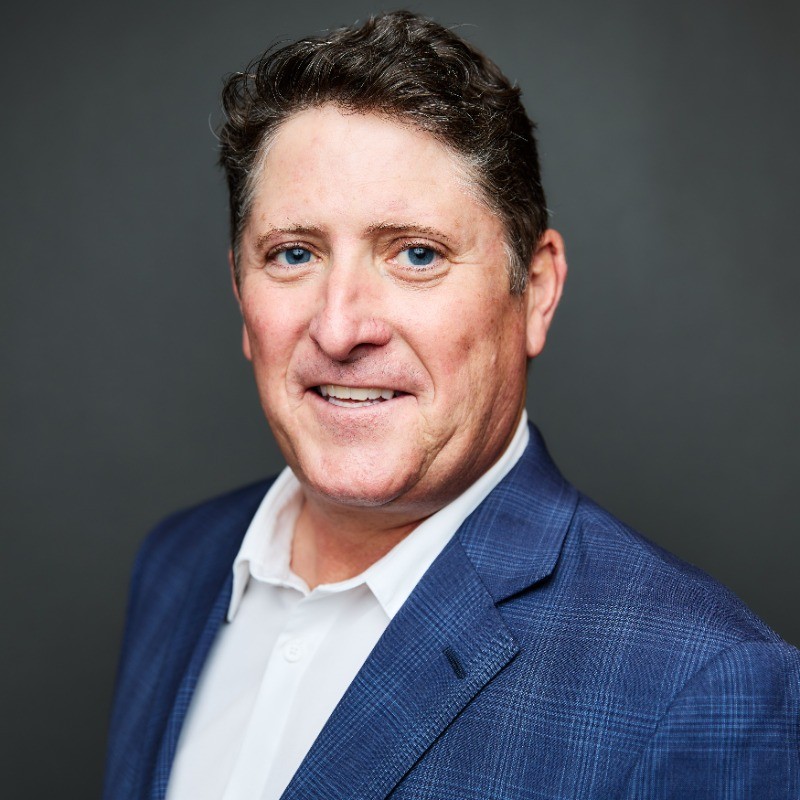
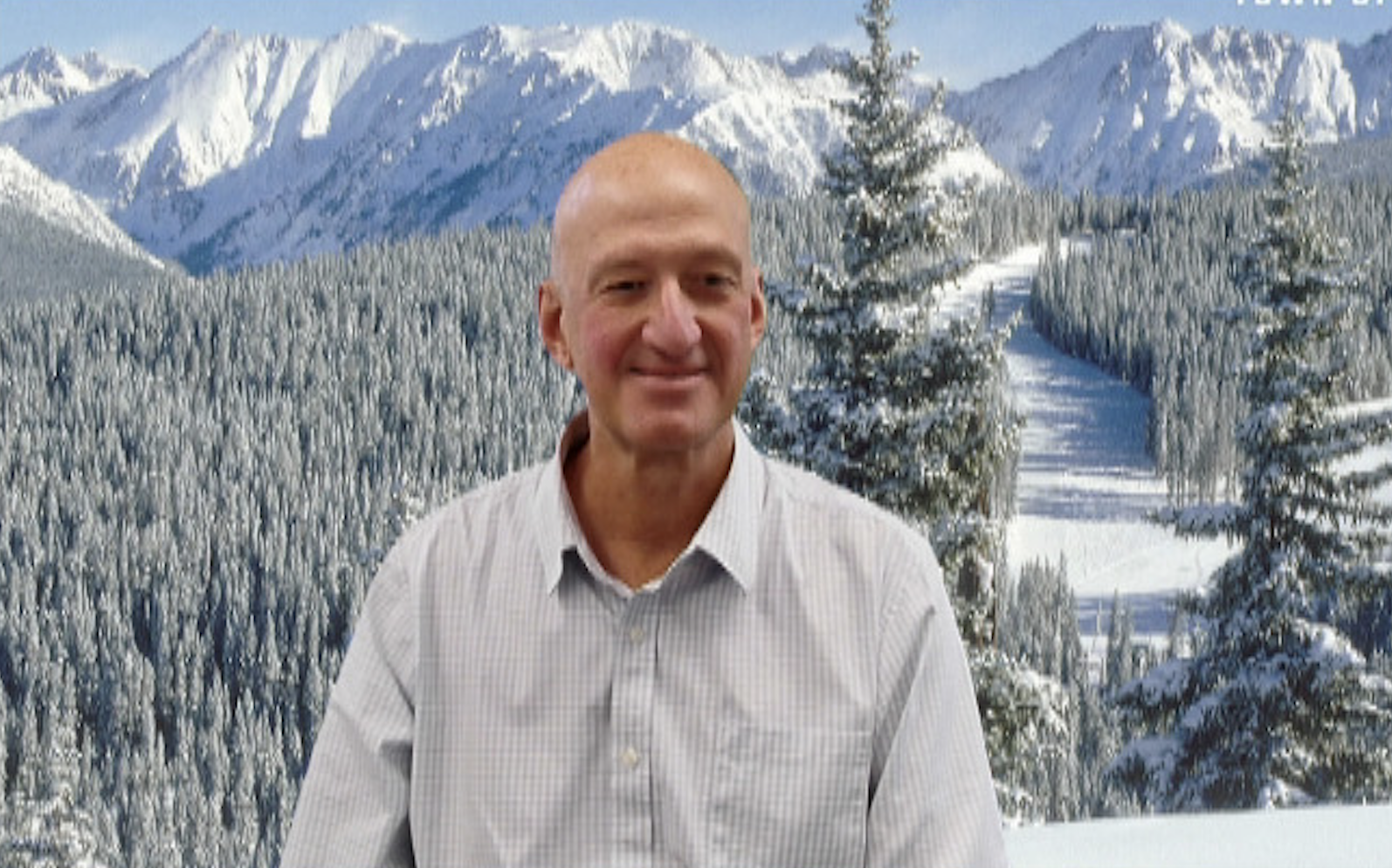
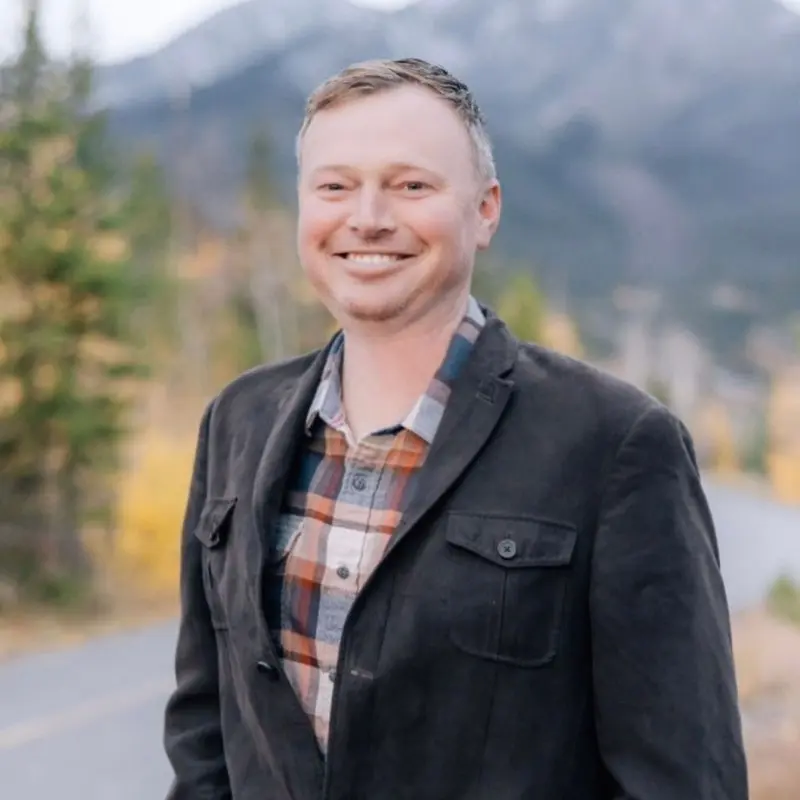
In this HPE “Unleash AI Momentum” panel, theCUBE’s Rob Strechay sits down with Robin Braun (vice president of AI business development at HPE), Jack Hogan (vice president of, advanced growth technologies at SHI International Corp.), Luke Norris (co-founder & chief executive officer of Kamiwaza) and Russell Forrest (town manager at the Town of Vail, Colorado) to unpack how agentic AI is moving smart cities from pilots to production. The discussion spotlights HPE’s Agentic Smart City Solution – anchored by HPE Private Cloud AI (developed with NVIDIA) and an agentic backbone from Kamiwaza – that breaks down data silos across municipal operations. The panel details how multimodal capabilities (vision/IoT analytics, geospatial modeling from Blackshark.ai, video restoration from ProHawk AI and video analysis via Vaidio) are orchestrated into workflows, with SHI integrating point solutions and its Digital AI Civic Ambassador into a single interface. They also address security and sovereignty by keeping data behind the firewall and lifecycle-managing AI workloads on a flexible, GPU-powered platform (including RTX 6000 PRO), enabling cities to scale up and out as needs change.
Real-world outcomes take center stage: Vail’s housing agent digitizes and interprets more than 1,000 deed restrictions, from handwritten notes to legacy Laserfiche files, speeding answers for residents and freeing nearly a full FTE for higher-value work. Additional use cases include automated 508 compliance remediation for accessible web content, fire detection using existing cameras and back-office automation to accelerate invoice and receipt processing. Norris explains why seasonal swings (from ~3,200 residents in the off-season to 25–30,000 visitors) demand elastic municipal services (including what he calls the largest free bus system in the country). Hogan outlines SHI’s Imagine → Experiment → Adopt framework that took Vail from 20 candidate use cases to four priorities, prototyped in SHI’s AI & Cyber Lab, with results delivered in weeks. The group emphasizes modularity and partner innovation as keys to repeatability – from small towns to the largest metroplexes – showing how hybrid cloud strategies accelerate scaling and keep the focus on citizen experience.
Forgot Password
Almost there!
We just sent you a verification email. Please verify your account to gain access to
HPE Unleash AI Momentum Series. If you don’t think you received an email check your
spam folder.
In order to sign in, enter the email address you used to registered for the event. Once completed, you will receive an email with a verification link. Open the link to automatically sign into the site.
Register for Unleash AI 2025 Momentum Series
Please fill out the information below. You will receive an email with a verification link confirming your registration. Click the link to automatically sign into the site.
You’re almost there!
We just sent you a verification email. Please click the verification button in the email. Once your email address is verified, you will have full access to all event content for Unleash AI 2025 Momentum Series.
I want my badge and interests to be visible to all attendees.
Checking this box will display your presense on the attendees list, view your profile and allow other attendees to contact you via 1-1 chat. Read the Privacy Policy. At any time, you can choose to disable this preference.
Select your Interests!
add
Upload your photo
Uploading..
OR
Connect via Twitter
Connect via Linkedin
EDIT PASSWORD
Share
Forgot Password
Almost there!
We just sent you a verification email. Please verify your account to gain access to
HPE Unleash AI Momentum Series. If you don’t think you received an email check your
spam folder.
In order to sign in, enter the email address you used to registered for the event. Once completed, you will receive an email with a verification link. Open the link to automatically sign into the site.
Sign in to gain access to HPE Unleash AI Momentum Series
Please sign in with LinkedIn to continue to HPE Unleash AI Momentum Series. Signing in with LinkedIn ensures a professional environment.
Are you sure you want to remove access rights for this user?
Details
Manage Access
email address
Community Invitation
HPE Smart City Panel
Exploring the Potential of AI in Smart Cities: HPE's Innovative Approach
Robin Braun, vice president of AI business development at Hewlett Packard Enterprise, joins a distinguished panel to discuss the revolutionary HPE Agentic Smart City Solution. Part of the Unleash AI 2025 Momentum Series, this final episode features insights from Luke Norris of Kamiwaza, Jack Hogan of SHI, Russell Forrest, town manager of the Town of Vail, and Rob Strechay of theCUBE Research. Together, they explore the transformative power AI brings to civic infrastructures.
In this detailed discussion hosted by Strechay, luminaries delve into the intricacies of the Agentic Smart City Solution. Braun introduces Hewlett Packard Enterprise's vision for breaking down informational silos within municipalities to create efficient AI-enabled environments. Hogan explains SHI's critical role in the integration of these solutions, while Norris describes Kamiwaza’s contribution as the backbone to this innovative framework. Forrest shares the Town of Vail's experience as the first deployment site, highlighting practical benefits in city planning and citizen engagement.
Key takeaways include how Hewlett Packard Enterprise, Kamiwaza and SHI shape the future of urban management with AI. Braun discusses the potential of this technology to automate processes and enhance municipal services according to theCUBE’s analysts. The collaboration emphasizes the importance of flexibility, scalability and sustainability in AI solutions, enabling cities such as Vail to efficiently manage resources and innovate in unique environments.
In this HPE “Unleash AI Momentum” panel, theCUBE’s Rob Strechay sits down with Robin Braun (vice president of AI business development at HPE), Jack Hogan (vice president of, advanced growth technologies at SHI International Corp.), Luke Norris (co-founder & chief executive officer of Kamiwaza) and Russell Forrest (town manager at the Town of Vail, Colorado) to unpack how agentic AI is moving smart cities from pilots to production. The discussion spotlights HPE’s Agentic Smart City Solution – anchored by HPE Private Cloud AI (developed with NVIDIA) and an agen...Read more
exploreKeep Exploring
What is the vision behind the Agentic Smart City Solution?add
What is the significance of leveraging AI solutions in improving civic services for cities?add
What motivated Vail to engage in a partnership with Russell for this initiative?add
What are the key components and integrations involved in the Private Cloud AI developed by HPE and NVIDIA, and how do they contribute to improving outcomes in various applications?add
What impact does the implementation of office automation have on the experience of citizens?add
What is the approach being taken to support integrated solutions in public sector environments through technology partnerships?add
What impact does this proof point have on other municipalities considering a similar solution?add
What are the future plans for the HPE Agentic Smart City Solution?add
>> Hello and welcome to this Cube episode where today we're diving into one of the most interesting aspects of AI enablement, smart cities. We will explore HPE's Agentic Smart City Solution and Unleash AI innovation with partners SHI and Kamiwaza and customer, Town of Vail, Colorado. Let me welcome the panel in. First, we have Robin Braun, who's the VP of AI business development at HPE. Jack Hogan, who's the VP of Advanced Growth Technologies at SHI. Luke Norris, co-founder and CEO of Kamiwaza. And most importantly, Russell Forrest, who's the town manager of the Town of Vail. Welcome on board everybody.>> Happy to be here.>> Happy to be here.
Rob Strechay
>> I think this is really exciting whenever we can get customers and partners and the infrastructure all together to have these conversations. I get really excited. Robin, HPE is announcing the Agentic Smart City Solution. What's the core vision and how does it redefine a smart city and what it means today?>> Thanks, Rob. The vision behind the Agentic Smart City Solution that we're announcing is looking at how can we start to bring together multiple types of AI, but with an agentic backbone so that we can start to break down the silos of information that live and exist across the city and across the town or municipality, but also looking at not just typically we've thought about kind of vision or IoT devices as what has been defined as a smart city, but looking at how do we help people in an environment work more efficiently? What are processes that we can help automate? What are ways that we can help support someone like the Town of Vail in providing better service to their citizenry or more efficient experience for those who were in the Town of Vail? And so that's really where I got excited in bringing together this partnership kind of anchored with Kamiwaza, integrated with SHI, but also including ProHawk AI, Vaidio and Blackshark.ai, where we're bringing together different types of AI. Really looking at and writing that multimodal agentic wave to, the technology is not the important part though. What's important is in the end what someone like the Town of Vail can experience and what we can help them solve.
Rob Strechay
>> Yeah, let's dig in a little bit deeper on that and understand what's different about bringing agentic AI into the smart city solution versus what you were talking about there with IoT and video centric versions of smart cities of the past.>> And obviously we're still including vision, we're still including IoT. That certainly is important to understand what's happening at the edge and in real-time within a municipality so that you can react in real-time as well. That being said, that's not the only part of what a town has to deal with every day, and I think that was so important, particularly as we started working with Russ and the team on some of the challenges, the challenges were those everyday repeatable tasks and in how to help the town overall be more integrated and be more efficient in how they're able to manage the day-to-day program. And so in working with Luke and the team from Kamiwaza, being able to bring in that agentic backend to look at automation, but also to look at extending beyond what vision and IoT has been able to do to bring that insight into a workflow and to be able to enhance it with additional context and information so that it's more usable and more consumable to the end person. And then even being able to extend that out and working with SHI with the Digital Civic Ambassador, but still having that Kamiwaza kind of brain behind it to be able to bring forward that information. And so I think that that was one of the real changes, was to say agents aren't kind of a fad. What they're allowing us to do is to bring additional city workers to the Town of Vail in the form of Kamiwaza.
Rob Strechay
>> Yeah, I love that. And I think Jack, let's bring you into the party. SHI has been involved with HPE on this journey since day one. How do you see this partnership ecosystem accelerating rollout and helping cities move faster?
Jack Hogan
>> Well, first of all, it's important to have an ecosystem of really the most impactful application of different types of technology. And in this case, leveraging AI solutions to allow cities to make more meaningful improvements to their civic services. And having a solution integrator partner like SHI at the center of this is critical in helping identify the best point solutions and then helping tying them together to get those quick wins to prove out the value of this, that listen, cities are under a significant amount of challenges and pressure. They've got to meet government regulations while also providing more access to the services and the information to serve their citizens.
Rob Strechay
>> Yeah, no, I think that makes total sense as well. And again, turning to Russell as the first deployment customer, what drew Vail to this initiative?
Russell Forrest
>> Well, we're extremely excited to be part of this partnership and what drew us to this partnership and opportunity was really our vision. Our vision in Vail is to be the premier mountain resort community in the world, which is kind of audacious. And to do that, we have to embrace innovation and providing the very highest standard of customer service. So our aspiration for this opportunity and this partnership is to really become more efficient in providing high levels of customer service and incredible experiences. But to do that, we've got to be more efficient with our day-to-day functions. And a lot of our really smart, talented people spend a lot of time looking at records and doing very bureaucratic things that take a lot of time and that are tedious. So if we can have AI free them up so that they can spend more time doing higher level projects and higher level thinking and provide more time for that personal touch for our customers and our guests and our residents, then that's a success for the Town of Vail.
Rob Strechay
>> I love that. I mean, again, customer focused and your customers the town. Let's go back to Robin here for a second. You mentioned breaking down silos across the city. What does that look like technically and operationally?>> Well, I think it is starting with a trusted infrastructure that makes it easy with something like the Private Cloud AI that HPE developed jointly with NVIDIA, but then being able to layer on top of that agentic backend like a Kamiwaza and then truly integrating not just having platforms next to each other, but having applications integrated and talking back and forth like Vaidio with Vision AI, like Blackshark with geospatial, like having ProHawk with being able to restore the video in real-time so that Vaidio can make better analytics, which can then feed better outcomes with Kamiwaza. So when you think about that entire stack, it gets really interesting, maybe a little complex some days, but it also gets interesting. But I think the focus on bringing those different parts together was, again, enlisting to Russ and enlisting to the town. What are the ways, whether it's from working with them on one of our first use cases, which was around 508 compliance and making information more accessible on the web for folks who have disabilities, being able to consume it better to being able to enhance the fire detection, which is obviously something that is of high interest when you live in a mountain town that doesn't have high humidity. So I think it was looking at and really listening to say, where are all of the areas that we can start to apply technology to help to exactly Russ's point of freeing up the really smart people to do really great things for the citizenry and for the visitors where we can help apply technology to free up some of their time.
Rob Strechay
>> Yeah, I think that makes a lot of sense. Luke, let's bring you into the party here. The Kamiwaza platform plays that agentic backbone role for the solution. How does it connect legacy systems, decades of data with new AI-driven experiences?
Rob Strechay
>> So I think that's at the core of an outcome. The way we think about it, and we want to be an orchestration layer, so we want to connect to all of the various systems that the Town of Vail or any large organization has. These comes in the form of API integration, comes in the form of just being able to directly access the backend of that storage. And in some cases we even have to have a computer use agent act like a human and literally navigate through legacy web interfaces. But once we've done all that and once we've actually worked with HPE and the other AI and leash partners to get the other data feeds in from say the video cameras, all of that now can be orchestrated at the agent level. So now you can actually have agents making decision basis off of it. They understand visual models, they understand language models, they understand the actions that need to happen and we can really start to do high-level outcomes for the Town of Vail and very large organizations that even a year or two years ago was just unfathomable and it's extremely exciting and fun to be a part of.
Rob Strechay
>> Yeah, I can imagine. I mean, so Russell, let's bring you back in here. Can you share with us how the housing use case came to life in Vail?
Russell Forrest
>> Sure. Affordable housing is probably our most significant challenge in Vail and also any other mountain town with just the cost of housing that has rapidly escalated over the last 10 or so years. And one of the things we use to manage both for sale and rental housing for our employees is something called a deed restriction, which is this legal document that talks about what you can and can't do with deed restricted properties. And we have over 1,000 of them in the Town of Vail. Some of them are handwritten, some of them are from Laserfiche that you can barely understand and read. And what we have to do is review these documents to be able to tell an individual what they can and can't do with the property, how they can rent it or sell it. So this was incredibly laborious to review and understand these documents and then communicate it to customers that needed to rent or sell homes in the Town of Vail. So this technology, and again, it was just a phenomenal learning experience for us, was able to scan these handwritten notes and barely legible legal documents and turn that into a meaningful database so we could rapidly communicate to somebody that wanted to sell or wanted to rent an affordable housing unit and give them quality quick information they needed. And it also gives us the ability to, we have to enforce and ensure that these deed restrictions are being complied to at the end of the day. So this is going to be an incredible tool to enhance our ability to enforce these deed restrictions. And what I'm really excited about is it's probably nearly a full FTE in savings and I can apply that FTE now to spend more time with individuals, work with people that are maybe buying their first home and give them a much higher level of service.
Rob Strechay
>> I love that. I think anything you can do to lower or make buying houses easier these days, I think that's not a problem that the Town of Vail only has to put it mildly. But sticking with you Russell, how does bringing back office automation change the citizen experience?
Russell Forrest
>> Well, one, again, I would just acknowledge we're only beginning to learn now the capabilities of this type of technology. And so we're so excited now as we have engaged this team what those opportunities can be and where I really find the high leverage opportunities are with, again, the housing agent is a great example, but in talking about this, we just had so much fun beginning to ask what-if questions, could we apply the same technology? We look at thousands of receipts for things that we buy or bills that are submitted to the Town of Vail and we're seeing the opportunity for AI to be able to rapidly review, make recommendations of whether things should be paid, how they should be processed, and again, saving time so our people can deal with higher level actions and projects and most importantly provide additional time to work with and respond to questions from our residents and our guests.
Rob Strechay
>> That to me is definitely the key to put it mildly. So Robin, let's come back to HPE here for a second. Can you walk us through the infrastructure stack and how are HPE and NVIDIA enabling cities to scale up and scale out as needs change?>> I think the focus that we bring is on how do we make it as easy button as possible to be able to support the integrated solution that we're talking about in a public sector or in a municipality environment. And that's where we're leaning in with Private Cloud AI jointly developed with NVIDIA so that we have not only an integrated AI kind of stack that you can build upon and build this out on, but also that it then becomes easier to lifecycle manage it and to be able to manage it over time. Because the goal that we have with our partnership with Vail and as we look out to continue to build out the solution is exactly what Russ was talking about, which is that next what-if, what is the next thing we can make more efficient and that it's a continued, what we're talking about today in our initial use cases are the beginning that it's not the end of a journey and that the whole goal is to continue to work together and to partner to build out these use cases and to continue to enhance the solution. So being able to have that type of flexible platform, leveraging the RTX 6000 PRO, GPUs because they can be used in all different ways and so that it's very flexible platform for being able to support the different types of AI that we're going to do to support Vail. Even something like 508 uses multiple models to be able to review a website and to help bring things into compliance so that what appears simple on the frontend on the backend can actually get pretty complex and we want to make sure that we have a platform that can really support anything that we can do to support the town in achieving their efficiency and operational goals.
Rob Strechay
>> Sticking with you, there's also the whole idea of municipalities needing help with security and sovereignty. How does this solution help there as well?>> Well, that's a great question because one of the real focuses that we had in working with Vail is that they don't need to move their data that something like Private Cloud AI, it can be installed fully within their data center, which as a huge shout-out is run on completely sustainable energy sources. So shout-out to Vail for that, but being able to have that completely within their control and their domain behind their firewall and being able to integrate in a really intelligent way with Kamiwaza across their different data silos that they have in their different kind of pockets of data that they need to be able to support these really different use cases that go across the town, so that we can be right there co-located with the data. You're not worried about all of that token cost can happen in the cloud, but that we can continue to iterate and innovate together within their own environment.
Rob Strechay
>> Yeah, that's key. And I think definitely shout-out to Vail for being sustainable on the power for their data center. I love that too. I mean that's great, but I think like you said, being able to scale up and scale out in the same infrastructure so Russ can go after those receipts and things like that is definitely a key. But Jack, let's come back to you and understand what the significance of the scaling is in that same solution for a town like Vail but also to a metroplex.
Jack Hogan
>> Well, listen, first of all, cities really have the same core issues. They've got to deal with safety, they've got to deal with security, they've got to deal with municipal services, they've got to deal with revenue and city commerce services, whether you're a small town or a large metroplex, it's the same challenge. And in the case of the Town of Vail, that's a town that scales up dramatically depending on the season and the type of events that are going on. And so we recognize that it's important to have a proof point like this that shows that even a small town that has that scaling flexibility, that applies to some of the largest cities in the U.S. And it's important that having the right platform, both an AI-ready infrastructure platform layer as well as an agentic AI backbone platform with software and applications that can be plugged into that, allows for cities with dynamic populations or even large populations to manage things with even less resources as you scale up in the application of how technologies is taking the function of where key individuals had to spend time. So it's freeing up resources for small towns, it's freeing up resources in even larger ways to larger metroplexes in larger cities. So it's important to realize that having that flexibility, it's not dictated or mandated by size because they're all the same challenges you're trying to deal with.
Rob Strechay
>> Totally. But let's also keep on this theme because, Luke can bring you back into the party here. Kamiwaza sits above the infrastructure layer. Can you unpack what that means for flexibility and speed of innovation for customers?
Rob Strechay
>> I think it's a key of two things. First, we can only focus on so much, so we have to pick solid vendors that we actually launch orchestration platform on top of, and that's where the partnership with HPE, especially the PCIA from HPE really opened the door that we had a solid foundation to launch our orchestration engine from. Second, we want it to be unencumbered by that. We wanted a partner that could scale from the first use case all the way up to hundreds if not thousands of agents and use cases. And because of that we need to focus on just what that means at the orchestration level and we need to focus on integrating all of those different data sets, all of the different data feeds that also come in from say video cameras, et cetera. And we wanted to just make sure that we can add the agentic capabilities that are there and the underlying hardware is going to take care of itself and the partnership with NVIDIA and HPE knocked that out for us.
Rob Strechay
>> And let's stay with Kamiwaza here for a second, Luke, and kind of understand, because data is the heartbeat of AI, how do you integrate with existing systems of record without forcing that data migration?
Rob Strechay
>> It's come up a couple of times, but I just want to hit some of the key highlights on this. First, we have a multi-agent approach that literally allows us to look at things like that microfiche use case of handwritten documents from the '70s and '80s and actually turn that as an agent is actually looking into it and the form data that then actions can be sort of drawn from. And that's just one use case of one agent. We take an approach of tens if not hundreds of different agents that are micro-focused on those particular jobs, allowing us to connect to literally any data set and literally any data format and file all the way down to hand-scratch notes and actually make that move in and out of various systems. On top of that, we present out an API and SDK and what's also known as MCP, model context protocol, so any legacy systems can interact with us and we can also interact with those legacy systems. When you put all that together, you orchestrate it and you have a solid foundation underneath us from HPE. We're literally off to the races and what we can do and it's just I think the zero to one use case is now in days and weeks, not months and years, and that's one of the great things we're able to do at Vail. I think we blew Russ and his team away. We're talking in the course of weeks and a month. They had these outcomes already that were transformational in what they could do.
Rob Strechay
>> Yeah, I love that. I think, again, like I said, it's the agentic backbone of the solution. You can take that and use that for your market-
Rob Strechay
>> I think I've got to have to-
Rob Strechay
>> So Robin near and dear to both our hearts is the 508 compliance thing. My brother and mother being blind and having to use town services, I can tell you that 508 compliance is a big thing for me and definitely for them it's a use case that is built into this solution or one of the use cases in this solution. How are you seeing this enabling accessibility and data governance for these customers as well?>> It was actually where we started in our journey with Vail as one of their key challenges in how to transform their website and also that ongoing maintenance of it because yes, you can have it conform once, but then somebody's going to put something else up there and there you go. Yes, it is a federal regulation that if you receive federal funding, you need to have your dissemination of information be accessible for people with disabilities. I look it though as it's just the right thing to do to ensure that citizen services and information that citizens needs is actually accessible to everybody regardless of the challenges that you may have. And so being able to work with Kamiwaza to create an agentic approach to this, which is something that being able to solve it with technology hasn't happened before. Previously it's been web designers and developers and taking it down that really truly manual path that's taken months and a long time to manage and being able to go in and start to do that type of transition and remediation all automated with agents incredibly quickly and in a matter of hours and days. Being able to approach that rather than having to go through and do it manually, but then that process can continue to run over time to keep it actually in compliance and to keep it accessible for all citizenry. And I think that to me is the real power of the type of multi-agent and agentic approach that Luke was talking about is being able to bring a completely different approach, like Russ was talking about with the housing, like Luke is talking about with the 508 compliance, that this is allowing us to bring a completely different technological approach to be able to free up time and bandwidth in order to support the town.
Rob Strechay
>> That's great. And I think, Jack, let's keep going down this and get SHI's perspective on how important is flexibility and modularity when orchestrating across multiple partners?
Jack Hogan
>> Well, first of all Rob, it is paramount having a system that starts with an AI ready infrastructure platform like HPE's Private Cloud for AI and Kamiwaza's agentic AI backbone platform that provides the flexibility to tap into other specific point solutions like the REF 508 compliance solution like the ProHawk AI video restoration and Vaidio video analysis solution, 3D modeling from Blackshark along with SHI's own Digital AI Civic Ambassador into one singular interface. It's really the value of the platform, that singular interface that allows for keeping current and allowing for future scaling. It's just really the starting point. Now, Luke mentioned the hundreds of agents and use cases and other solutions. That's where this becomes really the basis by which to continue to scale out and that modularity is critical to ensure that you're not building a bunch of siloed point solutions, which really prevents against the rapid advancement of technology and creates tech debt by having this modular ability to tie together to the platform. It's really an important way to allow towns like Vail to start with the critical use cases and expand into those that are really other bigger challenges. They're starting off in a great way by having that modular approach.
Rob Strechay
>> Yeah, I totally agree. And you guys actually for this entire engagement really played that central orchestration role. Can you kind of describe the Imagine, Experiment and Adopt framework and how it helped move from idea to implementation quickly?
Jack Hogan
>> Yeah, so at SHI we've adopted this kind of three pillar approach, starting with imagination. That's really where you have to learn what the art of the possible is. You've heard Russell talk about some of the ideas that we brought to them during this imagination phase. We provided briefings and orientation of the type of solutions that were out there, and then we used that as a way to springboard into a multi-day workshop where we teased out the top use cases that were going to be the most impactful for the Town of Vail. So we ultimately, out of that exercise came up with the top 20 and we picked the four that were the most important to all those different city services that were part of that meeting. And we focused on those to really allow for that next phase, which is the experimentation to validate and prove and prototype this. We prototyped out the five away compliance, the ARIA solution and SHI's AI & Cyber Lab to validate that we were going to be able to create the necessary remediation to meet the 508 compliance. We did that before we moved into the final phase of adoption, which is now where we're at, which is taking these use cases, putting them into place, operating them, and allowing the Town of Vail to be able to use those on a daily basis with confidence knowing that the ROI is there. So that framework of Imagine, Experiment and Adopt really is important to follow those steps to ensure that readiness, the use case identification, the validation of prototyping before the implementation. And then of course, the adoption phase is really critical.
Rob Strechay
>> So I'm going to bring Russell in here because he's really at the center of, I would say the rubber hitting the road or the ski wax hitting the snow. What's the process been like from the town's perspective and how did it shape your priorities and accelerate your path to results?
Russell Forrest
>> Well, probably two words, mind-blowing would come into the top of my thinking there, and it really has been, it started first with getting to know Luke, who just lives over -
Rob Strechay
>> mountain.
Russell Forrest
>> I can't say that other resort over there, but first it started with Luke and just really opening our minds up to the opportunities with AI. And first we had to understand even how to talk about the language and you talked about imagination, Jack. So it was very iterative initially with us both learning what the capabilities of AI and Luke quickly brought in this team that culminated in a multi-day workshop where, I mean, my team afterwards just said it was incredibly, it was exciting, energetic, and what they learned not just about AI, but how we could potentially think about efficiency in an entirely new way. So just that two-day workshop was really magical for us. And again, that occurred in August and we began asking lots of what-if questions. We came up with four application or use cases, and from those four we immediately began talking to this group about, what's next? But where we stand right now is we've developed four use cases, and in fact our fire department is in the next room talking about how we can use existing cameras we have and apply AI technology so we can not only just monitor what's going on and what we're seeing through these cameras, but they can actually detect wildland fires or fires within our community, be able to determine whether it's a significant risk and also potentially recommend a response. And then from there we're asking questions about we need to understand how do we manage our community for wildland fires and can we use that same technology to talk about building materials, roof materials, landscaping, and those are things we have to send teams out on an annual basis to evaluate buildings and landscaping for wildland fire risk. And now we're seeing within a matter of months we potentially can do that with AI and save, again, improve efficiency, use our people in a more intelligent way in this example, potentially react to fires much more quickly. And again, wildland fire in mountain communities, it's now just a matter of life. It's something we deal with and we have to be able to rapidly respond to wildland fires quickly to keep them from becoming catastrophic. So again, you hopefully hear my excitement and that would be shared by our entire team with really learning about the capabilities of AI and working with this incredible team to come up with applications that are meaningful that will be impactful to both our residents and guests here in the Town of Vail.
Rob Strechay
>> Yeah, I can imagine that. I mean, life and safety is definitely one of the, people get excited about that because making it easier and more effective is always good, especially, Russ, you got Vail, the Town of Vail has a unique seasonal population shift as well. Why is this flexibility so critical to you?
Russell Forrest
>> Yeah, we're a very dynamic community. I like to say we're a small, beautiful mountain town, but we have big city issues. We have very sophisticated individuals and very demanding customers that come from around the world to enjoy incredible experiences here in Vail. And we're in the off season now and probably have 3,200 people in our community as we speak, in a couple of months we'll have 25 to 30,000 people in our community. We have parking structures just like any other community, but we have some of the most sophisticated complex parking structures. We have the largest free bus system in the country, so we have components and services that other communities have. But because we are our Vail, Colorado, we have very complex systems. And that's where I see AI really helping us better manage these complex systems and connect data sets in multiple areas where until this conversation we had data in different silos and now we can use data and information much more efficiently.
Rob Strechay
>> That totally makes sense. I mean, again, I think it's great validation and in fact, Robin, from HPE's side, how does this early success validate the solution you've built?>> Well, it's been so much fun working with Russ and his team and so exciting to be able to work with the Unleash AI, ISVs and then with Kamiwaza really as the backbone of the solution to be able to rapidly get here. Like Russ was saying, we started that deep dive workshop in August, and here we are and we have those first use cases really at the ready. And so that's incredibly exciting as the start. But I think what gets me most excited is what Russ was talking about with they're already talking about what's next and continuing to grow out and expand this as well as that we're hearing working with SHI, working with Luke and the team and the other partners from the smart city solution that they're talking to other people who are also now interested in this Agentic Smart City Solution and really intrigued by the approach that we've taken and how they can start to look to leverage that as well. So I think that to me is the really exciting part of it isn't just what we've done today, but sparking that thinking for tomorrow as well.
Rob Strechay
>> Totally agree. And Jack, how does this proof point help inform what's next for other municipalities that are looking to adopt this type of solution?
Jack Hogan
>> Well, first of all, I want to thank Russ for his enthusiasm and excitement and engagement through this process because with this, we've been able to create what is really a repeatable solution with HPE's, Private Cloud AI, with Kamiwaza and their Agentic backbone and all the Unleash AI partners in HPE's Unleash AI ecosystem, we now have a repeatable system solution that we can bring across to small towns like Vail that have dynamism in them to some of the largest cities in the U.S. So for us, this is an important statement that you can go from idea to execution in a matter of a couple of months, and you can do that at any scale by having an ecosystem of partners like HPE and Kamiwaza and the rest of the Unleash AI ecosystem.
Rob Strechay
>> And with that, Robin bring you back in. What's next for the HPE Agentic Smart City Solution?>> Well, first off, we're going to continue working with Vail to continue to iterate and lean into what's next. But we're also opening that aperture and expanding the conversation now to additional municipalities and towns and cities to continue to expand the conversation, knowing there's going to be a great deal of similarity, but also a great deal of differences as well, and continue to expand out that solution, being able to easily, like Luke was talking about, bring in additional use cases, bring in additional point solutions to integrate with that agentic backend and continue to build out that true smart city breaking down the silos' solution that we're aiming for.
Rob Strechay
>> And Jack, last word here, where should people go to learn more about the solution?
Jack Hogan
>> Well, like everything with SHI, we try and make things super simple. Shi.com/AI or a simple email to ai@shi.com, you'll get a response from us and we'll be able to help walk you through how we can help bring the next-generation of AI solutions to solve your smart city challenges.
Rob Strechay
>> Love it. I love simplicity that that is key. So hey, I want to thank you all for coming on board. I know this has been just a topic that is really just a burgeoning topic. Helping communities is really a big thing, and I think AI is really poised to help in this type of solution, really drive just better engagement and civic engagement and help people be more involved in their government. So I really appreciate it and thank you for coming on board today.>> Thank you.
Jack Hogan
>> Thank you.>> Thank you.
Rob Strechay
>> And thank you all for watching this episode of HPE Agentic Smart City Solution in Unleashed AI, sorry, innovation on theCUBE, the leader in analysis and news.