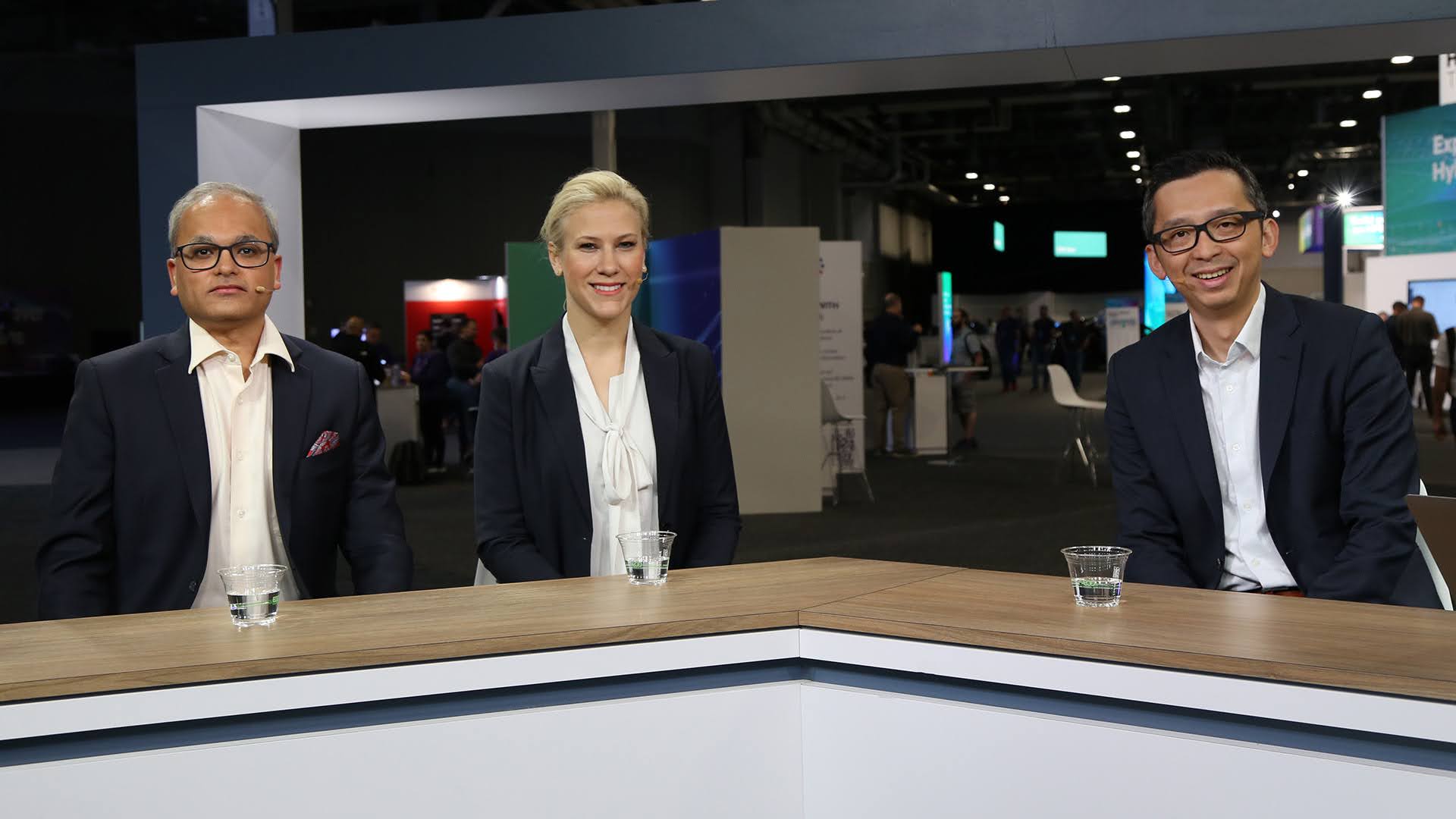
How did Ericsson reimagine itself as a fintech and sustainability leader? Ericsson Connected Recycling launches to help organizations transform the world’s waste into a circular flow that can be tracked, traced, analyzed and monetized. Learn how an aaS hybrid approach to IT can enable the connections that make the unimaginable possible.
Forgot Password
Almost there!
We just sent you a verification email. Please verify your account to gain access to
HPE Discover 2024. If you don’t think you received an email check your
spam folder.
In order to sign in, enter the email address you used to registered for the event. Once completed, you will receive an email with a verification link. Open this link to automatically sign into the site.
Register For HPE Discover 2024
Please fill out the information below. You will recieve an email with a verification link confirming your registration. Click the link to automatically sign into the site.
You’re almost there!
We just sent you a verification email. Please click the verification button in the email. Once your email address is verified, you will have full access to all event content for HPE Discover 2024.
I want my badge and interests to be visible to all attendees.
Checking this box will display your presense on the attendees list, view your profile and allow other attendees to contact you via 1-1 chat. Read the Privacy Policy. At any time, you can choose to disable this preference.
Select your Interests!
add
Upload your photo
Uploading..
OR
Connect via Twitter
Connect via Linkedin
EDIT PASSWORD
Share
Forgot Password
Almost there!
We just sent you a verification email. Please verify your account to gain access to
HPE Discover 2024. If you don’t think you received an email check your
spam folder.
In order to sign in, enter the email address you used to registered for the event. Once completed, you will receive an email with a verification link. Open this link to automatically sign into the site.
Sign in to gain access to HPE Discover 2024
Please sign in with LinkedIn to continue to HPE Discover 2024. Signing in with LinkedIn ensures a professional environment.
Are you sure you want to remove access rights for this user?
Details
Manage Access
email address
Community Invitation
The Future of Sustainability and Fintech is Hybrid
How did Ericsson reimagine itself as a fintech and sustainability leader? Ericsson Connected Recycling launches to help organizations transform the world’s waste into a circular flow that can be tracked, traced, analyzed and monetized. Learn how an aaS hybrid approach to IT can enable the connections that make the unimaginable possible.
The Future of Sustainability and Fintech is Hybrid
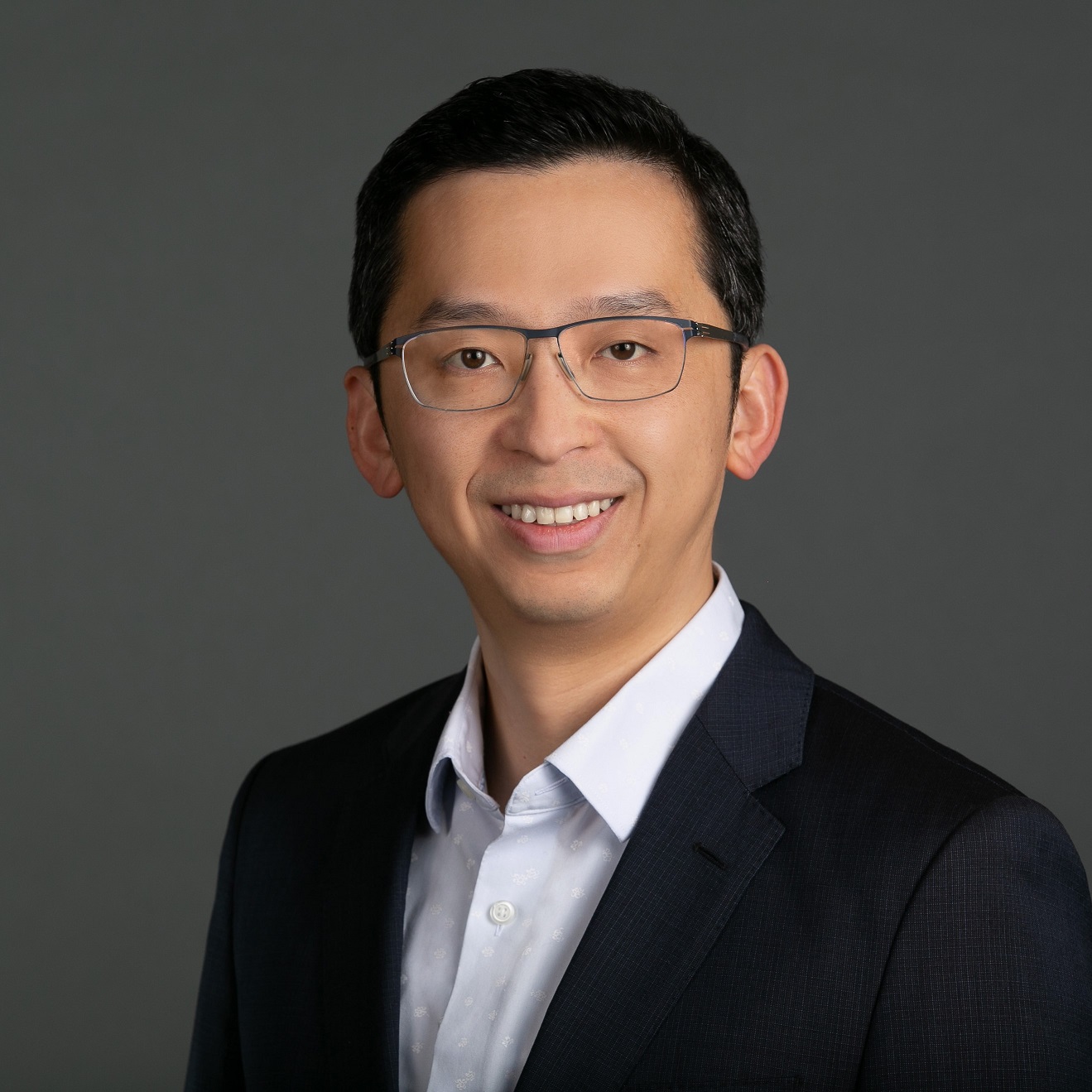
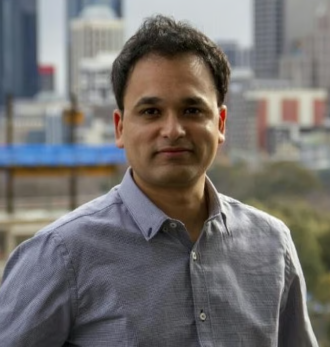
Hang Tan
Chief Operating Officer, Hybrid CloudHPE
Pavan Bachwal
Head of Ericsson Wallet PlatformEricsson
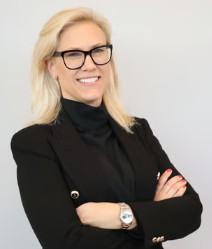
Sophia Fahlen
Head of Connected RecyclingEricsson
search
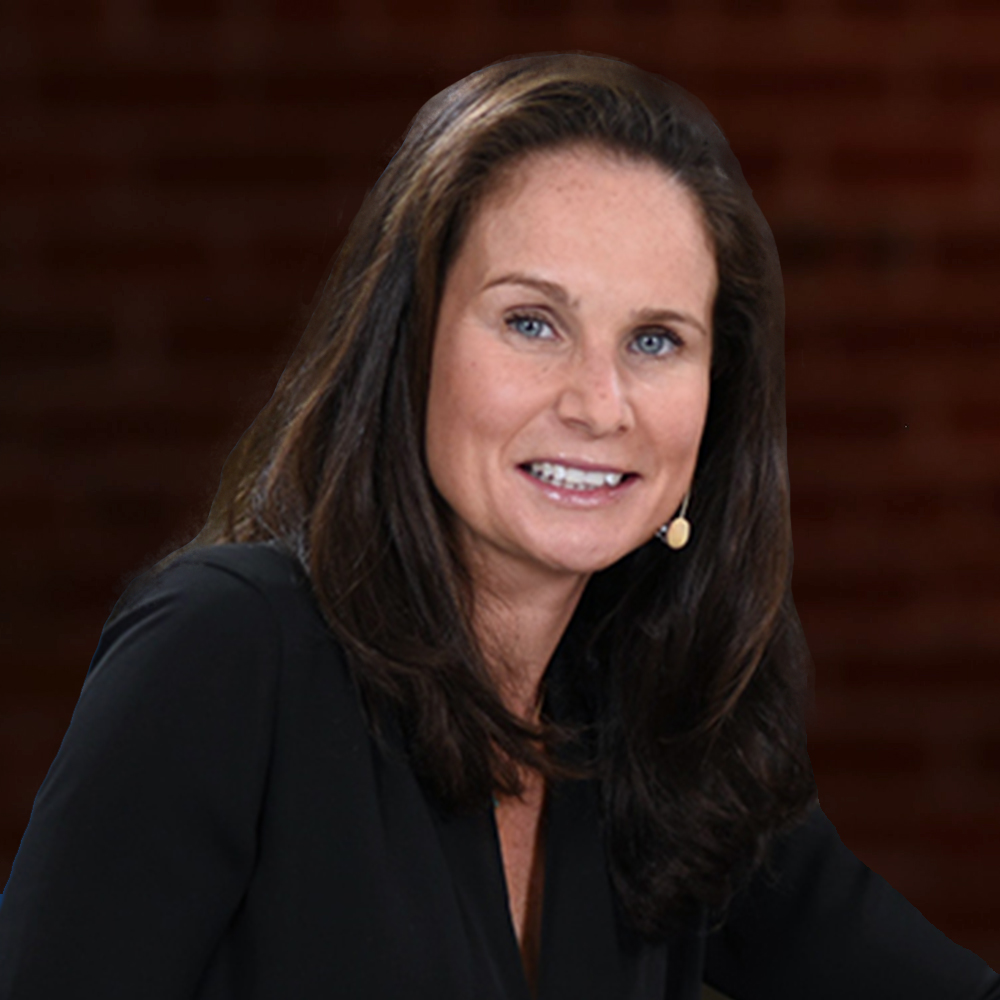
Rebecca Knight
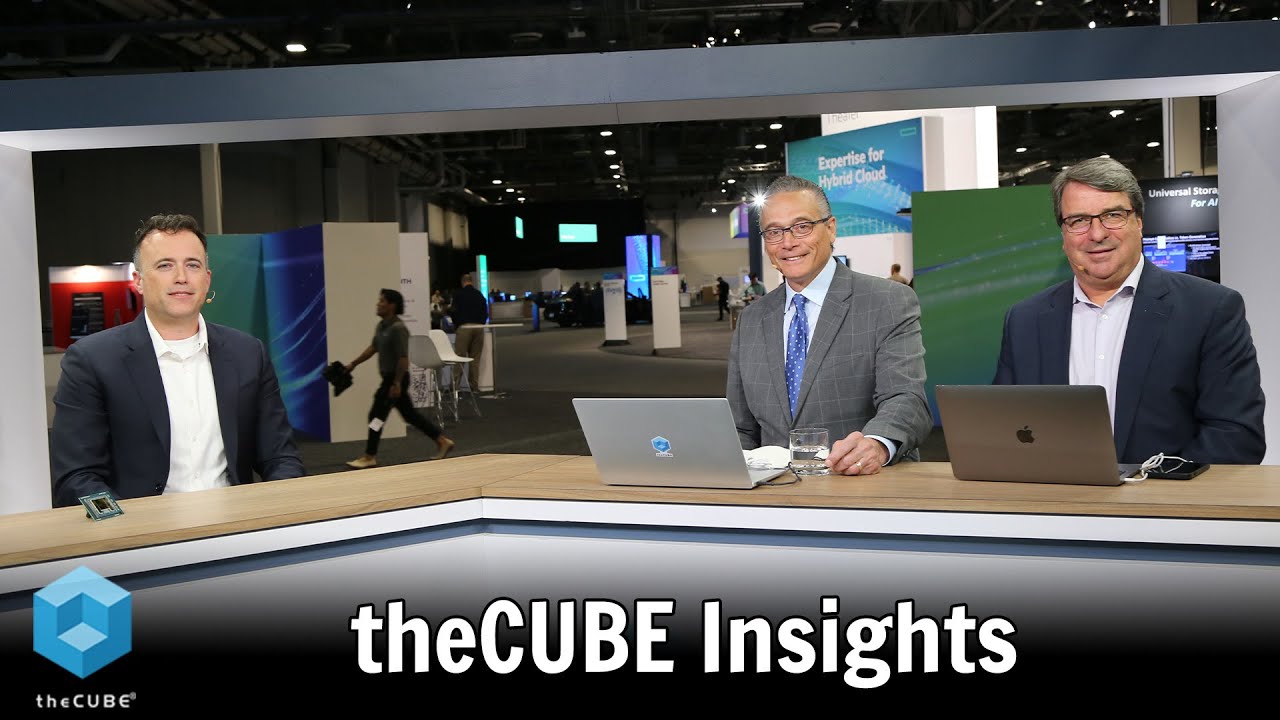
>> Good morning everyone and welcome to day three of theCUBE's live coverage of HPE Discover. We are kicking off day three of our three days of wall-to-wall coverage. I'm your host Rebecca Knight. Kicking off this morning, we've got three guests this morning. We've got Hong Tan. He's the COO of Hybrid Cloud HPE. Welcome CUBE alum many times we've met.>> Yeah. Thank you for having me Rebecca.
Rebecca Knight
>> Last time we met him in Barcelona. Also, Sophia Fahlen. She's the head of Connected Recycling at Ericsson. Welcome Sophia.
Pavan Bachwal
>> Thank you.
Rebecca Knight
>> And Pavan Bachwal, Head of Ericsson Wallet Platforms at Ericsson. Thank you so much. So I want to start with Hong. Why don't you start to tell us a little bit more about the work you're doing with Ericsson from a hybrid cloud perspective?>> Yeah, and obviously Ericsson has been a long-term partner of ours and they're a leader in networking and telecommunications. So we've been supporting them for many years on that front. But we've also had the privilege of helping them expand into other growth markets. And in this case, in the area of financial services as well as connected recycling. And both cases, it's very much aligned to our vision of the world, which is that the world is hybrid, that is edge-centric. And so we are working with Ericsson on leveraging our portfolio of capabilities across the hybrid cloud stack to enable them to deliver services in a highly available, highly scalable manner that is very flexible, that is as a service-based. And we're very excited to both provide the infrastructure and the software, but also help advance the cause of financial inclusion and sustainability.
Rebecca Knight
>> Oh, two really hot topics here at this conference this week. Pavan, I want to bring you in here. Ericsson is obviously one of the biggest names in networking. How did it get into the digital wallet space, and why did you choose HPE as your technology partner here?
Pavan Bachwal
>> So over a decade back, we tried to see what we could do for our customers in Middle East and Africa with respect to their offering for financial services, with financial inclusion in the mind. That led to us creating our software, which is Ericsson Wallet Platform that is today deployed across many markets in Middle East and Africa. Through our journey, we realized that regulation and data and security are key principles to have a successful financial services deployment. And it is there we industrialize a solution with HPE, from the switches to the stack, to the storages, to the rack, and that has what has led us to them monumental growth, but also create a trust-based setup where our customers could then leverage our technology and create a massive ecosystem for themselves.
Rebecca Knight
>> So thinking about what you just said, with trust in mind, financial inclusion in mind, what are some of the biggest use cases and most successful use cases that you've seen?
Pavan Bachwal
>> Absolutely. So when we started off transfers and payments were the key drivers to grow the financial traffic. But as we took the evolutions, we saw use cases such as remittance, use cases such as merchant onboarding and payments to today evolving to more advanced financial services use cases, be it overdrafts, be it lending, be it e-insurances. And that has been a journey that we have seen over the decade that many of our customers have adopted to and it does not stop here. It's going on to more advanced financial services as more growth happens in our solutions.
Rebecca Knight
>> Excellent, excellent. So Sophia, I want to turn to you. Tell us more about Ericsson connected platform. I know it was introduced here at HPE Discover along with a dizzying array of other announcements, but why should everyone be so excited about this new innovation?
Sophia Fahlen
>> Because we are going off the world without waste. A world where we see waste as raw materials and raw materials need to be recycled and traded. And that's what we offer. Full traceability from waste material to new product, as well as a trading platform that allow that raw material to be responsibly transacted.
Rebecca Knight
>> So tell us more about the connected recycling and how it works.
Sophia Fahlen
>> So essentially it is a source platform which makes it very available. I mean, we can start up a new customer here today. It's that quick. Then essentially we do two things. The very starting point is to help a customer say a big hotel chain, a big retailer or even a hospital to understand how they can start segregation of the waste materials so that you actually treat them as materials from source and then we connect them through our platform into buyers of that material. It needs to of course be consolidated. You need to optimize it for logistics so you don't burn all your raw material revenue on logistics costs, but then you connect those to buying recyclers. But we don't stop there. Those same producers of waste, they should also buy back recycled raw materials to ensure we have a sustainable financial value chain. So then we help them in their procurement organizations to also start sourcing back recycled content. So then you have a pool effect from recyclers, more buyers of recycled content, and you have more suppliers are recycled feedstock. So then you have circularity.
Rebecca Knight
>> So tell us about some early business outcomes.
Sophia Fahlen
>> So when it comes to, for example, a very big hotel chain that we are now supporting, we talk about reducing more than a million dollars annually in waste management cost and turn that into two to $3 million in raw material revenue. And it's the right thing to do. Thereby we also have carbon emission calculations so we can certify that that is in fact a net positive impact on the environment, but at the same time it's a net positive impact on your wallet. Then you have sustainability. You don't treat sustainability in an environment like a charity project that will sooner relate to die. You need to have it financially sustainable as well. And that's what we're doing here. And it's not difficult because it is a raw material. It has value. You just need to connect the right actors in the ecosystem and that's what we do. We use digitalization, we use our SaaS platform to make it widely available.
Rebecca Knight
>> And this is the real question because it sounds as though customers understand it's not only the right thing to do, it's also the financially responsible thing to do here too.
Sophia Fahlen
>> Correct. And it's a bit the same in many environmentally, correct environmentally focused projects like energy efficiency. Use less energy, it costs less and it's good for the environment. So if you understand the complexity of environmental projects is typically life cycle. You think you do the right thing here, yet that has an impact here and here and here later on in the supply chain. So that is the complexity that we are really addressing. It's that end-to-end perspective, the beginning all the way through to the end so that we can ensure it was a totally positive impact for the environment and the wallets.
Rebecca Knight
>> So Hong, we're hearing these are such exceedingly complex problems, but also the ones that need to be solved, companies, organizations need to take on these challenges. Why in your estimation is finding the right IT partner essential for tackling these kinds of challenges?
Sophia Fahlen
>> Yeah, that's a great question and I would even reframe it as right business partner, because we like to think HPE is not just an IT partner, but we're really business partners, right? When Pavan, Sophia, they're breaking new ground, they are disrupting the market, they're disrupting their own, Ericsson's core business, they're also disrupting the industry. And so when you're looking for a partner, you're looking for a true business partner. So we can co-innovate on the technological side of the house, but also co-innovate on the business side of the house. So we've partnered very closely in the beginning, actually, the connector recycling is a great example where we actually helped Sophia's team incubate their technology. In the case of Pavan, it's a more mature established offering, but he's trying to innovate from a business model standpoint to pivot from the current offers to targeting enterprises and having a more modular approach to their offerings. And we're talking about, hey, how do we jointly innovate on the business front from a go-to-market perspective. So that's where I think when companies are truly trying to innovate, truly trying to disrupt their respective industries, they should be looking for a true end-end business partner that can help them through the overall life cycle of that innovation, but also, help them innovate on the go-to-market side. So we're fully committed to helping both of them take their business to the next level.
Rebecca Knight
>> Well, it takes aligned cultures and mindsets and forethought too. So Pavan, I'm going to actually ask all of you this. So what is next for this partnership? I'd like you to start with you in terms of financial inclusion,
Pavan Bachwal
>> I think financial inclusion is one aspect, Rebecca, and we are also looking into financial convenience, especially with digitization, more millennials trying to use more digitized way of transacting and how our technology that has worked very well in markets can be more looking into more mature markets, especially with enterprise, be it big box retailers, be it digital banks who are wanting to look into new solutions, brick and mortar, wanting to transform their solutions. And it is there where we see that the next journey for financial services is for Ericsson.
Rebecca Knight
>> Excellent. Sophia, what about connected recycling at Ericsson?
Sophia Fahlen
>> Yeah, so right now it's full focus on the first markets that we're deploying in really scalable projects. We thank HPE for inviting us here to Las Vegas, and this has been a great starting point for what I believe is going to be a very exciting journey in North America.
Rebecca Knight
>> And there is, for everyone here who's at HPE Discover, there is a booth just over my shoulder where people can actually get a taste of what it's all about.
Sophia Fahlen
>> Yeah, exiting. We have a nice stand over there where you can try out the latest technologies, our platform recycling the Tamra machine, we announced that partnership as well. So it's been a very exciting time and HPE has introduced us to many different potential customers here as well. So yeah, we've got very positive feedback. We're very excited to go into this scale-up deployment phase now.
Rebecca Knight
>> Excellent.
Sophia Fahlen
>> For the global mission.
Rebecca Knight
>> I'm to give you the last word here on what's next.
Sophia Fahlen
>> Well, I mean, you've been here last few days and you heard about our announcements, obviously big bets in AI, big bets in the cloud and virtualization, and we'd love to partner with Ericsson to help support them as they grow, leveraging the full breadth of capabilities that we just announced today so that they could really focus on business innovation and we can provide the infrastructure and the software capabilities across our hybrid class stack so that we can take that off the table and help them innovate.
Rebecca Knight
>> Excellent, excellent. Well, thank you all so much for being here. This has been a really fascinating conversation, and frankly inspiring too, to hear about the various use case of technology for good and really figuring out how to tackle these very big hairy challenges.
Sophia Fahlen
>> Excellent.
Pavan Bachwal
>> Thank you.
Rebecca Knight
>> Thank you Rebecca.
Rebecca Knight
>> Sophia, Pavan, and Hong. Thank you so much. I'm Rebecca Knight. Stay tuned for more of theCUBE's live coverage of HPE Discover. Keep it right here on theCUBE. We are the leader in enterprise tech news and analysis.
The Future of Sustainability and Fintech is Hybrid
search
Rebecca Knight
>> Good morning everyone and welcome to day three of theCUBE's live coverage of HPE Discover. We are kicking off day three of our three days of wall-to-wall coverage. I'm your host Rebecca Knight. Kicking off this morning, we've got three guests this morning. We've got Hong Tan. He's the COO of Hybrid Cloud HPE. Welcome CUBE alum many times we've met.>> Yeah. Thank you for having me Rebecca.
Rebecca Knight
>> Last time we met him in Barcelona. Also, Sophia Fahlen. She's the head of Connected Recycling at Ericsson. Welcome Sophia.
Pavan Bachwal
>> Thank you.
Rebecca Knight
>> And Pavan Bachwal, Head of Ericsson Wallet Platforms at Ericsson. Thank you so much. So I want to start with Hong. Why don't you start to tell us a little bit more about the work you're doing with Ericsson from a hybrid cloud perspective?>> Yeah, and obviously Ericsson has been a long-term partner of ours and they're a leader in networking and telecommunications. So we've been supporting them for many years on that front. But we've also had the privilege of helping them expand into other growth markets. And in this case, in the area of financial services as well as connected recycling. And both cases, it's very much aligned to our vision of the world, which is that the world is hybrid, that is edge-centric. And so we are working with Ericsson on leveraging our portfolio of capabilities across the hybrid cloud stack to enable them to deliver services in a highly available, highly scalable manner that is very flexible, that is as a service-based. And we're very excited to both provide the infrastructure and the software, but also help advance the cause of financial inclusion and sustainability.
Rebecca Knight
>> Oh, two really hot topics here at this conference this week. Pavan, I want to bring you in here. Ericsson is obviously one of the biggest names in networking. How did it get into the digital wallet space, and why did you choose HPE as your technology partner here?
Pavan Bachwal
>> So over a decade back, we tried to see what we could do for our customers in Middle East and Africa with respect to their offering for financial services, with financial inclusion in the mind. That led to us creating our software, which is Ericsson Wallet Platform that is today deployed across many markets in Middle East and Africa. Through our journey, we realized that regulation and data and security are key principles to have a successful financial services deployment. And it is there we industrialize a solution with HPE, from the switches to the stack, to the storages, to the rack, and that has what has led us to them monumental growth, but also create a trust-based setup where our customers could then leverage our technology and create a massive ecosystem for themselves.
Rebecca Knight
>> So thinking about what you just said, with trust in mind, financial inclusion in mind, what are some of the biggest use cases and most successful use cases that you've seen?
Pavan Bachwal
>> Absolutely. So when we started off transfers and payments were the key drivers to grow the financial traffic. But as we took the evolutions, we saw use cases such as remittance, use cases such as merchant onboarding and payments to today evolving to more advanced financial services use cases, be it overdrafts, be it lending, be it e-insurances. And that has been a journey that we have seen over the decade that many of our customers have adopted to and it does not stop here. It's going on to more advanced financial services as more growth happens in our solutions.
Rebecca Knight
>> Excellent, excellent. So Sophia, I want to turn to you. Tell us more about Ericsson connected platform. I know it was introduced here at HPE Discover along with a dizzying array of other announcements, but why should everyone be so excited about this new innovation?
Sophia Fahlen
>> Because we are going off the world without waste. A world where we see waste as raw materials and raw materials need to be recycled and traded. And that's what we offer. Full traceability from waste material to new product, as well as a trading platform that allow that raw material to be responsibly transacted.
Rebecca Knight
>> So tell us more about the connected recycling and how it works.
Sophia Fahlen
>> So essentially it is a source platform which makes it very available. I mean, we can start up a new customer here today. It's that quick. Then essentially we do two things. The very starting point is to help a customer say a big hotel chain, a big retailer or even a hospital to understand how they can start segregation of the waste materials so that you actually treat them as materials from source and then we connect them through our platform into buyers of that material. It needs to of course be consolidated. You need to optimize it for logistics so you don't burn all your raw material revenue on logistics costs, but then you connect those to buying recyclers. But we don't stop there. Those same producers of waste, they should also buy back recycled raw materials to ensure we have a sustainable financial value chain. So then we help them in their procurement organizations to also start sourcing back recycled content. So then you have a pool effect from recyclers, more buyers of recycled content, and you have more suppliers are recycled feedstock. So then you have circularity.
Rebecca Knight
>> So tell us about some early business outcomes.
Sophia Fahlen
>> So when it comes to, for example, a very big hotel chain that we are now supporting, we talk about reducing more than a million dollars annually in waste management cost and turn that into two to $3 million in raw material revenue. And it's the right thing to do. Thereby we also have carbon emission calculations so we can certify that that is in fact a net positive impact on the environment, but at the same time it's a net positive impact on your wallet. Then you have sustainability. You don't treat sustainability in an environment like a charity project that will sooner relate to die. You need to have it financially sustainable as well. And that's what we're doing here. And it's not difficult because it is a raw material. It has value. You just need to connect the right actors in the ecosystem and that's what we do. We use digitalization, we use our SaaS platform to make it widely available.
Rebecca Knight
>> And this is the real question because it sounds as though customers understand it's not only the right thing to do, it's also the financially responsible thing to do here too.
Sophia Fahlen
>> Correct. And it's a bit the same in many environmentally, correct environmentally focused projects like energy efficiency. Use less energy, it costs less and it's good for the environment. So if you understand the complexity of environmental projects is typically life cycle. You think you do the right thing here, yet that has an impact here and here and here later on in the supply chain. So that is the complexity that we are really addressing. It's that end-to-end perspective, the beginning all the way through to the end so that we can ensure it was a totally positive impact for the environment and the wallets.
Rebecca Knight
>> So Hong, we're hearing these are such exceedingly complex problems, but also the ones that need to be solved, companies, organizations need to take on these challenges. Why in your estimation is finding the right IT partner essential for tackling these kinds of challenges?
Sophia Fahlen
>> Yeah, that's a great question and I would even reframe it as right business partner, because we like to think HPE is not just an IT partner, but we're really business partners, right? When Pavan, Sophia, they're breaking new ground, they are disrupting the market, they're disrupting their own, Ericsson's core business, they're also disrupting the industry. And so when you're looking for a partner, you're looking for a true business partner. So we can co-innovate on the technological side of the house, but also co-innovate on the business side of the house. So we've partnered very closely in the beginning, actually, the connector recycling is a great example where we actually helped Sophia's team incubate their technology. In the case of Pavan, it's a more mature established offering, but he's trying to innovate from a business model standpoint to pivot from the current offers to targeting enterprises and having a more modular approach to their offerings. And we're talking about, hey, how do we jointly innovate on the business front from a go-to-market perspective. So that's where I think when companies are truly trying to innovate, truly trying to disrupt their respective industries, they should be looking for a true end-end business partner that can help them through the overall life cycle of that innovation, but also, help them innovate on the go-to-market side. So we're fully committed to helping both of them take their business to the next level.
Rebecca Knight
>> Well, it takes aligned cultures and mindsets and forethought too. So Pavan, I'm going to actually ask all of you this. So what is next for this partnership? I'd like you to start with you in terms of financial inclusion,
Pavan Bachwal
>> I think financial inclusion is one aspect, Rebecca, and we are also looking into financial convenience, especially with digitization, more millennials trying to use more digitized way of transacting and how our technology that has worked very well in markets can be more looking into more mature markets, especially with enterprise, be it big box retailers, be it digital banks who are wanting to look into new solutions, brick and mortar, wanting to transform their solutions. And it is there where we see that the next journey for financial services is for Ericsson.
Rebecca Knight
>> Excellent. Sophia, what about connected recycling at Ericsson?
Sophia Fahlen
>> Yeah, so right now it's full focus on the first markets that we're deploying in really scalable projects. We thank HPE for inviting us here to Las Vegas, and this has been a great starting point for what I believe is going to be a very exciting journey in North America.
Rebecca Knight
>> And there is, for everyone here who's at HPE Discover, there is a booth just over my shoulder where people can actually get a taste of what it's all about.
Sophia Fahlen
>> Yeah, exiting. We have a nice stand over there where you can try out the latest technologies, our platform recycling the Tamra machine, we announced that partnership as well. So it's been a very exciting time and HPE has introduced us to many different potential customers here as well. So yeah, we've got very positive feedback. We're very excited to go into this scale-up deployment phase now.
Rebecca Knight
>> Excellent.
Sophia Fahlen
>> For the global mission.
Rebecca Knight
>> I'm to give you the last word here on what's next.
Sophia Fahlen
>> Well, I mean, you've been here last few days and you heard about our announcements, obviously big bets in AI, big bets in the cloud and virtualization, and we'd love to partner with Ericsson to help support them as they grow, leveraging the full breadth of capabilities that we just announced today so that they could really focus on business innovation and we can provide the infrastructure and the software capabilities across our hybrid class stack so that we can take that off the table and help them innovate.
Rebecca Knight
>> Excellent, excellent. Well, thank you all so much for being here. This has been a really fascinating conversation, and frankly inspiring too, to hear about the various use case of technology for good and really figuring out how to tackle these very big hairy challenges.
Sophia Fahlen
>> Excellent.
Pavan Bachwal
>> Thank you.
Rebecca Knight
>> Thank you Rebecca.
Rebecca Knight
>> Sophia, Pavan, and Hong. Thank you so much. I'm Rebecca Knight. Stay tuned for more of theCUBE's live coverage of HPE Discover. Keep it right here on theCUBE. We are the leader in enterprise tech news and analysis.