We just sent you a verification email. Please verify your account to gain access to
Google Cloud Next '24. If you don’t think you received an email check your
spam folder.
In order to sign in, enter the email address you used to registered for the event. Once completed, you will receive an email with a verification link. Open this link to automatically sign into the site.
Register For Google Cloud Next '24
Please fill out the information below. You will recieve an email with a verification link confirming your registration. Click the link to automatically sign into the site.
You’re almost there!
We just sent you a verification email. Please click the verification button in the email. Once your email address is verified, you will have full access to all event content for Google Cloud Next '24.
I want my badge and interests to be visible to all attendees.
Checking this box will display your presense on the attendees list, view your profile and allow other attendees to contact you via 1-1 chat. Read the Privacy Policy. At any time, you can choose to disable this preference.
Select your Interests!
add
Upload your photo
Uploading..
OR
Connect via Twitter
Connect via Linkedin
EDIT PASSWORD
Share
Forgot Password
Almost there!
We just sent you a verification email. Please verify your account to gain access to
Google Cloud Next '24. If you don’t think you received an email check your
spam folder.
In order to sign in, enter the email address you used to registered for the event. Once completed, you will receive an email with a verification link. Open this link to automatically sign into the site.
Sign in to gain access to Google Cloud Next '24
Please sign in with LinkedIn to continue to Google Cloud Next '24. Signing in with LinkedIn ensures a professional environment.
(upbeat music) >> Good afternoon, Google fans, and welcome back to
beautiful Las Vegas, Nevada. We're here at Google Cloud Next, bringing on the back end
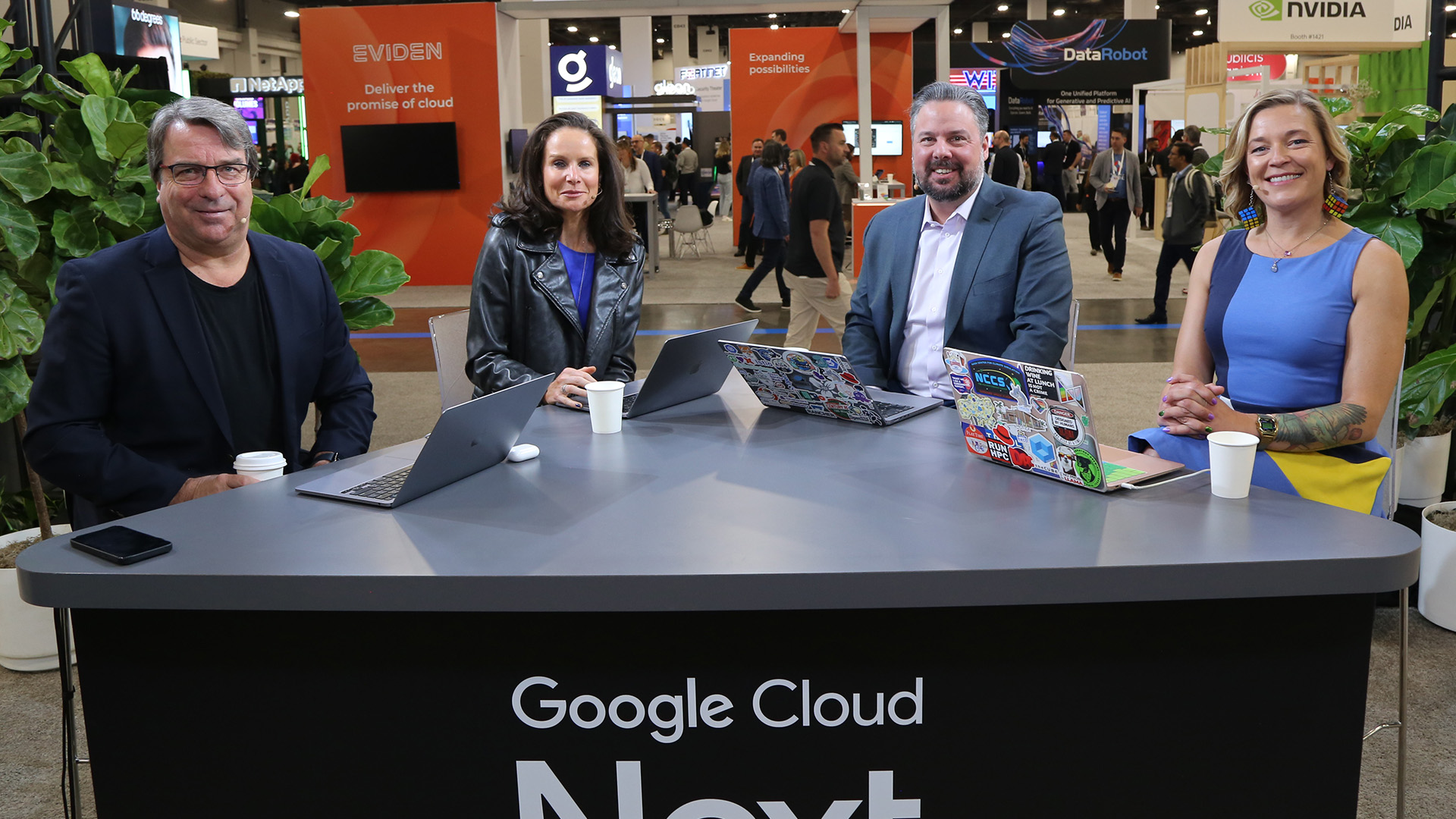
of day one of three days of coverage here on "theCUBE." My name's Savannah Peterson, joined by Analyst Rob Strechay. Rob, what a power-packed
afternoon we're about to open. >> I think this is going
to be a lot of fun. I am really excited for these, a lot of partnership with Google, and a lot of how you
actually make this stuff work around AI, in particular. >> Which is why we have
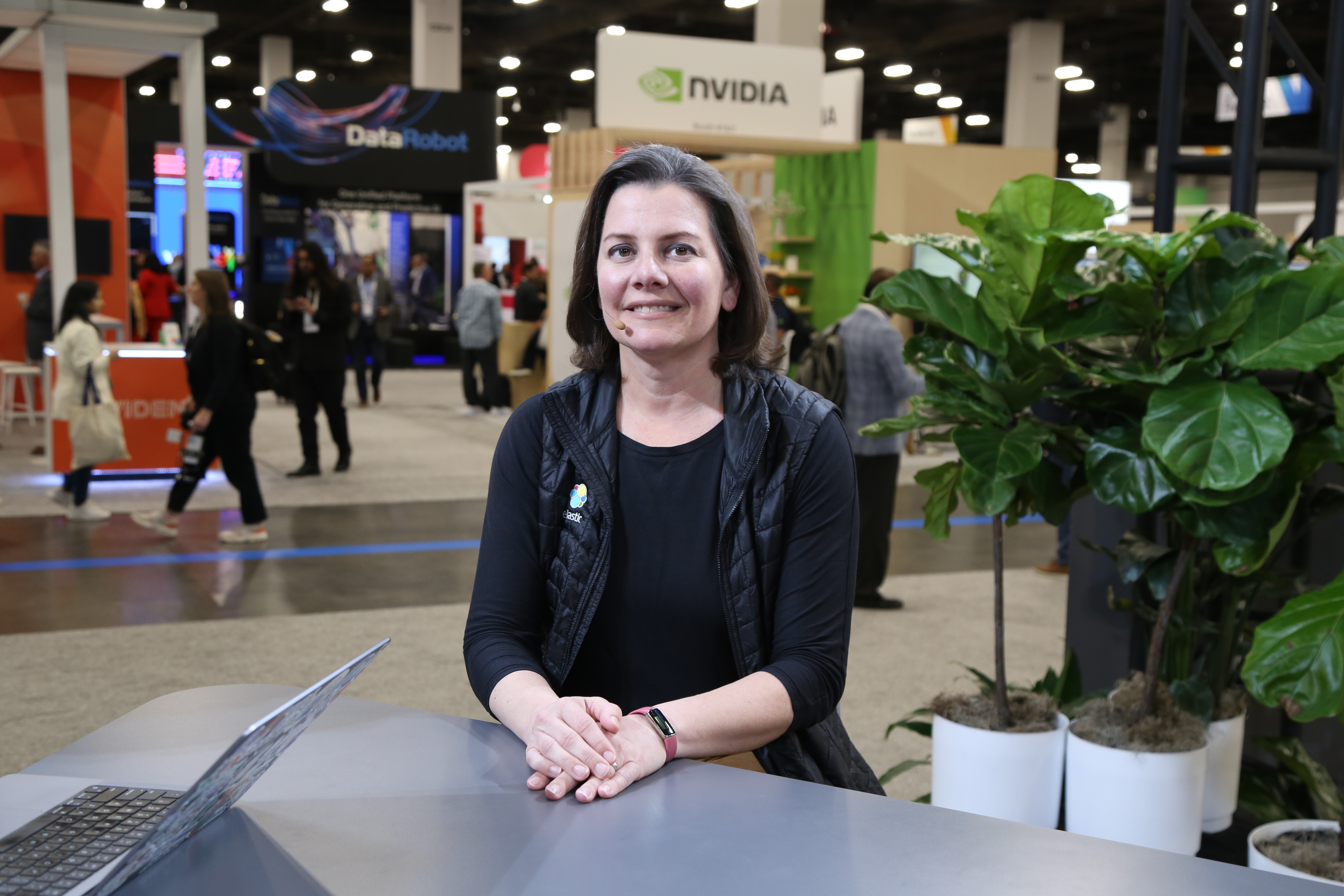
such a fantastic guest. We've got Kathleen from Elastic with us. Welcome to the show, Kathleen. >> Thank you. I'm glad to be here. Glad you're having me. >> Yeah, we're having you back. You're a CUBE pro now at this point. >> It only takes twice. Okay. (Savannah, Kathleen, and Rob laugh) >> Well, you're alumni after, so you're an alumnus after.
>> Got it. All right. >> So yes.
>> Yeah, yeah. I mean, you know, that's
all it takes in most cases, especially in AI. Only two prototypes, right? And then you're an expert. >> Totally agree.
>> How's the show going for you so far?
>> Yeah, it's going great. Just the usual. Fast paced, action packed. A lot of really interesting
things going on here this year. >> Yeah, a lot of really

interesting talks I noticed too. Elastic is all about search-powered AI. Break that down for us a little bit. What are the advantages you're
offering to your customers? >> Well, as you can imagine, all search experiences are
a little bit different. And so if you think about
almost a year ago from now, we were all talking about this new thing called generative AI. And there are a lot of
questions out there, like, is traditional search dead? Like, what's going on? You know, how is this going to change the face of this space? And what we found is it absolutely has, but it's actually drawn
more attention to the need for some of that traditional
search functionality. So if you think about, I have a customer. I want to build a search application that provides this awesome custom, you know, conversational AI experience. It needs the same underpinnings as, you know, traditional search applications that people were building years ago. >> Yeah, I mean, in fact, part of this was we had a good discussion with Satchin Gupta earlier on today about infrastructure
and distributed cloud, and he actually referenced Elastic. You know, unplugging AlloyDB on premise and using in that infrastructure the Google Distributed Cloud, using Elastic for the vector database. And it would seem like, I mean, to me, again, I've been saying it for a while, that vector is more of
feature than it is an actual, you know, entire database. How has that really come out? Like, how has that manifested
itself within Elastic and with your customers? >> Yeah, so what we really
say over and over again is you think about a vector database, and some people are thinking about it in the terms of, like, storing
and searching embeddings. But that's really just
the smallest use case. You really also need to understand how are those embeddings getting in there. And then once you have all
this information there, like, how are you going to retrieve
the best information? And that requires a lot more than just that kind of
technical embeddings piece. You need to be thinking about, am I going to be able
to aggregate my data? What about facets and filtering? Like, how am I actually going to run this? Can I do it on prem? Can
I do it on the cloud? Am I going to have, you know, the technology around it
for my specific, you know, use cases that might require
things like text search? Because, you know, surprisingly, text search is going nowhere. It's still really applicable to a lot of those search scenarios, where, you know, I'm an e-commerce site. One of the most common searches
I get is a part number. There's no real, you know,
intent I need to infer from that. I have a part number,
tell me more about it. So, you know, it still has
a place in the search space, and you need more than just
kind of these, you know, more later technologies, like
semantic search, et cetera, to really fill a lot of these use cases. >> Let's build on that a little bit. So that's a perfect example. I used to work on an e-commerce
site with 3 million SKUs. Don't need to know much more
detail beyond the intent of someone to learn or to purchase, or whatever it is they're doing there. What are some of the use
cases that really sing for search-powered AI? >> There's just so many. So a customer that we just recently had at one of our user groups, Stack Overflow, was talking about the fact
that they have over, you know, 100,000 people contributing
highly technical information to their environment. And within that environment, there are absolutely other people there that would benefit from that information. But, you know, that's this perfect scenario
for semantic search, where the way that I say something and the way I share
information may be different from somebody else. So you really need that technology to help you understand what's the intent behind this question so
that it can match you with the best results. So, you know, that's a different scenario using some different kind of technology to answer that question. But what we're finding is most people actually
need a combination of both. And so you need a situation
where text, you know, traditional text search is
going to be the best answer. There are others where semantic
search is really required to get the most relevant answer. So that's what we're seeing
hybrid search really taking off and exploding. You need your technology to
be able to recognize, okay, which is the most relevant
answer for this particular query, and then surface that to the
person asking the question. >> Is that where your
partnership with Google comes in? >> Yes, that and more. So one of the things that we've
really kept at the forefront for Elastic is kind of our
background in just being open. And so we recognize that
there are different decisions that have different right
answers across our customer base. So if you look at something that a lot of people are
talking about right now, like, what is the right
large language model for me to be using, you know, there's a lot of factors that
go into making that decision and a lot of different answers that could be absolutely correct. And so what we focused on is making sure that we're
partnering with these technology, you know, with these technologies, working closely with them to make sure that Elasticsearch works, you know, effectively,
but also better, you know, than other things so that
people can pick the things that are right for their use case. And Google's a perfect example of that, where we got together and we built some reference architectures that we could share with our
mutual customers about how to build conversational experiences on Elasticsearch, on Google. We had a great webinar on that. It was one of our, you know,
super high attended ones 'cause people are really
interested in this topic, as you could imagine. (laughs) >> Absolutely. And I can imagine they
also like a little guidance from a company like Elastic
on how to prioritize that and how to train those models to know which type of search
to vault to in that scenario, which is really cool. You've got some power-packed logos on your website illustrating
that there are some very large, well-known brands that have adopted this. You mentioned a use case with Cisco and how quickly they
were able to make change over the course of a year. Can you tell us a little bit about that? >> In fact, you had them on with us. Just recently. Yes.
>> Yeah, last time you saw me, we had Cisco here with us. And, you know, one of the things
that I was really impressed by was just how quickly they moved, embracing, you know, generative AI and building their own application. And the application that
they built was something that helped their customer
support engineers find answers for their customers who were
calling in with problems. Always a sensitive one. Always one you want to handle
quickly and efficiently. And so talking to them a
year on out where, you know, they've got time under their belts, they've made improvements along the way, we've partnered with them the whole time, what they have found is
that they can attribute 90% of the answers that they're surfacing to their support engineers
are coming from this platform. And they've been able to save
about 5,000 hours a month for these customer support engineers. You have to imagine-
>> Wow. >> that has to have a huge impact on customer satisfaction, right?
>> That's massive. Yeah, absolutely. >> I'm getting your answers fast, and I'm also able to serve
more customers now, so. >> And your agents feel better, too, because their time is better utilized, and you have a greater sense of purpose for other types of work. >> Yeah, so just a really
great example about being, you know, being an early adopter, building something really powerful, and getting some great results. >> Do you see that people
are coming to Elastic anew because of these features? Because, I mean, again,
Elastic's been around for a while and been known in really
how you aggregate data. A lot of pipelines into
Elastic, like you talked about. Getting the data in is
part of the problem. And then being able to do the vectorizing and all of the tagging and what have you. Is this a new introduction to people who may have not thought
about Elastic that way? >> I think I would say that Elastic has some great, you know, great recognition across the market. I think that when you think about search, a lot of people think about Elasticsearch, you know, right away. But I think that what
we've been able to do is kind of take this moment, this market moment that's been presented, and really reeducate people on how much we have done over
the last several years to really dive into the
promise of machine learning, dive into the promise of AI. And it's already
surfacing in our products. So, you know, when the
big buzz started happening around vector database, for instance, it's like, we're the most
downloaded vector database in the market. And that may have been a
surprise to some people, but it's, you know, it's the truth. We've been around for a while. We've been investing
in these technologies, and we're helping our
customers see the promise. >> Were you predicting this market moment? >> I wish I could say that I predicted all market
moments, but I think- >> I mean, don't we all,
for the record? Yeah. >> I would say I was definitely, you know, pleasantly surprised by
just the massive amount of buzz that happened. 'Cause I think, you know,
all of us saw ChatGPT and those initial
experiences and were like, "This is very cool." But I think it really
opened everybody's eyes and minds to, okay, this
has a place everywhere. I mean, we've got to
figure out what that is, because if our competitor
just do it first, then that's a, you know, we're doing a disservice to our customers. So I think, you know,
that was really exciting. And interestingly enough, we just did a developer
survey recently where, and these were Elastic and
non-Elastic developers, but they all had search on their minds. And one of the things
that we found were 87% of these developers had
a generative AI use case in mind or in progress, but only 11% had gotten
those out into production. And so that's one of the things that we're seeing, is-
>> Wow, yeah. >> when you start kind
of going down this path, all these considerations
come up, like, okay, how am I going to keep
my private data safe? You know, how are we going to make sure that we understand the costs around this? And working with somebody who's had, you know, a really long time, you know, leadership spot in the search
space I think can help there. >> Absolutely. >> We had a really interesting
insight from McKinsey earlier. There's a running joke of death
by 1,000 POCs at this point. And so how are you helping customers go from experimentation phase to really figuring out
their solution at scale? >> You know, we have a lot of fun doing generative AI workshops for multiple customers at a time or for individual customers, if they want to use their own data. And a lot of times we're kind
of starting to talk about it in the framework of like a playground, where it's like, let's just, you know, let's see what's possible. Or if you have something in mind, or if you're earlier on
in the process, you know, let's come in, and by the time you leave, you're going to have written your first generative
AI application. (laughs) >> That's got to be really inspiring and empowering for people. >> Yeah, it is because it's, you know, I think while there's a
lot of considerations, our goal is obviously to make a platform that helps you get up and running quickly, helps you ingest data
quickly and efficiently, and enhance that data as you bring it in, so that, ultimately, you know, you have a great experience at the end. >> Makes total sense. >> Yeah, it really does make total sense. So we've talked about the logistics and how it works a little bit. Are there any applications
of this in the wild, or maybe in the Instant Pot, if you will, cooking for the future, that really have you
personally excited not just as a company, but as an individual? >> Well, I think, yeah, we've been having a lot
of exciting conversations about just the art of the possible, and I think some of the things that our customers bring to us are like, wow, this is extremely inspiring. And so I think, you know, you have your traditional experiences, like, Cisco has jumped
on and, like, others, where, you know, I have
so much internal data that I want to surface to
my employees to help them, you know, work more efficiently. You know, that efficiency
has only increased. So I think if you'd asked me which spaces are you
seeing the fastest adoption of this technology, I'd say, like, customer success type or
internal workplace search. These are two areas where
people are jumping on quickly, 'cause it's just so obvious
that there are benefits to jumping into this space. But then, you know, we've
also seen customers go out and do really exciting
things about, you know, anomaly detection and threat
monitoring and things like that that are really helping
keep the world safer. And so that's very exciting too. >> Yeah, I was going to say, what was the top use
case that you're seeing from your customers? Where are they focusing when they get started a lot of times? >> Yeah, like I said, I
think it's let's, you know, potentially create a experience where our customers can
come and ask questions, too, and have kind of a
conversational experience at our support site. So I'm having this issue,
how can I solve it? But outside of kind of that traditional, 'cause that in and of itself is not new. But what can be new is if you think about I know who this is, I know what kind of
certifications they have, I know what products they have of mine, I know what maybe a recent
issue that has surfaced is. All this information can come together with your standard documentation,
troubleshooting guides, and provide, like, a step-by-step. Yes, we understand this is what you have. This is what's happening.
This is how you can fix it. And, you know, lovely to be able to just get a step-by-step guide to solve my problem without
having to call anybody, right? >> Absolutely. And also
better for them to... I know how many times I've called up, and they don't know how, yes, I know that. I've rebooted it. I've
done all this stuff. Here's where I am in your call screen. That makes a lot of sense. >> Yeah. So I think between that and just, again, if you think about your corporate intranet and evolving that into a, you know, interaction scenario where you can ask, what's my 401k policy? Well, I know who you are, I
know what region you're from, you know, and in some cases
I know what role you are. So if I'm asking a more
sensitive question like, what's the compensation ratio
for this title at this level, you know, I, as an individual contributor, probably shouldn't be
seeing that information. But as a manager of that
type of role, I should. And that's where things like
role-based access control become really important. Making sure that we only
serve the data to the people that have the right to
see it, so. (laughs) >> That's a really good
point. I'm glad you said that. Closing question for you,
'cause time has flown. You gave us that great
Cisco example here today, a year later. What do you hope, the next
time we have you on "theCUBE," that you can say a year from now that you couldn't say today? >> Oh, there's just so much exciting stuff that our customers are working on. I feel like we just have
endless possibilities to talk about next year, which we hadn't, you know, necessarily even
thought about two months ago. And it's kind of the
combination of the creativity of the people that were working on the customer side with,
you know, a technology. That we're willing to hear that input and take the product in the direction that's going to serve them best. >> I love it. Well, we look forward to
telling that story with you on stage at the next Google Cloud Next. Kathleen, thank you so
much for being here. Rob, fantastic insights
and questions, as always. And thank all of you for
tuning in around the world here for our live coverage
from Google Cloud Next. It's the end-ish of day one of three. My name's Savannah Peterson. You're watching "theCUBE," the leading source in
enterprise tech news. (upbeat music)
(upbeat music) >> Good afternoon, Google fans, and welcome back to
beautiful Las Vegas, Nevada. We're here at Google Cloud Next, bringing on the back end
of day one of three days of coverage here on "theCUBE." My name's Savannah Peterson, joined by Analyst Rob Strechay. Rob, what a power-packed
afternoon we're about to open. >> I think this is going
to be a lot of fun. I am really excited for these, a lot of partnership with Google, and a lot of how you
actually make this stuff work around AI, in particular. >> Which is why we have
such a fantastic guest. We've got Kathleen from Elastic with us. Welcome to the show, Kathleen. >> Thank you. I'm glad to be here. Glad you're having me. >> Yeah, we're having you back. You're a CUBE pro now at this point. >> It only takes twice. Okay. (Savannah, Kathleen, and Rob laugh) >> Well, you're alumni after, so you're an alumnus after.
>> Got it. All right. >> So yes.
>> Yeah, yeah. I mean, you know, that's
all it takes in most cases, especially in AI. Only two prototypes, right? And then you're an expert. >> Totally agree.
>> How's the show going for you so far?
>> Yeah, it's going great. Just the usual. Fast paced, action packed. A lot of really interesting
things going on here this year. >> Yeah, a lot of really
interesting talks I noticed too. Elastic is all about search-powered AI. Break that down for us a little bit. What are the advantages you're
offering to your customers? >> Well, as you can imagine, all search experiences are
a little bit different. And so if you think about
almost a year ago from now, we were all talking about this new thing called generative AI. And there are a lot of
questions out there, like, is traditional search dead? Like, what's going on? You know, how is this going to change the face of this space? And what we found is it absolutely has, but it's actually drawn
more attention to the need for some of that traditional
search functionality. So if you think about, I have a customer. I want to build a search application that provides this awesome custom, you know, conversational AI experience. It needs the same underpinnings as, you know, traditional search applications that people were building years ago. >> Yeah, I mean, in fact, part of this was we had a good discussion with Satchin Gupta earlier on today about infrastructure
and distributed cloud, and he actually referenced Elastic. You know, unplugging AlloyDB on premise and using in that infrastructure the Google Distributed Cloud, using Elastic for the vector database. And it would seem like, I mean, to me, again, I've been saying it for a while, that vector is more of
feature than it is an actual, you know, entire database. How has that really come out? Like, how has that manifested
itself within Elastic and with your customers? >> Yeah, so what we really
say over and over again is you think about a vector database, and some people are thinking about it in the terms of, like, storing
and searching embeddings. But that's really just
the smallest use case. You really also need to understand how are those embeddings getting in there. And then once you have all
this information there, like, how are you going to retrieve
the best information? And that requires a lot more than just that kind of
technical embeddings piece. You need to be thinking about, am I going to be able
to aggregate my data? What about facets and filtering? Like, how am I actually going to run this? Can I do it on prem? Can
I do it on the cloud? Am I going to have, you know, the technology around it
for my specific, you know, use cases that might require
things like text search? Because, you know, surprisingly, text search is going nowhere. It's still really applicable to a lot of those search scenarios, where, you know, I'm an e-commerce site. One of the most common searches
I get is a part number. There's no real, you know,
intent I need to infer from that. I have a part number,
tell me more about it. So, you know, it still has
a place in the search space, and you need more than just
kind of these, you know, more later technologies, like
semantic search, et cetera, to really fill a lot of these use cases. >> Let's build on that a little bit. So that's a perfect example. I used to work on an e-commerce
site with 3 million SKUs. Don't need to know much more
detail beyond the intent of someone to learn or to purchase, or whatever it is they're doing there. What are some of the use
cases that really sing for search-powered AI? >> There's just so many. So a customer that we just recently had at one of our user groups, Stack Overflow, was talking about the fact
that they have over, you know, 100,000 people contributing
highly technical information to their environment. And within that environment, there are absolutely other people there that would benefit from that information. But, you know, that's this perfect scenario
for semantic search, where the way that I say something and the way I share
information may be different from somebody else. So you really need that technology to help you understand what's the intent behind this question so
that it can match you with the best results. So, you know, that's a different scenario using some different kind of technology to answer that question. But what we're finding is most people actually
need a combination of both. And so you need a situation
where text, you know, traditional text search is
going to be the best answer. There are others where semantic
search is really required to get the most relevant answer. So that's what we're seeing
hybrid search really taking off and exploding. You need your technology to
be able to recognize, okay, which is the most relevant
answer for this particular query, and then surface that to the
person asking the question. >> Is that where your
partnership with Google comes in? >> Yes, that and more. So one of the things that we've
really kept at the forefront for Elastic is kind of our
background in just being open. And so we recognize that
there are different decisions that have different right
answers across our customer base. So if you look at something that a lot of people are
talking about right now, like, what is the right
large language model for me to be using, you know, there's a lot of factors that
go into making that decision and a lot of different answers that could be absolutely correct. And so what we focused on is making sure that we're
partnering with these technology, you know, with these technologies, working closely with them to make sure that Elasticsearch works, you know, effectively,
but also better, you know, than other things so that
people can pick the things that are right for their use case. And Google's a perfect example of that, where we got together and we built some reference architectures that we could share with our
mutual customers about how to build conversational experiences on Elasticsearch, on Google. We had a great webinar on that. It was one of our, you know,
super high attended ones 'cause people are really
interested in this topic, as you could imagine. (laughs) >> Absolutely. And I can imagine they
also like a little guidance from a company like Elastic
on how to prioritize that and how to train those models to know which type of search
to vault to in that scenario, which is really cool. You've got some power-packed logos on your website illustrating
that there are some very large, well-known brands that have adopted this. You mentioned a use case with Cisco and how quickly they
were able to make change over the course of a year. Can you tell us a little bit about that? >> In fact, you had them on with us. Just recently. Yes.
>> Yeah, last time you saw me, we had Cisco here with us. And, you know, one of the things
that I was really impressed by was just how quickly they moved, embracing, you know, generative AI and building their own application. And the application that
they built was something that helped their customer
support engineers find answers for their customers who were
calling in with problems. Always a sensitive one. Always one you want to handle
quickly and efficiently. And so talking to them a
year on out where, you know, they've got time under their belts, they've made improvements along the way, we've partnered with them the whole time, what they have found is
that they can attribute 90% of the answers that they're surfacing to their support engineers
are coming from this platform. And they've been able to save
about 5,000 hours a month for these customer support engineers. You have to imagine-
>> Wow. >> that has to have a huge impact on customer satisfaction, right?
>> That's massive. Yeah, absolutely. >> I'm getting your answers fast, and I'm also able to serve
more customers now, so. >> And your agents feel better, too, because their time is better utilized, and you have a greater sense of purpose for other types of work. >> Yeah, so just a really
great example about being, you know, being an early adopter, building something really powerful, and getting some great results. >> Do you see that people
are coming to Elastic anew because of these features? Because, I mean, again,
Elastic's been around for a while and been known in really
how you aggregate data. A lot of pipelines into
Elastic, like you talked about. Getting the data in is
part of the problem. And then being able to do the vectorizing and all of the tagging and what have you. Is this a new introduction to people who may have not thought
about Elastic that way? >> I think I would say that Elastic has some great, you know, great recognition across the market. I think that when you think about search, a lot of people think about Elasticsearch, you know, right away. But I think that what
we've been able to do is kind of take this moment, this market moment that's been presented, and really reeducate people on how much we have done over
the last several years to really dive into the
promise of machine learning, dive into the promise of AI. And it's already
surfacing in our products. So, you know, when the
big buzz started happening around vector database, for instance, it's like, we're the most
downloaded vector database in the market. And that may have been a
surprise to some people, but it's, you know, it's the truth. We've been around for a while. We've been investing
in these technologies, and we're helping our
customers see the promise. >> Were you predicting this market moment? >> I wish I could say that I predicted all market
moments, but I think- >> I mean, don't we all,
for the record? Yeah. >> I would say I was definitely, you know, pleasantly surprised by
just the massive amount of buzz that happened. 'Cause I think, you know,
all of us saw ChatGPT and those initial
experiences and were like, "This is very cool." But I think it really
opened everybody's eyes and minds to, okay, this
has a place everywhere. I mean, we've got to
figure out what that is, because if our competitor
just do it first, then that's a, you know, we're doing a disservice to our customers. So I think, you know,
that was really exciting. And interestingly enough, we just did a developer
survey recently where, and these were Elastic and
non-Elastic developers, but they all had search on their minds. And one of the things
that we found were 87% of these developers had
a generative AI use case in mind or in progress, but only 11% had gotten
those out into production. And so that's one of the things that we're seeing, is-
>> Wow, yeah. >> when you start kind
of going down this path, all these considerations
come up, like, okay, how am I going to keep
my private data safe? You know, how are we going to make sure that we understand the costs around this? And working with somebody who's had, you know, a really long time, you know, leadership spot in the search
space I think can help there. >> Absolutely. >> We had a really interesting
insight from McKinsey earlier. There's a running joke of death
by 1,000 POCs at this point. And so how are you helping customers go from experimentation phase to really figuring out
their solution at scale? >> You know, we have a lot of fun doing generative AI workshops for multiple customers at a time or for individual customers, if they want to use their own data. And a lot of times we're kind
of starting to talk about it in the framework of like a playground, where it's like, let's just, you know, let's see what's possible. Or if you have something in mind, or if you're earlier on
in the process, you know, let's come in, and by the time you leave, you're going to have written your first generative
AI application. (laughs) >> That's got to be really inspiring and empowering for people. >> Yeah, it is because it's, you know, I think while there's a
lot of considerations, our goal is obviously to make a platform that helps you get up and running quickly, helps you ingest data
quickly and efficiently, and enhance that data as you bring it in, so that, ultimately, you know, you have a great experience at the end. >> Makes total sense. >> Yeah, it really does make total sense. So we've talked about the logistics and how it works a little bit. Are there any applications
of this in the wild, or maybe in the Instant Pot, if you will, cooking for the future, that really have you
personally excited not just as a company, but as an individual? >> Well, I think, yeah, we've been having a lot
of exciting conversations about just the art of the possible, and I think some of the things that our customers bring to us are like, wow, this is extremely inspiring. And so I think, you know, you have your traditional experiences, like, Cisco has jumped
on and, like, others, where, you know, I have
so much internal data that I want to surface to
my employees to help them, you know, work more efficiently. You know, that efficiency
has only increased. So I think if you'd asked me which spaces are you
seeing the fastest adoption of this technology, I'd say, like, customer success type or
internal workplace search. These are two areas where
people are jumping on quickly, 'cause it's just so obvious
that there are benefits to jumping into this space. But then, you know, we've
also seen customers go out and do really exciting
things about, you know, anomaly detection and threat
monitoring and things like that that are really helping
keep the world safer. And so that's very exciting too. >> Yeah, I was going to say, what was the top use
case that you're seeing from your customers? Where are they focusing when they get started a lot of times? >> Yeah, like I said, I
think it's let's, you know, potentially create a experience where our customers can
come and ask questions, too, and have kind of a
conversational experience at our support site. So I'm having this issue,
how can I solve it? But outside of kind of that traditional, 'cause that in and of itself is not new. But what can be new is if you think about I know who this is, I know what kind of
certifications they have, I know what products they have of mine, I know what maybe a recent
issue that has surfaced is. All this information can come together with your standard documentation,
troubleshooting guides, and provide, like, a step-by-step. Yes, we understand this is what you have. This is what's happening.
This is how you can fix it. And, you know, lovely to be able to just get a step-by-step guide to solve my problem without
having to call anybody, right? >> Absolutely. And also
better for them to... I know how many times I've called up, and they don't know how, yes, I know that. I've rebooted it. I've
done all this stuff. Here's where I am in your call screen. That makes a lot of sense. >> Yeah. So I think between that and just, again, if you think about your corporate intranet and evolving that into a, you know, interaction scenario where you can ask, what's my 401k policy? Well, I know who you are, I
know what region you're from, you know, and in some cases
I know what role you are. So if I'm asking a more
sensitive question like, what's the compensation ratio
for this title at this level, you know, I, as an individual contributor, probably shouldn't be
seeing that information. But as a manager of that
type of role, I should. And that's where things like
role-based access control become really important. Making sure that we only
serve the data to the people that have the right to
see it, so. (laughs) >> That's a really good
point. I'm glad you said that. Closing question for you,
'cause time has flown. You gave us that great
Cisco example here today, a year later. What do you hope, the next
time we have you on "theCUBE," that you can say a year from now that you couldn't say today? >> Oh, there's just so much exciting stuff that our customers are working on. I feel like we just have
endless possibilities to talk about next year, which we hadn't, you know, necessarily even
thought about two months ago. And it's kind of the
combination of the creativity of the people that were working on the customer side with,
you know, a technology. That we're willing to hear that input and take the product in the direction that's going to serve them best. >> I love it. Well, we look forward to
telling that story with you on stage at the next Google Cloud Next. Kathleen, thank you so
much for being here. Rob, fantastic insights
and questions, as always. And thank all of you for
tuning in around the world here for our live coverage
from Google Cloud Next. It's the end-ish of day one of three. My name's Savannah Peterson. You're watching "theCUBE," the leading source in
enterprise tech news. (upbeat music)