We just sent you a verification email. Please verify your account to gain access to
Google Cloud Next 2025. If you don’t think you received an email check your
spam folder.
In order to sign in, enter the email address you used to registered for the event. Once completed, you will receive an email with a verification link. Open this link to automatically sign into the site.
Register For Google Cloud Next 2025
Please fill out the information below. You will recieve an email with a verification link confirming your registration. Click the link to automatically sign into the site.
You’re almost there!
We just sent you a verification email. Please click the verification button in the email. Once your email address is verified, you will have full access to all event content for Google Cloud Next 2025.
I want my badge and interests to be visible to all attendees.
Checking this box will display your presense on the attendees list, view your profile and allow other attendees to contact you via 1-1 chat. Read the Privacy Policy. At any time, you can choose to disable this preference.
Select your Interests!
add
Upload your photo
Uploading..
OR
Connect via Twitter
Connect via Linkedin
EDIT PASSWORD
Share
Forgot Password
Almost there!
We just sent you a verification email. Please verify your account to gain access to
Google Cloud Next 2025. If you don’t think you received an email check your
spam folder.
In order to sign in, enter the email address you used to registered for the event. Once completed, you will receive an email with a verification link. Open this link to automatically sign into the site.
Sign in to gain access to Google Cloud Next 2025
Please sign in with LinkedIn to continue to Google Cloud Next 2025. Signing in with LinkedIn ensures a professional environment.
Gopal Srinivasan, Deloitte Consulting LLP &
Dr. David Jones, Mayo Clinic
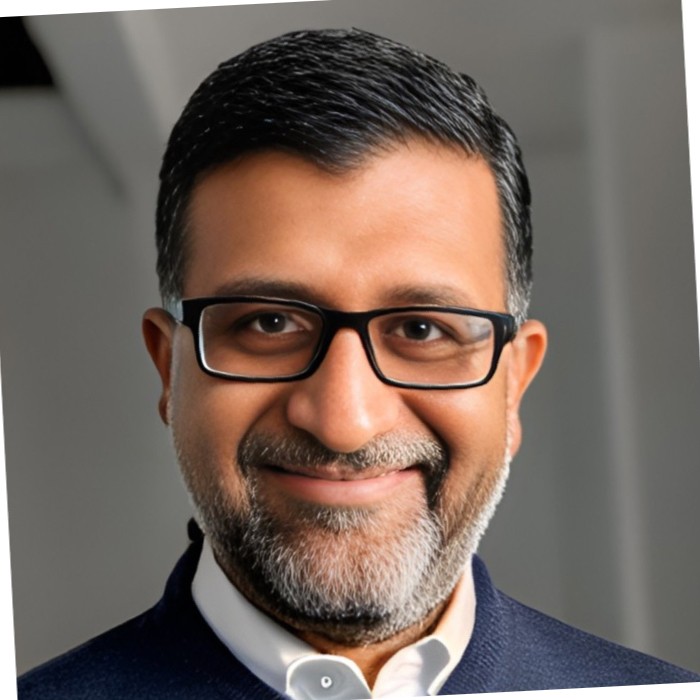
Gopal Srinivasan
Google Alliance Generative AI LeaderDeloitte Consulting LLP
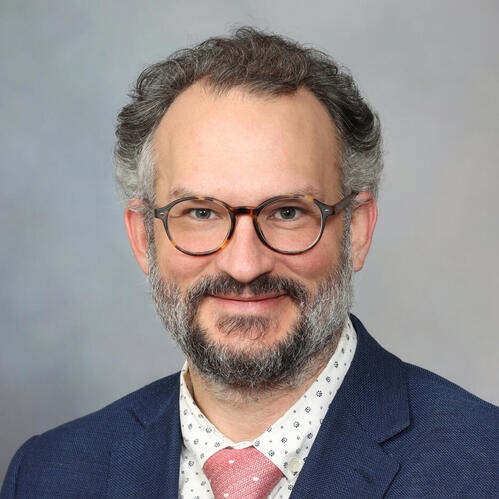
Dr. David Jones
Director of Neurology Artificial Intelligence ProgramMayo Clinic
Gopal Srinivasan and Dr. David Jones present groundbreaking insights at Google Cloud Next 2025.
Gopal Srinivasan of Deloitte Consulting LLP and Dr. David Jones, a behavioral neurologist at Mayo Clinic, engage in a dynamic discussion about integrating artificial intelligence within healthcare. They share insights during Google Cloud Next 2025 in Las Vegas.
In this enlightening video segment, Dr. David Jones discusses their role as a behavioral neurologist and director of the AI program in the Department of Neurology at Mayo Clinic. They delve...Read more
exploreKeep Exploring
What is the background and timeline of the neuro-AI program at the Mayo Clinic's Department of Neurology?add
What is the impact of the tool on improving reading accuracy?add
What values were built into the team at Mayo Clinic and how did they contribute to successful technology transformation?add
Gopal Srinivasan, Deloitte Consulting LLP &
Dr. David Jones, Mayo Clinic
search
Savannah Peterson
>> Good afternoon, cloud community, and welcome back to Las Vegas, Nevada. We're here midway through
day two of our three days of coverage of Google Cloud Next. My name's Savannah Peterson, here bringing you all the
latest with Dave Vellante. We get to have a slightly different segment this time around.
Dave Vellante
>> Being from Boston, we're
really proud of our healthcare. Maybe there's a little competition with the Mayo Clinic, I don't know.
Savannah Peterson
>> Oh, interesting.
Dave Vellante
>> Not me personally but in the community.
Savannah Peterson
>> Yeah. - A little bit of FOMO
when Mayo Clinic makes some
Dave Vellante
>> breakthroughs or some
great research, yeah.
Savannah Peterson
>> You've had all the
spicy takes today, Dave. Well, we'll have to get the scoop here now that we've got Dave on the show. Thank you so much for taking the time.
Dave Vellante
>> Yeah, great, happy to be here.
Savannah Peterson
>> And Gopal, thank you for being here and curating these stories for us. >> You know, real pleasure.
- We really appreciate you and
Savannah Peterson
>> the team.
Gopal Srinivasan
>> We've got a doctor in the house. You're, I believe, our first
doctor on stage this week, and I'm excited to hear a
lot more about what you do because it's not something
that we necessarily get to talk about every day. So Dave, if you wouldn't
mind, give us an overview of your work and what
brings you here today. >> Sure. Well,
Dr. David Jones
>> I'm a behavioral neurologist
practicing clinician at Mayo Clinic in Rochester, Minnesota. Scientifically, my background's
always been in quantitative neuroimaging, turning images into numbers. It helps us model that data. And I direct the artificial
intelligence program for the Department of
Neurology at Mayo Clinic, and what we're doing is
building a foundational infrastructure using
clinical data, flowing through cloud computing platforms, and then delivering novel
solutions back to practice with that clinical data.
Savannah Peterson
>> So you're both a
technologist and a doctor. Really, if you're thinking
about it like that, I mean, that's an incredible pairing of things. How long has that center existed? How long has the Mayo
Clinic been working on AI with this level of intent?
Dr. David Jones
>> So I can tell you from my perspective, we started the neuro-AI program
at the department Neurology about six years ago, and that was actually mainly
in response with aligning with the institutional's broader
mission around bold forward by our CEO, Gianrico Farrugia, and partnership with Google is a part of that initiative as well. And so six years ago, this
is what we had did to try to align with that and
luckily enough we did and we're starting to make
real progress in our practice.
Savannah Peterson
>> I love to hear that. Gopal, y'all always bring us
really exciting stories, not surprised you're bringing
us one in healthcare. Give us a little bit of the
lay of the land on your role and how you identify
wonderful stories like this.
Gopal Srinivasan
>> That's an excellent question. So I've spent about 25 years as a business transformation
consultant trying to bring the latest in technology and helping businesses
transform themselves so they can be more agile,
serve their stakeholders better, and obviously be profitable in doing that. In my current role, I'm
responsible globally for what we do with Google's AI technology and bring them to many of our customers. And Mayo happens to be one such customer where we've had a wonderful
partnership working alongside Google to support many of
the initiatives that Mayo, and that's how we were
introduced to the work Dr. Jones is doing. And we thought that was something the
world needs to hear more of. And I will say more over the
course of this discussion, but I think what a lot
of what you're going to hear from the work that Dr. Jones is doing is staking
us into the level three of the AI evolution we are on. So that's why we really have enjoyed and appreciated the
opportunity to have Dr. Jones come to this session.
Dave Vellante
>> We're definitely interested in hearing how you're applying AI in
the clinical situations. And then maybe Gopal, what
you're seeing in other... across the client base, other enterprises, maybe Dr. Jones, you could start.
Dr. David Jones
>> So I like to maybe make
it concrete for people, but what I'm trying to do is actually scale
Mayo Clinic knowledge based solidly in Mayo Clinic values. The needs of the patient come first, and we're trying to scale our approach to healthcare everywhere. Digitization of the data
is a big part of that. And then you can attach Mayo
Clinic knowledge to that and then they'll make
it widely accessible. So conditions like Alzheimer's disease or dementia, whether there's
about 7 million people in the United States, we have that condition, but how many specialists
like me are there? There's about 500 behavioral
neurologists in the country, not enough. So how do we...
When I look at a brain image, like an FDG PET scan of the brain, I can tell you a lot about
what's going on with that patient and that really informs my
medical decision-making, the diagnosis, the
prognosis, the treatment. But not a lot of people
can look at that scan. >> Or Nano-500.
Dr. David Jones
>> Right. Even less than that
Gopal Srinivasan
>> because not even that
cohort has that group. But if you digitize that brain scan and then connect Mayo
Clinic knowledge to it, you can then deliver that to anywhere where a brain scan takes place. And so that's what we've done. So if you ask me about a brain
scan, what I do is I say, "Well, I am looking at this scan and I've seen 20 scans like
that before in my life. This is what happened to that patient, this is what I did for them. " And that's how people extract
expert knowledge from me. We've digitized that process. So now a brain comes in and we just automatically
find the matching cases; what happened to them,
what's the prediction, what's the diagnosis? And that's the tool that we're starting to roll out on an investigational basis in our clinical practice. And it's really changing
the way we do things.
Savannah Peterson
>> It's got to really
increase the time to... well, the amount of time
between when someone comes in and they do get that prognosis
or their treatment plan.
Dr. David Jones
>> Actually, the tool increases accuracy of reading these things by
about three to five times. We think it's going to be even better. >> Wow!
- And-
Savannah Peterson
>> Wow!
- ...
Dr. David Jones
>> you can do it about 50% faster.
Dr. David Jones
>> So it really... And these folks-
Savannah Peterson
>> That's awesome.
- ...
Dr. David Jones
>> before they come to see us
and then get a brain scan
Savannah Peterson
>> and then get the reading,
that's a very long journey. But if we can take all that
knowledge to the very beginning, to their brain scan even
outside of Mayo anywhere, that's a game changer. >> Three to five x relative
Dave Vellante
>> to your expertise? Or... >> To their own baseline.
Dave Vellante
>> Right. Okay.
Dr. David Jones
>> So really bringing your level
of capability, scaling that.
Dr. David Jones
>> Exactly. So we even have
residents or people and trainees, and it brings them up to expert
level, above expert level.
Dave Vellante
>> Citizen neurologists.
- Yeah, exactly.
Dr. David Jones
>> Oh, no. No, I don't want
to go there. No, no, just kidding. >> And it doesn't make
the decision for them.
Dr. David Jones
>> They understand how it's
done, it's decision support,
Dave Vellante
>> so they understand exactly how the tool is telling them about this, and they can incorporate that
information, they can use that expert knowledge and then that makes their judgment better.
Dave Vellante
>> Got it.
- Got it. Yeah, I mean, first of all,
Savannah Peterson
>> that's incredibly impressive. When we think about expertise,
particularly in healthcare, it is those big brains like
yours, no pun intended, that are the things that are
the least scalable honestly about the industry in general. This changes the ball game. I mean, this will allow
you then to, I'm sure, advance research and push forward and then raise that
water level up together. Little bit of pressure on
you, Gopal, to make sure that you're helping implement
the right technology to support these literally
life-saving efforts and research and the data that's coming out of this. What's the process like
for you in terms of helping Dave select the right tools for this? How do you narrow down
what's going to be... I would imagine, reliability, privacy, all the things are really critical, particularly in the healthcare industry.
Gopal Srinivasan
>> Again, terrific question, and I think we bring a set
of complementary skills with what he's doing. He's obviously coming up
with the core of the solution in terms of what is the fundamental technology
that we need in order to get to these results. But when you take that and you have to deploy
it at scale in, say, any health system where it
has to operate every day, process millions, sometimes... certainly in the many
thousands, then you start to look at many different
enterprise considerations. And that goes from what is
all the wrappers that go around this in terms of do we
have the right user interface for users to use? There are many, many other systems and platforms in any health
system's everyday workflow. How is this getting integrated
into all of those workflows? You have a whole lot of training change management
that has to happen. So every clinical staff
knows how to use this, how to apply it, and that's
where we can come in and support institution like Mayo to take the core technology that Dr. Jones has developed
here and make it usable and scalable every day. And that's where what
we do really complements what Dr. Jones is doing here.
Dave Vellante
>> Was there initial
pushback when you started to bring in machine intelligence to augment human capability? Or was it seen more as, "Yeah,
we want to replicate Dr. Jones's mind across the..." >> The way that we designed
this, the way we built the team
Dr. David Jones
>> inside of Mayo Clinic in
the Department of Neurology, it was very natural. We actually had Mayo Clinic
values built into the team, and one of the core
values of Mayo Clinic is multidisciplinary teams. You get people with different
levels of expertise, but you're all focused on
the needs of the patient. Now... And like a technology
transformation, what that means is you've got
domain experts like me and the healthcare question who
can sit shoulder to shoulder with the data scientists, who
can sit shoulder to shoulder with a IT expert, cloud
engineering expert, and the administrators, and we can talk and we can all talk the same language. So people at every
level of the environment that you're deploying in
understand what you're doing and how you're doing it
and why you're doing it, and that really helps with adoption. Then the solution actually
makes sense for the environment that you're deploying in. So we did it so integrated in a way that was familiar. Mayo values the adoption
really was no problem.
Dave Vellante
>> Are you seeing that
type of receptivity across other situations in healthcare, Gopal? >> In general, yes. I used the
term L-3 earlier in a response
Gopal Srinivasan
>> to an earlier question. And we are in the beginning of year three of this current AI evolution. And if I reflect on the
two years pass, I think where we've gotten to generally
across the industries is L1 is now most people have
some sort of an AI co- pilot assisting them in everyday work. L2 is where you're going beyond to do better knowledge
surfacing in a particular domain and in the context of healthcare,
we are seeing more of that for a clinician or clinical staff to be able to surface information in
the context of the work. Where we are now starting to
see more work like what Dr. Jones is doing is to get into
the heart of the business, the real core of what, say,
a health system delivers, or even if you take payers,
everything that they need to do with the claims processing lifecycle. These are very thorny, hairy processes that have been working the way they have. They've been glued together with many different pieces over the years. And I think now we finally
have an opportunity with the current available AI technology and what we can see coming
in the not so distant future and completely reimagine
how all of these work, and in the process really improve care and obviously do things
better, faster, cheaper. And that's where I think
at the beginning of some of these core part of the business processes
starting to get reimagined.
Savannah Peterson
>> I think that's so... It's got to be a really exciting time to be both of you, quite frankly. It's really interesting. What
you just described, Dave, I think is an important thing to note. The fact that you can be sitting
next to the data scientist and to the technologist in this moment and figure out how to
solve these problems. We haven't been able to
collaborate at this scale and level and speed in the past historically. What's it like being
on your team right now? Are people really excited? I can imagine there's a lot of energy. >> I mean, I think that
is the secret sauce.
Dr. David Jones
>> I mean, when you want to do... Intelligence is really
about doing intelligent things in an environment. So if you build an
intelligent solution, not in that environment, it's
not going to scale to that environment you're trying
to do intelligent things in. This is why it's so hard to bring technology into healthcare. However, if you have a
well-energized, empowered team who understands the healthcare
environment deeply at every stage--the delivery, the
deployment, the interpretation, the use case, all of this small enough-- you can build quickly in the environment, know it doesn't work in
the environment, then that's feedback. The environment, the healthcare
environment is the feedback. You get these solutions
which are fit to purpose. That's how you get adoption.
So the small teams, everyone's very excited because we can bring these
things right to the patients, right to the bedside;
fail, fix, fail, fix. And I think this is the way to do it.
Dave Vellante
>> When the ice melts in
Rochester... Do you golf?
Dr. David Jones
>> No golf.
- No, you don't golf. But the Masters...
Dave Vellante
>> I think the Masters starts today. I'm not much of a golfer either, but you know the term mulligan. If you had a mulligan, a do-over, what would you do differently? Looking back, and maybe
Gopal, you could chime in with best practice, but
let's start with Dave.
Dr. David Jones
>> I'd just move faster. I thought we were in the right direction. Now I'm very confident we are. If we knew that early on,
we would've went faster and we would've grown
quicker and invested more.
Gopal Srinivasan
>> I think reflecting on two
years of many, many POCs that just fell by the wayside, one thing I would definitely
encourage many enterprises to do is pick a handful
of things, go deeper. Don't pick 20 things and stay too broad. I think that is probably
the biggest lesson.
Dr. David Jones
>> That was an important
part of what we did. We didn't boil the ocean. We actually had a vision
for how we could solve lots of problems, but we didn't solve them all. We selected a few that we could use to build the core
infrastructure that we needed, which then other people
could use after it was built. >> And your criteria, primary criteria
Dave Vellante
>> for selection was patient?
Dr. David Jones
>> There's a lot.
- Is that right?
Dr. David Jones
>> There's a lot. It's about alignment.
Dave Vellante
>> It's alignment, not just the
future, what's happening now, but the future where you want to go. So you always have to keep that in mind. Where are you going and how do
I align my decisions now with that and the resources
that are available here? So you're building things
which don't exist yet, so it's a complex to select the problems and you need to do that wisely.
Savannah Peterson
>> I can imagine it's also
a bit emotional when you're dealing with patient outcomes here. You've got to really
figure out what's going to be most effective. Building on that, what
challenges are you trying to conquer next?
Dr. David Jones
>> What challenges?
- Yeah.
Dr. David Jones
>> I mean, there's a lot.
- Yeah, well, exactly.
Savannah Peterson
>> I can imagine these conversations
when you're having these
Savannah Peterson
>> vibrant discussions across your team, there's a lot you could do.
Dr. David Jones
>> But scaling, we want to
scale. We want to make sure... We were building these technologies that are really helping us at Mayo Clinic. I was just at the American Academy of Neurology meeting in San
Diego before I came here. A lot of interest in the
technology. "How do we get it? We're not at Mayo. How do we get access? " So this is what I'm
really focused on right now.
Savannah Peterson
>> Do you feel like... I mean,
healthcare is notoriously collaborative when it comes
to sharing research results. Do you think that this
will create a new level of collaboration across institutes and hospitals and clinics?
Dr. David Jones
>> I mean, absolutely. It gives you a solid foundation to understand what's
happening across the country in the same framework, and
so that's very powerful.
Savannah Peterson
>> It's super powerful. Thank you for doing what you're doing. That's really exciting,
honestly. Yeah, it matters. Let's just put it that way.
I've got one final question for both of you, and I'm super curious to see what you have to say. When we're hanging out at
Google Cloud Next next year in 2026, what do you hope to be
able to say then that you can't yet say today? Gopal, I'm going to start with you.
Gopal Srinivasan
>> Certainly. So we've seen
many announcements this week around enabling, building out
more agentic architectures, and unfortunately, the term agent has become
a bit of a buzzword. Everything is called an agent. But I think if you get into the core of agentic architectures, which some of the announcements today, what it can enable is combine some of the improvements we've seen with generative AI and the ability for AI to have natural language understanding, multimodel understanding, connect it with more plain old school automation, and be able to scale many of these technologies in production. So when I'm back next year, I'm hoping I'll have some real
examples, more real examples of many such use cases that are now scaling
at various enterprises. >> Nice. We look forward
to hearing those stories
Savannah Peterson
>> as well. What about you, Dave? >> Next year is definitely scale.
Dr. David Jones
>> I mean, I know this helps people, and I want to get it in people's hands because we want to take care of patients. We want to help people take care of patients outside of Mayo. Next year, we should be
saying that that is happening.
Savannah Peterson
>> Awesome. Well, we can't wait to continue covering this story. This is really fantastic. Thank you both so much
for taking the time today- >> Pleasure.
- ...
Savannah Peterson
>> and for creating solutions
that'll impact real human lives.
Dr. David Jones
>> It's an exciting time to be alive. >> Thank you.
- And thank you, Dave.
Dr. David Jones
>> Thank you.
- And thank all of you for tuning in.
Savannah Peterson
>> We're here in Las Vegas,
Nevada, Google Cloud Next.
Savannah Peterson
>> My name's Savannah Peterson.
Gopal Srinivasan
>> You're watching theCUBE,
the leading source for enterprise tech news.