We just sent you a verification email. Please verify your account to gain access to
Google Cloud Next 2025. If you don’t think you received an email check your
spam folder.
In order to sign in, enter the email address you used to registered for the event. Once completed, you will receive an email with a verification link. Open this link to automatically sign into the site.
Register For Google Cloud Next 2025
Please fill out the information below. You will recieve an email with a verification link confirming your registration. Click the link to automatically sign into the site.
You’re almost there!
We just sent you a verification email. Please click the verification button in the email. Once your email address is verified, you will have full access to all event content for Google Cloud Next 2025.
I want my badge and interests to be visible to all attendees.
Checking this box will display your presense on the attendees list, view your profile and allow other attendees to contact you via 1-1 chat. Read the Privacy Policy. At any time, you can choose to disable this preference.
Select your Interests!
add
Upload your photo
Uploading..
OR
Connect via Twitter
Connect via Linkedin
EDIT PASSWORD
Share
Forgot Password
Almost there!
We just sent you a verification email. Please verify your account to gain access to
Google Cloud Next 2025. If you don’t think you received an email check your
spam folder.
In order to sign in, enter the email address you used to registered for the event. Once completed, you will receive an email with a verification link. Open this link to automatically sign into the site.
Sign in to gain access to Google Cloud Next 2025
Please sign in with LinkedIn to continue to Google Cloud Next 2025. Signing in with LinkedIn ensures a professional environment.
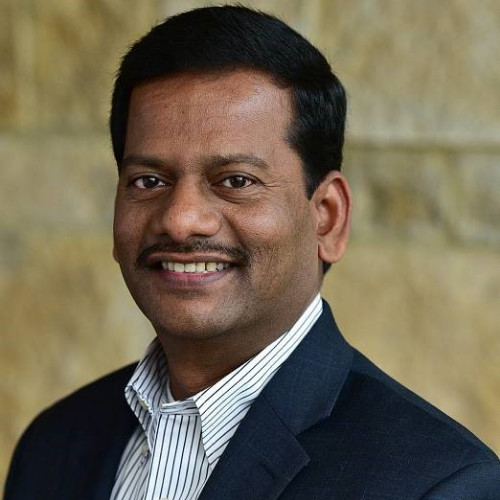
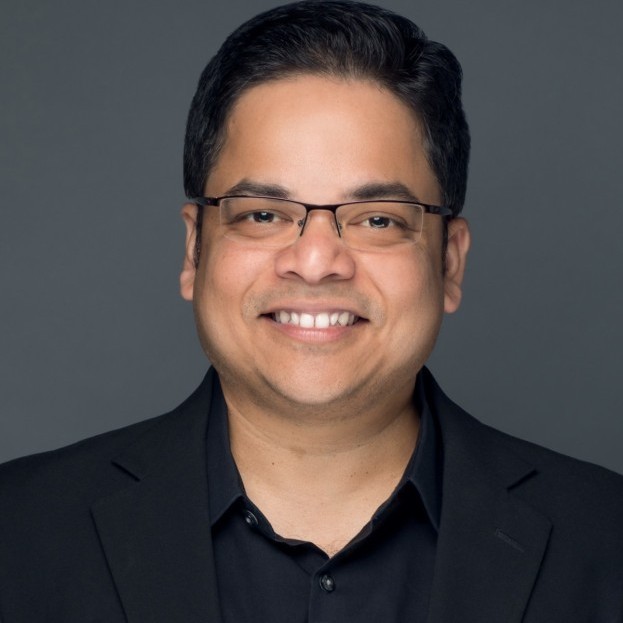
Sankar Selvaraj, LLP & Suman Pattnaik, Dollar General
Sankar Selvaraj
Specialist LeaderDeloitte Consulting LLP
Suman Pattnaik
VP, Technology, Merchandising & Supply Chain SolutionsDollar General
Join us for an insightful session at Google Cloud Next featuring Sankar Selvaraj of Deloitte Consulting LLP and Suman Pattnaik of Dollar General. This discussion explores the intricacies of inventory management and technological advancements in one of the largest retail chains in the United States.
In this video, Selvaraj, a key leader in consulting services at Deloitte, sheds light on their collaborative efforts with Dollar General, led by Pattnaik, to revolutionize the retail supply chain. Hosted by theCUBE's Savannah Peterson and Dave Vellante, th...Read more
exploreKeep Exploring
What was the process of working with leadership and the business to implement new technology and tools for supply chain operations at Dollar General?add
What changes have led to the need for a new forecasting platform or system?add
What is the importance of change management in companies like Dollar General and how can it be successfully implemented through commitment from leadership and collaboration with customers and partners?add
What factors led to the decision to use Google Cloud as a platform?add
Sankar Selvaraj, LLP & Suman Pattnaik, Dollar General
search
>> Good morning, CUBE community, and welcome back to Las Vegas, Nevada. We're here kicking off
day two of our three days of live coverage at Google Cloud Next. My name is Savannah Peterson,
bringing you all the fun and fascinating stories with
Dave Vellante this week. Dave, I'm excited for day
two. How are you feeling? >> I rode the Ferris wheel last
night, so thanks to Docker. >> Are you excited to tell me that? >> Something I never would
have done on my own. >> Thank you, Docker. >> And I want you an
arcade thanks to Google, so at least we're having fun here. >> Right, yeah. Ready for day two. >> I think we're going to have a great time with our next guest. Sankar and Suman, thank you so much for being here with us this morning. We really appreciate it. I'm really excited about this segment because you were talking
about a brand story that everybody knows the brand name. I can see the logo on
the outside of the store. You're from Dollar General. >> Yes. - You all have a bunch
of stores, 20,000 stores, 18, >> 000 SKUs if I'm recalling
the data correctly here, and you're a $40 billion retailer. I think probably most people
in this room have bought something at Dollar General. I can imagine there are a lot
of challenges figuring out what to have on the shelf, when, and how to capitalize on seasonal moments and shopping moments throughout the year. Talk to me a little bit about how you go about approaching
that challenge. That's a lot. >> Yeah. First of all, thank
you for having us here, and I feel privileged to
talk about Dollar General, because like you said,
it's a household name. 20,000 stores, 18,000
SKUs, and we are growing. Just to put that into perspective, we open 1000 stores every
year. That makes to- >> Wow,
- That makes to three stores every day. >> Isn't it incredible? >> Holy moly.
- So with that said, I think you're right, >> the challenge is immense as well >> because we care for our customers. Our mission is to serve the community, serve our customers in
their everyday life, and we are catering to their
needs in the remote places, any place you call it in
America, all states in America, we have presence, and
that's how we serve them. So to cater to I think
the need of the customer, the challenge is how do we bring
the right item at the right price to the customer at the right place? And that process is actually
simplified with an array of processes and systems that work together in tandem to make it all happen. Talk about replenishment,
talk about forecasting, talk about inventory,
talk about transportation, warehouse management, everything has to work in a very simulated manner to make sure we get the right items in place for the customers. >> Yeah.
- Yeah. >> That's an incredible
logistical challenge, not >> to mention predicting trends and a lot of other things that go along with making sure you have those right products on the shelves. I'm curious, Sankar, when
someone like Suman comes to you and says, "Hey, this
is the scope and scale and diversity of stores and things that we already have," not to mention the velocity
that you're growing at. I mean, three stores a day
is seriously impressive and I'll be thinking about that probably for the rest of the day. How do you go about
breaking down those pieces and figuring out how to help
him navigate the best solution? >> Absolutely. Thank you
so much for having me here and partnering with our great
partner, Dollar General, and they've really worked along
with us to make sure that, as Suman mentioned, the product gets to the customer in the right
time with the right price. And we are specialized in
helping our customers in terms of bringing the forecasting
capabilities, any of the supply chain
capabilities to be able to drive that vision. And when this engagement started, we all sat across the table to understand, what is the client vision
that they want to achieve? And we brought in the
client leaders like Suman and their leadership and
the business leaders, and from Deloitte, we had our
own leadership, sat together to understand what are the challenges? What is the goal that
we want to accomplish as a team, as you rightly mentioned? So we put together a strategy and we put together a
commitment from not just Dollar General and also from our
Deloitte leadership, that in order for us to get this, these are the pieces
that needed to happen. So they committed across the
table with the leadership and gave us the team and support and the budget that's needed
for us to be able to meet that on time. And we worked with them
and the business to be able to break down what is going to start to do the understanding the
business problem, drafting of the requirements, what
are the best technology and the tools that they need to be able to drive their supply chain operations, having the right forecasting system? And most importantly, work in the business that we'll be able to
train them on this new tool and the process chain
that we are bringing in so that it gets to them,
they can continue to use and see how it's shaping up
their future in using this tool and the technology that
we're going to bring in. >> So Dollar General was
founded in the late 1930s, so this isn't the first transition that you've ever gone through. Now we don't have to go back
to the pre-World War II. >> You're really bringing us back there. >> But the company's been around for a long, long time. I think
twenty-thousand stores you said? >> Yeah, yeah.
- Twenty-thousand stores. >> So if we go back to the
previous forecasting system, >> what was the climate like? What were the business
drivers that led you to come to the conclusion that
you needed a new system? What were the dynamics there? >> Yeah, I think that's a great question. First of all, I must say
the forecasting platform or system that we had for about 20 years, that served its purpose for what it was needed at that point. But as the customer demand changed, and you can see today, even a
small child goes to a store, he's very particular about
what color of the candy he or she needs. So I think that customer segment and the customer demand
has changed drastically. And also, I think with the
evolution of technology and with the new system, the
new tools that are available to us, we have a greater
opportunity to make a difference for our customers by
reducing an understock or overstock situation,
which actually helps through the supply chain by reducing or optimizing our inventory at
the DC and the store levels, and capacity constant
that we possibly can have that is also minimized. So that's some of the things
that went into making sure that we go that route. The other aspect also to think there is what the approach we want to take there, because if you consider
forecasting, there's a lot of products off the shelf also, but we decided to work
with Deloitte to ensure that we have a system which
is something that we breathe, we do it based on our customer demand, based on our business needs, and I would call it a
reflection of our business. And it is a glass box,
it's not a black box. So it makes us say if
tomorrow, if things change, more variations to customer demand, we have the opportunity to change that. So I think some of these
contributed to us choosing that route and going away from a shipment- based forecast which we
had, to customer demand- based forecast, which we
are very proud to have now. >> So the state of the art if
I go back 20 years, the state of the art was a data warehouse. You had building cubes,
you had a team of experts that you'd have to beg to build
a cube for you or build... And by the time you got the data, it was more useful than nothing,
but things can change. And then you also went
through the big data era. >> That's right.
- So I'm sure you had a lot of pressure >> to do big data and Hadoop came in and you probably enhanced
the systems, et cetera. Of course the internet
was in full swing by then, it was post dot com boom. So even during that 20 year
period, there were a lot of technological changes, and
you were using some pretty sophisticated machine learning
at the time, so you had to add on to that 20-year system, which is always challenging. Okay. Now you fast forward
to the AI awakening era. So how did you address the architecture, the change management, the skill sets needed? Take us through that,
and maybe Deloitte added some value there as well. >> Yeah, absolutely. I think
we are very strong partners, >> so I think Deloitte has been
with us through this journey, and of course as we
actually went from the era, we were doing what was
needed at that time. So to your point, given the era of AI and now GenAI, all the
evolution is supposed to happen to make sure that we cater
to the demand, a new demand. And so we did that, but we were very I would say
methodical in the approach by ensuring that we go hand in glove with our business customers. So our business and IT department were
glued together to make sure that our goals and our milestones and our approach all verify
to the needs of our customers and to our employees in some cases. So I think that's the
narrative we went with, and of course Sankar can probably add any of the change management. I think as a group also, we
went through how to ensure that every model, ensuring
that every version of the model is intact, and any incremental changes
is actually happening without really bringing in a lot of issues or defects. Anything you want to add? >> Absolutely, Suman, and spot on. Change management is very, very important in customers
like Dollar General. They look for margin, more importantly, serving the customer. So the credo that Dollar
General has is serving the customer, whether you
are serving the customer or for me, I'm serving the
customer, Dollar General. The first and foremost
is change management. From the day one of the
program when this started, commitment from the leadership, that yes, we are together in this between
Dollar General and Deloitte. If they give the commitment, people like us can jump
on and drive that journey. And to a great point, we can
build GenAI, any kind of top- notch solutions on the cloud on-prem, but a very important thing is to bring along your customers together, whether it's partners like
Suman in the IT or the business or anyone could be at the store. So driving them along your
program from the day one, and as you rightly mentioned,
we meet them every day, not just meet with their IT team, but also our business to
keep them appraised on what's happening, what help that we needed, and that was a great success
for us at both Deloitte and Dollar General, I would say. >> Yeah, absolutely.
- And you're able to achieve >> with a new system I think
85% forecasting accuracy. So okay, I've got a question for you. I'm a customer of Dollar,
because I live in the country and that takes me 20 minutes just to go get gas, there and back. And so when I go shopping,
sometimes I choose to go to the closer, more convenient
shopping, which happens to be in Clinton, Massachusetts. It's a blue-collar town and there's a Dollar General right there. So I'm wondering, am I in the 15% or 85%? And here's how I'll explain.
I go into Dollar General not for a specific purpose. I go in to see what kind of
deal I can get on anything, and if I see a good deal, I'll grab it, even if I don't need it. It could be an extension cord, it could be Christmas
lights, it doesn't matter. I'm just poking around to see
what kind of deal I can get. That's me. Am I in the
15% or am I in the 85%? >> You are in the 85%.
- Really? >> Because I can tell you,
again, I'm glad that you go >> to Dollar General because
you probably would have heard that a Dollar General exists
every five mile of a customer. That's our story. So I think you're right, we have an incredible process of coupons and promotions, so
that's also to make sure that our customers get the
best deal, like yourself. >> I got to get in on that. I'm paying top dollar at - >> Delighted by this
personal story sitting here. >> I think it's great. I love that one of your vices is a good deal. >> Oh, yeah, a sucker for a good deal. >> Yeah, yeah. No, I think that's great >> and I love that you're
able to forecast that. So I'm curious, since you've
made this big transition and I'm sure are constantly evolving and innovating together,
have you been able to measure or even tangentially get
that customer feedback that their experience has been enhanced? >> Yeah, we have seen multiple ways. We have seen a customer
appreciating us more than... I mean continue to appreciate us because we bring the right
item at the right price, and at the same time, we've
also been seeing inventory reduction which also goes
into profitability, so I think both the things are
working in the right ways. And to your other question, yes, I think all the different signals that we have been getting
from our customers and also the other signals about demand we take into consideration. So continuous evolution of
those models to make sure that we cater to that customer base and their needs on a daily basis. >> Who are the hardest
customers to predict? I'm sure you have a good idea. >> I think every customer
is important to us. I am not going to be saying- >> Oh yeah. >> I'm more just curious. With the data, since you're not in the 15%,
I'm curious who the 15% is. >> I think the 85% is the accuracy of ours, which is making sure
that it's item stored, and it's probably one
of the finest solutions because you won't find the story of 85% accuracy on a forecast
every now and then, right? >> No, especially at your volume. It's not like you're
serving one small town the donuts they know and love. >> 20,000 stores, 18,000
SKUs, variations of demand, >> and you still get 85%. I think that tells the story of how good are we at this
point with our forecasts and how focused are we to
meet our customer's demand. >> Well, the timing is good. When you think about things
like whether it's the pandemic, now we're going through all
this tension around tariffs, it makes predicting and
forecasting less predictable. But you're in the cloud now. Obviously we're here at Google Next. What kind of signals do
you get from the cloud from a data standpoint that
maybe you didn't get previously? >> Yeah. So I think there are
two parts to the question. First of all, I'll clarify on the signals. We got a ton of signals, because you talk about, first
of all, the customer demand, the sales, and we get a
ton of historical sales to see behaviors and the trends. And we also see pricing promotions
which you just mentioned, so those are the ones we do
regularly for our customers. How does it impact the behaviors? We also look into other
parameters, say weather and other considerations,
we take those into account. And to your second question, Google Cloud, because I think the platform,
we also ensured that how sustainable is it going to be? How scalable is it going to be? I think that's where we saw
that we need to be sustainable by making sure we are not
going hayway with our cost of computing and other things. So with Google Cloud, we
got the necessary tools and the platform, let's call it the GCP, the Google BigQuerys or the
Dataproc which is ephemeral, or you talk about the Kubernetes GKE or any of the security mechanism that goes into on the platform. That ensured that we are
also elastic in the demand. So for example, if there
is an up in the computation that we need, we scale up, and if you're not
actually computing a lot, we just don't hold up through those computes to bring it down. So that helps us to be
sustainable on the long run, and of course, the signals are
very well integrated into the platform that I just shared. And the part that I was just sharing before, that given that we are a glass box and we are evolving our models,
tomorrow new signals comes. Let's say GenAI is
changing a lot of things. It is now, so we get new signals. Those signals can be integrated and there you go, we are going to meet our customer's demand like never before, and we continue to do that. >> Oh, we believe it.
- So just as you >> 20 years ago were adding new innovations, whether it was big data or machine learning, et
cetera, the next 20 years or 15 years or 10 years, however long this system's going to last, changes in technology will occur. Everybody's talking about Agentic, there'll be changes in supply chain, more intelligence infused
into applications. How do you see the future?
How do you plan for that? A lot of technology executives say, "I don't worry about the technology. The technology's going to change. I worry about people,
process, change management. " But how do you think
about incorporating some of these future technologies that we're seeing at
places like Google Next? >> Wow, yeah. I think there's a lot >> I'm seeing at Google Next. Agents, right? I think agents are going to be ruling the world
at some point I guess. But I guess to your question, yes. I think the first foundation
of the thought process was to make it in-house, custom to DG's need. That's the glass box
that we, these models, and these models actually not one model. Just to clarify, the way
we have designed is a very decoupled, of course, working
with our Deloitte partners, a very decoupled set of models, and it's a very ITO models,
it's an ensemble of models. We have hierarchical models,
time series models, all kind of models that actually
combine in a weighted manner to showcase the value that we want to bring to our customers. And at the same time, I think
to your second question, the second part of the
question, how agents or the new GenAI is definitely evolving. I can tell you that now also, I feel like the customer
behaviors are going to change. We're going to cater to
their needs more often, and it's actually a good thing, because with agents, you also
have more not only efficiency, seeing more new signals, but also if you consider
the development work that goes into making new
models, that's going to be faster and finer and more intelligent because agents are going to be
making the boilerplate coding and all those things that
developers go through today lesser and more intelligence, and thought leadership coming into those formulation of ideas. >> Constantly evolving and constantly learning, just like you all. >> Absolutely.
- I love it. The tech >> mimics the people in this case. >> I have two final questions for you. Do you have a favorite
SKU of those 18,000? >> Yeah. Well, I have two kids, small ones, so usually when I go to Dollar General, they pick up the Frito-Lays. So I think the chips and
everything that goes. I'll be honest, I love the
way we serve our customers. I think, of course, I have a
lot of favorites in the store. I pick up paper towels, incredible price. Definitely a lot of prices
that we definitely make a mark for ourselves and our
customers, so we are very proud of those things. And we of course give promotions, but I think if you have to really ask me, I have a lot of SKUs that I love there. >> I'm not surprised to
hear that. What about you? >> My favorite? It's great
that you were asking. During the project execution,
I always told Suman and our colleagues from
Dollar General, my favorite item is garlic bread, and you'll be surprised
that you don't get the shape and the type of garlic bread anywhere else but Dollar General. >> I got to check that out.
- I know exactly where >> it's located in New Jersey. >> I go and look for that item. If I don't find it, I have
to call someone, like, "Did we not forecast it well? " Surprisingly- >> Oh my gosh. I love this guy. >> Seriously, and I've
been successful so far >> and I'm looking forward to >> that continuity where we
are accurately . >> Tip of the day.
- The garlic bread secret shopper over >> here, with a man with a solution no less. >> We're going to have to
have some garlic bread. I love garlic bread. That's a great call. What
about you, Dave? Favorite SKU? >> I think I told you, my extension cords. I have so many extension cords. I go through them like crazy. I live in a big old farmhouse and I have a big need for extension cords. >> Awesome.
- Well, >> I know what's get you for Christmas, Dave. I'm glad we had this talk. >> You should see, we light up the >> house on Christmas, you know? >> Hey, I believe it's lit.
- Then I drive over it >> with my snow blower. It's not good, so I head to Dollar General to
get a replacement. Yes. >> Well, this has been a wonderfully
delightful segment quite honestly, more delightful than I expected. >> Happy to hear that.
- Final question >> for you then I'll wrap this up. >> When we're hanging out at
Google Cloud Next next year, what do you hope to be able
to say then that you can't yet say today? >> Well, I would say probably would be 95 plus percent accurate. >> Yeah.
- Fantastic. >> I love that.
- And serving our customer even more, so >> that would be my statement next year. >> Perfect. Anything for you? >> Absolutely. I'll add on
to what Suman has mentioned, >> that if you're hitting that 95% accurate, >> that means it's not happening by choice, but as rightly mentioned, the glass box. And as you just mentioned,
that you can plug and play any new model if it's
not hitting that boundary. And as you asked earlier, it is the item that we look at from seasonal
perspective, fast-moving, import and domestic. So all those aspects as
different models to train on, and our customers, they
continue to train these. It's very, very important
you continue to train them and monitor them, and make
improvements so that it continue to provide the best business
value for our customers. If that is not delivered, no
customer's going to like it. So 95%, that means it's delivering all the
business value that they expected out of. >> I love that. 95%, you
heard it here first, folks. Sankar and Suman, thank you so much for taking the time today. This has been fantastic, and
now I'm craving garlic bread and it's only 10 AM, folks. It's going to be a wild ride. Dave, thank you as
always for the insights, and thank all of you for
tuning in to our three days of coverage here at Google Cloud Next. We're in Las Vegas, Nevada.
I'm headed to the Dollar Store. My name's Savannah Peterson. You're watching theCUBE,
the leading source for enterprise tech news.