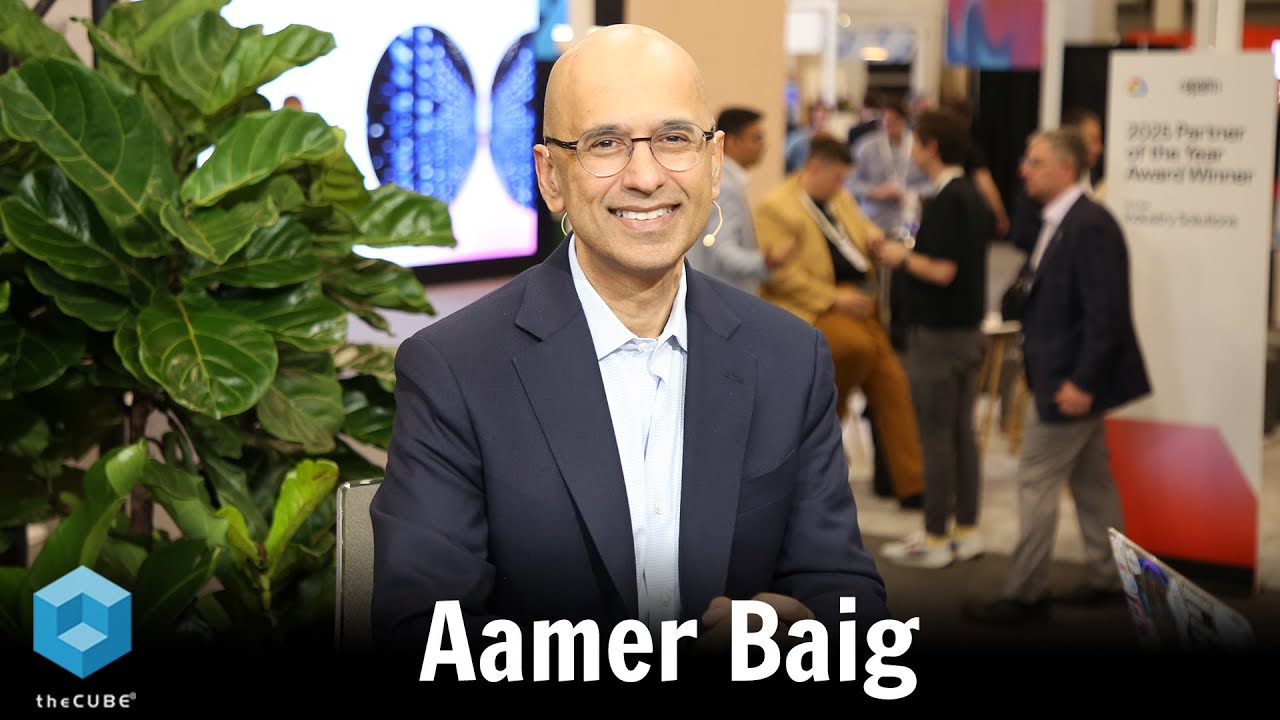
Vishal Iyengar of Deloitte, along with Matt Rhenish and Maynd Jolly of enGen, highlights AI innovations at Google Cloud Next 2025 in Las Vegas. The discussion on the transformative role of AI in healthcare is expertly navigated by hosts from theCUBE Research, emphasizing pathways for operational excellence in the industry.
In this session, Vishal Iyengar, an executive at Deloitte, shares expertise on leveraging technology to optimize healthcare operations. Joined by enGen's Matt Rhenish and Maynd Jolly, they explore the nuances of AI integration and emphasize the strategic collaboration between Deloitte, Google, Highmark Health, and enGen. The discussion, hosted by Savannah Peterson of theCUBE, covers key topics including data privacy and security.
Addressing the challenges and successes of implementing AI, the discussion showcases significant improvements in claim processing efficiency, as explained by Rhenish. Jolly highlights the targeted outcomes and strategic investments made to enhance provider and member experiences. Feedback from Iyengar emphasizes building solutions collaboratively, ensuring user adoption and seamless technology integration within the healthcare framework.
Forgot Password
Almost there!
We just sent you a verification email. Please verify your account to gain access to
Google Cloud Next 2025. If you don’t think you received an email check your
spam folder.
In order to sign in, enter the email address you used to registered for the event. Once completed, you will receive an email with a verification link. Open this link to automatically sign into the site.
Register For Google Cloud Next 2025
Please fill out the information below. You will recieve an email with a verification link confirming your registration. Click the link to automatically sign into the site.
You’re almost there!
We just sent you a verification email. Please click the verification button in the email. Once your email address is verified, you will have full access to all event content for Google Cloud Next 2025.
I want my badge and interests to be visible to all attendees.
Checking this box will display your presense on the attendees list, view your profile and allow other attendees to contact you via 1-1 chat. Read the Privacy Policy. At any time, you can choose to disable this preference.
Select your Interests!
add
Upload your photo
Uploading..
OR
Connect via Twitter
Connect via Linkedin
EDIT PASSWORD
Share
Forgot Password
Almost there!
We just sent you a verification email. Please verify your account to gain access to
Google Cloud Next 2025. If you don’t think you received an email check your
spam folder.
In order to sign in, enter the email address you used to registered for the event. Once completed, you will receive an email with a verification link. Open this link to automatically sign into the site.
Sign in to gain access to Google Cloud Next 2025
Please sign in with LinkedIn to continue to Google Cloud Next 2025. Signing in with LinkedIn ensures a professional environment.
Vishal Iyengar of Deloitte, along with Matt Rhenish and Maynd Jolly of enGen, highlights AI innovations at Google Cloud Next 2025 in Las Vegas. The discussion on the transformative role of AI in healthcare is expertly navigated by hosts from theCUBE Research, emphasizing pathways for operational excellence in the industry.
In this session, Vishal Iyengar, an executive at Deloitte, shares expertise on leveraging technology to optimize healthcare operations. Joined by enGen's Matt Rhenish and Maynd Jolly, they explore the nuances of AI integration and emphasize the strategic collaboration between Deloitte, Google, Highmark Health, and enGen. The discussion, hosted by Savannah Peterson of theCUBE, covers key topics including data privacy and security.
Addressing the challenges and successes of implementing AI, the discussion showcases significant improvements in claim processing efficiency, as explained by Rhenish. Jolly highlights the targeted outcomes and strategic investments made to enhance provider and member experiences. Feedback from Iyengar emphasizes building solutions collaboratively, ensuring user adoption and seamless technology integration within the healthcare framework.
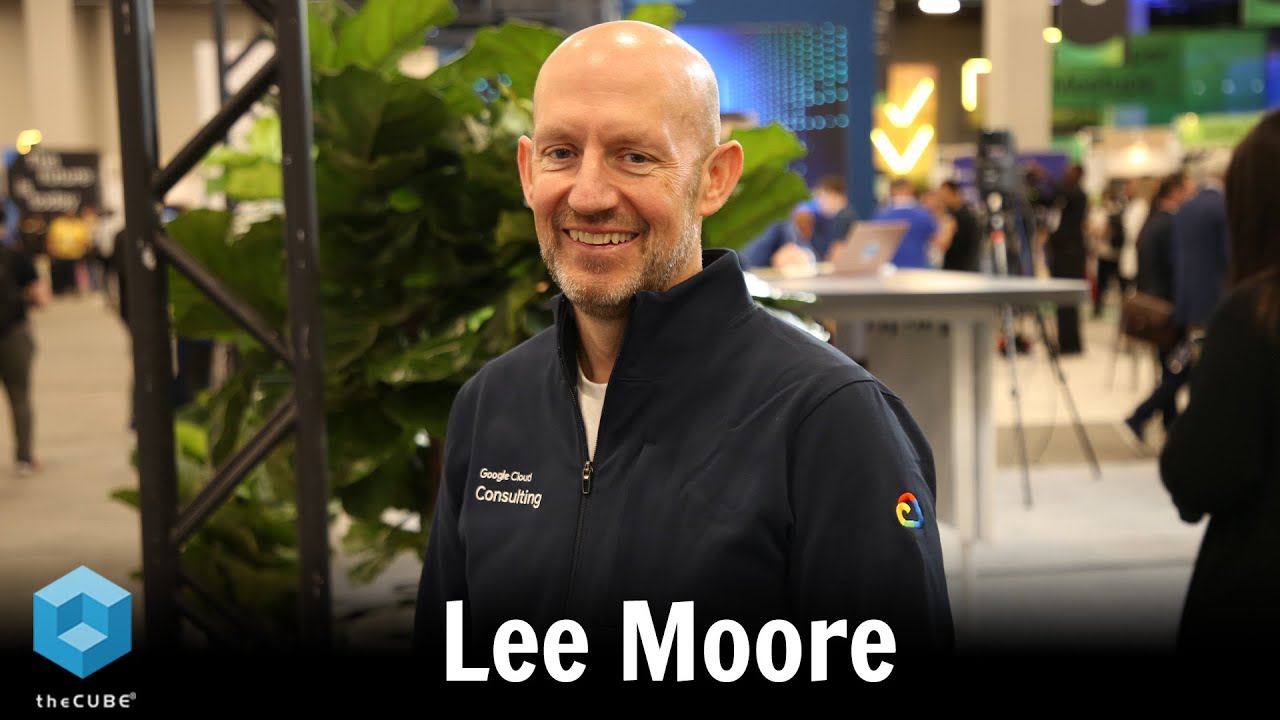
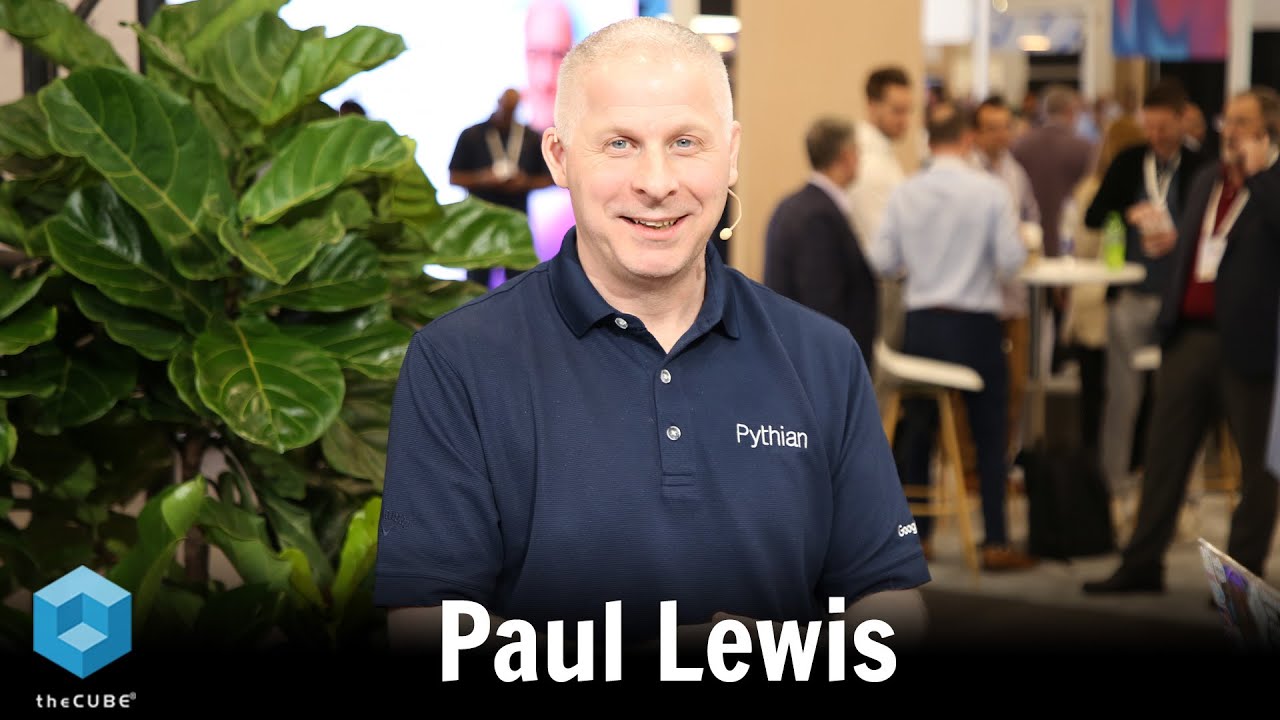
CFO & Commercialization SVP, Client Executive, Growth and PartnershipsenGen
Vishal Iyengar of Deloitte, along with Matt Rhenish and Maynd Jolly of enGen, highlights AI innovations at Google Cloud Next 2025 in Las Vegas. The discussion on the transformative role of AI in healthcare is expertly navigated by hosts from theCUBE Research, emphasizing pathways for operational excellence in the industry.
In this session, Vishal Iyengar, an executive at Deloitte, shares expertise on leveraging technology to optimize healthcare operations. Joined by enGen's Matt Rhenish and Maynd Jolly, they explore the nuances of AI integration and em...Read more
exploreKeep Exploring
What is enGen and what role does it play within Highmark Health?add
What factors do you consider when selecting tools to recommend to companies like enGen for optimizing processes in sensitive industries like healthcare?add
What is the significance of decision automation in processing millions of insurance claims each year?add
What approach does the healthcare industry usually take when it comes to embracing newer technology, especially AI, and what has been a key factor in the success of certain programs utilizing AI in healthcare?add
>> Good afternoon, nerd fam, and a welcome back to
Fabulous Las Vegas, Nevada. We're here on the back end of day two of our three days of live coverage. My name is Savannah
Peterson, super excited to be building on and continuing the conversation
in this particular segment about AI and healthcare. Who better to do it than
our fabulous trifecta of guests sitting next to me? Vishal, Matt, and Mayan, thank you so much for taking the time to be here, gentlemen. Really appreciate it.
Matt Rhenish
>> Thanks for having us.
- I know it is a busy week for you all, so this is going to be cool. I'm glad we were just catching
up before we got started. Let's talk about NGiN real quick just to ground folks in the conversation. Matt, I'm going to let you start off. Tell us about y'all, what you do, and what brought you
to this fabulous table.
Matt Rhenish
>> Sure. So NGiN is a
part of Highmark Health, which is a payer and provider
and technology company. We have all of the technology and the operations for Highmark Health, which serves millions of
blue plan members, millions of provider patients, frankly, and is really the connection point between members getting care and patients and providers on the other side of that.
Savannah Peterson
>> Which is a really critical bridge.
Matt Rhenish
>> Yeah, it's the reason
people need healthcare, is they need us to be there at that connection when they
most need us to support them through the care that they're
on, so they don't have to worry about things like claims, or is my coverage accepted here? Any of those sorts of things. Yeah.
Savannah Peterson
>> Absolutely. So Vishal, you mentioned that you've been working with these folks for about three years.
Vishal Iyengar
>> Yeah. - And I'm curious,
when a company like NGiN comes to you or starts working with
you to optimize processes, healthcare is a very
sensitive topic, a lot of data that's really sensitive. I mean, those claims
themselves, if something happens and privacy is breached,
that's an extremely big deal. So how do you select which tools to recommend to them so that
they can build with confidence and do their jobs?
Vishal Iyengar
>> Yeah, great question. I think the first thing
that we focus on is, what is the business objective that they're looking to achieve. We start there, because
we want to make sure that we have a clear understanding of what success looks like. The second thing we do is, as
you described, data security, data privacy is incredibly important. So we have to make sure that
while we have the objective in mind, we're picking the tools
that'll keep the integrity of the solution, but also
the privacy of our members and our providers, and all
the stakeholders involved in healthcare keep that protected. And then last but not
least, we need to look at what is the value, the fastest
speed to market, something that Google provides
in spades, the ability to actually bring in disparate
solutions all in one place, get to market as soon as possible, right? And that's really what's important for NGIN and for Highmark.
Savannah Peterson
>> Yeah, you're really balancing
that time, confidence, and value triangle. Very much so, especially
on the success front. Mayan, I'm curious, when
you're strategizing here and coming to Vishal to say,
"Hey, these are the outcomes that we need," what does a
W look like in your game? What are those metrics for success?
Maynd Jolly
>> First of all, thinking about
health plan as our customer, it's our job to make the most efficient. That's number one factor, because they're processing
billions of dollars in claims, and we need to get the cost of efficiency to the lowest of the cent. That's number one. Second is,
how do I make an experience for a member and provider excellent and let the provider perform
at the top of the credentials? So if it meets those criteria,
then it's North Star for us. Because I can solve the problem
not just for health plan, but for provider and
for members at the end. And I'm ready to invest top
capital dollars into it, because it not only helps
us in bringing the best technology, but scale the
solution and then go to market. That's how I think about it.
Savannah Peterson
>> Yeah. No, and I mean,
those are important pieces, and probably though in this
case, relatively measurable. So at least you know if
you're doing a good job.
Matt Rhenish
>> The kind of solution we
built with Deloitte and Google and other parts of our
enterprise, we can tell that we're moving through and getting answers
back faster to members, getting answers back
faster to providers, so that they can be satisfied and then focus on what's really important, which is their care and
caring for their patients.
Savannah Peterson
>> Yeah, absolutely. Talk to me
a bit about Claims Examiner, what that is and how that helps
you drive these solutions.
Matt Rhenish
>> So any at-scale health
plan pays hundreds of millions of claims a year. And there's this percentage and even a-
Savannah Peterson
>> It's an incredible volume.
Matt Rhenish
>> Incredible.
- Truly incredible volume. >> You think about it, the
average person probably has 10 to 15 claims a year.
Savannah Peterson
>> And even an average healthy
person, let alone someone who might be in with
something more chronic.
Matt Rhenish
>> And a small portion of those
sometimes have to be held and manually processed. There's any number of reasons. The provider name is a mismatch, or I have a friend, he's the third and his dad is the fourth, right? And so, it's like, "Who
is this claimed for? " And when you do that, it's
a tiny percentage on hundreds, still millions of claims
that we're holding and we're working through manually. And so, this solution provides
decision automation really for the people that do
these manual claims, so that they can tell, "Yes,
approve and move on. Approve and move on. Hold
this, look in more detail. " And it then allows them to go on and do more important work for our members and for our customers.
Vishal Iyengar
>> Just to add to that,
I think the intent is to remove the friction that exists in the healthcare ecosystem, make the decisions faster
so that you get the members and the providers the
answers they're looking for and some peace of mind. Nobody wants a surprise bill. Nobody wants something that
they were not expecting. And so, this really removes the friction. And they're sort of at the
leading edge of that change, of trying to change the
experience for members, providers, all of the stakeholders within
the healthcare ecosystem.
Savannah Peterson
>> I think that's a really good point. I say this lovingly, we've all
potentially had an issue at some point with confusion
or rejection of a claim or an unexplained EOB
that comes spitting out of some system based on
something that's data that might've gotten a little mushy. And so, I'm curious, what level of... Do you have any numbers that you can share with us in terms of-
Matt Rhenish
>> Yeah. >> Yeah, so please.
- So we are right now using this solution on about two million claims. And it's still fairly new. This isn't like we've
been doing this for years and years with this solution, it's in the last three to four months. And we continue to grow
and build that base. And we even talked this
morning about the next horizon of use cases, that we
can go from two million to five million to seven million.
Vishal Iyengar
>> To put that in perspective,
that's about 200, 000 members in a given
year that you're able to get answers faster, that
you're able to give them peace of mind so they can focus on care.
Maynd Jolly
>> Let me add from an operation standpoint, as Matt are in massive operations, a person who's managing the
claim might spend, I don't know, 20 minutes on just looking at that claim and working through it. This Claim Examiner can
do it in a few seconds. So I think the experience of the user who's using the platform changes differently as well. And it allows us to not
only process the claim more accurately, but make the life of the user who's working in the job day to day much more easier.
Savannah Peterson
>> And free up that cognitive
load for other activities.
Matt Rhenish
>> Yeah, exactly.
- Not staring at paperwork.
Matt Rhenish
>> That's right.
- Which is nobody's favorite activity. If it is, I'd like to meet that person and show them a few other hobbies. I would like to open their
mind, perhaps to the great, wide wild world outside and around us. I think that's really, it's
interesting and it's powerful, because the healthcare system
is such an emotional arena. This is not an industry
of... It's not passive. Typically, if you're dealing
with your healthcare provider or you're dealing with your insurance company, something's going on.
Matt Rhenish
>> Yeah.
- At least at velocity. You mentioned those use cases, Matt, and I'm curious to drill
down there a little bit. How do you identify the best use cases for this rollout and scale it up?
Matt Rhenish
>> So for us, it's a
combination of, we need to make sure it's something
that's not only at scale, but also as you said, measurable, that we can add outcomes
too on the back end. It can't be a one-off, kind of
interesting science project. That does not work. So we need to be able to show and prove that it's bringing value. We need to make sure with our
partners, Deloitte, Google, others, it is market-leading, and this is putting us in
a position that continues to reduce that friction and puts us in a better
spot than our competitors. And I think lastly is really something that brings together all the
rest of our organization. Analytics teams, IT teams,
my operational teams, all those people working
together makes it happen. Because at the end, if
someone is like, "Well, we can use AI at scale in
boring old operations," and then those kinds of stories are how you build an AI
culture in an organization and continue to find new use cases.
Savannah Peterson
>> I think that's a really good
point you just brought up. We can build everything we want to build, but if the humans in this
world aren't using them and optimizing them, it
really doesn't matter. And I can imagine, Vishal, I'm curious to get your take on this, and I'd love to hear what either of you have to say. In terms of the cultural
adoption in this industry specifically, how are you
coaching customers like NGiN to integrate that in a
way that is approachable and empowering, versus scary and annoying?
Vishal Iyengar
>> Well, I would agree that I think the healthcare
industry always takes a cautious approach to sort of
embracing newer technology, leading the technology,
technology in general. But one of the things
that has been the success of this program, and
I can say that knowing that this is absolutely true, is from day one we actually
brought the entire set of people that were going to use
the solution, design and use the solution, to come and say, "Here's why this
AI is going to be helpful. " Sometimes there's this concern that AI might actually
not give me the answer that I'm looking for, and therefore I'm going to be held responsible for that. So there's a little bit of
the bias towards not using it because of what it may impact
or how it may impact you. The other side of it is there's
just the skepticism that a machine can actually
give you information and decisions better than
what you've been doing for the last two or three decades, because a lot of these
folks have been doing it. And so, it's very important
that you don't do the solution to them, you do the solution with them. And I will say this, I've said
this on multiple forums, that NGiN and Highmark have been very embracing of the technology, and that has been a huge
part of the success. And it is why I think that
with the portfolio that the two of them have sort of outlined, I think there's more
successes in the future for them to take to market.
Savannah Peterson
>> Mayan, would you agree?
- Yeah, I agree. I think one thing to
add to Vishal's point, if you think about insurance companies, these businesses are built
over the last 50 to 100 years. They have some very old technology, there's some new technology, and there is a modern
tech stack sitting in GCP. So we have the mix of all of that. So we need to figure out, "Okay, can I take my enterprise data in GCP? " We did that. "But my
platform still runs on an older technology, how do I create
an integration layer which allows me to implement AI, but
at the same time do my ops? " It becomes tricky. And that's where Deloitte
or Google, they can come in and they can help us out, how to solve that last mile connectivity
integration, the last tiny bit of problem which makes it happen. And that's what I love
about the partnership, which we came together with
Deloitte and Google and Highmark and NGiN together, and
it really blossomed into this big product. I think I love the product. It's going to be a market-leading product.
Savannah Peterson
>> It sounds like it already is.
Matt Rhenish
>> It's great. Yeah.
- It's great. >> It has been great to see
the adoption of all the teams, kind of day-to-day teams,
especially non-tech folks that are now kind of bought
in and can evangelize.
Savannah Peterson
>> That's really kind of what
I was driving at a little bit, because us nerds are kind of
always a little gung-ho about trying whatever is next. But I do think especially, where as you are integrating, I mean it's a revolutionary
technology moment that we're all living
in, even as deep nerds, let alone when you're rolling
it out to folks who maybe don't read about this
stuff in their spare time. I think it's really powerful. And I love what you said,
Vishal, I'm going to appropriate that from you moving
forward, because I love that it's not about teaching,
it's about building with them, not just implementing and saying, "Hey, go use this new thing. It's great, we promise. Well, why? My brain is great, and it has
been working for 30 years. " I think it makes a lot of sense. So outside of scaling out this rollout, what else are you all working on now? What are you going to tackle next?
Matt Rhenish
>> Yeah, I can just say in operations, and my end hit on it, there's lots of complicated processes with
lots of friction in them. And so, now it is, continue
to hunt for ways we can take that friction out of the system. Whether it's EOBs, providers
that want to ask us questions that don't understand
how a claim is paid, all of those friction points in
those old processes are an opportunity to bring AI in and help with decision-making
and that kind of thing. So it's exciting.
Maynd Jolly
>> I think what I love
about our role is that we see the messy part of the business. So there's a lot of mess. Now we need to decide
where to apply the AI and the new tools which are coming along. I think Matt said it nicely, there's so much challenges in just
talking to a provider. They have a thousand inquiries coming in and the inquiries just keeps on going up. Shall we tackle that or shall we talk to a member who does not understand their benefits? Or shall we talk to an
employer group who wants to explain the benefits to
their own employees better? I think the way that we took
it, the lens is that, which challenge we take, but it
hits everyone, a member, a provider, and a health plan. If it fits all of them, we
want to take on that challenge. So that's how we look at the
filter when choosing all the next challenges we are taking
on in the next few months.
Vishal Iyengar
>> Just to add, the criteria,
the three tenets, make sure that you know what the
outcome it is, what outcome and objective you're going after. Second, bring or integrate the teams to bring
everybody together to solve. And then three, be willing to
sign up for business outcomes. If those three things
fit a use case, I think that should be there and I think that has
been the thought process.
Savannah Peterson
>> Yeah, I love it. All right,
kind of building on that, one final question for you all, because this has been really fun and I think we should continue
the conversation next year at Google Cloud Next in 2026. What do you hope to be able
to say then that you can't yet say today? Mayan, I'm going to start with you and we'll work our way in this way.
Maynd Jolly
>> Oh, that's a big one, a good one. So what I would love to say is that from an operation
standpoint of a health plan, we have been able to put AI
in every piece of operations. Not just claims, but call center, by just
managing day-to-day entries, just managing day-to-day paperwork. So have I used AI technology
in every aspect of operations? That'll be a big goal for me.
Savannah Peterson
>> Cool. Well, I'm going to
hold you accountable for that. Can't wait to hear your .
Matt Rhenish
>> And it's recorded so you-
- Exactly. It's on tape, it's in my brain. Our AI will be trained on that sentence. It's actually not false,
that's a true statement, so yes. What about you, Matt?
Matt Rhenish
>> Similar for me. I would say that I want my ops
teams to be able to leverage this solution and other AI
solutions at every touch point that we have with a member and with a provider to
provide better answers faster and a better experience to
them, so that they can focus on their own health or care for their patient if they're a provider.
Savannah Peterson
>> Love that. Keeping that brain
working in the right place and not distracted by-
Matt Rhenish
>> People that matter, right? It's the people that matter in the end.
Savannah Peterson
>> It is the people that matter. Absolutely. All right, Vishal?
Vishal Iyengar
>> Well, on that note, just
to say it, the members and providers, the portfolio of solutions and the thinking that you
guys are putting into it, if we can get a member
testimonial, a provider testimonial to say, "We're seeing the
impact of that, we love that this is in place and we're
willing to embrace it as well," because now you can
come in from both sides. I think that would be a
fantastic 2026 goal, I guess.
Savannah Peterson
>> All right. Well, the
audience heard it here first.
Vishal Iyengar
>> All right. - I'll be holding
you accountable to those.
Vishal Iyengar
>> Absolutely. Thank you so much.
Savannah Peterson
>> And thank you, you three really, this has been a great conversation and thank you for the important
work that you do optimizing at the end of the day, a better patient experience for all of us. So cheers to that.
Matt Rhenish
>> Thanks.
- I hope y'all got as much as we got out of this fun 15 minutes of joy here on theCUBE from
the show floor at Google Cloud Next in Las Vegas, Nevada. My name is Savannah Peterson. You're watching theCUBE,
the leading source for enterprise tech news.














 Savannah Peterson