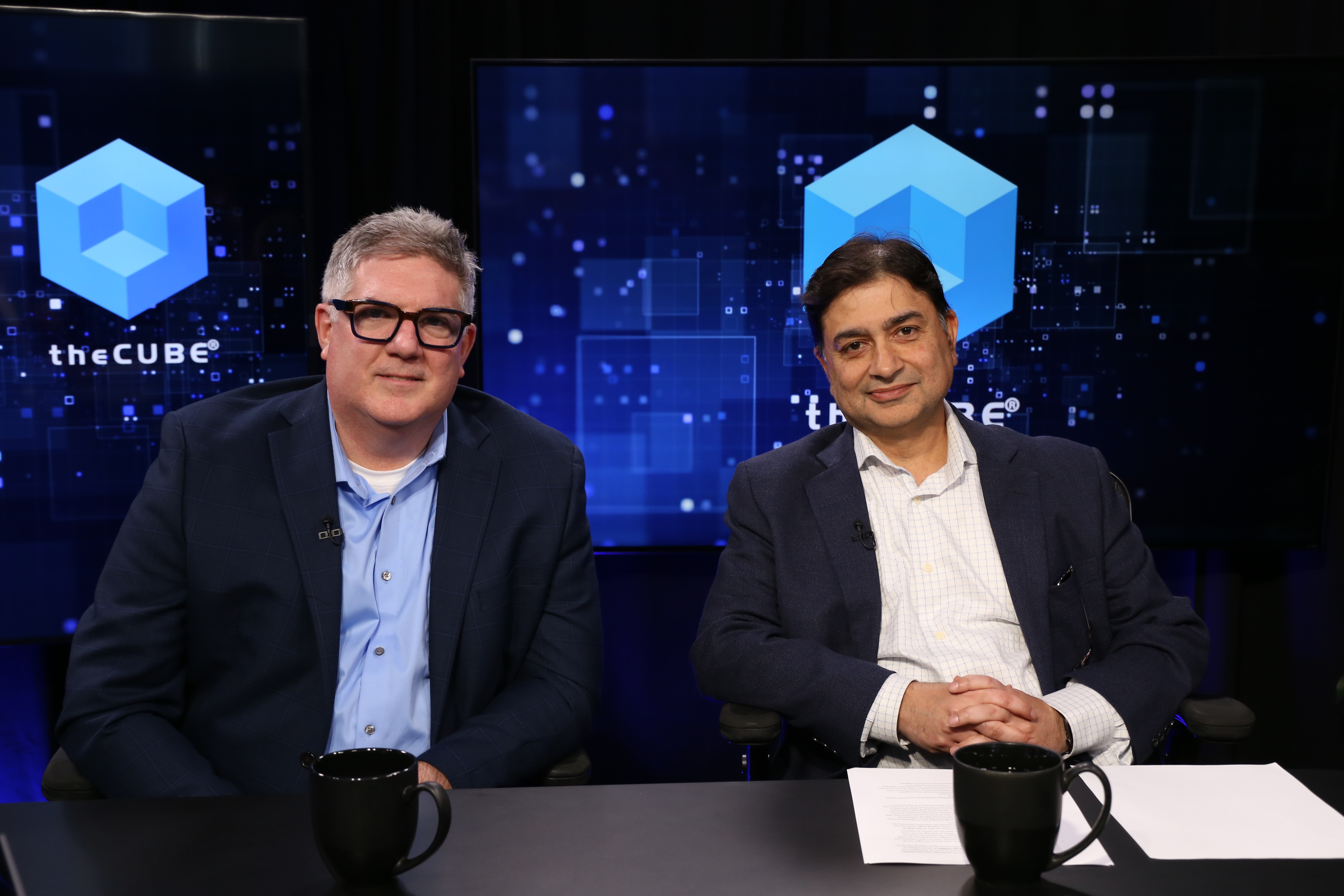
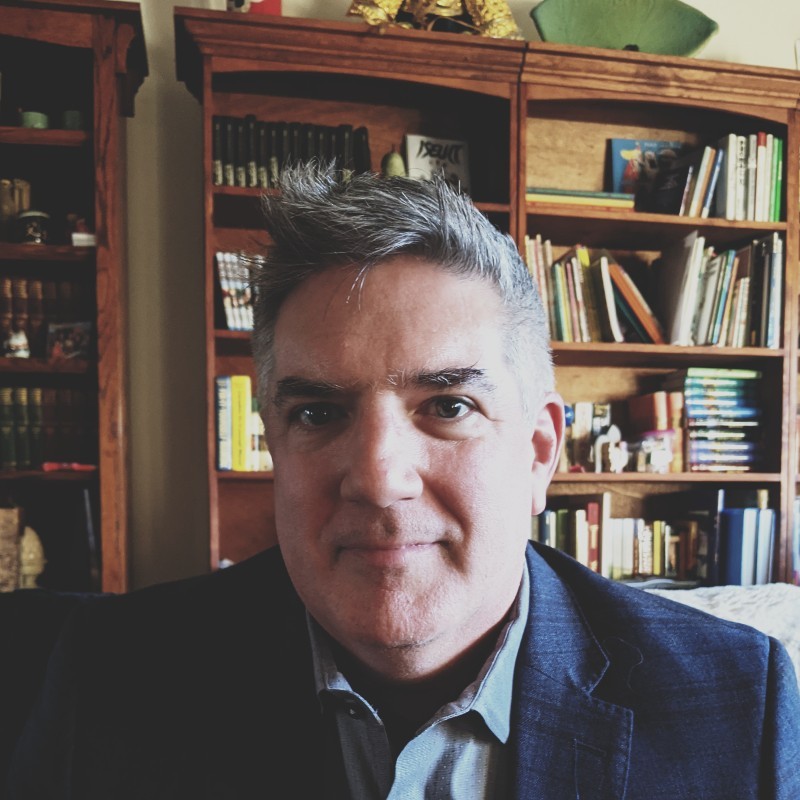
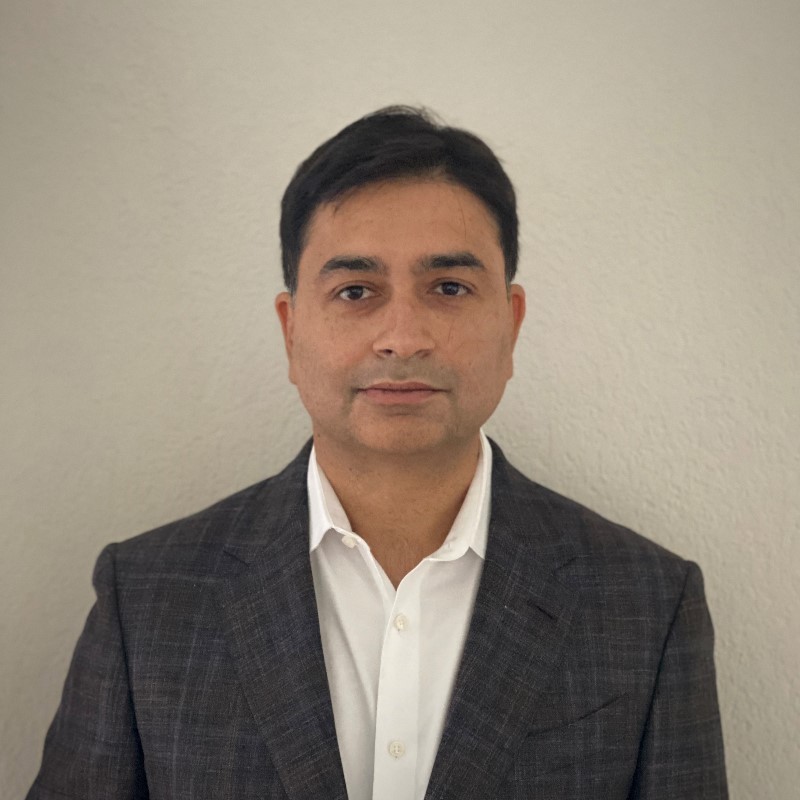
Rakesh Mehrotra, VP of strategy, product management and operations of data center and AI at Intel, and Jonathan Seckler, senior director of server networking, ISG and product marketing, at Dell Technologies, discuss IT infrastructure advancements with theCUBE's John Furrier as a part of Dell's "Is Your IT Infrastructure Ready for the Age of AI?" event.
Seckler and Mehrotra explore the long-standing partnership between Dell and Intel, a collaboration spanning over 30 years in addressing the evolving requirements of data centers. They highlight their shared mission of innovation to tackle enterprises' toughest challenges. The discussion covers the impacts of AI on IT infrastructure and the innovation milestones between the partners.
Key insights from the session include the efficiency and scalability brought by Intel's Xeon 6 processors, combined with Dell's server capabilities. This combination allows for a significant reduction in data center power usage while optimizing AI workflows. This synergy supports new, more efficient server capabilities, optimizing enterprise workloads and underscoring the vital role of technology in modern IT decision-making, Mehrotra explains.
Forgot Password
Almost there!
We just sent you a verification email. Please verify your account to gain access to
Is Your IT Infrastructure Ready for the Age of AI? – EMEA. If you don’t think you received an email check your
spam folder.
Sign in to Is Your IT Infrastructure Ready for the Age of AI? – EMEA.
In order to sign in, enter the email address you used to registered for the event. Once completed, you will receive an email with a verification link. Open this link to automatically sign into the site.
Register For Is Your IT Infrastructure Ready for the Age of AI? – EMEA
Please fill out the information below. You will recieve an email with a verification link confirming your registration. Click the link to automatically sign into the site.
You’re almost there!
We just sent you a verification email. Please click the verification button in the email. Once your email address is verified, you will have full access to all event content for Is Your IT Infrastructure Ready for the Age of AI? – EMEA.
I want my badge and interests to be visible to all attendees.
Checking this box will display your presense on the attendees list, view your profile and allow other attendees to contact you via 1-1 chat. Read the Privacy Policy. At any time, you can choose to disable this preference.
Select your Interests!
add
Upload your photo
Uploading..
OR
Connect via Twitter
Connect via Linkedin
EDIT PASSWORD
Share
Forgot Password
Almost there!
We just sent you a verification email. Please verify your account to gain access to
Is Your IT Infrastructure Ready for the Age of AI? – EMEA. If you don’t think you received an email check your
spam folder.
Sign in to Is Your IT Infrastructure Ready for the Age of AI? – EMEA.
In order to sign in, enter the email address you used to registered for the event. Once completed, you will receive an email with a verification link. Open this link to automatically sign into the site.
Sign in to gain access to Is Your IT Infrastructure Ready for the Age of AI? – EMEA
Please sign in with LinkedIn to continue to Is Your IT Infrastructure Ready for the Age of AI? – EMEA. Signing in with LinkedIn ensures a professional environment.
Are you sure you want to remove access rights for this user?
Details
Manage Access
email address
Community Invitation
Intel
Rakesh Mehrotra, VP of strategy, product management and operations of data center and AI at Intel, and Jonathan Seckler, senior director of server networking, ISG and product marketing, at Dell Technologies, discuss IT infrastructure advancements with theCUBE's John Furrier as a part of Dell's "Is Your IT Infrastructure Ready for the Age of AI?" event.
Seckler and Mehrotra explore the long-standing partnership between Dell and Intel, a collaboration spanning over 30 years in addressing the evolving requirements of data centers. They highlight their shared mission of innovation to tackle enterprises' toughest challenges. The discussion covers the impacts of AI on IT infrastructure and the innovation milestones between the partners.
Key insights from the session include the efficiency and scalability brought by Intel's Xeon 6 processors, combined with Dell's server capabilities. This combination allows for a significant reduction in data center power usage while optimizing AI workflows. This synergy supports new, more efficient server capabilities, optimizing enterprise workloads and underscoring the vital role of technology in modern IT decision-making, Mehrotra explains.
Senior Director, Product Marketing, Server and NetworkingDell Technologies
Rakesh Mehrotra
VP Strategy & Product Management, Data Center AIIntel Corporation
Rakesh Mehrotra, VP of strategy, product management and operations of data center and AI at Intel, and Jonathan Seckler, senior director of server networking, ISG and product marketing, at Dell Technologies, discuss IT infrastructure advancements with theCUBE's John Furrier as a part of Dell's "Is Your IT Infrastructure Ready for the Age of AI?" event.
Seckler and Mehrotra explore the long-standing partnership between Dell and Intel, a collaboration spanning over 30 years in addressing the evolving requirements of data centers. They highlight their sha...Read more
>> Hey, >> Welcome everyone to the
Cube Studio here in Palo Alto. I'm John Fur, your host of the Cube. We're here for the Modern
Data Center event with Dell. I'm joined by John with Jonathan Ser, senior Director server networking at ISG, at product marketing at Dell. And of course, we, Ash is here. He's the vice President of strategy and product Management of
data center AI for Intel. Gentlemen, thanks for coming on the queue. Really appreciate it. Thanks John for >> Having us. >> So the modern data center,
Dave Volante was saying, always saying in the queue,
and he actually said this at, at your event in, in Round Rock, Texas, as a supercycle in the data center, over a trillion dollar market
opportunity back in the data center with a, you know, astounding 15% cagr, the huge growth. You, if you throw
everything in there, power and cooling servers, AI
factories, the num, the amount of growth and the renaissance
in the data center is huge. You guys had a great partnership. Give us an update on where
you guys are doing now, the partnership update
and what's so special now and how's that's continuing. >> You know, that's a great question. I think it's really
important that people look at where partnerships are with all of this growth in the data center, right? I mean, you've got, like you said, just massive growth in the
requirements that customers have. You have energy costs
ballooning, you have the need to bring in alternative
sources of, you know, thermal management and technology to support all of this AI growth. And, you know, by partnering
with Intel and working and Dell, you know, together
we've been working for so long together that we've,
we've had this opportunity to kind of see around the
corner, so to speak, and, and, and predict some of these changes and work on developing technologies that'll benefit our customers. Yeah, >> I mean, cash, I can,
- I can layer onto that, right? Yeah. Look, we've had a
relationship for 30 years in, in this modern age. That is rare, right? I think collectively
we've innovated together for 30 years, I would say. We've been looking around
corners for a long time. And, you know, our goal is to
solve our customer's biggest and toughest problems by innovating and we innovate together, right? We build the world's best processors and they build really good servers, right? I think in, in terms of our
ability to work together, to collaborate and to solve our customers, and especially enterprise
customers problems is the way we succeed together. It >> Has a longstanding, I
mean, generations together, you guys, yeah, it's well documented. Congratulations now more than
ever. A lot of people in it. It's transforming at a big pace, driving business transformation
with the AI wave coming in. How is the collaboration between Intel and Dell gonna benefit those IT leaders who are transforming at the
full on platform engineers? You're seeing a lot of
new data layers emerging. You got the AI factories coming, you have all kinds of stuff. The systems are different, but
the game is still the same. You're on-prem, right?
And it's cloud operations, but I'm investing in on-prem
activity for my operations. That includes big edges, small edges, but now this distributed
computing, it's the same game, but it just looks a little bit different. What's, what does that mean
for the IT decision maker? This relationship between you guys? >> Yeah, I'll let you go first. I, I mean, >> I think it's, it's, you know, I think the way I would say I
would answer that question is I think it's all about solving
problems for our customers. I think collectively, we
listen together, we understand what their problems are, right? They talk to the end customers, we talk to the end customers, and
you look around the corners by triangulating information
from the customers and then looking at what their needs are. And like I mentioned, right,
with they're great servers and our CPUs, right? We can truly solve
problems that customers, enterprise customers are facing today. We anticipate the issues
they're gonna face in the future and then come up with the right solution. And that's the way we innovate and we'll continue to innovate. Yeah, >> And I think it's a, it's a
great statement also, I think that to think about how,
you know, we work together to bring some of these needed
benefits to the end user. So for example, you know,
we've talked about, you know, this growth in requirements
in the data center, you know, Spider-Man in the movie
they talk about with great power comes great responsibility. I think that with great AI
kind of requires great power. Yeah. Right? And, and so the ability to be
efficient is really important. And you know, by, you
know, working on standards to improve efficiency and to leverage each other's
strengths, I mean, we're able to partner now with Intel,
with the introduction of the Zion six processor. It offers, you know, an
efficiency core so that, you know, for workloads that need to be
highly efficient, it's, it's, it's the right platform for 'em. And, and, you know, built
into a powered server gives that combination to, you
know, to our end users. >> What's different on Zon six? How does that play into this wave? Because okay, the game is still the same, but the things are looking
different and better. >> Yeah, I mean, I think,
you know, let me start off by saying we're super excited
about Zion six, right? We improve performance and scalability across every generation. But I can sit here and tell you with a straight phase, Zion six is the best processor
we've ever made, right? It's the world's best CPU
for AI workloads in terms of, you know, it gives us about
50% higher performance with one third the number of
cores for AI workloads, right? And so, so we are super
excited about that. I think the other thing which
we'll say is if you just look at the broader set of workloads, right? We've seen improvements up to
40% across the broader set. And that's a huge number, right? I mean, your customers will and generation Yeah,
generation to generation. I mean, this is one of our,
you know, we've, we've, we've significantly improved
our overall performance and we've done it with also
performance per TCO, right? Because that matters. Cost matters, right? I mean, GPUs are not
cheap, as you know. Yeah. And so with, with our CPUs
up to a certain number of, you know, parameters, you
can run it on Zion, right? And so with that, I'll say,
look, from a TCO perspective, from a a performance
perspective, we are on, we're, I think we're better than about
50% better than a MD again, for certain workloads. And the last thing I'll say
is, last year we had, you know, released our E core pos, right? And then this year we have a P
core, our Zon six P core pos, and we are offering the
broadest set of capabilities for our enterprise customers. And, you know, working with
Dell now, they're being offered to the end customers and, and enterprises should see the benefits of all of this coming together. Yeah. >> And great power was
great responsibility. Talk about the TCO total cost of ownership per watt
is advantages there too. And back to the systems
are getting bigger, they're pulling more power, >> They're
- Generating more heat. So you need to manage
that. What's the update? >> We've seen about 50% improvement. I mean, like I mentioned,
50% lower TCO, right? And then power is a big
component of it, right? I mean, we don't want to get
into the formula of power CV square F we'll keep it there, but, but, but that's what we're,
what we are observing. And so it's a huge benefit. And if you don't need
to run those, you know, trillion parameter models or
super large models, right? Xon is, is a good fit up
to 20 billion parameters. >> So Jonathan, you, you're putting the systems together, right? How's it, what's the impact
of the Zion six to Dell? >> One of the biggest impacts
I see is that, you know, as we see these shifts in the data center, customers are needing
to make room for that, for those new, those new systems. And by using, you know, new
powered servers with Zon six inside, you know, you
can take your, you know, you can take your, your, your
container cluster or your VM or your, you know, your
virtual machine cluster. And you can, you can draw that down. So you know, one server
today can do the work of four or five or six servers, you know, that you might have in your data center. That's a lot of power you're
taking out of the data center, taking out of the production environment or traditional environments
that you can then reallocate back to doing, you know, the
really cool, innovative things around artificial intelligence. >> That's awesome. And, and
I love the relationship 'cause people ride that,
those waves, they get, they take advantage of
these generational shifts. So congratulations on the great process. Can't wait to see some of the, the, the performance numbers in action. I gotta ask the question around what state of the art right now in the
market, you got hybrid cloud, you got AI analytics, so you
can kind of design the system with Zon and everything around it. Chips. Chips are like about
what's around them. Correct. That reminds the old motherboard days. I got a processor and a lot
of other stuff around it. It's still motherboard. Yeah, it's still, it's a bunch of motherboard. They're servers. So how does the new Zon
hit these new workloads? 'cause it's ai, it's analytics,
old school analytics, right? Crunch the numbers. AI could
be training, inference, reinforced learning reasoning, all that
stuff that's happening. And of course, hybrid
workflows have latency around the network, right? What's the impact of Zion there? Well, >> I mean there's a couple
of things that I've, that I think are, are really important. One is that with, you know, with Zion six, you have the latest technology
available for bandwidth and, and, and processing, right? And that means that you, like you said, you can get a lot more done and you can feed, you know,
you can feed the, that AI beast or, or, or the non, or the
traditional workloads as well. Yeah. In a lot faster ways. And as a matter of fact, even
when you do use accelerators, you know, we've just
started shipping Z Intel gaudy three accelerators. And one of the cool things
about Gaudy three is, as you pointed out, you
know, a lot of these GPUs can sit idle because it's, you know, because the data transport
is so quick, but Zon, but gaudy three has integrated ethernet. So, you know, you could
connect your network directly into the accelerator and feed it all the information. And this ethernet is at
800 gigabytes per second. It's like the highest bandwidth
you can get in a, you know, in a network today. So incredible opportunity to, to keep, keep those machines working efficiently. >> Yeah. You know, Jonathan, one
thing about the market right now is people love hardware right now because it's a renaissance
and system architecture. Oh yes. You're starting to see, reminds me of the nineties when you're like, okay, let's build these systems, but
it's like, hold another level and it's moving such fast. Rakesh comment on the workloads, regality shines from
the Intel perspective. Can you share some stats with us and some insight around how
that, how Zion fits in? Yeah, >> I, I think maybe let me just step back and talk a little bit about
Zion six and in the AI and analytics workloads too, right? And so from, from, if you
just think about Zion, Zon is the most deployed AI CPU in the world, right? And if you look at AI
that are, you, you have to segment the market, right? There are two key markets. So that is the classical
machine learning workloads, which is still fairly largely deployed. And I would say Xon is
predominant, you know, is a predominant CPU there. And then we can run inferencing up to 20 billion parameters
on, on Xon, right? So I think from, if you
just look at Zion six, it is the most powerful CPU
for AI in across the board. In terms of, in terms of
Gaudi, I think a couple of things which I'd mentioned with Gaudi. Firstly, it's a purpose
built accelerator for ai. The second thing I would say
is, you know, it's, it's, it's, it has one of the best power performance and also from a TCO perspective, right? It's one of the most optimal, or the, I would say, best
priced performance per TCO accelerator in the market. And if you have to run models
like LAMA 3.1, we've seen benefits up to two x better
performance per dollar with Gaudi versus some of its competitors. So, you know, you get
higher performance up to 30% higher performance for small inputs and large outputs, inferencing sessions. And so now if you combine Zon and Gaudi, I think the
combination of these two right? Gives us the ability in some ways to serve the enterprise
market better than anyone else in out there today. >> Talk about that powerful combination and use cases and examples. Can you guys share how this
plays out as the power comes to the, the processing power or the power, but you know, it's a powerful combination. What are some specific examples?
And you get the power edge. What do you, you guys are in
the market right now for that. What's, what, what can you share? >> Well, I think we're seeing a lot of interest in the open source models, the open source community and you know, especially
around Meta llama lama, you know, LAMA three is a great example. Yeah. But also Misra and some of the other big large language models that are out there, right? Yeah. And deep seek as well. Yeah. And, and that's, and, and that's, that's a great, you
know, again, application for that, that com, that combined platform. The other part of it I think
that, that I should call out is that these platforms are,
you know, have been optimized for the, the Zon and, and
Gaudi architecture, right? Dell has partnered with Hugging face, we announced this about a
year ago, and we've created a, or with hugging face, an
enterprise portal for enterprises to get optimized containers
for all of these models, optimize to the servers,
the Dell powered servers, but also to the specific
accelerators that are in them. And so we will have
gaudy acceler, you know, optimized models, you know,
you know, ready on that, on, on, on huggy face. >> Rakesh weigh in on
the, on the combination because it, it's, it really
talks to what the market wants, AI optimized for the workflows. How do you see that? How
does that playing out the best combination
Zion and gouty together? What's it mean from an
optimization standpoint? AI optimization? Yeah, I mean, >> I think, let me try to unpack this a little
bit for you, right? So what we are doing, right
with Power Edge, you know, the 9 6 8 0 part right? Is like, we are enabling AI
inferencing workloads on KDI three by enabling API calls
that you can directly do on, on, you know, this power edge
infrastructure, right? And so what this enables
us to do is, for example, you have an application
that is running, right? You can not just make an API call to the powered server, right? So it's, it's not, it's very similar and it's compatible with the open AI and the inferencing
serving frameworks will, and they're all based
on VLLM today, right? So, so we are enabling all of that, right? So that's one use case where, hey, you have an application running, you have an OP API into PowerEdge and you can run the application
by using, by, you know, making a call to this through this API. The other thing is the Dell AI factory, I don't know if you
wanna speak a little bit to the Dell AI factory, but
there we are working to love >> That. I got that name by the way, >> Right? On several use cases, again,
by harnessing the power of both our Zon platform and our Gaudi platform to, you know, some of the use cases you've
already heard of like Rag, but there are several others. We are working for, for
example, pipeline, you know, data pipeline cleaning and all
of the other stuff mentioned >> DSC earlier. Rakesh that, that to me points to a total tailwind for the enterprise because they didn't, they had constraints. They didn't have the best models, okay? They didn't have the best
machines, they didn't have the big GPUs that cost zillions of dollars. They did clever software and just like what an engineer would do, they would basically, okay,
what's, what can we do? >> Distilling is a great >> Thing. They distilled it and then what they also did is they
configured it properly. Yeah. So this points to the AI factory because an enterprise doesn't
need to buy them the God boxes or the machines because
they can actually be clever. 'cause every enterprise has
unique requirements, right? So they can buy a factory, they might wanna mix in a
llama here or a model there. They might want to have the gaudy and Power Ridge with some other chips. So it's the design of the
system in a way that Right. Is it friendly? That's what we're seeing. What, what's your comment to that? You guys have any opinion
on kind what I just said? Do you agree with what I said? >> Yeah, no, I, I I think
that, you know that >> Guys, I'm not gonna,
I'm not gonna agree. >> Yeah. I mean, I think
yes, again, I think, I think we totally agree with that, right? Yeah. I think, and it
goes back to, you know, we started this whole conversation with looking around the corners. Yeah. Yeah. I think this is
an example of where we made that happen, right? I think, you know, Gaudi
again is an accelerator. Yeah. Right? And then Zion six, and then, you know, sometimes, you know, things just come on their own and, you know, deep seek
in some ways showed up. And this is a great solution, right? We've already shown deeps
seek work on Gaudi, you know, and this is an example where, you know, our combined partnership
will enable enterprises to build systems that, like you
said, are not awfully expensive and, you know, serve their needs in, in the best possible way. >> Yeah. We've seen this movie before and it has a similar pattern to, you know, the PC revolution when, you know, you had a base functionality,
little optimization, better chips, better system gets
better, software follows, deep seek kind of gives that sign. Now let's tie this to the
benefits to, you know, it decision makers and people who are
designing the platforms. 'cause they're kind of
in this mode of I don't wanna make a wrong bet. I wanna ride the advancement of the curve on the innovation curve. 'cause I wanna write
software that's gonna pace with the hardware. Right? Okay. This is,
I mean, this is kind of what you guys have together, you guys, Intel's involved in every
single piece of the buy here. >> Yeah, yeah. Well, and in
particular the software, right? I think that that's one of the
things that, you know, as a, as the, you know, the
server marketing guy, I like to talk about the server,
but the reality is, is that, you know, it's not, a lot of
times it's thanks to Intel and their investment in,
in the libraries and the, and the code and the, you know, and the tools that make it even possible. Yeah. You know, for
enterprise to do the things that they do at the, you know, within the, the constraints that they have. Right. You know, for a lot of enterprises with, you know, the amount of proprietary or confidential or sensitive
data that they have. Yeah. The cloud is not gonna
be always an option, right? Yeah. But, you know, they
know that they can get that cloud level of performance, right. And that cloud level of, of,
of ease of use, you know, with, with with Dell and Intel. >> Yeah. And Dell, Dell
partnership with you guys for it. Decision maker means what Ride the way, how would you share how
the relationship's gonna go >> With the future? I mean, I think Jonathan
captured it really well, right? For, for, I think for both of us. I mean, Dell is obviously, you know, one of our most critical customers and one of our, we have one of the, like I mentioned earlier, we
have the longest relationship with them, right? I think what we've done now with KDI and with, you know, Zion six right? Is together, right? We have offered our customers,
you know, the best server, which is, you know,
cost, optimize, optimize for performance, and optimize
for the enterprise, right? And, you know, with, and like, well collectively
we have the tools. Yeah. Again, it's Intel and Dell. You know, we can serve their
needs the best way possible. And so we are excited about this and we are excited about the launch. >> Thanks for coming on, Jonathan Rakesh, thanks for joining me
today. Appreciate it. >> Thank you.
- Okay. I'm John Furry. You're here in the Palo Alto Studio with Modern Data Center Event with Dell Technologies and Intel. Thanks for watching.