We just sent you a verification email. Please verify your account to gain access to
Dell Technologies World 2025. If you don’t think you received an email check your
spam folder.
In order to sign in, enter the email address you used to registered for the event. Once completed, you will receive an email with a verification link. Open this link to automatically sign into the site.
Register For Dell Technologies World 2025
Please fill out the information below. You will recieve an email with a verification link confirming your registration. Click the link to automatically sign into the site.
You’re almost there!
We just sent you a verification email. Please click the verification button in the email. Once your email address is verified, you will have full access to all event content for Dell Technologies World 2025.
I want my badge and interests to be visible to all attendees.
Checking this box will display your presense on the attendees list, view your profile and allow other attendees to contact you via 1-1 chat. Read the Privacy Policy. At any time, you can choose to disable this preference.
Select your Interests!
add
Upload your photo
Uploading..
OR
Connect via Twitter
Connect via Linkedin
EDIT PASSWORD
Share
Forgot Password
Almost there!
We just sent you a verification email. Please verify your account to gain access to
Dell Technologies World 2025. If you don’t think you received an email check your
spam folder.
In order to sign in, enter the email address you used to registered for the event. Once completed, you will receive an email with a verification link. Open this link to automatically sign into the site.
Sign in to gain access to Dell Technologies World 2025
Please sign in with LinkedIn to continue to Dell Technologies World 2025. Signing in with LinkedIn ensures a professional environment.
Sam Grocott, Dell & Jessica Audette, MSKCC (Memorial Sloan Kettering Cancer Center)
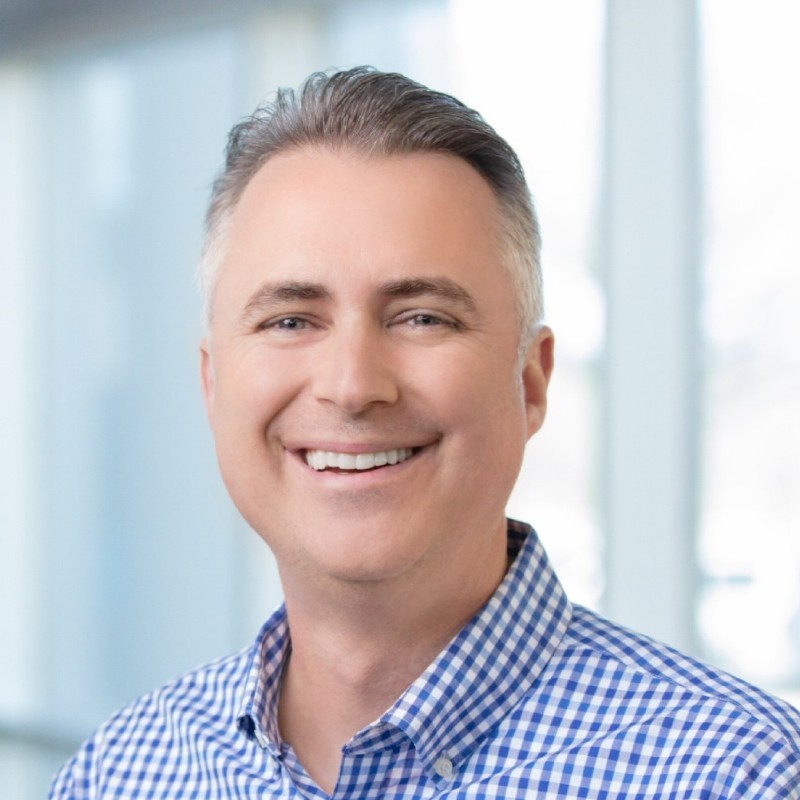
Sam Grocott
SVP, Product MarketingDell Technologies
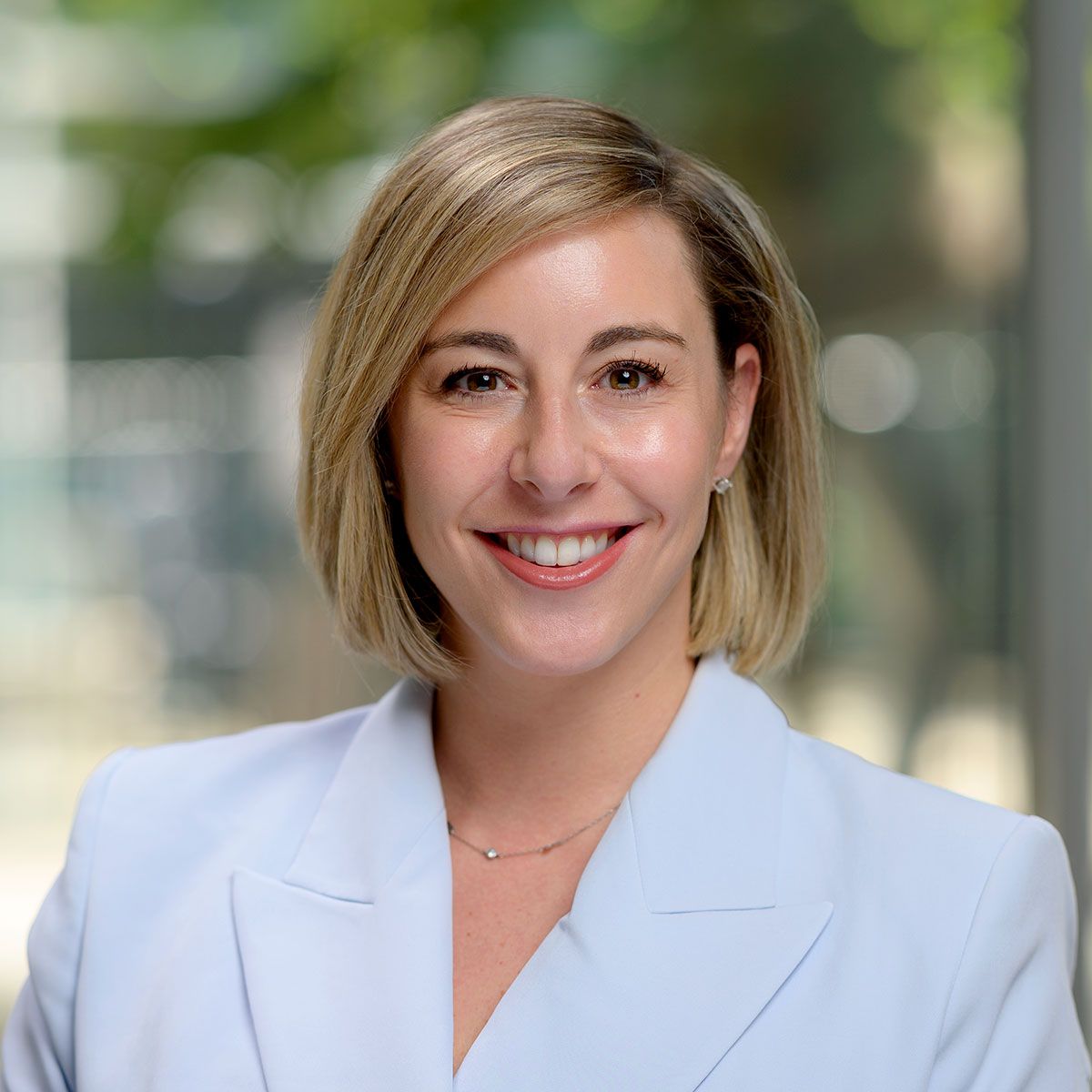
Jessica Audette
Head of HPCMemorial Sloan Kettering Cancer Center
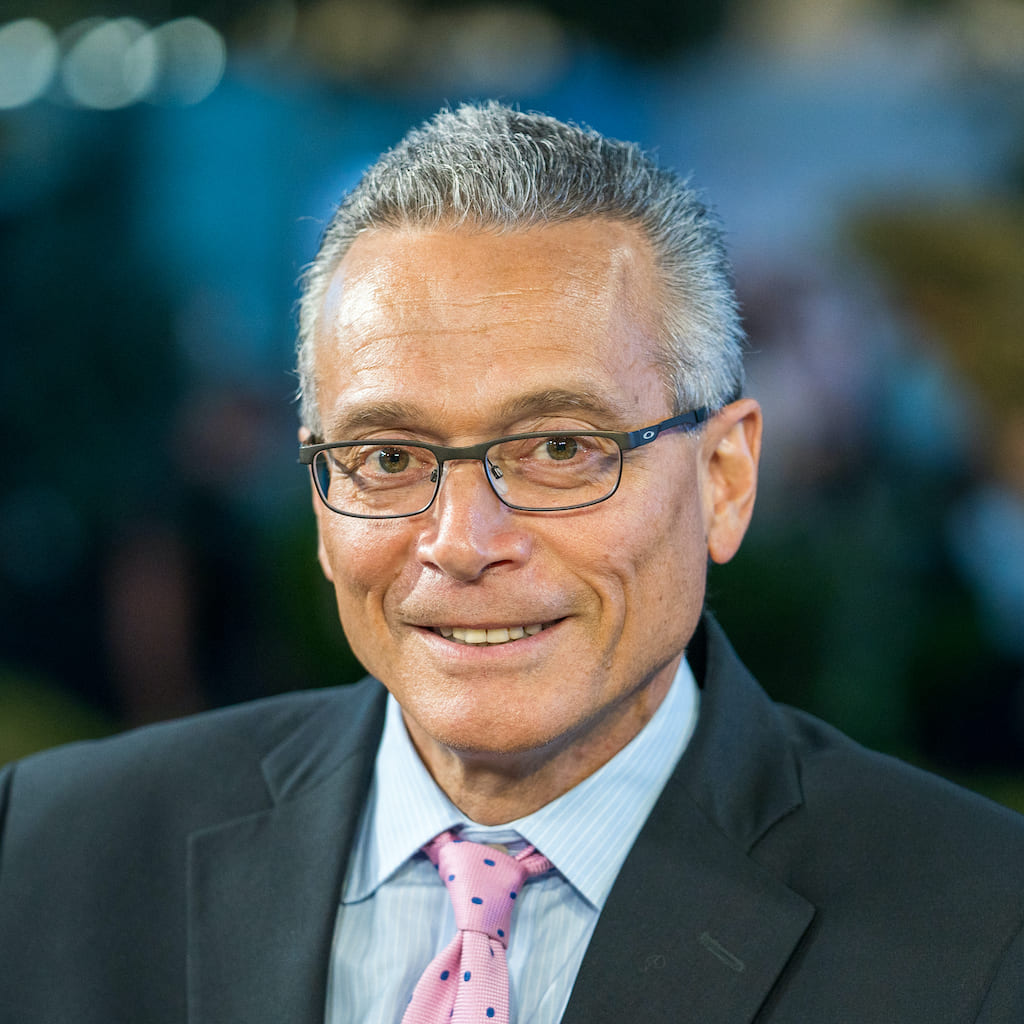
Jessica Audette, head of high-performance computing at Memorial Sloan Kettering Cancer Center, and Sam Grocott, senior vice president of product marketing at Dell Technologies Inc., join theCUBE’s Savannah Peterson and Dave Vellante at Dell Technologies World 2025 to explore how advanced infrastructure is accelerating cancer research. Their discussion highlights the role of AI in transforming oncology outcomes and enabling breakthroughs in high-performance computing.
Audette shares how Dell’s AI-driven solutions are helping accelerate critical oncology...Read more
exploreKeep Exploring
What is the outcome of the FDA-approved clinical trial conducted on 42 cancer patients with rectal cancer?add
What are some challenges faced by organizations like MSK in heavily-regulated environments when it comes to leveraging AI factories and technology that typically start out in the public cloud?add
What is Jess's advice for another healthcare facility, company, or researchers in college looking to get started in onboarding and ramping up their success?add
Sam Grocott, Dell & Jessica Audette, MSKCC (Memorial Sloan Kettering Cancer Center)
search
Savannah Peterson
>> Good evening, Dell Community, and welcome back to fabulous Las Vegas, Nevada. We're here on our first day of coverage. Three days of coverage here on theCUBE at Dell Tech World. My name's Savannah Peterson, bringing you all the latest and greatest with Dave Vellante all week. Dave, no harm to the other panels. This is one of the conversations I'm most excited about having this week.
Dave Vellante
>> You don't want to talk about hockey?
Savannah Peterson
>> We can talk about hockey, but I really want to talk about curing cancer-
Dave Vellante
>> All right. Let's do it-...
Savannah Peterson
>> which is why we've got Sam and Jess on the stage. Thank you both for being here.
Dave Vellante
>> Excited to be here->> Thank you for having us.
Savannah Peterson
>> Thank you.
Savannah Peterson
>> So fun to have you back after Dell Tech world last year. And you, just after Super Computing, it's only been about six months for us. To open this up, as you might remember, both of you might remember, as we close every interview, I ask our guests one final question and that is, "What would you like to be able to say this time next year?" When I asked you this question, last year, Sam->> Oh, you got notes-
Savannah Peterson
>> I got notes, baby. I got receipts on this one. I'm ready. I am prepped for this interview.
Dave Vellante
>> It's going to be trouble.
Savannah Peterson
>> I know. Well, I love this because you said you wanted to be able to say, "Look at these outcomes. Look at this ROI," and to be seated at a table full of customers doing amazing things. Now, how appropriate is it->> Very-...
Savannah Peterson
>> that you have brought Jess to us?>> Yes, our best customer. Yes.
Savannah Peterson
>> One of the coolest stories going on. Jess, I'm going to let you give just a tiny bit of background just in case the audience hasn't caught our SC '24 video, which they should absolutely watch. Talk to us about the Memorial Sloan Kettering work that you're doing and leading and all the innovation happening.>> I would love to share that information. So at MSK, as many of you know, our mission is to end cancer for life. So our team is really empowering the researchers to do the best work possible, focus on their research, and bring those outcomes to our patients. So we take care of the technology and they take care of the science. And together, we have a beautiful marriage that brings treatment and vaccinations and personalized plans to our patients.
Savannah Peterson
>> Which is extremely important and compelling. A lot of times. I'm sure you have a lot of these conversations too, Sam. People talk about, "Well, what is AI going to do for everyone? What's it going to do for the rest of us?" Curing cancer is something we can all agree as something that needs to happen and you gave me one of the most compelling stories and data points that I have. Your soundbite lives rent-free in a lot of interviews that I do as a result of our last conversation. You told me last time that you were able to reduce the time it takes to get a PhD from four years down to three leveraging this technology, because it accelerates research. First of all, that's insane. And second of all, I need the update now.>> So I actually bring phenomenal news for you and I think I have a great story that's going to knock your socks off, but I'm going to give you a little bit of a lead in here. Each year, 45,000 Americans are diagnosed with rectal cancer. Oncologists running research on our supercomputer, conducted an FDA-approved clinical trial on 42 cancer patients with rectal cancer. Today, we have 100% success rate.
Dave Vellante
>> Oh, wow.>> Those 42 patients are in remission. Not only did our oncologists save their lives, but the lives of future generations because three of our clinical trial patients have gone on to have healthy babies.
Dave Vellante
>> Wow.
Savannah Peterson
>> Okay. I don't normally get emotional on the show, but I just got full body goosebumps-
Dave Vellante
>> Shut the conference down. That's it. Mic drop. We're good.
Savannah Peterson
>> 100% success rate-
Savannah Peterson
>> 100% success rate.
Savannah Peterson
>> We're all nerds, 100% of anything doesn't happen very often. That is so incredible. Congratulations to you and the team.
Savannah Peterson
>> Thank you.
Dave Vellante
>> Well, that is the KPI in healthcare->> Yeah-
Savannah Peterson
>> Right? You're talking about ROI and what is AI doing, this is a real-life use case of AI changing the world for good and saving lives. It's->> It's priceless. It really is....
Dave Vellante
>> wild-
Savannah Peterson
>> It is.... >> and so rewarding to be supportive of an environment that does that so-
Savannah Peterson
>> And this is what it's all about.
Dave Vellante
>> Yes.
Savannah Peterson
>> We're not doing all this tech stuff just to keep talking about space and fees. We're doing it to save lives. So explain to me, Jess, just exactly how you were able to do that and the role that the Dell AI factory had in that.
Dave Vellante
>> So our researchers are constantly looking for the cutting edge and the way to conduct their research in the most efficient way possible. And its speed increases return to discovery, which increases turn to diagnosis, which increases the speed to delivering those diagnoses to our patients, and then ultimately treatment and cures. So our cluster has been extremely powerful in yielding those results. And ultimately, those treatments we're getting to our patients and yielding those types of success rates. And providing those types of treatments, which circumvent some of the traditional treatments which could have negative impact on our patient's fertility, they were able to continue the generational impact.
Dave Vellante
>> So->> Yeah. And to add onto that-
Savannah Peterson
>> I'm just so moved by that. That's amazing.
Savannah Peterson
>> Yeah. I know. I just want to thank you, Jess, for your partnership. MSK is just a great partner. Great working with you. You've been a fantastic advocate for cancer research and obviously, the Dell partnership, so thank you for everything.>> Likewise.>> We've been working for quite some time now. And I think one of the other things that really resonated is at Dell, we have a very strong bias to on-premises infrastructure, the power of data and information. Especially when you get to personal information, personal data, research data, and I think that's another big opportunity that we see. Whether it's an MSK or others, how can we leverage AI factories and technology that, let's be honest, typically defaults start out in the public cloud? We see most of those factories start in very small POCs. Organizations like MSK or others in the healthcare financial services, heavily-regulated environments, they don't have that opportunity to always take advantage of the cloud opportunities. So it's really finding a great balance of an opportunity to deliver a secure, trusted solution that can help just play a very small part in these amazing discoveries and 100% rate that you've discussed. So I think we played a little part, but proud to be a part of it.
Dave Vellante
>> Well, all this stuff has to run on something.
Savannah Peterson
>> Yeah. Yeah.
Dave Vellante
>> What do you need from Dell? Is it resilience? Is it run faster? Is it run faster, cheaper? What are the things that you look for in a partner like Dell?
Dave Vellante
>> So I think that there have been a lot of unknown challenges that weren't necessarily apparent to us the last time we spoke. So we have a new administration which means currently we're facing more restrictions on funding. So we have to get really creative in the ways that we're providing solutions to our researchers. Whether it be run faster at less of a cost, the institution investing their funding as opposed to the researchers so that they can use their hard-earned dollars to bring on additional postdocs or whomever will help them advance their research. So I think it's a mixture of all of those items and trying to blend it into a beautiful bouquet that makes it all happen for us.>> I think one thing that certainly resonates is the flexibility of how fast you can scale up and scale down, especially in workloads like HPC and research where it's not always pegged to the max. You've got these dynamic workflows that have the ebbs and flows. I think that the dynamically scalable nature of the infrastructure also plays a benefit as well.>> Yeah. I think it's like scale, safety of the data, resiliency, reducing variabilities and downtimes, and support. And so, we get a lot of that in the infrastructure that we have today, which is wild. It's great.
Savannah Peterson
>> I'm curious, Jess, when you're sharing this technology with these researchers and with your team, what is the response like as they're starting to use all these new tools? I mean, it seems like you're able to give them a new utensil in their toolkit all the time thanks to partners like Dell.>> So I may have mentioned in the past that we have a group of research technology engineers and our solution engineers will work closely with the researchers to understand what their needs are. And I've mentioned that they'll translate that science into a technological solution. So they've been an integral part of our team to help us identify what are those needs and what do we need to bring to the table to support them. And it may be as simple as an open source software to something that scales all the way up to a licensed software or a new type of GPU resiliency and backups in our storage. So we are working closely to identify all of those items on the forefront, staying at the cutting edge.
Dave Vellante
>> So I think it was Ray Kurzweil who said if we live to 2050, we're never going to die. I'm not sure I want to live to 2050 if that's the case, but it's mind-boggling-
Savannah Peterson
>> We are going here, Dave? Can't wait to see where we're going next->> Yeah. announce this today. Yes.
Savannah Peterson
>> Yeah, yeah, yeah.
Dave Vellante
>> Okay. So where we're going is... I mean, everybody says we're in the early innings of AI. You guys just created this amazing outcome. So what can we expect? I mean, what are you going to attack next?>> So our cluster primarily is de-identified data. So our next plan of attack is to support a PHI cluster so that there is an integral overlap between our basic science scaling all the way up to clinical. We have a wide array of AI use cases on our cluster, ranging from training large visual models to support our OR surgery staff in real-time, all the way to identifying AI segmentation on organs at risk. And that really improves the business efficiency and patient efficacy. I think the sky's the limit. I mean, obviously, with funding exceptions. If we can push the envelope and the boundaries to discovery and support our researchers in doing that, I don't know that there isn't something that they couldn't do. We have brilliant minds at our research institutions so-
Dave Vellante
>> Well, and you think about things like penicillin which were discovered right by accident->> Yes.
Savannah Peterson
>> Like most drugs honestly-
Dave Vellante
>> Like most drugs. Right. Madam Curie. I can't wait to see what kind of discoveries AI makes or humans make with AI.>> Yeah. Absolutely. I mean, there is no limit and even the discussions we have today, it's just really inspiring. I think from the Dell perspective, Jess and her team have done such an amazing job to lead the way. They're a bit of the tip of the spear in terms of research HBC capability. We need this to frankly trickle down and to get into the masses. And bring this type of technology solutions where not just MSK but other organizations, maybe at lower scale with different profiles of talent, capabilities. Our mission in this, and really the mission of this event, is to really get broader enterprise AI adoption into the masses. So we've had a tremendous amount of success working with the best, and MSK is certainly one of them, Jess's team, but we've got to get it everywhere. Because if you can bring the collective horsepower of all these organizations working to try to drive to the outcomes that we've gotten with MSK, the sky is the limit. So we've got to scale and replicate across the industry and that's what we're... I think that's an area where Dell can certainly help as well.
Savannah Peterson
>> Yeah. I think so. Absolutely. You mentioned, Sam, Jess and her team being the tip of the spear. They absolutely are. Jess, I'm curious, what is your advice for another healthcare facility, company, researchers in college right now watching this interview and thinking, "Oh my goodness. I'm very excited about this."? What's your advice for them to getting started in that onboarding ramp up to see the kind of success you've had?>> So I think all of us being techies, we get really deep into the technical. But as you start to level up to leadership and show them what your needs are and trying to advocate for your customer. And in our case, it's the researchers, it's honestly showing our organization what the positive outcomes of what they're doing and what would stall if we didn't and we'll not be able to support them. There are so many different use cases from pediatrics to different oncology classes and things that they're just... There's so many things going on in our organization that would ultimately halt if they didn't have what we can provide for them. So my advice for folks is jump in both feet first. Do not wait and stall. It's really to engage with your partners, have an understanding of what's available out there. Understand the workloads and what will work best for your users. But then, really show your leadership what that business use case and the ROI on that business will look like. And I think, ultimately, you'll see positive results from your leadership, that they'll be excited about that as much as you are.
Savannah Peterson
>> I think that's a great point and I think you just brought up something that's critical too, is you can leverage your partners. Let Dell be the technology expert. Call up your partner and say, "Hey, Sam. We really want to approach our dataset differently to do some research for whatever that might be-">> That's right....
Savannah Peterson
>> and then have the ability... I mean, that's what you all are there for, right?
Savannah Peterson
>> Yeah. Absolutely. And getting more success stories like MSK and others as it starts to replicate spread throughout the industry, everybody's been struggling to find that hero use case, that ROI, that business case, especially in the enterprise. So I think sharing stories like this and others are really going to start to inspire other organizations. And frankly, give them a kick in the pants to get going. Because going slow or being second or last, that's going to limit the amount of innovation and, in this case, cures that we can achieve as a combined organization.
Dave Vellante
>> Yeah. I mean, my perspective on this is enterprises are getting so much stuff thrown at them and it's like, "Okay. Here's LLMs. Oh, here's agents," or, "Here's multiple agents," and, "Here's reasoning." It's like, "Whoa. How do I buy..." But I feel like it's going to be this massive productivity boost. It's almost like local area networks, if you remember back in the day. "We need a LAN." "Well, what's the business case?" "I don't know. We just need one." And all of a sudden, everybody started collaborating and communicating.>> I look at it like back when the Internet came on. You got to remember... I mean, how many organizations said, "Hold on? I'm not sure the Internet's going to be a big deal. Let's wait and watch." I mean, you feel sorry for them now. It is such an obvious must do top priority for every company out there. If you're sitting back, relaxing, competitively, you're not going to be competitive. You're going to get passed up really quickly. To me, it's those organizations that chose to wait at the Internet, you can't wait on AI. You got to go now and go fast.
Savannah Peterson
>> You absolutely do. You're right. Which brings us to our favorite concluding question here, because time has already flown by. I know. Believe it or not, Sam, I'm going to go to you first since I opened with your this time next year answer from last year. What are you going to be telling us in 2026?>> I actually think, and it's a bit buzzy, so everyone's talking about agentic starting to happen. Just like last year, AI was starting to happen. I said, "No, I'm going to be back. We're going to have real customer examples, real partner examples." That's this year. Next year is you're going to have real exciting, agentic AI workflows that truly, autonomously, take very complex tasks from start to finish. That's going to happen faster than people think right now. I think there's a bit of pause or unsure. I think that's going to go way faster. And then, it's something personally I'm very excited about. Shopping agents, I think, are going to happen overnight. It's shifted to agent shopping, transacted at the LM provider. That'll be commonplace in a year.
Savannah Peterson
>> What do you want them shopping for you?>> Clothes is good. That's always a good start. DoorDash and food is great. Then, of course, I'd love to see Dell laptops being transacted online via shopping agents. It's-
Savannah Peterson
>> I love that. So my agent will deliver my 2026 model for me?
Savannah Peterson
>> It will know you so well. It will give you the exact size, speed, scope, the price point. It'll just deliver for you. Absolutely. That is not as far off as people think.
Savannah Peterson
>> I love that. I love that, Sam, and I think you've made a safe bet on your prediction for next year. I think it's great.>> Okay. All right. We'll see.
Savannah Peterson
>> Jess, what about you, darling?
Savannah Peterson
>> I hope that we can come back next year and tell you that we have our PHI cluster up and running. And that we are able to deliver enhanced care to our patients and continue saving lives leveraging AI.
Savannah Peterson
>> I'm very confident you're going to be able to do that and I->> I hope so....
Savannah Peterson
>> I cannot wait to continue telling the story. Thank you both so much for taking the time.
Dave Vellante
>> Thank you both.
Savannah Peterson
>> Such a->> Thank you-...
Savannah Peterson
>> always.
Dave Vellante
>> Thanks, Jess. Thank you, Sam-
Savannah Peterson
>> And thank you, Dave, for hanging on this ride. Well, I'm just excited. It's always a blast.
Dave Vellante
>> You bet. It's good.
Savannah Peterson
>> And I hope you're feeling as inspired as we are and maybe optimistic that all this technology might actually cure cancer. We're here in Las Vegas, Nevada at Dell Technologies World. My name's Savannah Peterson. You're watching theCUBE, the leading source for enterprise tech news.