We just sent you a verification email. Please verify your account to gain access to
MWC25. If you don’t think you received an email check your
spam folder.
In order to sign in, enter the email address you used to registered for the event. Once completed, you will receive an email with a verification link. Open this link to automatically sign into the site.
Register For MWC25
Please fill out the information below. You will recieve an email with a verification link confirming your registration. Click the link to automatically sign into the site.
You’re almost there!
We just sent you a verification email. Please click the verification button in the email. Once your email address is verified, you will have full access to all event content for MWC25.
I want my badge and interests to be visible to all attendees.
Checking this box will display your presense on the attendees list, view your profile and allow other attendees to contact you via 1-1 chat. Read the Privacy Policy. At any time, you can choose to disable this preference.
Select your Interests!
add
Upload your photo
Uploading..
OR
Connect via Twitter
Connect via Linkedin
EDIT PASSWORD
Share
Forgot Password
Almost there!
We just sent you a verification email. Please verify your account to gain access to
MWC25. If you don’t think you received an email check your
spam folder.
In order to sign in, enter the email address you used to registered for the event. Once completed, you will receive an email with a verification link. Open this link to automatically sign into the site.
Sign in to gain access to MWC25
Please sign in with LinkedIn to continue to MWC25. Signing in with LinkedIn ensures a professional environment.
Paul Savill, Kyndryl & David de Lancellotti, Nokia
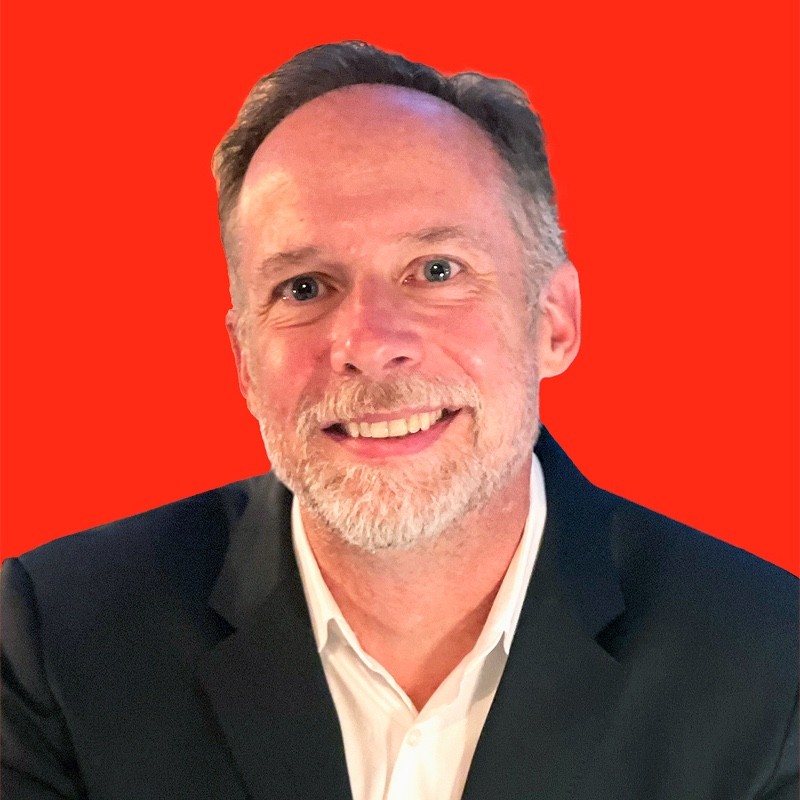
Paul Savill
Global Practice Leader for Networking and Edge ComputeKyndryl
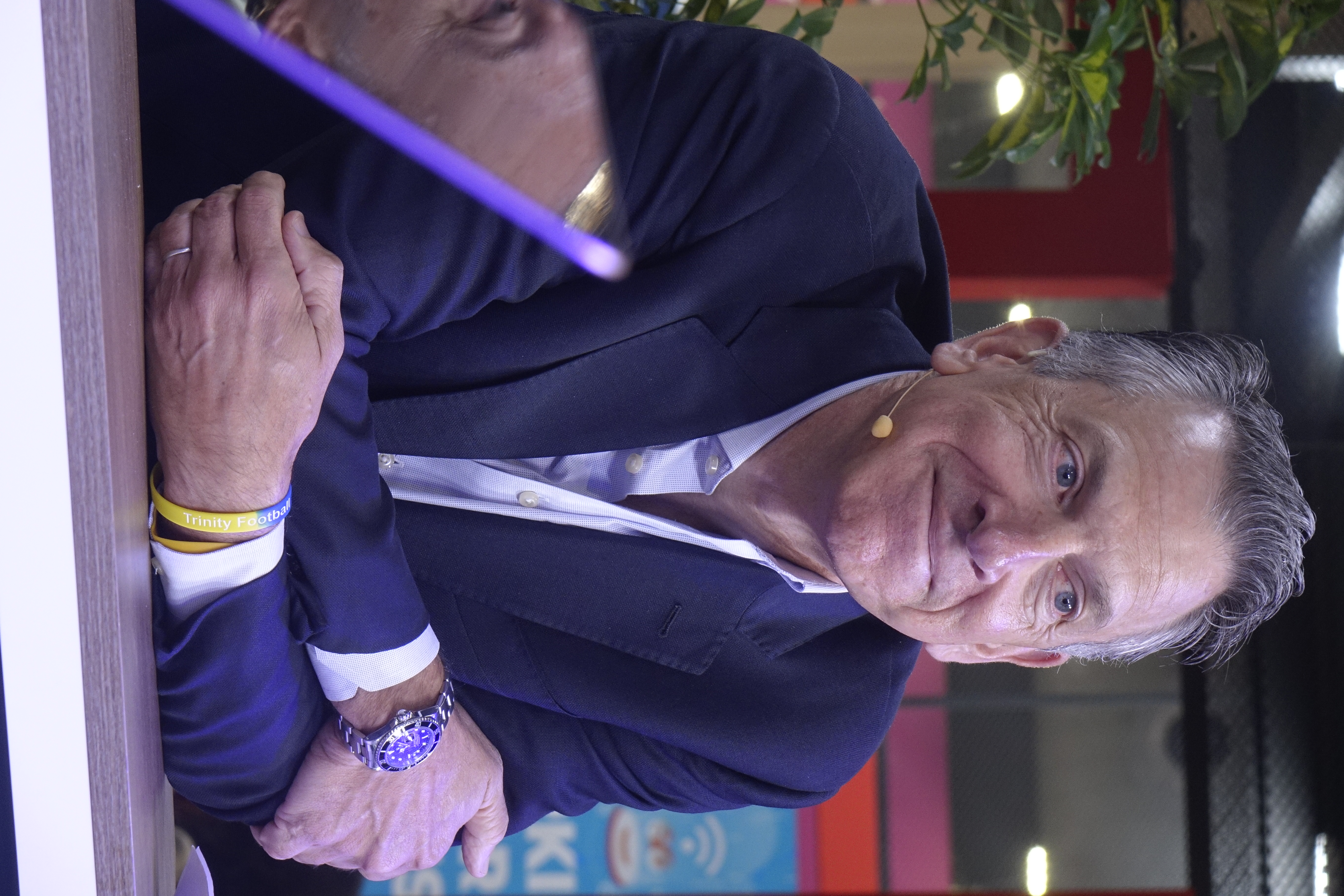
David de Lancellotti
Vice President of Enterprise Campus Edge Business, CNS Cloud and Network ServicesNokia
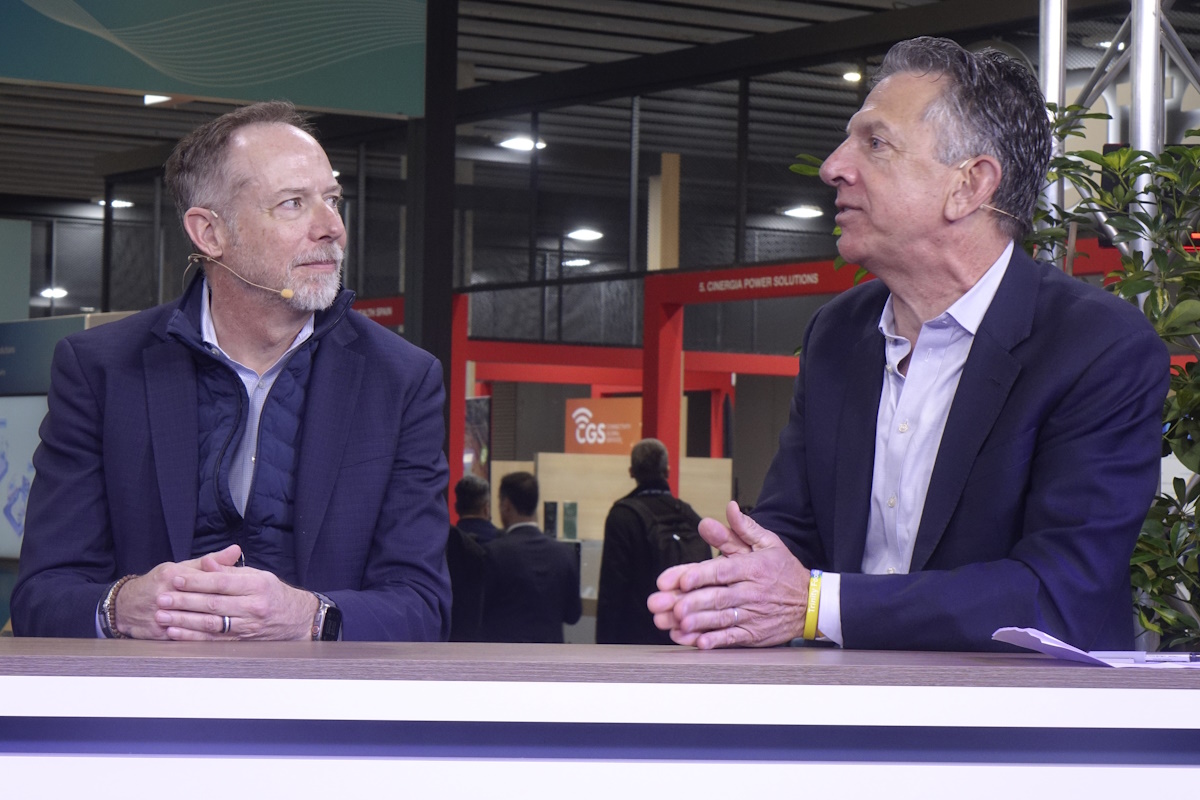
Paul Savill, a senior leader at Kyndryl, teams up with David de Lancellotti from Nokia to delve into their collaborative initiatives at MWC25 Barcelona. The discussion, facilitated by theCUBE analysts, Savannah Peterson and Dave Vellante, centers on their private 5G partnership, exploring customer stories and strategies for industrial edge solutions. Savill and de Lancellotti emphasize the synergy between Kyndryl's system integration prowess and Nokia's cutting-edge networking technology, offering complete solutions that align with customer needs.
Ke...Read more
exploreKeep Exploring
What were the reasons for partnering with Nokia in the 5G space?add
What are some of the challenges in understanding the true size of the private 5G market?add
What fuels AI and what role does edge play in the future of information accumulation and gathering?add
What is Nokia's strategy in the private network and private wireless space and how do they plan to differentiate themselves?add
What is the regulatory environment doing to address security exposures in enterprises with critical infrastructure?add
Paul Savill, Kyndryl & David de Lancellotti, Nokia
search
Savannah Peterson
>> Good morning CUBE community, and welcome back to Barcelona, Spain. We're here for our third day of live broadcast on theCUBE
at Mobile World Congress. My name's Savannah
Peterson, joined for all of these fantastic segments
with Dave Vellante. Dave, the conversations just seem to get more and more interesting. >> Yeah. I have PTSD from when
I got my backpack stolen here
Dave Vellante
>> and I lost my passport in Barcelona, but it's all good.
Savannah Peterson
>> It's all good. You got
your wallet yesterday after that situation. >> I did. I had it in the
safe. I'm very careful now.
Savannah Peterson
>> Never hurts to be safe.
Dave Vellante
>> I mean, we talk about security
in our roles here in the telco world, in the tech world, but also when it comes to
literal, physical objects. >> I know, and I'm a pretty
experienced traveler, so... I
Dave Vellante
>> literally had my backpack right there. I turned around, boom, it was gone. Do not let go of your backpack overseas, or even the US anymore.
Savannah Peterson
>> Important words of wisdom from Dave Vellante to start off this segment. Speaking of important words
of wisdom, we're about to get a lot of them
from our next two guests. Thank you both so much
for being here, Paul and David, it is great to have you.
David de Lancellotti
>> Thanks.
- Thanks, Savannah.
David de Lancellotti
>> Thanks for having us.
- Yeah, our pleasure.
Savannah Peterson
>> You guys are doing so
much cool stuff together.
Paul Savill
>> We're going to talk about multiple aspects of the partnership. We're going to dig into
some customer stories. We're going to be talking
about industrial edge. I can't wait for it. To open things off, let's talk about the private 5G partnership that y'all got going.
David de Lancellotti
>> Sure.
- And Paul, you want to kick us off?
Paul Savill
>> Sure. Yeah. So a few years
ago, we decided to partner
Savannah Peterson
>> with Nokia around the 5G space. We thought that it was a natural
fit for the two companies to start working together, because Nokia makes some of the best networking technologies. We know that because we spent a lot of time evaluating their
technology and testing it ourselves and proving it on the customer. But the other reason why the
partnership really worked for us is because we're so complementary in the
capabilities that we bring. So Nokia really brings the
tech, the hardware tech, the knowledge in the space
around the wireless networking, and we bring all of the
system integration that ties it all together with the rest of the customer's IT infrastructure. So the combination of those
two things really enables both of our companies to provide
a really complete solution to meet whatever the
customer's trying to achieve.
David de Lancellotti
>> Yeah. I mean, partnership... Sorry, you
probably want to introduce me. >> No, no, go. Please, please, please.
Savannah Peterson
>> No, no, go for it. You're good. >> Awesome. Yeah, I mean,
David de Lancellotti
>> we spent a bit of time yesterday talking. We are at a partner event and Paul and I had a chance to
talk on stage together, and partnerships are really unique. You need to be able to,
whether it's a marriage or whether it's positioning
private networks together, you need to be able to
be very complementary. You need to be able have open
and honest conversations. Sometimes things are great,
sometimes things get difficult. When you do that, if
you have a transparent and open relationship, you
kind of drive it forward. So Kyndryl and Nokia are very, two dynamic companies, two complementary companies, and together we're much better
than we are, them trying to position something, a setup solution, or maybe us kind of go direct. Us going together and utilizing our best foot forward together
is always a better thing. >> And when you evaluated
the market, I mean,
Dave Vellante
>> everybody talks about, the
big telcos talk about 5G and monetization, and we are hearing, maybe
it hasn't worked out as they planned, but
private 5G clearly has legs. So when you guys looked at the market, there was obviously alignment there on the opportunity. I wonder if you could... >> Well, actually, wait. I
want to just build on that,
Savannah Peterson
>> because when we were
doing our prep call, one of my takeaways was it's actually hard to understand the true size
of the private 5G market because of customer sensitivity. So when you're talking
about looking at the market, it's actually more convoluted
than looking at most markets. >> Yes. Right. So how did you guys align
Dave Vellante
>> and squint through all
that sort of confusion? >> Well, there's a lot of analyst
reports that they pretend
Paul Savill
>> to know exactly how big the market is, and I'm not so sure how
accurate they are on that.
David de Lancellotti
>> Very true. - But one thing
that we generally do agree,
Paul Savill
>> maybe we're not precise in
understanding the total size of the market, but we do
know what is happening, and what is happening is that
this adoption is growing fast, and it's expanding around the world. Other countries opening up spectrum to allow these types of configurations. And I think the market fit made
sense between the two of us because Kyndryl really, our main enterprise base is large
multinational corporations. They trust us to manage
critical infrastructure. And the thing about Nokia is that their wireless solutions
really fit well in those types of environments where you have mission- critical infrastructure
running things like big industrial plants,
dangerous chemical processes. And that's one of the
reasons why we felt like going at specific market
segments like that with Nokia made a lot of sense. >> Makes sense.
- And enabling, when you look at an oil
David de Lancellotti
>> and gas plant, like you're talking about,
Savannah Peterson
>> the first thing we
enable is worker safety. People have to be safe
in what they're doing. It also helps pay the bills, because if everyone's safe,
the plant operates 24/7, it doesn't have to stop. If the plant operates
24/7, what's it doing? It's making money. So workers
are safe, the plant's enabled to be collaborative and
the plant's making money. Those are really all
critical things, again, that we do better
together as a partnership.
Dave Vellante
>> And worker safety, that's a key metric. That's a KPI that board
meetings start with.
Paul Savill
>> That's right.
- It's like table stakes,
Dave Vellante
>> but it's vital, sustainability.
Paul Savill
>> It's a KPI that regulators watch. So I mean, they're really laws, I mean, these companies can face
huge penalties if they have a certain amount of worker safety incidents. So it's important all the way up to that. >> And rightfully so.
- Yes, rightfully so.
Savannah Peterson
>> Yeah. No, I think
that's really interesting.
Paul Savill
>> But there's a lot of complexity.
Savannah Peterson
>> I mean, I'm looking at some
of the numbers you have for these deployments. 28,000 digitized
documents, which is insane, and access to 3,000 mobile
devices, deploying coverage for sites that are 20 square miles. I mean, that's a lot of
people with a lot of access to knowledge that aren't
flipping through things, have it at their fingertips
where they need it now. This really enables people to help do their best work as well, too. >> For sure. Yeah.
- And that's just at one location.
Savannah Peterson
>> Wow. - Okay? That's not
like, all over the world.
Paul Savill
>> That's just an example in one location.
Paul Savill
>> And the reason that that
is so important is because
David de Lancellotti
>> whenever you eliminate all of that paper and you give information to people right at their fingertips, at the spot when they need
it, where they need it... >> Real time, instant.
Savannah Peterson
>> Then what that does is...
Paul Savill
>> This is an interesting, I
learned through this experience. What that does is, it keeps
people from walking around, because they don't have
to walk around as much, because it's instantly at, they're there. And there's a direct correlation
between limiting the amount of time people are walking around to reducing safety incidents. It's almost a one-for-one ratio. So that's why that
stat is so important. >> Wow. That's a really interesting piece
Savannah Peterson
>> of data. Holy moly.
Paul Savill
>> Yeah, I mean, if you're only walking around five miles a day
instead of 10 miles a day, your worker safety incidents... >> And you're more
productive at the same time.
David de Lancellotti
>> Right, exactly.
- Especially when it's all so critical.
Savannah Peterson
>> Everybody feels better.
- You're
Paul Savill
>> half as exposed as you were before.
David de Lancellotti
>> And you don't feel like
you're wasting your time, which
Savannah Peterson
>> I think is also really mission-critical.
Savannah Peterson
>> Yeah.
- How long does it take you
Savannah Peterson
>> to do deployments like this?
David de Lancellotti
>> A single deployment can be
done over several weeks, right?
David de Lancellotti
>> Yeah, getting it from
beginning to implement. >> Pretty quickly.
- Yeah, pretty quickly.
David de Lancellotti
>> We can also, if someone
wants to kind of just come in
Savannah Peterson
>> and get a sense of what
it is, we can get a proof of concept set up in a matter
of a day or two, as well. And that gives you a
flavor of what to expect. And sometimes those POCs, proof
of concepts, end up staying, or end up being something
that we build on as well.
Paul Savill
>> Yeah, and talk about the partnership. One of the things that we
did in our partnership is that Nokia provided us with
little mini mobile units that we deployed all over
the world in our operating environments, so that our
engineers could be ready to go do a quick proof of
concept on site in a matter of a day or two's notice. >> Another layer of the
partnership right there, right?
Savannah Peterson
>> Absolutely. Yeah.
David de Lancellotti
>> And I think he alluded to
the global piece as well. So Kyndryl is a global organization. Nokia is a global organization as well. So we are not just looking
at things in an oil field in Texas, but it could be a
mine in the Philippines, or it could be a manufacturing
facility in Europe. We are, together, we're going after things that are
really on a global basis. >> And the scale,
Dave Vellante
>> because you're global companies,
you're able to handle... I see a chemical company
digitized 28,000 documents. Another one, mobile
access on 3,000 devices, and it says coverage across up to 20 square miles.
Savannah Peterson
>> And like they said,
that was just one site. That's what we were just talking about. >> Right.
- I mean, that's one example,
Dave Vellante
>> But to your point about
global, so you're able to, you
Savannah Peterson
>> think big, and you're able to
do this at a massive scale.
Dave Vellante
>> Absolutely.
- Yeah. That's one of the great value
Paul Savill
>> propositions that we bring together also,
David de Lancellotti
>> because this, you think of a
large multinational corporation like Kyndryl serves. They don't want to do a
snowflake deployment in each of their plants around in
different places in the world. They want some consistency
in the way that that operates and how it integrates with
their back office systems. They don't want to invent
it for every single plant and make it a one-off
for every single plant. And so, that's the benefit of having two global organizations team up to provide a solution that can
be copied all over the world. >> Because the marginal cost here goes down
Dave Vellante
>> as you deploy at scale.
David de Lancellotti
>> Yeah, and scale is
really what it's all about. For Kyndryl and Nokia to be really
ultra successful together, when we're talking to
one of the many customers that we work together
on, it's not about doing one or two deployments. It's about, Mr. Customer, how do we look at
20, 30, 40, 50 of your plants? And, right, to scale
up the model together. It's more cost-efficient, but it's also all the key learnings that you can get across
these are really, really, really critical when you're
looking at doing a deployment bigger than one or two sites.
Savannah Peterson
>> Absolutely. And we're talking about a lot of different edge devices. I know your edge partnership
is really critical and also helpful in this scenario. What is it that makes the
edge such a wonderful place for both of you to play in?
Paul Savill
>> Well, the edge is
wonderful for us to play because it ties into Kyndryl's mission to support our customers up
and down the entire IT stack. And the edge is really the future of where information's going to
be accumulated and gathered, because all these
operations that have sensors and all of this information, today, much of it just gets dropped
on the floor and not used.
Savannah Peterson
>> 50% of data is at the edge.
- That's right.
Paul Savill
>> And you think about
how much time we spend
Savannah Peterson
>> thinking about the data
that's not on the edge. This is why I'm super excited to talk
to you guys about this. >> So when the world starts
adopting AI, what is it
Paul Savill
>> that AI really needs? What fuels AI is data and
information, accurate data. And so, that's why edge plays
such an important role in what's going to happen with the AI transformation that companies go to. >> We actually even consider
ourselves a far edge player.
Savannah Peterson
>> Tell me more about that.
- We know the hyperscalers are
David de Lancellotti
>> going to own the edge space,
David de Lancellotti
>> and then the far edge
space is where we're going to sit with our equipment. And when we're looking at the far edge and we have our equipment
there, we're not just looking at connectivity. What we're really looking at, and again, what this partnership
brings is, what can we do beyond connectivity? For us, for Nokia and how we're unique in the
marketplace is everybody, our competitors really look
at connectivity as the play. But for us, connectivity
is just an application that sits on our far edge device. There's so many other
applications that sit there, whether it's worker safety
applications, AI applications, unifying Wi-Fi and your 5G together. Wi-Fi is not the enemy here.
It's not Wi-Fi versus 4G or 5G. We have applications that
sit on our Far Edge server that combine both of them together, that utilize both technologies. So when we talk about the edge or far edge, we're also talking about the beyond connectivity play,
and that's really how Kyndryl and Nokia separate themselves
from the competition. It's talking about
something more than just how do you connect the device.
Dave Vellante
>> It's very interesting
how you phrased it. I like this near edge and far edge, because we talk about a lot. And I also liked the way AI
was one of many attributes. We made a prediction in
our, earlier this year, we said AI inference at the
edge will show meaningful revenue in 2025. I'm not sure how we're
going to measure that, kind of sticking our necks out there, but I want to ask you, we
haven't talked much about AI, which is kind of refreshing, actually.
Savannah Peterson
>> I was thinking that.
- Yeah.
Savannah Peterson
>> Concur.
- But the idea,
Dave Vellante
>> and Nokia obviously is a player here,
Dave Vellante
>> and the device is low power, being able to run small language models at the edge. Is that something that actually you think
will show meaningful revenue in 2025?
David de Lancellotti
>> Absolutely. I mean, by
the way, Nokia itself has, we are the market leader
in the private network space, in the private wireless space. We'll continue to be that. We'll continue to grow that because we're just not
talking connectivity, because we have a great
partner like Kyndryl. That's how we're going to continue to differentiate ourselves. When you just talk connectivity, you kind of talk yourself into kind of pricing game and a me-too game. But when you start taking
the customer on a journey and actually solving
problems for the customer, you totally differentiate yourself.
Savannah Peterson
>> Let's hang out there for a second, because that was going
to be my next question.
David de Lancellotti
>> See, I knew it.
- Yeah. We're on the
Savannah Peterson
>> same wavelength here, David. We're locked in. You, too. Don't worry. I am curious, just because our audience
might not be as familiar with the delineation
between the various edges, can you give us some customer examples of what far edge means?
David de Lancellotti
>> You want to take that,
or you want me to grab it? >> Well, far edge to us means
Paul Savill
>> that you're really placing
compute very close to the point of digital interaction.
David de Lancellotti
>> Yeah, or on top.
- That's really where far edge is,
Paul Savill
>> because they can talk about dropping compute in a metropolitan area, and it serves a big,
wide range of markets. But this is very, very localized. And eventually, as this
technology continues to evolve, as quantum computing comes along
too, we're going to be able to start pushing AIs to
be more and more localized and start to run, eventually,
AIs on that far edge to provide very specialized operations. I mean, imagine an AI that
sits on the factory, in that 20 square mile factory
production facility, that becomes an expert at
managing the power distribution through there, to optimize
that, to make it more efficient. That's the future that we're working for.
Dave Vellante
>> I see as lack of human high touch. It could be a windmill, right? There could be a device in a factory. Ideally, I'm not doing truck
rolls. I'm eliminating that. And it is connected. That's kind of the starting point, but then there's so much of
a value chain above that.
David de Lancellotti
>> For sure. For sure.
I can give you a day- to-day example of how... I hate to use the word AI.
Dave Vellante
>> Bring it.
- I'm going to get you on this,
David de Lancellotti
>> but in the worker safety space. So right now, we have real examples of equipping workers with IoT
devices and utilizing AI, and keeps workers safe on the facilities. If their hat's off, if
they're in the wrong part of the plant, if they're not
wearing the right corrective safety gear, AI lets you know
it, and it's really clear. And that's an application we have today that's running on our NDAAC Mixi server, and it's a real-time,
real-data, real application.
Dave Vellante
>> The human is the edge.
- Yeah, exactly right.
David de Lancellotti
>> We are the open exercise.
- I have to revise my
Savannah Peterson
>> definitional thinking.
David de Lancellotti
>> I like that. Can I steal that phrase?
Dave Vellante
>> Oh, yeah, please.
- We definitely are. I mean, think
Savannah Peterson
>> about wearables.
Dave Vellante
>> Think about anything that's connected. Think about RFID in sports
jerseys when you're thinking about AI and sports, whatever that is. We are the edge, quite literally, and this is how most people are going to get the most value out of AI. It's not going to be browser-based for every single human
being on this planet. It's going to be... And not even just AI. Technology in general
right now, it's going to be because there's a greater
value in using the products or solving the things that
they're doing already in their environment, and then they have more time to think strategically or be creative or whatever it is that comes next. >> Yeah, absolutely.
- Which is really exciting.
Savannah Peterson
>> What's next for you guys?
David de Lancellotti
>> This is a very exciting partnership. I'm so stoked
you're sitting here.
Paul Savill
>> Yeah. Well, we continue, I mean, we're continually evolving the way that our capabilities are
integrating with each other. We're also bringing in additional
partners into the equation and starting to do integrations there with the technology,
with our capabilities. We're certifying additional interactions and engagements with back office
systems that customers, so that we can basically make it much easier to expand the range of solutions
that we can quickly deploy for customers on-site. >> Yeah. - Yeah. I think for
us, it's just going into more
David de Lancellotti
>> and more different marketplaces.
Savannah Peterson
>> What's the next great
retail outlet that's going to utilize our stuff? What's the next great warehousing chain that's going to do it? What's the next great data center that needs private networking? I think for me, the way I just,
really in the last few days and looked at it is, security is becoming quite
the use case, as opposed to worker safety or sustainability. Just securing the network. Again, not to knock our friends in Wi-Fi, but we have data center applications now that are looking at
security as a use case, and that's also another great application. >> Well, the stat you have about this study
Dave Vellante
>> that you guys did at Kyndryl,
saying half of the mission- critical business technology is outdated or nearing end of life. I think of critical infrastructure,
as obviously we all do. Maybe we don't think about it enough, as a security exposure. How do we address that?
Savannah Peterson
>> Yeah.
- Well, I'll tell you,
Paul Savill
>> the regulatory environment
is starting to force it. Regulation around security
in the past had largely been focused on personal information, protecting people's personal information. Now, governments are realizing
that there are enterprises that have critical
infrastructure to the operation of the benefit of the
people of their countries. And this infrastructure, if it
has security exposures, then that can be a threat to
the citizens of a country. So, new regulation is working through that's now being focused on
making sure that enterprises that performing critical functions and safety issues, that their
infrastructure is secure from outside hacking intervention. And that's a big role that we play, because we're, a big
part of our business now, and in my area, one of the biggest parts that's growing fastest,
is addressing that issue, helping customers understand
the legacy technology that they have in their networks,
where the exposures are, and then giving them a roadmap and a plan and a financial business
case to clean all of that up in a way that
makes sense for them.
Savannah Peterson
>> Yeah, it makes a lot of sense. I've got two last questions for you. What is the reaction as you
deploy these solutions within, going down to that person
who's working in this plant or in this factory? Are people receptive to
the technological upgrade? I know sometimes when we retool, there can be a
little bit of resistance. >> I think people are mostly just blown
David de Lancellotti
>> away by the automation. >> Oh, I love that.
- Yeah.
David de Lancellotti
>> I mean, if you look at, I
know Paul was talking earlier
Savannah Peterson
>> about you guys are bringing up this large footprint scenario. Well, these people before were using paper and pencil to get the stuff, and now when everything's
on a pad on a notepad and you can look at it and do
it, that's an impact, right? Or if I can check a car that's coming off a
dock, that's an impact. Or if I can automate a self-driving
vehicle in a mine, were before I had people deployed and down there, that's
not very safe, is it? Speaking of worker safety.
So the impacts are prevalent and clear and concise from day one, right when you turn the network on.
Paul Savill
>> And let me add to that
because, just to make a plug, if you want to go to Kyndryl. com, you can look under customer stories and you can see people, our customers, actually talking about the personal impact that the technology made on their lives in some of these videos. >> Oh, I'll have to check that out.
Savannah Peterson
>> So, yeah, check that out and ask them.
Paul Savill
>> We'll have some of on. We'll
have to do a whole little
Savannah Peterson
>> series on that. It would be very cool. Because I do, sometimes
these conversations can get stuck in a lexicon, in a dialogue
that's very C-suite heavy, and that's not necessarily a bad thing, but it doesn't necessarily
welcome everyone to our discussion, our
dialogue, and to get to learn and to be a part of that. So I think it would be super cool. All right, last question for you, because this has been fantastic. When we're hanging out at
Mobile World Congress in 2026, what do you hope to be able to say then that you can't say today? Paul, I'm going to start with you.
Paul Savill
>> I would say, I'd love to be able to announce some additional industries that we've expanded these use cases into, and how it's helped those customers, how technology adoption in
these new segments are panning out for them and helping them.
Savannah Peterson
>> Love that. We look forward.
- 100%. I would say,
David de Lancellotti
>> we're back here a year from now and we're a more productive, safe and secure industry than
we've ever been before, and we have many customers
that are happy because of it. I think it would be a great
outcome a year from now.
Savannah Peterson
>> Fantastic. Well, we look
forward to telling both of those stories, or all those stories. It's actually a whole
basket full of stories. Paul and David, thank you so much for taking the time.
Busy week for you all. >> Thank you, Savannah. Thank
you, Dave. Thank you very much.
Paul Savill
>> Great work you're doing. Thank you.
David de Lancellotti
>> Yeah.
- Thank you, Dave,
Savannah Peterson
>> and thank all of you for
tuning in wherever you might be
David de Lancellotti
>> enjoying these fantastic
conversations from today. We're in Barcelona, Spain, day three of Mobile World Congress. My name's Savannah Peterson. You're watching theCUBE,
the leading source for enterprise tech news.