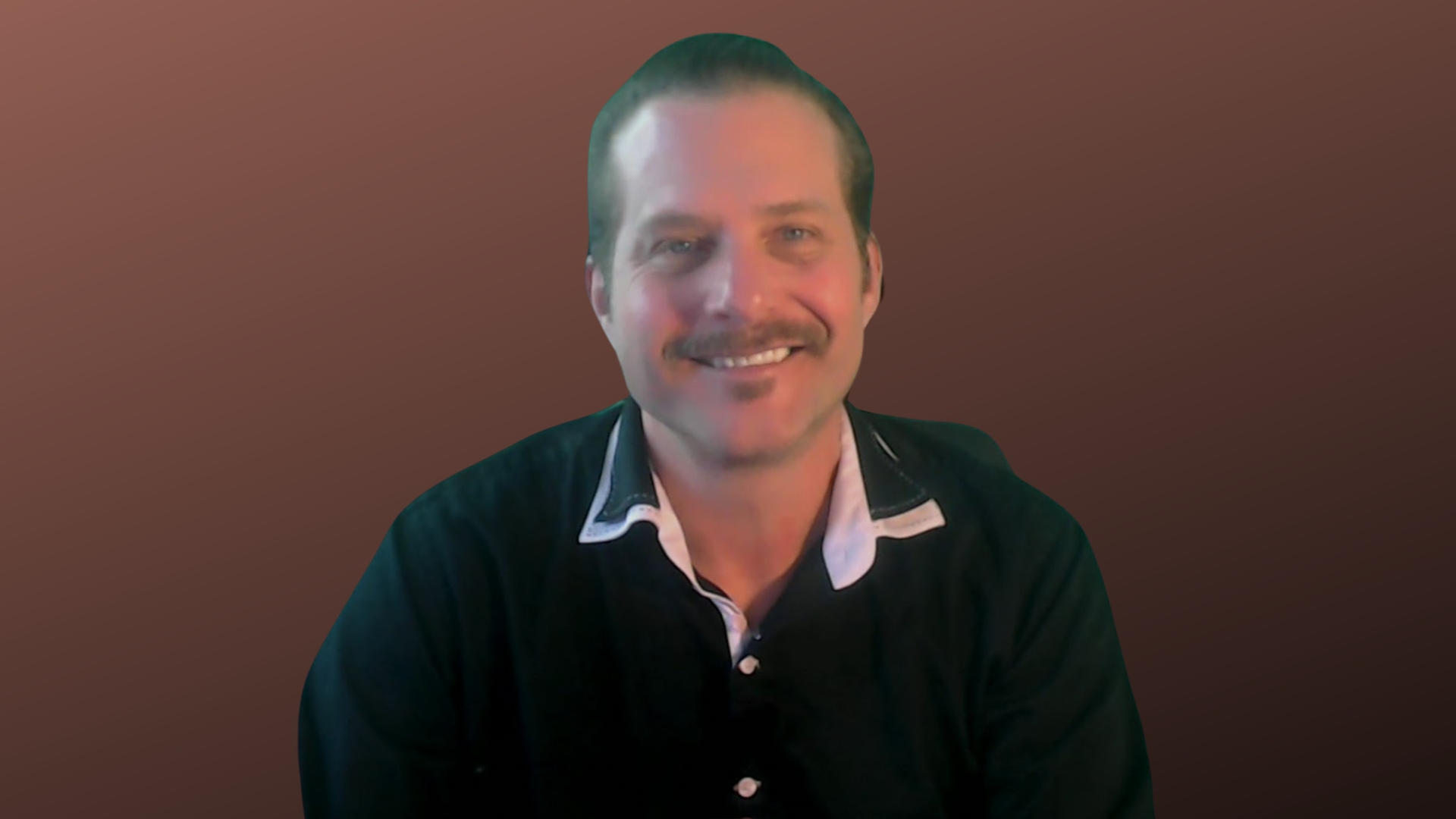
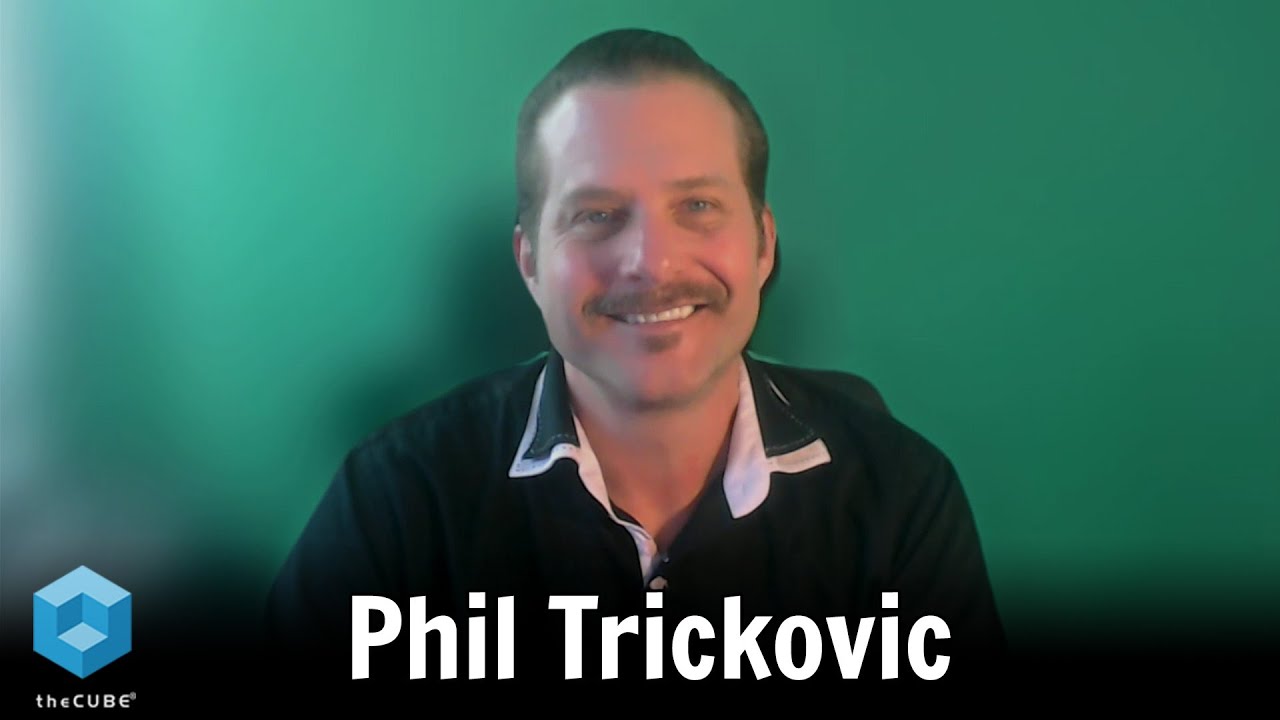
In this session from the AppDev Done Right Summit, Phil Trickovic, SVP and GM at Tintri, joins theCUBE Research’s Paul Nashawaty to discuss how Tintri is redefining modern infrastructure for the application development lifecycle. Trickovic outlines how Tintri’s AI-driven platform simplifies storage and boosts developer productivity across Day 0 [build], Day 1 [release] and Day 2 [operate] phases, with native support for both hypervisors and containers.
The conversation explores key challenges such as infrastructure complexity, talent gaps and the rising demand for real-time observability. Trickovic shares real-world examples from customers deploying AI-native apps and using Tintri as a force multiplier for lean infrastructure teams. He also offers exclusive insight into Tintri’s new integration with Platform9, enabling live VMware migration and hybrid readiness. As enterprises look to scale DevSecOps, Tintri’s approach delivers smart, scalable simplicity with object-aware storage, CI/CD alignment and performance-aware operations.
With AI transforming expectations and infrastructure moving toward frictionless design, Trickovic emphasizes that success hinges on letting go of legacy methods and embracing cloud-native, automation-first architectures. Whether you're modernizing with Kubernetes or bridging hypervisors and containers, this interview delivers must-know insights from the edge of AppDev innovation.
Forgot Password
Almost there!
We just sent you a verification email. Please verify your account to gain access to
AppDev Done Right Summit. If you don’t think you received an email check your
spam folder.
In order to sign in, enter the email address you used to registered for the event. Once completed, you will receive an email with a verification link. Open this link to automatically sign into the site.
Register For AppDev Done Right Summit
Please fill out the information below. You will recieve an email with a verification link confirming your registration. Click the link to automatically sign into the site.
You’re almost there!
We just sent you a verification email. Please click the verification button in the email. Once your email address is verified, you will have full access to all event content for AppDev Done Right Summit.
I want my badge and interests to be visible to all attendees.
Checking this box will display your presense on the attendees list, view your profile and allow other attendees to contact you via 1-1 chat. Read the Privacy Policy. At any time, you can choose to disable this preference.
Select your Interests!
add
Upload your photo
Uploading..
OR
Connect via Twitter
Connect via Linkedin
EDIT PASSWORD
Share
Forgot Password
Almost there!
We just sent you a verification email. Please verify your account to gain access to
AppDev Done Right Summit. If you don’t think you received an email check your
spam folder.
In order to sign in, enter the email address you used to registered for the event. Once completed, you will receive an email with a verification link. Open this link to automatically sign into the site.
Sign in to gain access to AppDev Done Right Summit
Please sign in with LinkedIn to continue to AppDev Done Right Summit. Signing in with LinkedIn ensures a professional environment.
Are you sure you want to remove access rights for this user?
Details
Manage Access
email address
Community Invitation
Simplifying Smart Infrastructure with DevSecOps and AI-Native Development
In this session from the AppDev Done Right Summit, Phil Trickovic, SVP and GM at Tintri, joins theCUBE Research’s Paul Nashawaty to discuss how Tintri is redefining modern infrastructure for the application development lifecycle. Trickovic outlines how Tintri’s AI-driven platform simplifies storage and boosts developer productivity across Day 0 [build], Day 1 [release] and Day 2 [operate] phases, with native support for both hypervisors and containers.
The conversation explores key challenges such as infrastructure complexity, talent gaps and the rising demand for real-time observability. Trickovic shares real-world examples from customers deploying AI-native apps and using Tintri as a force multiplier for lean infrastructure teams. He also offers exclusive insight into Tintri’s new integration with Platform9, enabling live VMware migration and hybrid readiness. As enterprises look to scale DevSecOps, Tintri’s approach delivers smart, scalable simplicity with object-aware storage, CI/CD alignment and performance-aware operations.
With AI transforming expectations and infrastructure moving toward frictionless design, Trickovic emphasizes that success hinges on letting go of legacy methods and embracing cloud-native, automation-first architectures. Whether you're modernizing with Kubernetes or bridging hypervisors and containers, this interview delivers must-know insights from the edge of AppDev innovation.
Simplifying Smart Infrastructure with DevSecOps and AI-Native Development
Phil Trickovic
SVPTintri
In this session from the AppDev Done Right Summit, Phil Trickovic, SVP and GM at Tintri, joins theCUBE Research’s Paul Nashawaty to discuss how Tintri is redefining modern infrastructure for the application development lifecycle. Trickovic outlines how Tintri’s AI-driven platform simplifies storage and boosts developer productivity across Day 0 [build], Day 1 [release] and Day 2 [operate] phases, with native support for both hypervisors and containers.
The conversation explores key challenges such as infrastructure complexity, talent gaps and the risin...Read more
exploreKeep Exploring
What are the reasons for Tintri's importance at the AppDev Summit?add
What are the current challenges in the market related to AppDev and infrastructure, and how can smart infrastructure be simplified?add
Simplifying Smart Infrastructure with DevSecOps and AI-Native Development
search
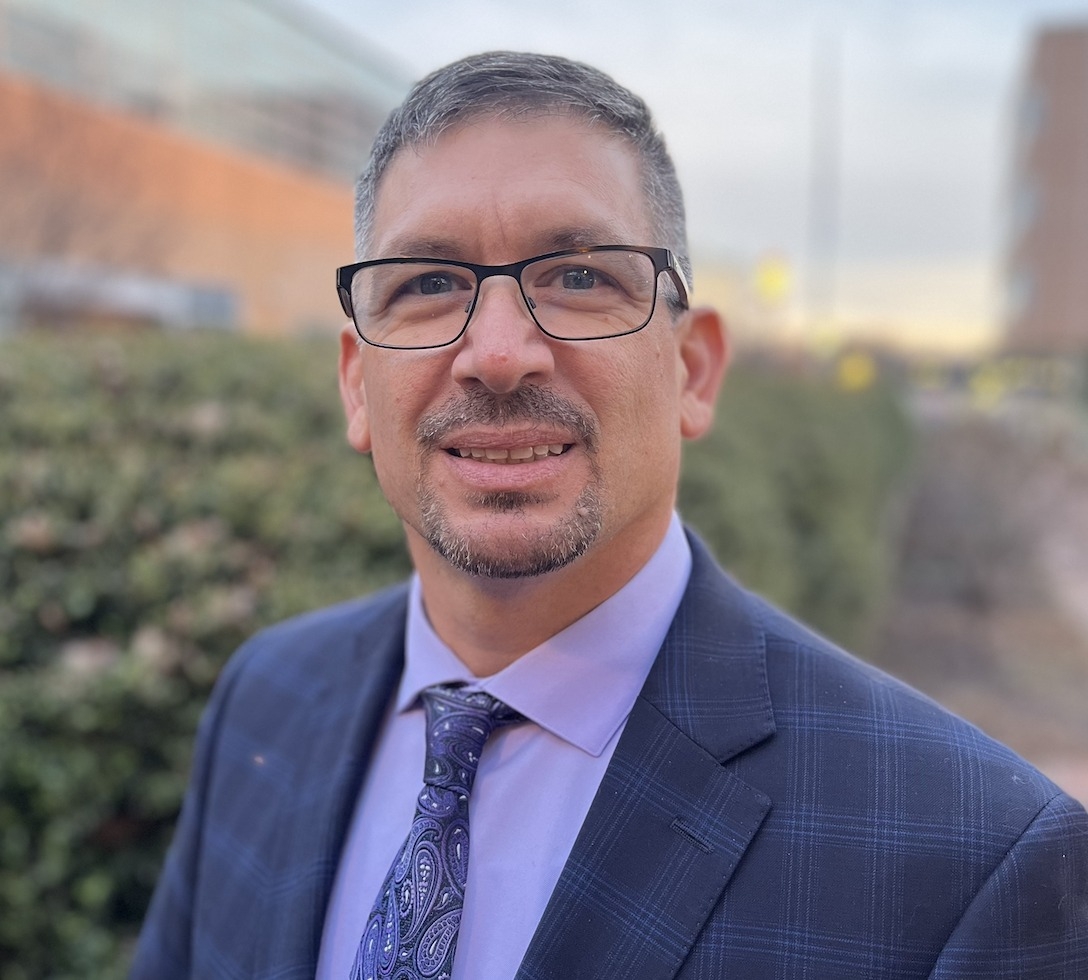
Paul Nashawaty
>> Welcome to the special edition of the AppDev Summit Series, where we are diving deep into trends, tools, technologies that are shaping the modern application development landscape. During today's theCUBE AppDev Summit, we are seeing powerful convergence of platform simplicity, developer productivity, AI acceleration and DevSecOps first thinking. I'm really excited to have Tintri and Phil on at this session today. It's really awesome to have you here. Welcome, Phil. Welcome to the show.
Phil Trickovic
>> Hey, thanks for having me back, Paul. I'm happy to be here. It's been a minute. I'm Phil Trickovic, I am the SVP and GM of Tintri. Tintri is the world's first AI-developed appliance. We've been on the market commercially since 2012. Most people know of us for our special handling of hypervisors, which we have now extended over the last three, four years into the container space.
Paul Nashawaty
>> Yeah. And that's why I'm so excited for you to be part of the AppDev Summit because where Tintri brings that modern infrastructure, delivering that intelligence via where a kind of storage purpose built appliance or application centric , it really is an important part of the growing and accelerated adoption of the Kubernetes ecosystem. Tintri's automated data-driven platform, it plays big into the Day 0 to Day 2 plus the scalability and operations as well as enabling DevSecOps to optimize performance and security across the entire application lifecycle. So awesome to have you on the show today. Really great to have you here. I think Tintri brings a lot to the AppDev Summit. So let's jump right in. There's a lot talking about the infrastructure challenges, right? These are pressures that are accelerating software development. As you know, my focus is around AppDev. I deal with past, present and future of bridging the old and new together. The research that we fielded was really driving a lot of the awareness of challenges that are in the market today. We were seeing tools and talent gaps across hybrid and AI native environments is a big area. And there's also fragmentation and observability in storage infrastructure. So Phil, I'd love to get your perspective from Tintri into how you can simplify smart infrastructure and help these challenges that organizations are seeing.
Phil Trickovic
>> Okay. No, that's a great point, Paul. And that is probably the number one obstacle besides understanding talent pool, et cetera. But understanding that hypervisors aren't going anywhere, right? I think we talked about that last time. That's going to be with us for the foreseeable future or the rest of my lifetime anyway. But now you have this new methodology of delivering applications coming up, right? So what was Tintri in a weird way, we were very lucky because we were designed for object awareness at the lowest level that is extended into what you're doing with containers. That's required to do any of this at scale and at an expense that's tolerable and actually profitable for businesses to deploy. So we remove those obstacles, day one out of the gate. It's aware of what you are doing, it's aware of the objects that you're placing them, et cetera. And it can become a very, very integral part of your CI/CD workload.
Paul Nashawaty
>> Yeah, absolutely. And when we look at the CI/CD workload, the research is telling it, right? We see that application cadence is important. Infrastructure needs to be frictionless. It needs to be smooth for the platform engineering teams and the AppDev teams to do their jobs. We're seeing the faster releasing of code. KPIs from businesses are accelerating. In fact, we're seeing that 24% of organizations want our release code on an hourly basis, yet only 8% are able to do so. And a lot of the challenges they're running into is a complex infrastructure. So this is where legacy infrastructures really can't meet that modern development needs. They're siloed, they're monolithic. They only work for those siloed applications. And when we look at this, the days, Phil, when I think back of the days of submitting a help desk ticket and waiting three days for somebody to pick it up and responding to it and then waiting another three days for something to happen, those days are long gone. That's not a thing anymore. We recognize that in the research. We see that there's a need for platform-aware storage and application alliance for systems. So Phil, I really want to kind of get into the conversation around not just faster deploying of applications, but as infrastructure's expectations are evolving, AI is a big part of this, and hybrid environments are going mainstream. What are your thoughts around storage as code and managing Kubernetes environments and hypervisor environments? What are your thoughts around this?
Phil Trickovic
>> That's happening everywhere and it's interesting. I'm going to digress and bring in a company that we partner with because I can probably explain this better without graphics, referencing a new application. So there's a company called Pix Force, we spoke about them before recently. They're a partner of ours for delivering camera vision and a bunch of other sensor-based applications, primarily for industrial monitoring of personal protective gear, what have you, people wearing the right things. If they had tried to develop this entire application stack on a hypervisor-based infrastructure or on a whatever, legacy type system, they wouldn't be a company right now. So the speed that they gain with training, if you look at the flow of how they actually train models, where they'll say an oil rig. They're monitoring for oil in the air, oil in the water and monitoring the environment for protected gear or whatever's supposed to happen. That has to be trained constantly. Every day the things change. Talked in the last session a little bit about superposition, I'm using the wrong word, but I don't know how else to represent a steady state of the way things are supposed to be in nature. The way they've done this with this new architecture, with Tintri, with these applications it's the only IO that happens is when something changes, right? You're not going to do that if you put a bunch of servers, laptops, video cameras on-site and have to monitor it. It's not deliverable that way. Or it is, it's going to cost you a hundred times what their experience costs. So the outcome, the application outcome and it delivering actual results to businesses has to be done in a new way that is aware of the objects and every change that happens in the application stack. Otherwise, you can do it on legacy things. You can. It's going to cost you. Where it's a thousand bucks for them it's going to be a million there.
Paul Nashawaty
>> Yeah. Also, it's not just about financial impact, it's about other things like security and optimization and all the efficiencies that you gain by moving towards a modern tech stack. But let's put this into a real world impact because when we think about, you and I can sit here and talk tech all day long, and we can talk about the impacts of the market and such, but customer successes are really where... That's where the proof's in the pudding. And when we look at customers leveraging Tintri to improve these workflows, performance and scale operations, there is support of AI IDE vendors. There's automation and delta tracking for data sets and integrated workflows. And during our briefing, we talked about how Tintri, and I love this, the comments that were made, is a force multiplier for lean infrastructure teams. Love that kind of statement. Can you expand a little bit more on some of these real-world use cases and the customer successes that people are taking what we're talking about and implementing it to to design?
Phil Trickovic
>> Absolutely. Unfortunately, I can't use their name, but if anybody wants a reference or a talk point, reach out to Paul and he'll get you in touch with me. But the world's largest AI vendor right now, I believe it's one of the largest companies in the world, their IDE environment is produced on Tintri. So everything that is produced for those types of environments requires very, very in-depth object tracking, change tracking, security, who's touching what, where's it going? And it's thousands and thousands and thousands and thousands and millions of objects, cannot be managed in a legacy manner or by an individual person, it's that large. So we're obviously having tremendous success delivering that environment to that manufacturer. So we're very deep in that space on knowledge based on how to do these properly, best practices to avoid pitfalls. And if done properly, it's going to realize tremendous value to the end user across the entire tech.
Paul Nashawaty
>> Yeah, absolutely. And that's an example of taking the tech and applying it to business value because it's not like... We can sit here and talk about all the coolness and all the greatness. Throughout our careers we both have developed a lot of cool tech. We've seen a lot of cool tech come and go, and some of it was really good, but it just didn't really apply to market. This is where it applies to market. We see in the research that friction, complexity and skill gap issues of challenges, Tintri's approach simplifies that. But I do want to talk about this because Tintri's approach is different than the market. There's a crowded infrastructure market out there. And when we look at the crowded infrastructure market, whether we're talking about adaptive infrastructures that learn from app behavior or in simplifying force for complex and distributed environments, but I also want to almost touch on the one piece here, the VMware piece. It's kind of changing and things are shifting. VMware was leading edge at one point in time, but it seems to kind of be changing up in the market. Can you touch a little bit about that from the perspective of the AppDev Summit and why that's important to day zero, day one, day two in DevSecOps, but also what are you doing in that space?
Phil Trickovic
>> So the VMware Broadcom acquisition is probably an entirely different subject, but we obviously support VMware. I think still more than half of our customers are very heavy VMware users. That's down from 70% two years ago. Where it's important with the Tintri story and to our customers is to us, we don't care. We're hypervisor agnostic. We can support both hypervisors and containers, whether it's Kubernetes, Docker, whichever methodology you're using can fully be support on one frame as if they were the same. So administrators, you asked me what was one... You said something about talent gap and then skills gap. It's funny, but to me, the more I see, and I've traveled the globe, I told you I've been around the world twice with some of the globe's biggest, they have the skills, they have the people. They're doing the wrong things because they're focused on managing RAID sets and NIC cards and FA adapters. That does not need to be done with us anymore. That's what needs to happen across the board is we've got very talented, high paid people that are focused on stuff that they were doing in the '90s. We haven't leveled up the platforms fully yet, and that's what Tintri has done, but we need to see that drag in other areas as well. So that's our main story. They're ones and zeros to us. We're most efficient at producing and delivery. I don't care if it's hypervisors, containers or whatever the format is.
Paul Nashawaty
>> Yeah, that makes sense. Actually, I walk the industry shows and talk to different folks and such, and I will make a bet with you that we go to our next show together, and I will give you a shiny quarter if you can find me somebody that calls himself the storage admin, because they're not storage admins anymore. They're platform engineering or they're something else. But that's because that's what's shifting in the market. And frankly, it goes back to what we're talking about, those complexity issues. Organizations are pushing back on vendors to reduce the complexity. But Phil, I want to look forward here. When we're looking ahead and we're looking at AI and acquisitions and industry trends and what's happening in the space, where is Tintri heading and how are you preparing for the next AI infrastructure? There was a couple of areas we talked about on briefings, we talked about is prep for this, which was like Platform9 integration for example, or the sovereign and hybrid readiness as an example. I know that's important. That's one of the reasons you're going around the world talking with different people. But also in market position around agentic AI and simplicity and performance. These are areas that were really interested during the briefing and I think that they align nicely to the AppDev Summit.
Phil Trickovic
>> So Platform9, here's an exclusive because it hasn't been announced yet, but we just finished signing a deal with them to be OEM provider for Plat9 as well as to support their existing customers. They have a hell of a solution that can migrate VMware in parallel on Tintri in real time. So customers that are struggling with that, you're starting to see these come out and Plat9 is leading the charge and actually the tech behind being able to migrate simply off of VMware if that's what the customer wants to do. So we're super excited about that. They also have extended their hypervisor functionalities into the integrational containerized world. So it's something, whoever's listening, worth looking at if you're looking at doing both or a combination of the two. So lots of interesting things developing. But again, back to your point, the talent pool. And this isn't just tech guys. This goes up to business VPs, presidents, CEOs. It's a noisy world and they're very much struggling how to make decisions, and there's a lot of analysis paralysis because you really can go very wrong and spend a lot of money without a result if you try to do things the way we've always done them. That's kind of the number one to me is the mindset of our community, is the way we've done them, the way we've done them, well, you're going to lose to people who are starting fresh and they're doing it far more efficiently.
Paul Nashawaty
>> Yeah, absolutely. And efficiency is the key. It's almost becoming the new currency of business when you're trying to reach the KPIs. Congratulations on the Platform9 integration. That's really exciting news. I am thoroughly impressed with their solutions. Absolutely, the audience here should take a look at what they're doing there. They have a very impressive way of migration, live migration of VMs. So Phil, final takeaways. We're coming to the end of our session here. We're looking at the data that's coming out of the AppDev Summit, which we're going to do a full readout for. And anybody that's watching can actually set up some time with us to kind of go through this. We'll have the assets available. They'll be promoting those. But when we look at the importance of performance-aware application-aligned infrastructure, that's really becoming more and more important. But it also is becoming about the frictionless and invisibility of the infrastructure, so to speak. But also what's Tintri's role in solving some of these complexities with the smart and scalable simplicity? We talked about it. I want to reiterate that point because I think it's incredibly important when we start talking about this. We see in the research that organizations are hiring generalists over specialists. We see 67% of respondents are indicating this. So that's a big area of focus around simplicity. We also see that there's obviously opportunity here for the audience watching to have a deeper conversation post this event and post the conversation here. So what would you advise the audience here, some takeaways?
Phil Trickovic
>> Be open to new, investigate thoroughly, test, be open to change. There's always resistance, and there has to be, right? You don't change every day or we're all going nowhere. However, I think a disservice is being done to the market by not thoroughly investigating claims, how one gets from point A to point B. So where Tintri, in this big mix of cloud-native, private cloud, public cloud... I don't care. Where do you need it to be and when? It's that simple. And that's where it should be across the board at this point of our evolution with all this AI intelligence. Why are we still fighting with backups and this, that and the other thing? But that's still what I'm seeing 80% of the problems in the market. It's still the same crap we were dealing with 10 years ago. Now we actually have the tools where your $200,000 brilliant tech guy who's been screwing around with backup schedules and restoring catalogs can actually produce some value for the company. Let's really move to that. And that's kind of my ask to everybody. Whether it's Tintri or not, let's move forward and stop trying to do things the old way. No one's going to .
Paul Nashawaty
>> Yeah, I couldn't have said that better myself. I think the thing that I was talking earlier on another session that I encourage the audience to watch in one of the sessions, but we were talking about the change in the evolution of resources in the industry. It may be new to some of the people coming into their roles, but this is some of the stuff that's been... Really, it's kind of dated ways of doing things. It's time to think new. It's time to think about that new option. And one thing is absolutely certain, is change is coming. AI and change is absolutely coming.
Phil Trickovic
>> Yeah. And colleagues, associates, customers, take the fear out of it. I wrote a brief opinion piece on LinkedIn about this. The level of fear around the future and job security and these types of... is absolutely unwarranted. This stuff is going to create more jobs. Pay attention to what it's producing and you'll be fine. If you're going to lob onto "I have to do my IBM backups every night at 5:00, and that's my job," anything that's automatable, you may want to be a little worried. But the good news is there's two more positions that are needed for that that you probably could fill with your level of experience. So I'm seeing that across the board.
Paul Nashawaty
>> Yeah, I couldn't agree more, Phil.
Phil Trickovic
>> Observation. There's plenty of opportunity out there. Make it. Talk about it. Don't fight it so much.
Paul Nashawaty
>> Yeah, absolutely, Phil. You're spot on. Great insights. And thank you, Phil, for attending this session today. This is a really powerful session. It's always the beginning of the conversation. We absolutely want to continue the conversation with the audience here. I want to thank you for joining. I want to thank the audience who tuned in. We really appreciate you being part of the AppDev Done Right Summit. Well, that wraps up this session today, but tune in for the rest of the series with conversations diving deep into tools, trends, and talent shaping the future of application development. Whether you're deploying at the edge, building with AI, or modernizing your cloud stack, we'll get you covered. Be sure to follow us on social. If you have any thoughts, questions, or just want to connect, you can always reach me at PaulN@SiliconAngle.com. Until next time, stay curious and stay building.












 Paul Nashawaty