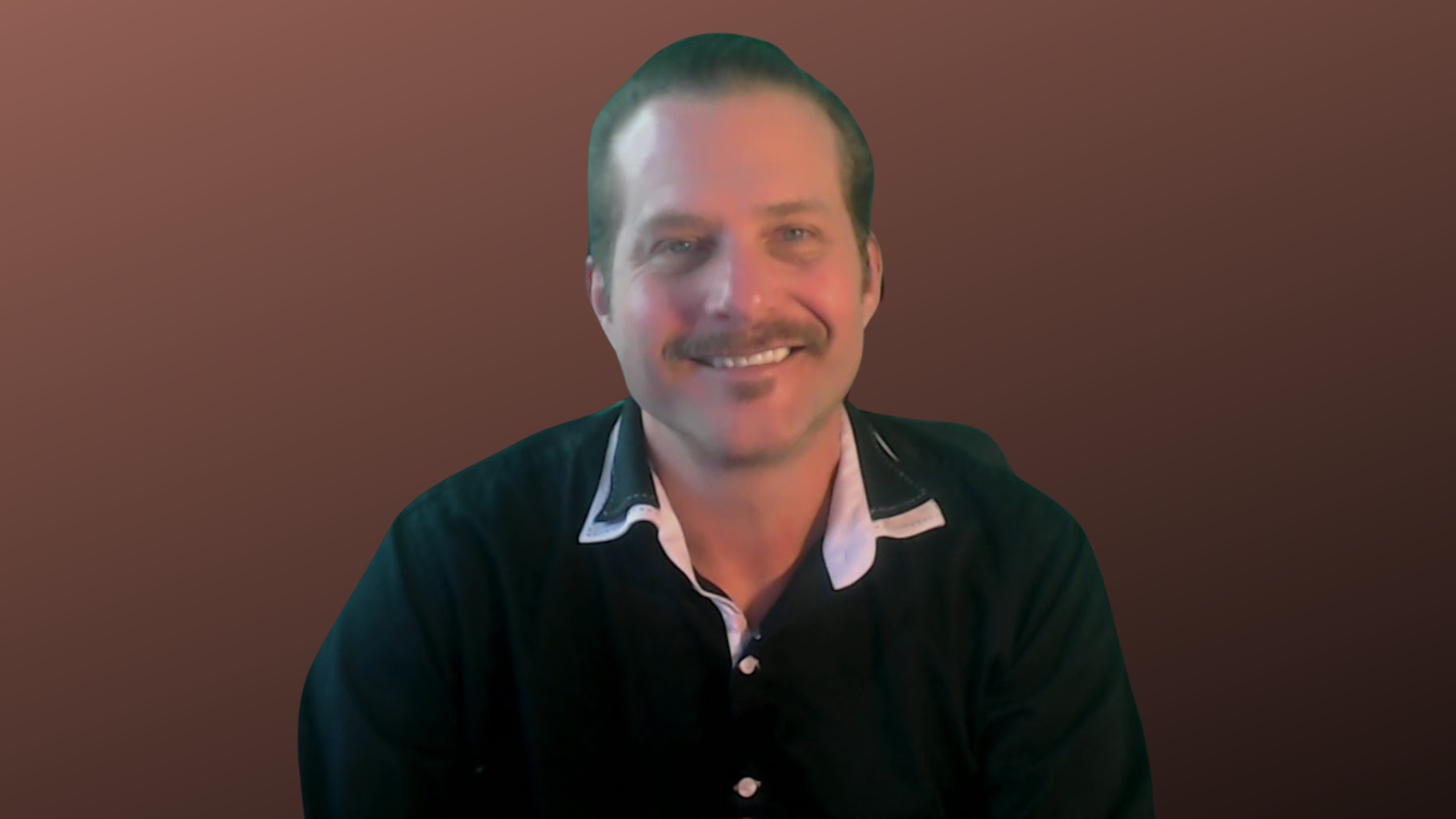
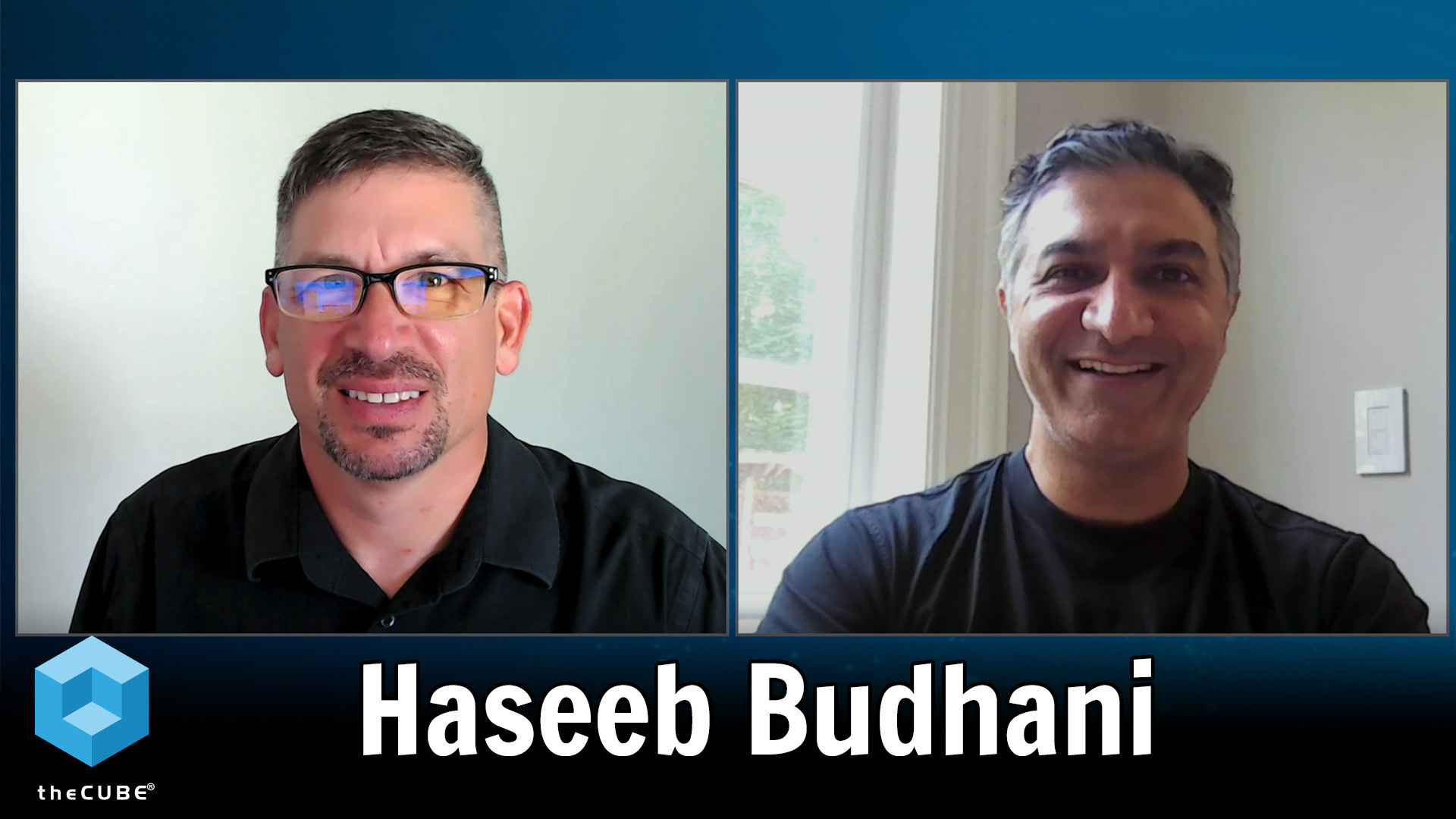
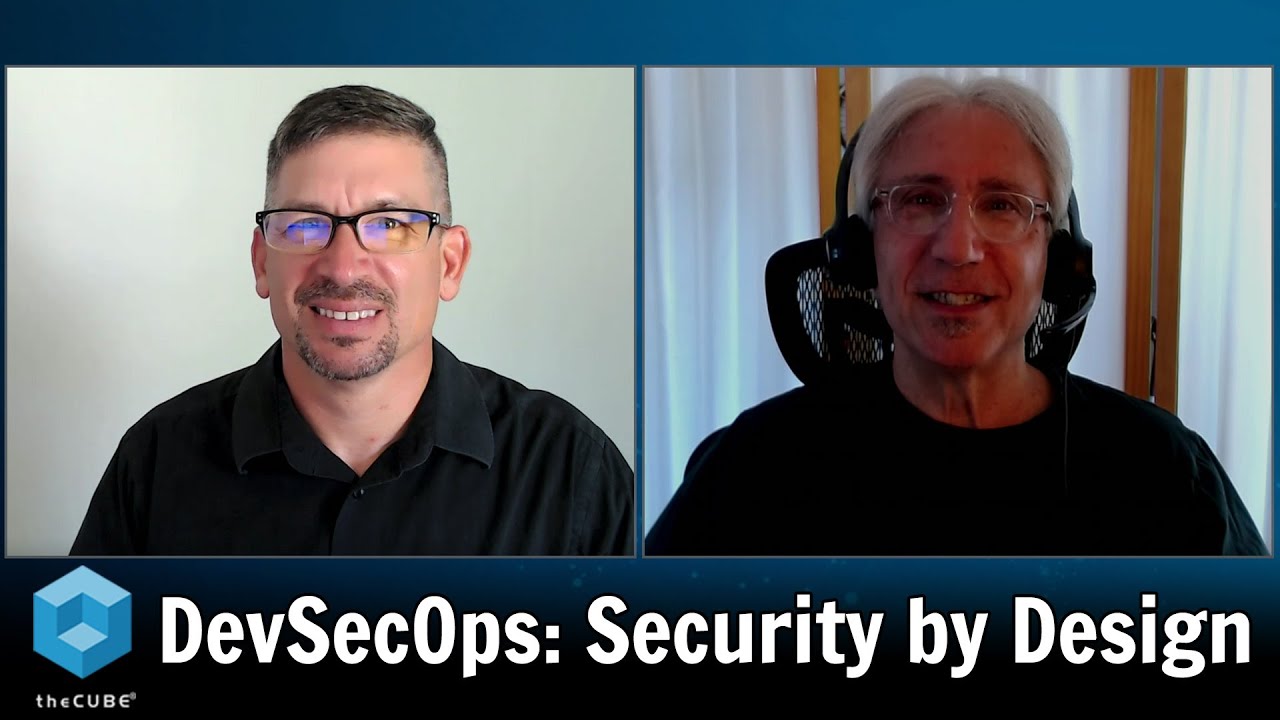
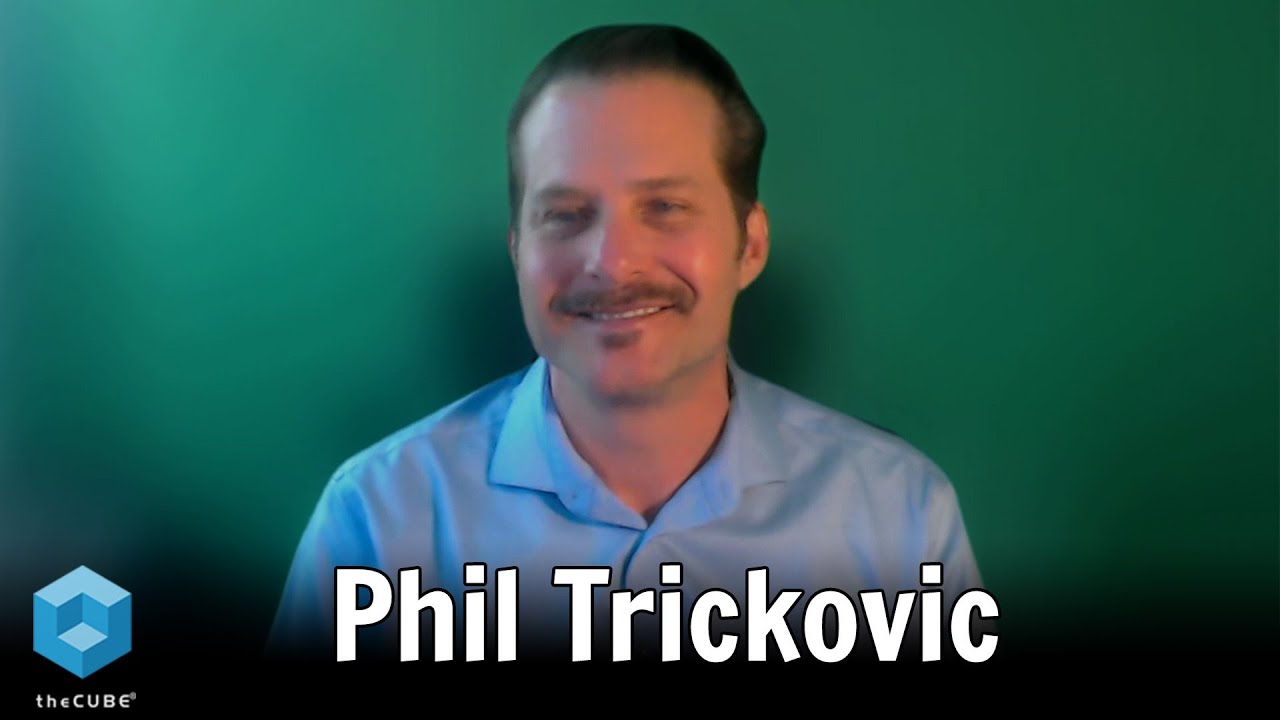
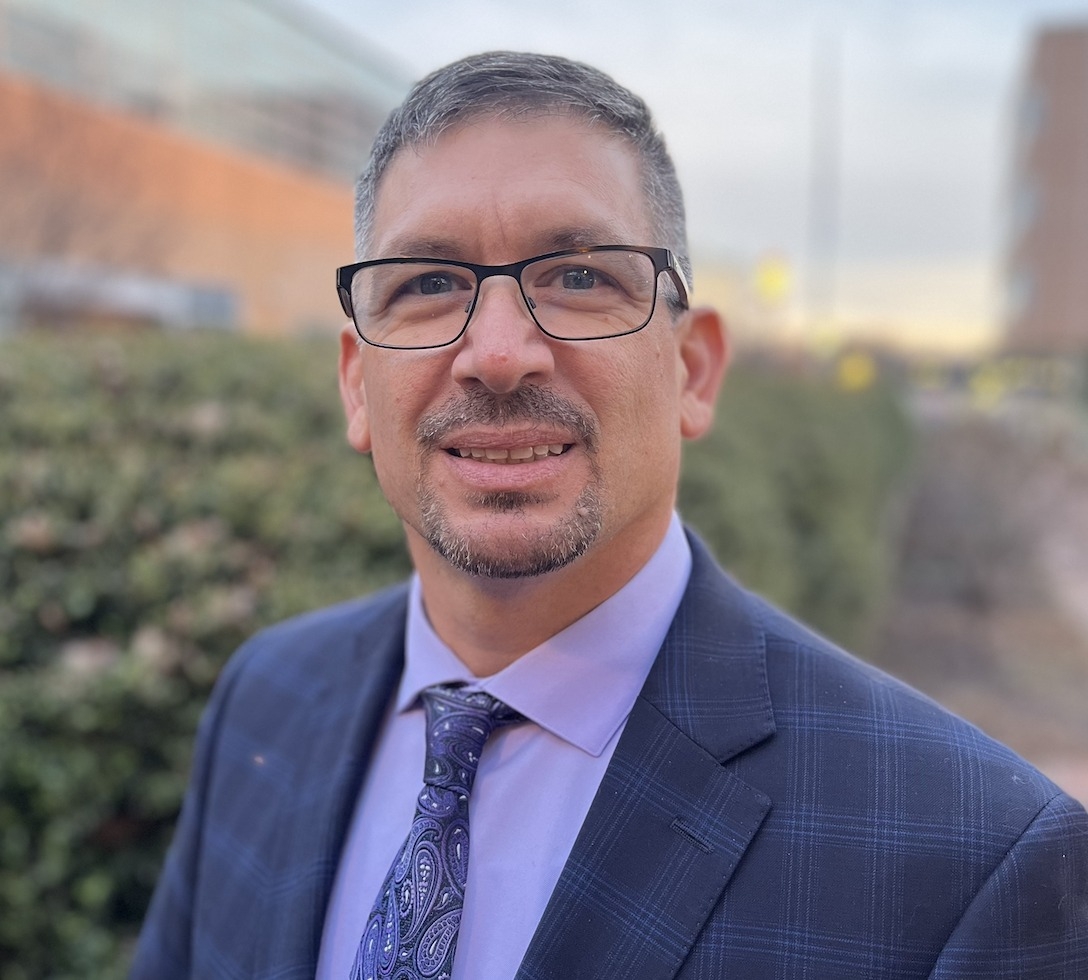
In this interview at the AppDev Done Right Summit, Phil Trickovic, SVP and GM at Tintri, joins theCUBE Research’s Paul Nashawaty to examine why modern application success begins with an intelligent, data aware foundation. Trickovic explains how Tintri’s VM aware storage treats containers and Kubernetes objects as first class citizens, giving DevSecOps teams push button provisioning, real time visibility and built in audit trails from Day 0 build to Day 2 operations.
The discussion unpacks the practical trade offs that builders face as they race to ship faster code without sacrificing governance. Trickovic shares field insights on balancing ROI, total cost of ownership and performance at scale, noting that legacy infrastructure was never designed for millions of microservice objects. By tracking each object’s location, lineage and behavior, Tintri shortens release cycles, simplifies observability and closes critical security gaps.
Nashawaty and Trickovic also spotlight trends revealed by theCUBE Research, including the rise of generalist hires, the push for hourly releases, and the ecosystem partnerships that blend heritage environments with cloud native innovation. Viewers will come away with actionable tips for modernizing storage, automating Day 1 release workflows and embedding DevSecOps policies without slowing CI/CD velocity.
Forgot Password
Almost there!
We just sent you a verification email. Please verify your account to gain access to
AppDev Done Right Summit. If you don’t think you received an email check your
spam folder.
In order to sign in, enter the email address you used to registered for the event. Once completed, you will receive an email with a verification link. Open this link to automatically sign into the site.
Register For AppDev Done Right Summit
Please fill out the information below. You will recieve an email with a verification link confirming your registration. Click the link to automatically sign into the site.
You’re almost there!
We just sent you a verification email. Please click the verification button in the email. Once your email address is verified, you will have full access to all event content for AppDev Done Right Summit.
I want my badge and interests to be visible to all attendees.
Checking this box will display your presense on the attendees list, view your profile and allow other attendees to contact you via 1-1 chat. Read the Privacy Policy. At any time, you can choose to disable this preference.
Select your Interests!
add
Upload your photo
Uploading..
OR
Connect via Twitter
Connect via Linkedin
EDIT PASSWORD
Share
Forgot Password
Almost there!
We just sent you a verification email. Please verify your account to gain access to
AppDev Done Right Summit. If you don’t think you received an email check your
spam folder.
In order to sign in, enter the email address you used to registered for the event. Once completed, you will receive an email with a verification link. Open this link to automatically sign into the site.
Sign in to gain access to AppDev Done Right Summit
Please sign in with LinkedIn to continue to AppDev Done Right Summit. Signing in with LinkedIn ensures a professional environment.
Are you sure you want to remove access rights for this user?
Details
Manage Access
email address
Community Invitation
Modernizing Infrastructure for the AI Era
TheCUBE’s Paul Nashawaty and John Furrier close out the AppDev Done Right Summit with a research-driven look at modern application development. Their conversation reflects on the full development lifecycle — from ideation to delivery — and the strategies driving innovation at scale.
Nashawaty shares insights on AI-assisted tools, developer productivity and the rise of platform engineering as a core discipline. Together, the analysts explore how cloud, data and application design are converging to create new opportunities and challenges for software teams.
According to theCUBE Research, organizations with mature platform strategies see up to a 30% boost in delivery cycles and team collaboration. For leaders focused on sustainable innovation, this session offers solid guidance on aligning modern tools with long-term outcomes.
In this interview at the AppDev Done Right Summit, Phil Trickovic, SVP and GM at Tintri, joins theCUBE Research’s Paul Nashawaty to examine why modern application success begins with an intelligent, data aware foundation. Trickovic explains how Tintri’s VM aware storage treats containers and Kubernetes objects as first class citizens, giving DevSecOps teams push button provisioning, real time visibility and built in audit trails from Day 0 build to Day 2 operations.
The discussion unpacks the practical trade offs that builders face as they race to ship...Read more
exploreKeep Exploring
What is the role of Phil Trickovic and his connection to Tintri?add
What are the key considerations for organizations when adopting Kubernetes, particularly in relation to speed, long-term maintainability, ROI, and TCO?add
What are the challenges organizations face in terms of observability maturity, and how can Tintri assist in addressing these challenges throughout their journey?add
What strengths does Tintri provide that support the long-term success of DevOps, AppDev, and platform engineering teams in relation to CI/CD pipelines and security integration?add
>> Welcome to the special edition of our AppDev Summit Series, where we plan to dive deep into trends, tools, technologies that have shaping the modern application development landscape. During theCUBE's AppDev Summit, we've seen powerful convergence of platform simplicity, developer productivity, AI acceleration, and DevSecOps first thinking. Today, I'm joined by Phil from Tintri. Phil, welcome. How you doing?
Phil Trickovic
>> I'm doing great. Thanks for having me back.
Paul Nashawaty
>> Yeah, thanks for being here. So why don't you introduce yourself to the audience and a little bit about the company.
Phil Trickovic
>> I'm Phil Trickovic. I'm the SVP and GM of Tintri. Been with it since basically the beginning. Guess we're going on 12 years now as a commercially available product. That's who I am.
Paul Nashawaty
>> Excellent, Phil. Thank you. So it really does align nicely to our upcoming AppDev Summit because when I think of Tintri, I think of that modern infrastructure that delivers the intelligent, VM aware kind of storage, purpose built application centric environments. And with Kubernetes adoption is accelerating, tintri's automated data driven platform really plays a critical part in the entire day zero, day to day two operations, as well as enables those DevSecOps teams to really optimize performance, scalability and security across the entire application lifecycle, which is exactly why we're doing the AppDev Summit. So I'm really excited about having part of the program and part of the AppDev Summit as well. So let's just jump right in. When we're thinking about the research that we're planning here, that we're thinking about around day zero and how organizations are managing those decisions around Kubernetes adoption and those decisions and discussions around platform selection, architecture design and developer onboarding, what strikes a balance between speed and long-term maintainability and how does Tintri kind of help with this?
Phil Trickovic
>> So speed and long-term maintainability. I'm going to add ROI and TCO to that because while these advancements that we're seeing in coding application delivery are absolutely amazing, like the efficiencies that we've gained, and I'm talking as a global tech industry, I don't think you could put a number on what's possible. What's throttling the whole thing is it's trying to be done on things that were designed for different purposes, right? They're great systems, what have you. Any of the legacy type server architecture, storage architectures, even network architectures have to change to realize the potential of what we can deliver with these tools. That's what's slowing down the advancement of it. Where Tintri fits in there is we were designed to do this. So the thing that's killing companies progress and deploying, whether it's agents, custom modules for automating processes internally outside of the talent, et cetera, et cetera, are the platforms to give the visibility, deployability and ease of use. It's just not there. So those are coming up and that's what we've been focused on since day one and what we continue to focus on and far more heavily now down into object awareness, being able to have greater mobility, ease of deployment, integration with other applications. I can keep going, so it's amazing times, but they're very confusing times. That's what I'm seeing on my travels around the world.
Paul Nashawaty
>> No doubt. No doubt, Phil. I mean, when we look at the day zero and how you're accelerating, this is why working with this upcoming event and the research that we're trying to understand, the adoption and the trends that we're seeing, there's other areas that I think Tintri adds a lot of value in the acceleration. When we think of cloud native and Kubernetes adoption and when we think of how Tintri does that data aware infrastructure that helps streamline those day one operations, especially around... And you touched on this a little bit, Phil, which is the provisioning, the performance of tuning and maybe the automated scaling of Kubernetes environments. How does Tintri kind of do that from that release perspective on day one?
Phil Trickovic
>> We treat containerized objects basically, and this is going to make sense to people who understand TXOS our operating environment, containers and object does. It's no different than a VM. So what you're seeing when you do these apps, all of the efficiencies that you gain by microservices, by converting to web compilation, whatever, an attempt to reduce the middle layer that we've all been burdened with for 40 years, that's happening. Where Tintri's magic is that we track those objects. The end user doesn't have to do this anymore. If you do it on legacy type systems, A, you don't have the bandwidth at scale to capture what's actually happening with those objects. You're deploying on hardware and infrastructure that was not designed for millions and millions of objects. That requires awareness of where they are, what they're doing and who they're associated with. So we were designed from that from day one, back in 2008, it's starting to become realized now that it actually is. We've got many use cases where people have deployed these where they were failed on other solutions, we had it up and running in a day. So that's required to bring these things we're all talking about and seeing in the news actually to market where the world sees value in them. That's stopping the advancement of this. One of the things. There's several, but that's one.
Paul Nashawaty
>> Yeah, that absolutely makes sense, especially when you're talking about day one and I think that the activities around day one and that release cycle, it brings attention to operational simplicity. What we're seeing in some of our soft data that's coming back from the field, we see that organizations are looking at hiring generalists. Actually, 67% of respondents are indicating that they're hiring generalists over specialists, which aligns to what you were just saying, Phil, which is that operational simplicity and being able to deploy and taking the friction and the complexity away from the end user and bringing that back to the vendor like yourselves to kind of solve those problems. It really helps with that operational efficiencies across the CI/CD pipeline, but also accelerates the SDLC overall. As we kind of talk about the SDLC, there is the concept, as you know, we have day two as part of this summit that we're looking at and as teams mature, I always kind of talk about day two as an ever maturing kind of part of the industry where observability functions is really... It's in some organizations it's very, very immature and some organizations it's very mature. I also would say that when we think about observability, sometimes observability teams are, and dare I say, glorified storage admins, they collect a bunch of logs and they don't want to get rid of it because they don't know what to do with it. But when I think about critical observability and intelligence storage and self-healing infrastructure to maintain those Kubernetes performance and uptimes for applications, how does this help, how Tintri really help around these challenges that organizations are seeing? Whether they're either very early in their journey or if they're fully mature in their journey?
Phil Trickovic
>> We touch all of the above there. So in that CI/CD workflow, like day zero, if you want to talk about those actions and items, we're developing the application, it's the simplest way to provide that space to your developers without interaction of storage admins, network admins, et cetera. It's basically a self-service model if you stand it up correctly, where on day zero while you're still developing, getting ready to launch, your developers can develop on that immediately, instantly. When you're ready to launch, you hit launch on Tintri and it becomes a production app. What's more interesting there is our functionality underneath where you can then do comparator command kind of functions where you're looking at what changed from this data set yesterday to today, make a copy of that, make note of it because as these objects and apps grow, you got to remember these aren't one VMDK or they're not an app with a hundred files or a hundred objects behind it. Some cases you're talking thousands of millions of objects on these agentic. Just look at the customer service apps, for example. Seeing how our customers struggle, just to get that online would seem fairly simple. It's not. And you have to have that intelligence built from the top of the stack all the way down to effectively manager those into day one, day two and beyond.
Paul Nashawaty
>> Yeah, absolutely. And I don't want to minimize with this, because I think this is important to call out and double click on. I'm going to put maybe some words in your mouth here by saying I think some of the strengths that Tintri provides specifically around the whole day zero, day one, day two, is the automation, analytics and performance management. And that really helps with really the long-term success of the DevOps teams, the AppDev teams, as well as the platform engineering teams in order to deliver. But I would be missing the kind of the mark if I didn't mention DevSecOps in this, right? DevSecOps is a big part of the CI/CD pipeline, a big part of our AppDev Summit here. So with it becoming default kind of expectations of modern pipelines, we see that across the CI/CD pipelines. How do you think organizations are integrating security policies, vulnerability scans, compliance checks, really without slowing down that CI/CD velocity that they really need to deliver those applications? And I will add one data point, this interesting data point. In our research, we're seeing that out of the respondents, 24% are indicating that they want to release code on an hourly basis, yet only 8% are able to do so. So that CI/CD velocity is becoming incredibly important, but layering DevSecOps on top of it is also very important. What are your thoughts around that?
Phil Trickovic
>> It's critical, and that is one of the huge problems that I'm seeing across the board, whether it's government to international business, it's a very undefined. It's the wild, wild west right now, and it raises the hair on my neck when I hear some of these projects and the potential attack vectors that are opening up with these things or just loss of data or what have you, inability to track where these objects went and who touched them. So that goes back to what Tintri does is we'll know where it went, who touched it, full audit logs, real-time, etc. It's very difficult to do that when you've got disaggregated disparate systems that all touch these at some point and they're not aware of necessarily where these things are being touched or where they're opened. So it is a huge problem, Paul, I wish I had a better answer. I know our value there, but it's still something that really has to be defined even above and beyond that. You look at fair use and copyright claims and all of these things are just now starting to bubble up after everybody's gone and analyzed everyone's data. So it's a lot that's to be defined still, but we're well positioned to address it, whatever the format needs to be.
Paul Nashawaty
>> And I want to kind of double-click that a little bit there, because I think what we can emphasize on here is your partner ecosystem, your ecosystem of players that can help solve some of these problems. You're very much engaged with those players, but what I'll ask is when we think about security, that's one piece, but we also have to look at what are the biggest gaps that you see today with Kubernetes tooling and workflows and the ecosystem players that can really help solve these problems? Particularly I will say this because historically I know Kubernetes is 10 going on 11 years old now, right? When we think about stateful applications and developer productivity, historically Kubernetes was like, "Oh, it's just a stateless app. It doesn't matter. It can turn on and off. It doesn't matter." But now it's more and more focused around what I would call present state containerization of applications and stateful applications are critical as part of that deployment. So what are your thoughts here and how does Tintri kind of help with integrating that? Maybe Tintri, maybe directly or part of your ecosystem?
Phil Trickovic
>> Us personally, so Tintri ourselves, we do stateful application and we've put most of our development efforts into this, because of the fact that you can now bundle basically entire environments. Think of it this way. So the other buzzword in our community is quantum computing. So super position in these things. We haven't leveled up our superposition of the state of things in the tech environment to go that, "hey, we don't need to track all of these constantly. It's only when something changes." So we haven't leveled that understanding of that ability up. That's coming now rapidly and it's something we're very much investing in with quite a few of our partners. I think you met the Pix Force guy, like some of these new apps that are coming that are purely AI apps, computer vision, these types of things that don't necessarily have a server in the middle or even a hypervisor in the middle. That's where stateful and stateless becomes absolutely critical. You asked what was the biggest gap. I think the biggest gap in the industry right now is understanding that this is the gap.
Paul Nashawaty
>> Yeah. Yeah, that makes sense.
Phil Trickovic
>> . And they're doing it on whatever technologies they're doing it on. Yes, you can make anything work. I can make a horse and buggy go pretty quick with some unethical moves or practices. It's not going to efficiently be delivered at a cost that a business can accept if you're doing it the way we used to do things 10 years ago. Period.
Paul Nashawaty
>> Absolutely.
Phil Trickovic
>> Nothing else to say.
Paul Nashawaty
>> And I think one of the strengths that you've just hit on is the ability that Tintri has to bridge that gap between heritage and new. And that's a big, big advantage for organizations, because not all organizations really want to stand up a silo in their environment to say, "Hey, this is a new thing and we have to decouple from the old." Because let's face it, the heritage applications will be there for quite some time and they need to kind of work with the new applications. But Phil, without giving away too much, I know we got the AppDev Summit coming up, closing thoughts. We're coming to an end here. What do you want the audience to think about and what do you think the audience could do to think about as they're getting into the AppDev Summit?
Phil Trickovic
>> I really would ask the audience to, this is not a Tintri plug. It's kind of a plug it yourself. Take a look at how you're doing things. Are you doing things in a modern way that's efficient and start planning that now because it's a cascading and amplifying an exponential effect. So what I have seen a lot of is people make an absolutely amazing application, like with change their business, transform it. Works great for four people, doesn't work at all for 4,000 and that I'm asking the audience, not slow down, but kind of pause for a second, look at are you doing things the most efficient because they're really going to matter when you launch it to the point of detriment. So that would be my ask, my second ask from Tintri perspective, please give us a look. If you haven't spoken with us, we've got really unique methodologies that remove almost all of the obstacles you're going to hit from day zero to day 200.
Paul Nashawaty
>> That's awesome, Phil. Well, thank you Phil for being here. Looking forward to having you on the AppDev Summit and talking more about this, exploring and researching the data and all the insights that we're pulling from it. Thank you for your insight and a big thank you to all of you who've tuned in. We really appreciate you being part of the AppDev Done Right Summit. Well, that wraps up this session, but definitely stay tuned for the AppDev Summit that's coming out in June 17th. Really excited about that, where we're going to drive conversations for tools, trends and talent, shaping the application development landscape. Whether you're deploying at the edge, building with AI or modernizing your cloud stack, we've got you covered. Be sure to follow us on social. If you have any thoughts, questions or just want to connect, you can always reach me at @siliconangle.com. Until next time, stay curious and stay building.











 Paul Nashawaty