Richard Winston of Slalom, managing director and global financial services lead, appears with Rebecca Knight of theCUBE Research at the Amazon Web Services Financial Services Symposium 2026 to discuss artificial intelligence and cloud-driven modernization in commercial banking. Winston explains how banks organize data for AI, modernize workflows and deploy agent-based architectures on Amazon Web Services to accelerate loan origination, onboarding and continuous credit monitoring, while improving customer outcomes and operational velocity. They highlight strategies for data modernization, governance and platform transformation that enable faster, more responsive lending processes.
Key takeaways include Winston's imperative "don't replicate, reimagine" and the need to treat modernization as a platform shift. They note AI-powered agents and AWS infrastructure reduce loan turnaround from weeks to hours, enable continuous credit and allow experienced staff to focus on final review. theCUBE analysts add this approach can transform banks into fundamentally different, more responsive businesses and accelerate credit automation.
Forgot Password
Almost there!
We just sent you a verification email. Please verify your account to gain access to
AWS Financial Services Symposium 2026. If you don’t think you received an email check your
spam folder.
In order to sign in, enter the email address you used to registered for the event. Once completed, you will receive an email with a verification link. Open the link to automatically sign into the site.
Register for AWS Financial Services Symposium 2026
Please fill out the information below. You will receive an email with a verification link confirming your registration. Click the link to automatically sign into the site.
You’re almost there!
We just sent you a verification email. Please click the verification button in the email. Once your email address is verified, you will have full access to all event content for AWS Financial Services Symposium 2026.
I want my badge and interests to be visible to all attendees.
Checking this box will display your presense on the attendees list, view your profile and allow other attendees to contact you via 1-1 chat. Read the Privacy Policy. At any time, you can choose to disable this preference.
Select your Interests!
add
Upload your photo
Uploading..
OR
Connect via Twitter
Connect via Linkedin
EDIT PASSWORD
Share
Forgot Password
Almost there!
We just sent you a verification email. Please verify your account to gain access to
AWS Financial Services Symposium 2026. If you don’t think you received an email check your
spam folder.
In order to sign in, enter the email address you used to registered for the event. Once completed, you will receive an email with a verification link. Open the link to automatically sign into the site.
Sign in to gain access to AWS Financial Services Symposium 2026
Please sign in with LinkedIn to continue to AWS Financial Services Symposium 2026. Signing in with LinkedIn ensures a professional environment.
Are you sure you want to remove access rights for this user?
Details
Manage Access
email address
Community Invitation
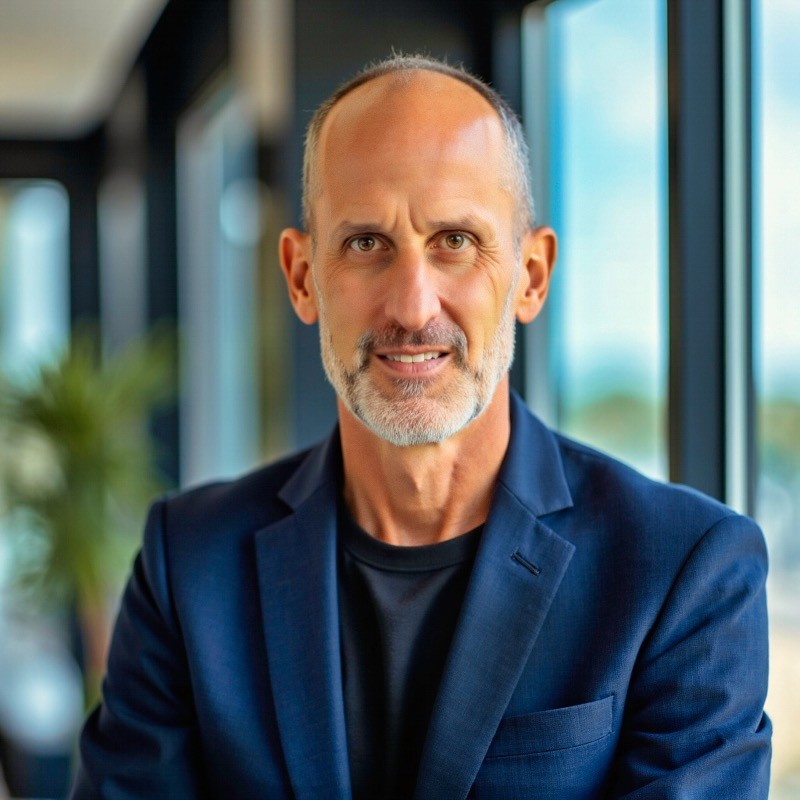
Richard Winston, Slalom
Richard Winston of Slalom, managing director and global financial services lead, appears with Rebecca Knight of theCUBE Research at the Amazon Web Services Financial Services Symposium 2026 to discuss artificial intelligence and cloud-driven modernization in commercial banking. Winston explains how banks organize data for AI, modernize workflows and deploy agent-based architectures on Amazon Web Services to accelerate loan origination, onboarding and continuous credit monitoring, while improving customer outcomes and operational velocity. They highlight strategies for data modernization, governance and platform transformation that enable faster, more responsive lending processes.
Key takeaways include Winston's imperative "don't replicate, reimagine" and the need to treat modernization as a platform shift. They note AI-powered agents and AWS infrastructure reduce loan turnaround from weeks to hours, enable continuous credit and allow experienced staff to focus on final review. theCUBE analysts add this approach can transform banks into fundamentally different, more responsive businesses and accelerate credit automation.
Managing Director, Global Financial Services LeadSlalom
In this interview from the AWS Financial Services Symposium 2026, Richard Winston, managing director and global financial services lead at Slalom Consulting, joins theCUBE's Rebecca Knight to discuss how financial institutions can move from AI experimentation to execution by reimagining core banking workflows through agentic AI. Winston describes the shift as building a flywheel of capability that enables financial institutions to do more with the same headcount while dramatically improving throughput. He highlights how commercial lending workflows — from loa...Read more
exploreKeep Exploring
What modernization challenge is holding banks back from adopting cloud- and AI-powered platform approaches to transform loan origination, customer workflows, and other core banking processes?add
Where should a bank that is just starting the journey of modernizing its credit processes and leveraging automation and cloud-based agent technology begin?add
>> Hello everyone, and welcome back to TheCUBE's coverage of the AWS Financial Services Symposium here in New York City. I'm your host, Rebecca Knight. I would like to welcome to the show Richard Winston. He is Managing Director Global Financial Services Lead at Slalom. Welcome, Richard.
Richard Winston
>> Thank you. Good to see you, Rebecca.
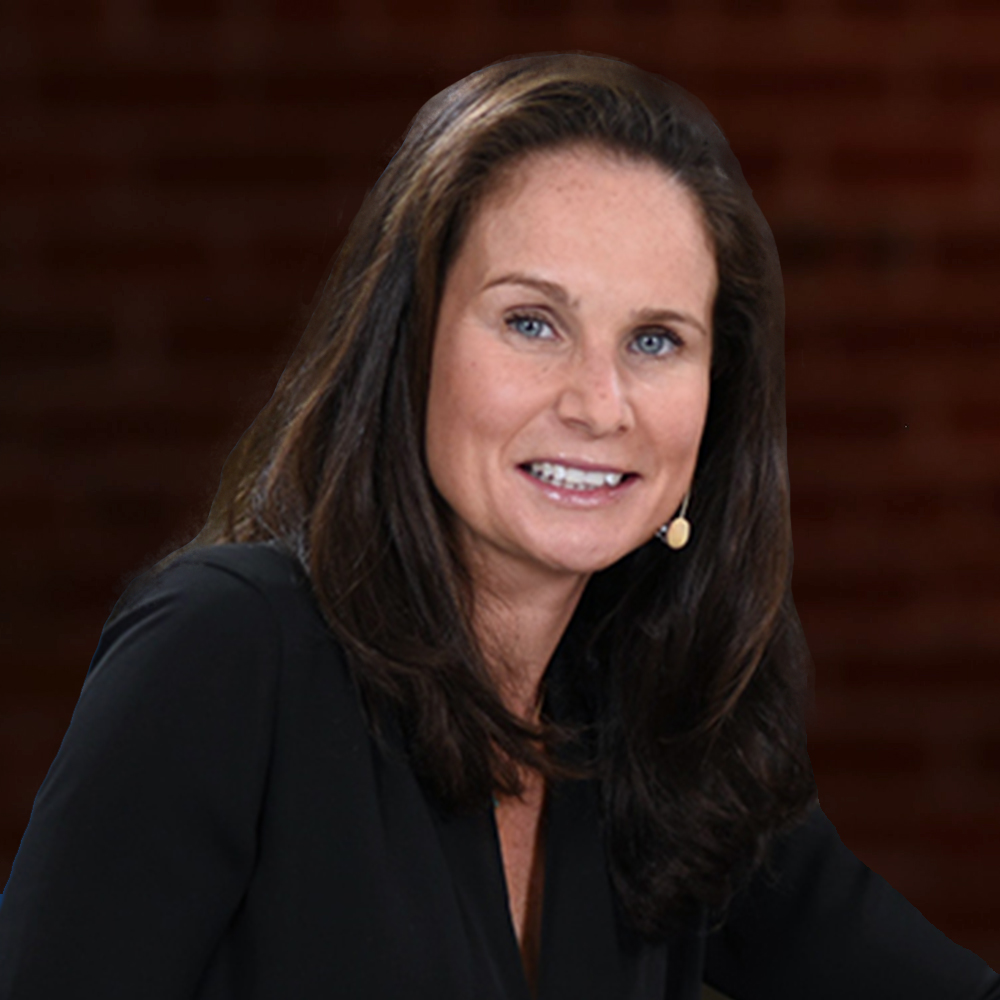
Rebecca Knight
>> So Slalom works across a variety of industries. Give us a sense of what you're focused on right now in financial services and what's driving the conversations that you're having with clients.
Richard Winston
>> Yeah. A lot of the conversations are around AI, obviously getting the data state organized such that they can take advantage of AI and modernized workflows and really changing the game on how they're leveraging AI as a tool to create a flywheel of capability where they can do more advanced, sophisticated solutions that improve over time, not just point in time, but improve over time.
Rebecca Knight
>> So speaking about that flywheel, when a commercial bank modernizes with Slalom and AWS, the people who feel it most are the corporate clients, the CFOs, the treasurers, the business owners, what exactly changes for them?
Richard Winston
>> What they get is higher velocity and throughput, more responsiveness to their customers, and better outcomes that drive more business. So they can do more with the same amount of people. It's not about eliminating people, but they can do more with the same number of people and get better throughput, faster turnaround times on the commercial lending solutions and just better experience with the banks.
Rebecca Knight
>> So the faster turnaround times, the loan origination going from weeks to days, onboarding, getting dramatically faster, those are significant shifts.
Richard Winston
>> It is, and it's days to hours.
Rebecca Knight
>> Days out. Wow. But what is the modernization challenge that is holding banks back from getting there, would you say?
Richard Winston
>> Traditional practices. So they're used to documents coming in, doing things the way they've always done it. And this is really a whole rethinking of the workflows around how they originate loans, how they work with their customers, and how they move things through their pipeline of activity. And it's accelerating all of that and doing it in new and different ways, powered by AI and AWS's infrastructure.
Rebecca Knight
>> So let's really unpack the cost of what you're talking about in terms of thinking of this as a platform shift rather than a system upgrade. What does that distinction mean? And why does it matter for a bank that's still running on legacy infrastructure?
Richard Winston
>> It matters because they can't respond as quickly to their customers as the banks that do modernize and leverage all of the cloud infrastructure that they've built in new and unique ways. So this is not creating the same workflows that they've always done in a manual way, in an automated way. This is wholly rethinking how they work, leveraging agent technology to do the work that the people formerly did. So we call it a chief credit agent, taking off on the chief credit officer concept. The chief credit agent is coordinating all of the activities as they move through this pipeline to get from loan onboarding or loan onboarding all the way through loan approval and booking. So it's a whole different way of thinking about how that process works.
Rebecca Knight
>> For a bank that's just starting this journey, where do they begin?
Richard Winston
>> They begin with a rethink, and we call it don't replicate, reimagine. That concept is reimagining the whole way that they take loans through the credit process, completely revolutionizes the way they think about the customer experience, the velocity that loans are going through. Continuous credit as a concept now becomes viable without adding additional people. When we talk to the commercial loan leadership at a financial institution, they've been trying to figure out how to automate a lot of the processes around drafting credit memos, doing credit spreads, doing continuous credit monitoring. All of that can now be automated and powered by agents on AWS's infrastructure.
Rebecca Knight
>> You say that the banks that get this right don't just become more efficient. They become fundamentally different businesses. So what does that look like and how far away is that vision for many institutions?
Richard Winston
>> The vision is here, them getting there is the whole challenge. And that's what takes time. So, and it's a willingness to rethink things that have been done by very experienced people and now using those very experienced people, optimizing them to do the checking work or the finalized work and the agents doing things that would've taken eight to 16 hours, they're just getting the final approval and review process, but essentially it revolutionizes the way those people can work and leverage their experience in a much more effective way to create better outcomes for the customers of the bank.
Rebecca Knight
>> Excellent. Richard, revolutionary. Thank you so much for coming on the show.
Richard Winston
>> Happy to do it. Thank you.
Rebecca Knight
>> I'm Rebecca Knight. Stay tuned for more of theCUBE's coverage of the AWS Financial Services Symposium.









 Rebecca Knight