We just sent you a verification email. Please verify your account to gain access to
AWS Financial Services Symposium 2026. If you don’t think you received an email check your
spam folder.
In order to sign in, enter the email address you used to registered for the event. Once completed, you will receive an email with a verification link. Open the link to automatically sign into the site.
Register for AWS Financial Services Symposium 2026
Please fill out the information below. You will receive an email with a verification link confirming your registration. Click the link to automatically sign into the site.
You’re almost there!
We just sent you a verification email. Please click the verification button in the email. Once your email address is verified, you will have full access to all event content for AWS Financial Services Symposium 2026.
I want my badge and interests to be visible to all attendees.
Checking this box will display your presense on the attendees list, view your profile and allow other attendees to contact you via 1-1 chat. Read the Privacy Policy. At any time, you can choose to disable this preference.
Select your Interests!
add
Upload your photo
Uploading..
OR
Connect via Twitter
Connect via Linkedin
EDIT PASSWORD
Share
Forgot Password
Almost there!
We just sent you a verification email. Please verify your account to gain access to
AWS Financial Services Symposium 2026. If you don’t think you received an email check your
spam folder.
In order to sign in, enter the email address you used to registered for the event. Once completed, you will receive an email with a verification link. Open the link to automatically sign into the site.
Sign in to gain access to AWS Financial Services Symposium 2026
Please sign in with LinkedIn to continue to AWS Financial Services Symposium 2026. Signing in with LinkedIn ensures a professional environment.
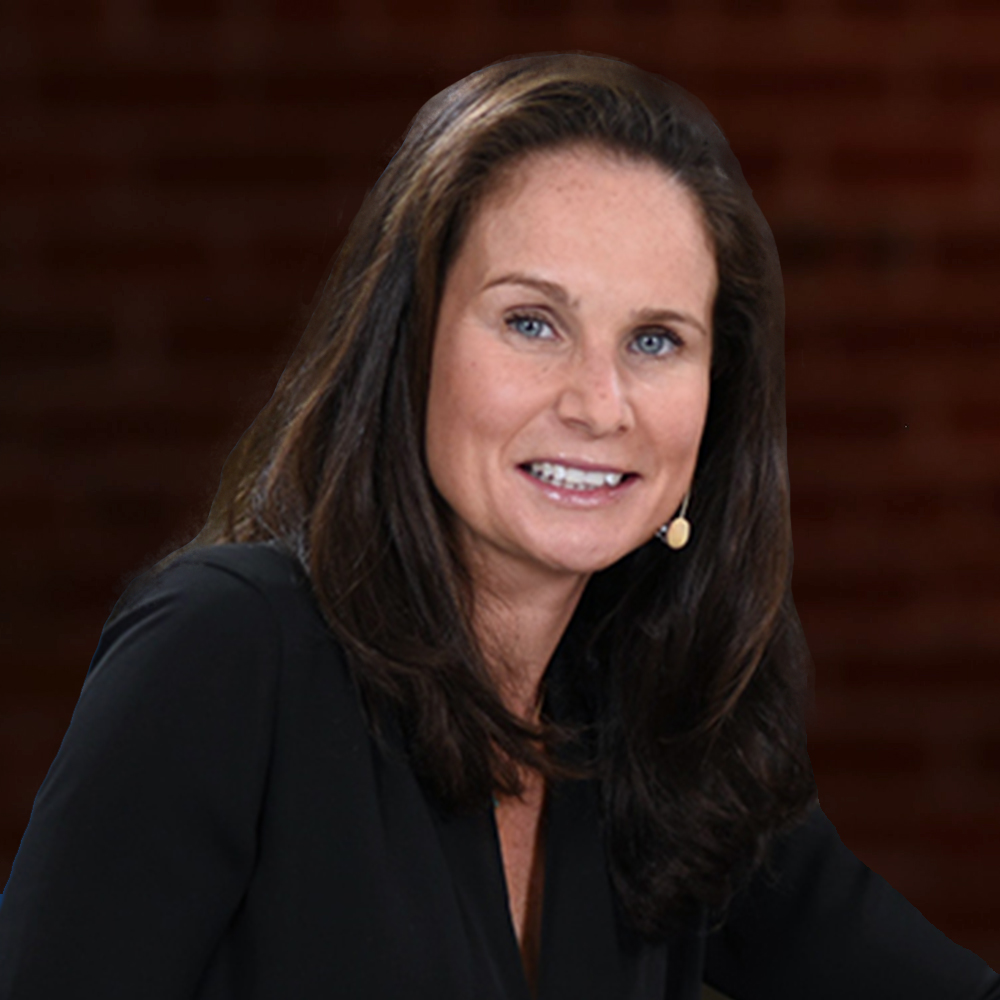
In this interview from the AWS Financial Services Symposium, Bill Zajac, senior director of digital experience management at Dynatrace, joins theCUBE's Rebecca Knight to discuss how financial institutions can move beyond reactive operations to AI-powered observability that resolves issues before customers ever feel them. Zajac frames the current moment as another transformation wave — echoing the cloud adoption of a decade ago, but with higher stakes in regulated industries where customer trust is non-negotiable. He explains that AI-powered observability mean...Read more
exploreKeep Exploring
What does "AI-powered observability" actually mean in practice for teams, and what are the consequences or costs of getting it wrong?add
How does AI-powered observability that detects and resolves problems before customers notice change how IT/operations teams operate and measure success?add
>> Hello, everyone and welcome to theCUBE's coverage of the AWS Financial Services Symposium here in New York City. I'm your host, Rebecca Knight. I would like to welcome our next guest of the day, he is Bill Zajac, Senior Director DEM at Dynatrace. Thank you so much for coming on, Bill.
Bill Zajac
>> Thank you for having me, Rebecca. Really appreciate it.
Rebecca Knight
>> So I want to hear from you a little bit about what you see teams struggling with today, and where Dynatrace comes in.
Bill Zajac
>> Yeah. Well, it seems like we're always going through a wave of transformation. 10 years ago it was organizations starting to adopt cloud and the modernization impact that they had. I don't think we can get through one talk today without talking about AI and what's that going to do to the landscape. So organizations are, again, going through this. How do I take advantage of this technology that the AI wave is bringing, but how do I do it in a trustworthy way where I'm able to still gain the confidence of my end users or customers, especially in financial services, but not exposing myself to any sort of regulation or security challenges that go along with it as well.
Rebecca Knight
>> AI-powered observability is a phrase that gets bandied around a lot, particularly here at the Financial Services Symposium. What does it actually mean in practice for the teams and what is the cost of getting it wrong?
Bill Zajac
>> Yeah, exactly. So just like everything with AI, observability has been around, as a practice, within organizations to help them identify those challenges, especially when it comes to impacting end users or business critical services, but the rate of change and the things that can go on, within an environment, has gotten to a point where humans can't interact with it anymore. You need a system, you need intelligence and you need AI to be able to manage those types of outcomes and next steps for you. That's what AI-powered observability really means. It's trusting that observability solution, and the telemetry underlying it, to be able to come up with those right answers, but then being able to trust a system to make that next step and have AI help you remediate challenges, not go to that typical war room type of scenario or escalation where a red light goes off and then a human has to go fix the production issue. You need a system to respond to those types of incidents and move as fast as possible, and do it without impacting the business, and hopefully before users experience that challenge where that could really impact trust if that does happen at the end of the day.
Rebecca Knight
>> Well, that's one of the things that stands out about Dynatrace is that it doesn't wait for problems to surface, it detects them and resolves them before customers even feel them. How does that change the way teams operate?
Bill Zajac
>> Yeah. Monitoring and observability are definitely going through this Renaissance phase where you take a look at how an IT organization would judge the health of their environment and it was typically based around availability and response time. Now, with AI-powered observability, even the IT teams are really looking at what is the business purpose of this application? Are we looking at a wire transfer? What is the health of wire transfer? When the health of wire transfer is degrading, well, what's the underlying reason behind it? Is it because of a specific service is now acting in anomaly behavior? Is it because that new AI model, that we put in between this wire transfer process, is producing an ambiguous result? It is allowing the people who have been responsible for maintaining these highly complex environments to be connected closer to the impact of why these systems exist. Then when there is a anomaly or event that needs to be responded to, having the same trust that there is a system that helps them remediate it. When they talk about how did we do last month, we're not looking at it in terms of SLO or SLA violations, we're looking at it in terms of revenue, bottom-line impacting issues. That's what's helping grow the reliability and the trust that these teams that have always been responsible for the operations, just now at a higher level.
Rebecca Knight
>> You are natively integrated with AWS, which matters a lot for firms that are in the middle of cloud migrations. How does that change what financial services teams can see and do?
Bill Zajac
>> Yeah. Again, with the AI revolution, AWS is being trusted by a lot of the financial services organization to allow for that scale and innovation of the technologies that AWS is constantly pushing out. Where Dynatrace really comes into the picture is ensuring that that reliability and security of that innovation is done in a cost-effective manner as well. Dynatrace was a launch partner with the AWS DevOps agent launched at re:Invent last year and this is allowing for organizations to have more of that agentic or real-time communication of what's happening within their environment to be able to quickly isolate these challenges before they're impacting the end user, and go as fast as possible as well.
Rebecca Knight
>> Final question. When a customer comes on board, what does that journey look like, from initial deployment, to genuinely proactive operations? How do you know when you've achieved what you set out to?
Bill Zajac
>> Like I mentioned, where organizations are going through this, connecting closer to the business, that's really the first question we're asking our customers. Why does this thing exist? Why do you have these services? Why do you have this cloud infrastructure? A lot of times what we're realizing is this is sometimes the first time that these teams are being asked these questions. We really have to help guide them on understanding what is the outcome that we should be measuring ourselves against, being able to connect to what is the organization's higher level strategy and show these teams who are responsible for these massively complex environments, how they are responsible for achieving some of these strategic outcomes for their executives as well. That's really step one. Then step two is, well, what does it look like today? What is that KPI that we should be putting our foot down and saying, "This is what the current state is and this is where we want to go with it." Again, it's not reliability, it's not response time. It's something like how many wire transfers did we have fail in the last month? How many times did someone try to do a deposit from their mobile device and they had to get redirected to the bank to be able to complete that transaction. Those are the KPIs that, when you put them on a report and you say, "This is where we want to show improvement," and you can have that continual innovation showing how the business is moving forward. One of those accelerators is AI, and it's showing how that investment in AI is making a significant impact to the bottom line of the organization, and continually innovating, and driving further customer trust with our customers as well.
Rebecca Knight
>> That's what success looks like. Thank you so much, Bill.
Bill Zajac
>> Thank you, Rebecca.
Rebecca Knight
>> I'm Rebecca Knight. Stay tuned for more of theCUBE's coverage of the AWS Financial Services Symposium.