We just sent you a verification email. Please verify your account to gain access to
Cloud AWS re:Invent Coverage. If you don’t think you received an email check your
spam folder.
In order to sign in, enter the email address you used to registered for the event. Once completed, you will receive an email with a verification link. Open this link to automatically sign into the site.
Register For Cloud AWS re:Invent Coverage
Please fill out the information below. You will recieve an email with a verification link confirming your registration. Click the link to automatically sign into the site.
You’re almost there!
We just sent you a verification email. Please click the verification button in the email. Once your email address is verified, you will have full access to all event content for Cloud AWS re:Invent Coverage.
I want my badge and interests to be visible to all attendees.
Checking this box will display your presense on the attendees list, view your profile and allow other attendees to contact you via 1-1 chat. Read the Privacy Policy. At any time, you can choose to disable this preference.
Select your Interests!
add
Upload your photo
Uploading..
OR
Connect via Twitter
Connect via Linkedin
EDIT PASSWORD
Share
Forgot Password
Almost there!
We just sent you a verification email. Please verify your account to gain access to
Cloud AWS re:Invent Coverage. If you don’t think you received an email check your
spam folder.
In order to sign in, enter the email address you used to registered for the event. Once completed, you will receive an email with a verification link. Open this link to automatically sign into the site.
Sign in to gain access to Cloud AWS re:Invent Coverage
Please sign in with LinkedIn to continue to Cloud AWS re:Invent Coverage. Signing in with LinkedIn ensures a professional environment.
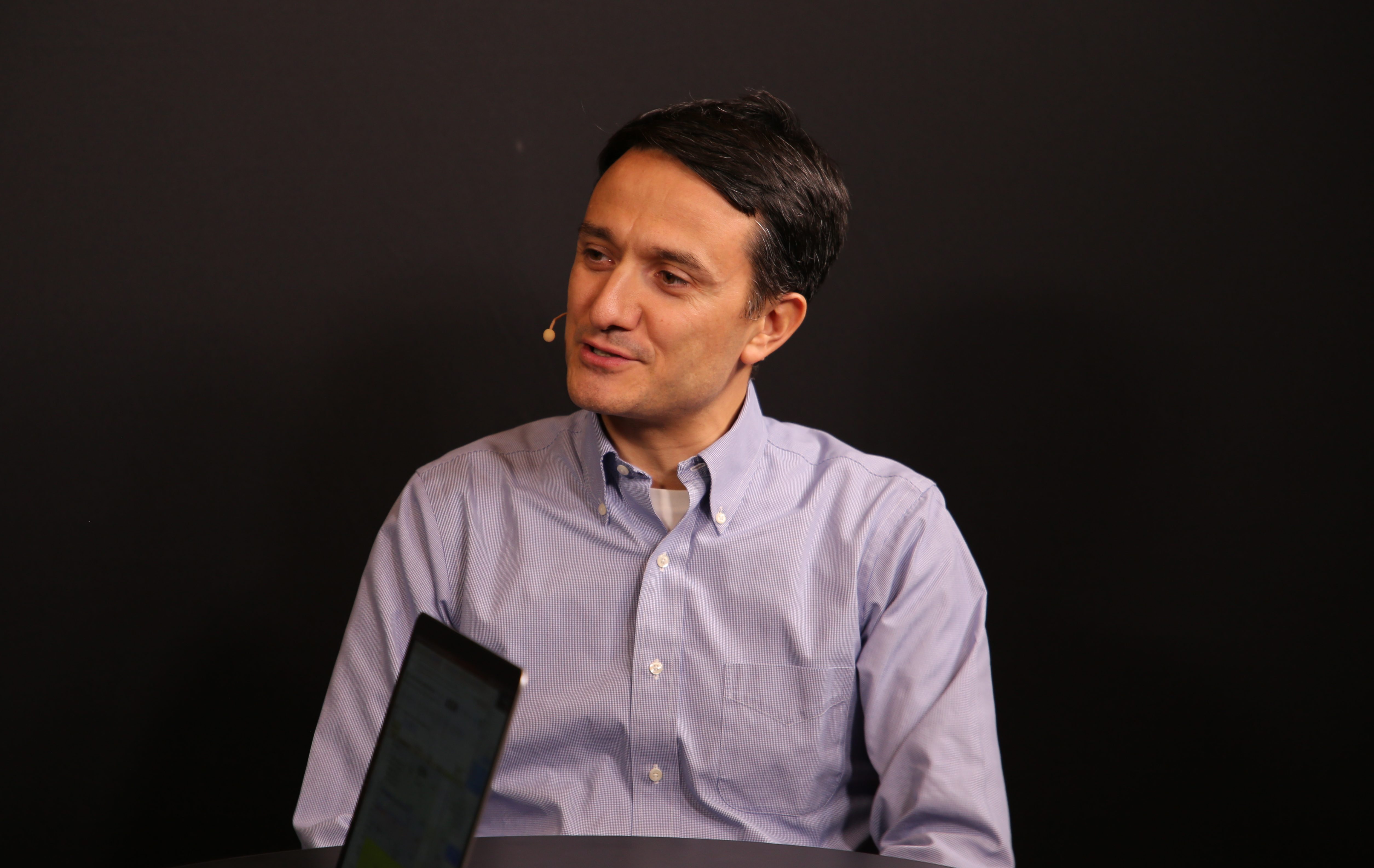
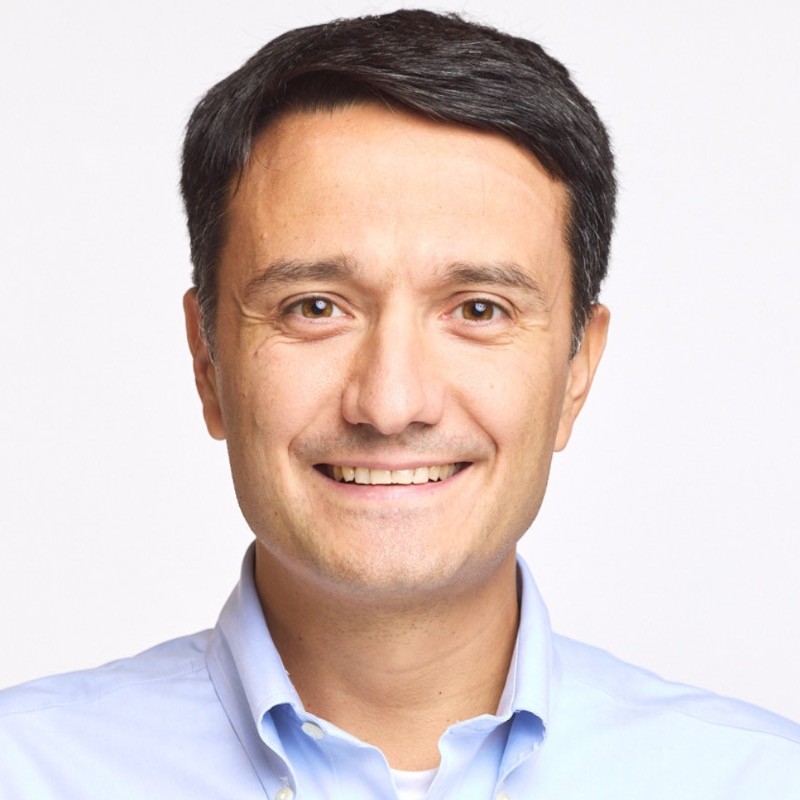
Giovanni, the senior vice president of strategic alliances at Kyndryl Company, discusses the company's transition from IBM and focus on managing mission-critical systems for top clients. Kyndryl's alliance strategy revolves around AI, security, and working with AWS to integrate various technologies seamlessly. The company emphasizes the importance of data in AI success and the need to balance on-prem and cloud systems for efficiency. The conversation touches on resilience, prevention, and recovery in the context of security, with a focus on optimal data manag...Read more
exploreKeep Exploring
What does Giovanni do as the head of alliances for Kyndryl?add
What is the reason for the company's alliances with hyperscalers like AWS and their focus on digital transformation and cloud migration?add
What are the four major areas where a company works with AWS?add
>> Welcome back everyone to theCUBE coverage here. Kicking off day zero of AWS re:Invent four days of CUBE wall-to-wall coverage. I'm the host of theCUBE. Dave Vellante's here. The whole crew's here. Giovanni's in the house, senior vice president strategic alliance at Kyndryl Company. We've been covering since it spun out of IBM. I think it might have been. Was it divestiture? Was it spun off? I forget what it was, but it's no longer part of IBM, but it was IBM's consulting arm. It was like the brains of IBM.
Giovanni Carraro
>> Sure.>> Did it get spit out or?
Giovanni Carraro
>> It was a spin-off. Spin-off.>> Spin-off. Yes.
Giovanni Carraro
>> First of all, thank you very much for having me. It's great to be here. Yes, we spun out of IBM. We became an independent company, was November of 2021.>> So Giovanni, you're in charge of all the alliances for Kyndryl, which is a big job. I thought you were just doing hyperscales. My bad. Global Strategic alliances in a cloud era that's now distributed computing. Every single corner of the tech industry, cloud, on-prem, edge, in cars, in devices, computer vision. Multimodal data is going to be a big part of the business transformation we're living in and you got to touch all those partners and you're helping create the solutions. What do you do every day?
Giovanni Carraro
>> No, no, no. First of all, let me take one minute. Obviously->> Really, take a minute .
Giovanni Carraro
>> You alluded to we're a services business. We run the mission-critical system the entire world relies on. We run the IT system in our operation for the largest airline, the banking system, the largest manufacturer. Just to name, four of the top five airlines who run their systems, six out of the top 10 banks, three out of the top five telco companies, eight out of the top 10 manufacturers. So we're really managing the mission-critical system and we've been doing it for decades. The average relationship we have with the clients is more than 10 years and we're very cyclic because we were definitely the mission-critical aspect. As I mentioned, we span out of IBM. We were the global technology services known at that time, and November 2021 became an independent company. And becoming an independent company gave us an opportunity of really creating relationship with company we did not have access to when we were a services business captive in the product company. And indeed within a matter of not even months of being independent, we strike the first alliances, and we initially focused, obviously, on the hyperscalers. And the alliances with AWS was back in February of 2022. And since then, obviously we've been building. Why? Obviously for us was an opportunity. We obviously managed this mission-critical system in these companies. Our customer wants to continue on the digital transformation, move to the cloud, and they were looking for us as someone that they entrusted to run their mission-critical system for long to really take them to the new world and really take them into more of the future and adopting the new technology. So doing it with alliances was a natural thing for us.>> And the ecosystem is changing because it's a heterogeneous world we're living in right now. It reminds me of the '90s. It's come up a lot. This year in theCUBE, I've heard that quote at least a dozen times now from different people. I feel like I'm in the '90s because at that time, open systems came in. You had new developers. Open source start to take root, and then innovation happened. And then we've been living in a digital transformation world since then. So since the '90s, it's been decades. And then last decade was the decade of digital transformation, but it seems now, Giovanni, we are an AI accelerated business model transformation as well as technology digital, which is super interesting if you do what you do because you're now got-
Giovanni Carraro
>> Sure. There are a couple of aspects that I can think about it. AI is definitely a top priority for everybody, but we definitely see a lot of customer reaching out to us and saying, "I know I have to do it but help me out." And one of the aspect is really goes back to the data and the foundation, data that we've been managing for them. We have been managing some of their system of records and the question is how do you take this system of records and make them system of insights? Really extract the data that is still very highly fragmented and silos and maybe push it into a cloud data warehouse that is more analytics prone and then feed models out of that one in order to extract the insights that really drive better business decision.>> You have all these customers, again, you mentioned some amazing stats. Eight out of 10 top this, the top three, two of three at this company. They have huge technology estates and I have to ask you the question because right now, in our work we did with both Uber and JPMorgan Chase, two different kinds of companies. Uber obviously built from the ground up, major innovation, digital twins, you name it. They're doing cool things. JPMorgan Chase regulated industry. They're a big bank, probably one on your list of one of those companies.
Giovanni Carraro
>> Yep.>> But both have different profiles and huge data and technology estates, but their intellectual property is on premise and they don't want to just... They need their own open AI. They want to have their own data, but they're regulators. They can't just snap their fingers. So you deal with these large companies that have a lot of horsepower opportunity with the data. How are they doing? Are there blockers or are there requirements? Are you seeing the-
Giovanni Carraro
>> I think we have to understand that we live in truly a hybrid world, and I do believe that hybrid world is here to stay for quite some time. That some of the system that runs and are efficient and effective to run on-prem will remain on-prem and the issue is how do you extract the data to feed it into system that needs to be more on the cloud that are more prone to the cloud and really take advantage of, in a sense, both world? And how do you seamlessly integrate that it's part of the challenge, I would say. Some of the company that you mentioned, they're highly regulated. Obviously, we deal with a lot of these highly regulated industry. We have the experience and the expertise to do it, but really, it's about the balance and how you do it effectively and efficiently in order to infuse the new while continuing to operate the existing. You can't just turn it off. You alluded to companies that are more young and new. They can start off from the ground zero and take the->> , they built their own store database.
Giovanni Carraro
>> Exactly, and it comes there. But some of these others, they still need to continue to operate. And part of the challenge in the modernization is how do you modernize while maintaining the system running? The analogy is how do you change the engine of a plane while the plane is still in the air?>> Matt Garman told me on my interview, I've published this on my story, that there's a lot more momentum to the cloud now than ever. People are interested. What's your take on that? You have a great relationship with AWS, as well as a lot of the hyperscalers. Cloud repatriation, which Dave Vellante was, he's adamant on the CUBE pod. That's not true. Yeah, there's some cost savings, but this net new growth is coming into the market. So yeah, people are moving stuff on-prem for certain reasons, but it's not like the anti-cloud growth, so it continues to grow.
Giovanni Carraro
>> I'm on the camp that there's not an anti-cloud . I don't see this pendulum swinging completely. I think there is an opportunity of both. I really believe in an hybrid approach. And as I said before, some workloads will have reasons to be on-prem, and they can easily work there, but some others, a lot of growth will continue to be on the cloud, some of the extraction, you alluded the interview that you did with Matt, talk about the mainframe. The mainframe, very effective, works perfectly, but how do you extract all of the data and use the data and the system of records that are there and feed it into a cloud data warehouse to run analytics on top? How do you balance that one? I think that's really the key to success.>> Talk about the dynamic there, because you're bringing up something that's like in the old model of selling computer wares to companies, you would have to have end of life and the new thing comes in. You're talking about a system that's working mainframe. There's other systems out there. Are you seeing a lot more preservation of stuff that just works and then strapping away with better systems around it? Or is there a general still feeling that some stuff ages out but not as fast? Because obsolescence used to be speeds and speeds, but if a mainframe's cranking out their job, they can offload and be accelerated by AI, right?
Giovanni Carraro
>> Sure. No. I think we have, to the mainframe, what we call a very balanced approach. There's on with and off. So there are some stuff that will move off the mainframe. I think it's time, and some that will remain on and some that will modernize with. And so there is, not minding even the studies that we have done and the research that we've done, we see the customer taking this equal balance approach depending on really what they have to do. And I think the rule of the game is both cost efficiency and really the effectiveness of what you can do, and trying to find the right balance.>> What's your strategy for your alliance? Obviously, Kyndryl, you already have all the big customers. Do you need more customers? Obviously, you have all the big ones. Are you building relationships to serve the customer? Is the alliance more about getting more capabilities? Are you expanding? So what's your alliance strategy?
Giovanni Carraro
>> It's a good point. Obviously alliance, the strategy of the company is predicated on what we call the three As, and one A stands for alliances. The other one is advanced delivery and account focus. So to a certain degree, you can see that one of the growth engine, it's really what we can do through alliances, and this is in two folds. One is with our existing customer base, which I mentioned before. It's a very healthy and existing customer base where we have focused majority of our interest for the first few years of our spin, and it's really bringing them new technology and really see them seeing a renewed trust in us because now we are unbounded. As I said before, we can create this relationship and bring them the technology that best fits their needs. At the same time with the alliances, we can continue to grow not only within our , but we have added also new customers since we are new logo, since we have started being an independent company. So alliances for us is really key in what we do. And then not just the upper scaler but the ecosystem that revolves around .>> They have a huge ecosystem here.
Giovanni Carraro
>> Yes, they have, and this is one of the reason why we focus primarily and initially on the three hyperscalers and obviously, AWS being one of them. It's because the access that we get to the ecosystem and what our customers are asking us is really to help them integrate all these various technology and seamlessly work with their legacy system that are still up and running and functioning. So that's really part of our essential strategy. I focus on global strategic alliances and we focus on what I would call a relatively small, highly selective number of parties. We tend to focus on those companies that have those technology that our customer are looking for, and they're making the .>> You've heard from, before you were on, you heard VMware Broadcom was here. They're partnered with Amazon. I had Tanuja Randery on. She's the EMEA VP managing director for AWS where sovereign cloud is big. So that's a strategy you have to get your arms around because you got data rights and you have global economy. That's, again, another big task for multinational corporations.
Giovanni Carraro
>> Yeah, no, no. Look, there's definitely an evolving environment around us that we continuously have to play and our customer are looking for us for the level of expertise and trust in guiding them in what is the right solution and the right decision for them given their current estate and where they want to go.>> For the folks that are seeing the trust with Kyndryl now that you guys are independent, allows you to be heterogeneous with solutions. You don't have to be aligned with one thing-
Giovanni Carraro
>> Yes, correct. Yeah.... >> courtesy of IBM, which IBM is actually doing really well with Watsonx and they're getting their groove back. But outside of that, you guys are independent, so you have to be a trusted advisor.
Giovanni Carraro
>> Yes.>> What are some of the things you're seeing with customers right now in terms of adoption? Are they buying the big AI factories? Where are they in the progress bar of on-prem cloud edge? Are they fully distributed computing environments today, or are they still procrastinate? How would you measure the progress of the adoption of AI in these large companies? Still kicking the tires, experimenting?
Giovanni Carraro
>> I think there's still fair amount of experimentation and testing. I think there are some leading company that have probably more sophisticated and mature, not just in the model but in their deployment of their models and how they embed their model in their day-to-day operation. We see a lot of customer coming to us and really asking for help not just with the data but also in understanding how to infuse this AI engineer capability in my mission-critical workloads, and really take it the way that they operate their business to the next level. I think every company, every client that we engage with are all on the different phase and then obviously, we deal also with highly regulated industry. So there is that component that obviously plays into the role in what can be done, what's going to be next. But overall, obviously it's a continuously evolving environment, and customer are looking for us for that level of expertise that is in a sense unbiased, that is really catered to what they're trying to achieve and their current situation.>> What are the biggest outcomes they're looking for right now? Just to get beachhead in AI? Get their platforms modernized?
Giovanni Carraro
>> Well, I do believe that everybody recognized that the data is still one of the key elements that defines the ROI around. We've always said data is the new oil element. All these things we've been talking for quite some time. But it's becoming more clear that to succeed in AI, you really have a good data foundation, a data platform that effectively works and pulls data from all the various sources take advantage of. And then also, it's optimized in a way that doesn't feed all the petabytes because otherwise, you'll create models that never stop training and will never be operational. So really how do you find that right balance and optimization?>> Yeah. So Giovanni, you're here at re:Invent obviously because of Global Alliance. What's your message to partners? What are you guys looking for in alliances? What are you guys looking to achieve? Do you have a quick plug for Kyndryl in terms of your relationship that you're looking to either expand, foster, create new?
Giovanni Carraro
>> With AWS in particular obviously->> And ecosystem?...
Giovanni Carraro
>> we're focusing, first and foremost, there are four major areas where we work with AWS would say. One is AI, generative AI. The other one is around security. We are one of the launch partner for the AWS Security Lake. SAP is another key element, and SAP is one of our other partner. We are an SAP RISE implementation partner, and moving a lot of the SAP workloads, some of the most mission-critical workloads around there. It's critical to the cloud to take advantage of RISE, some of it on AWS. So it's that kind of a combination that obviously the . So with these kind of four areas is where we focus primarily with AWS, and our ecosystem partner around those ones. So company like Rubrik, for example, around the security aspect, key element to company.>> So resiliency is huge right now?
Giovanni Carraro
>> Yeah, exactly. Not just the prevention and the cyber security, but also the resiliency of what happens and how you can get back up on your feet quickly.>> The number one conversation that no one has an answer to, what's resilience mean in gen AI? We're working on it because still evolving. Still, resilience is something that's a concern. Everyone's worried about it.
Giovanni Carraro
>> Well, I mean->> How do they roll back from a prompt injection? Just redo everything, I guess.
Giovanni Carraro
>> In all our aspect of security and resiliency, we actually consider these two practices together because we see the entire end to end. And we believe->> Security and resilience is one....
Giovanni Carraro
>> is one.>> I agree with that. That's a great call....
Giovanni Carraro
>> because the ability of doing both the prevention aspect but also being ready to what you need to do.>> To recover, yeah.
Giovanni Carraro
>> When it happened, when the event . And so how do you recover quickly ? So really this end-to-end approach, it's really what differentiates.>> And data's core in all that. That's a good strategy actually. I think that's consistent with what I'm seeing people look at, not as a backup and recovery, it's like security.
Giovanni Carraro
>> Correct.>> Well, you guys got a lot going on. I got to say I can't believe it's been that many years. It seems like yesterday that Kyndryl had the spin out.
Giovanni Carraro
>> Three years and going, going strong. Very happy about it.>> I've always been impressed with the people in Kyndryl because you are working with the biggest customers. You have some of the smartest people in the industry and it's cool up and down the stack. Infrastructure's cool down to the chip level. And then every layer of the stack, there's innovation, there's business value acceleration. It's amazing.
Giovanni Carraro
>> And indeed, we have mentioned about ecosystem and we have alliances with chip makers like NVIDIA, and then infrastructure coming in the cloud, hardware, and then all the way through the application like an SAP, so .>> Let's follow the stack. We have a GTC, we have the super computer, and we go to KubeCon. We go -
Giovanni Carraro
>> .>> Just follow the crowd. It's funny. KubeCon, we were there when it was started, president creation. AWS is our 12th year here and watching Amazon go from being misunderstood, which Andy Jassy was fine with. He's like, "Hey, leaders have to be misunderstood for a long time if you're doing something compelling." Finally, everyone figured this out in 2016. So look it there. It's happening. They've just been on just a growth, and it seems now more than ever, this whole back to the basics because we're in a whole 'nother shift secular trend, so it's the same movie but different actors. It's going faster, large scale data, productivity, cost reduction, top line growth.
Giovanni Carraro
>> You can see . I do believe there's a speed that is significantly faster than probably what we have seen and will continue to probably to continue to accelerate.>> Yeah. Just like sports announcers watching some soccer on TV, European football, as they say, and -
Giovanni Carraro
>> I'm Italian, so you call it the right way.>> football, okay, the beautiful game. The announcers were like, "The pace of play is really fast," and it reminded me of the cloud now. The pace of play in business today is fast and speed is critical.
Giovanni Carraro
>> Yeah. And it's also critical how the system have become essential for everything that we do on a day-to-day basis, and there is an expectation of performance that is in doubt. Even from a consumer aspect, me as an individual, I expect my app to function, but there's an entire system .>> Where's the answer? No one says I want a slower answer.
Giovanni Carraro
>> Correct.>> I love that insights, turning data into insights. Again, it's a tried and true formula. Do it fast, to reduce the steps it takes, make it easy. That's a evergreen business model.
Giovanni Carraro
>> Well, I think it's a key differentiator. People have recognized they have all this data available and the aspect is how do you going to take advantage of that one in an efficient and effective way? We do it ourself also as we operate and we provide services to our customer with Kyndryl Bridge, for example.>> Giovanni, thank you so much for coming on theCUBE.
Giovanni Carraro
>> I really appreciate it. Thank you for having me.>> We'll have you back on. Certainly, you're in New York, right?
Giovanni Carraro
>> Yes, I'm in New York.>> So we'll see you at our NYSE studio. We'd love to have you come in-
Giovanni Carraro
>> That'll be great. Thank you. Yes.... >> when we have our digital twin events. Great to have you on. Appreciate it, man.
Giovanni Carraro
>> Thank you very much. Yeah. .>> Yeah, okay.
Giovanni Carraro
>> Thank you.>> We are wrapping up day zero, which is one of the four days of CUBE coverage. Got a couple more to end out and then we're going to go to the keynote, which is Peter DeSantis. This is the infrastructure keynote, so we get to see inside the ropes and see what the speeds and the feeds are going. I'm John Furrier with Dave Vellante here in theCUBE. We'll be right back.