We just sent you a verification email. Please verify your account to gain access to
SC24. If you don’t think you received an email check your
spam folder.
In order to sign in, enter the email address you used to registered for the event. Once completed, you will receive an email with a verification link. Open this link to automatically sign into the site.
Register For SC24
Please fill out the information below. You will recieve an email with a verification link confirming your registration. Click the link to automatically sign into the site.
You’re almost there!
We just sent you a verification email. Please click the verification button in the email. Once your email address is verified, you will have full access to all event content for SC24.
I want my badge and interests to be visible to all attendees.
Checking this box will display your presense on the attendees list, view your profile and allow other attendees to contact you via 1-1 chat. Read the Privacy Policy. At any time, you can choose to disable this preference.
Select your Interests!
add
Upload your photo
Uploading..
OR
Connect via Twitter
Connect via Linkedin
EDIT PASSWORD
Share
Forgot Password
Almost there!
We just sent you a verification email. Please verify your account to gain access to
SC24. If you don’t think you received an email check your
spam folder.
In order to sign in, enter the email address you used to registered for the event. Once completed, you will receive an email with a verification link. Open this link to automatically sign into the site.
Sign in to gain access to SC24
Please sign in with LinkedIn to continue to SC24. Signing in with LinkedIn ensures a professional environment.
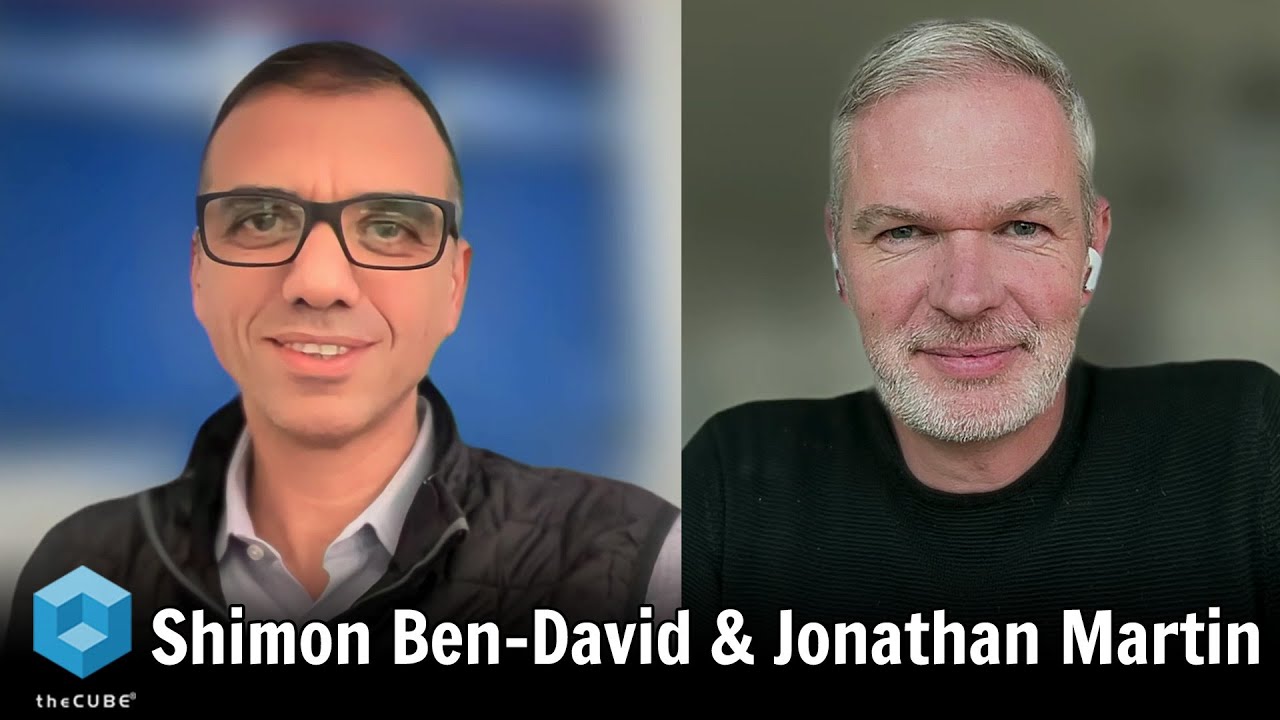
Jonathan Martin, WEKA & Jess Audette, Memorial Sloan Kettering Cancer Center & Geeta Vaghela, Dell Technologies
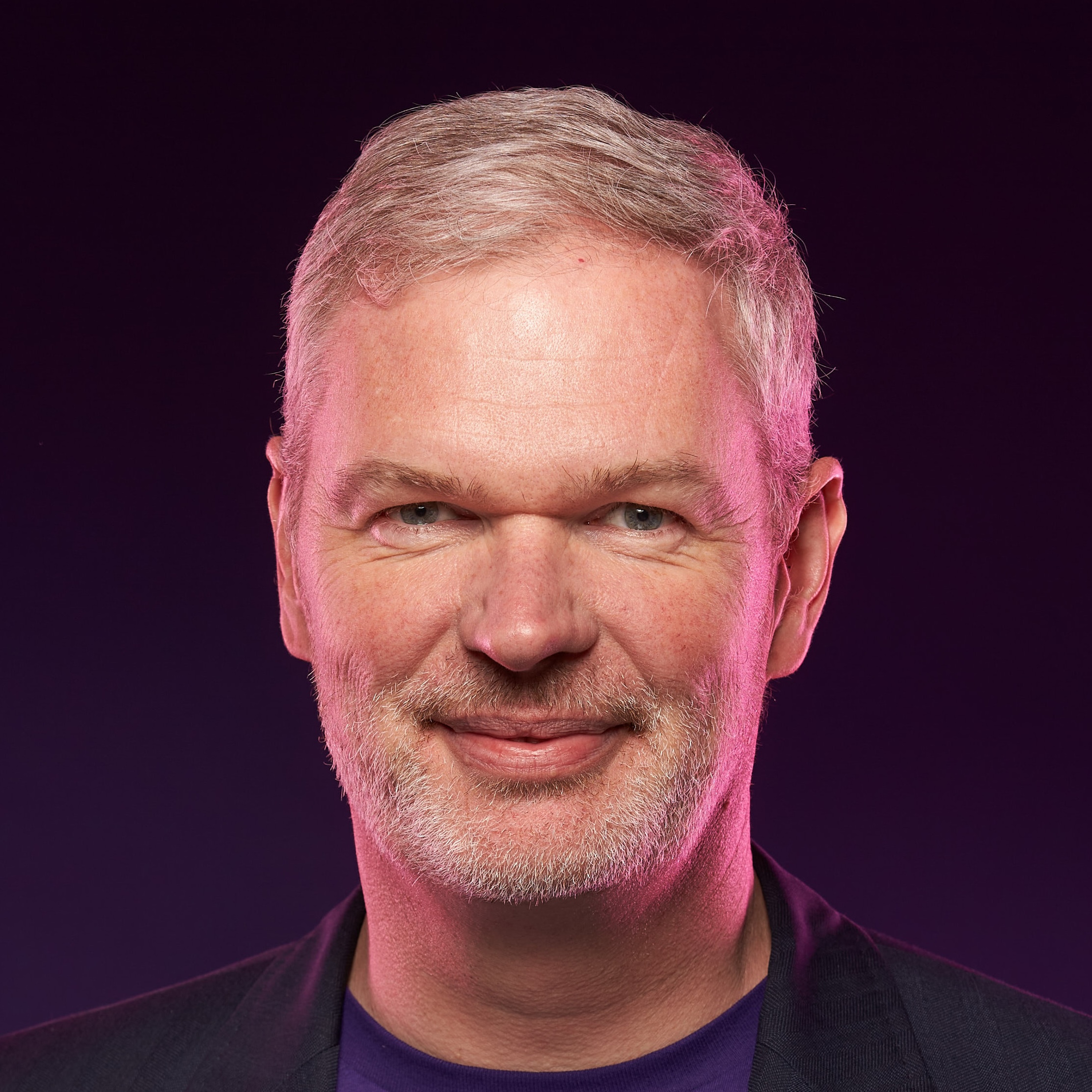
Jonathan Martin
PresidentWEKA
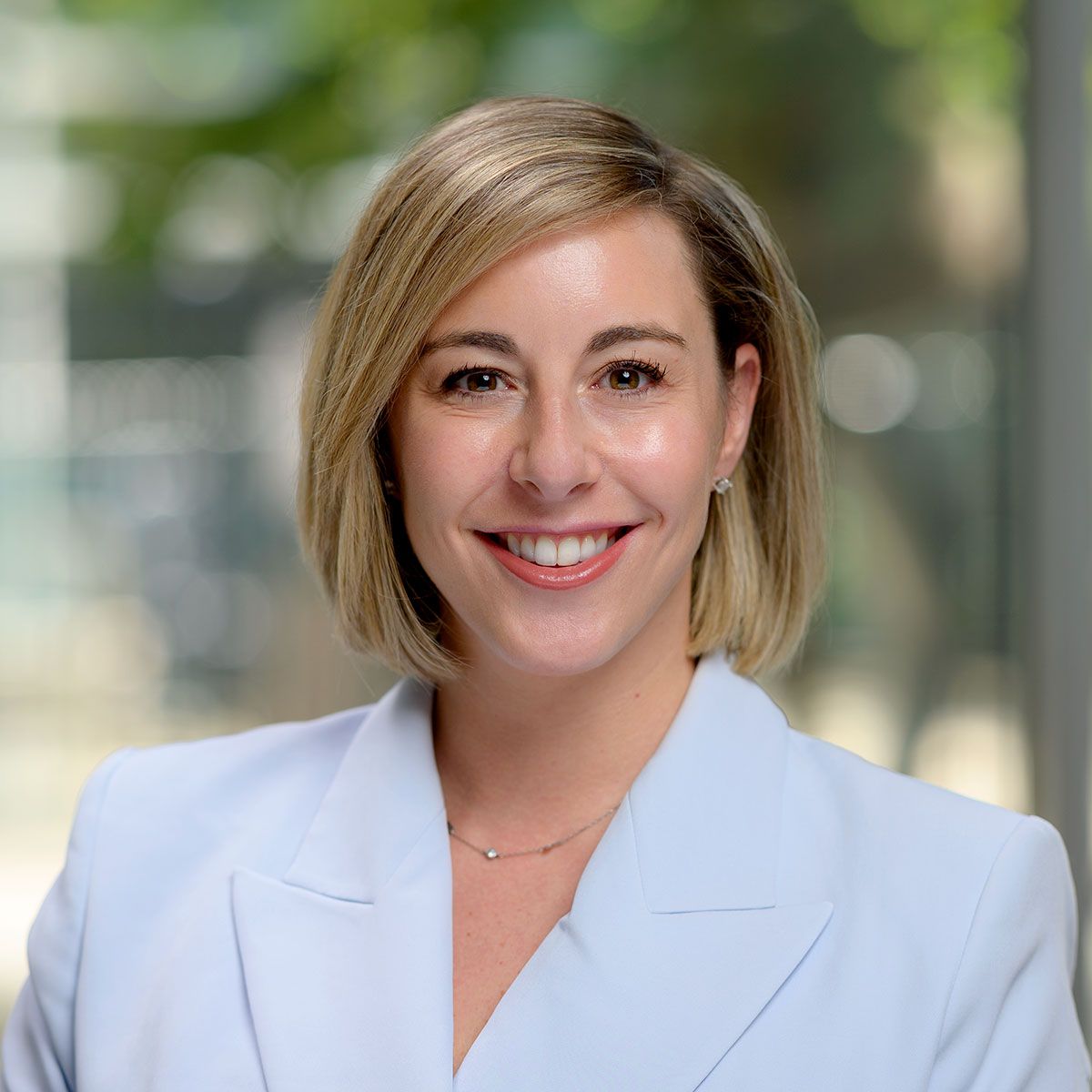
Jessica Audette
Head of HPCMemorial Sloan Kettering Cancer Center
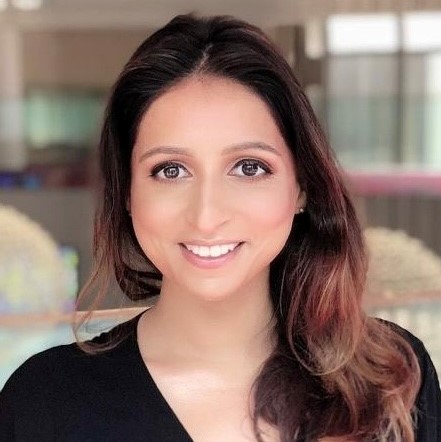
Geeta Vaghela
Senior Director of Product Management, Unstructured Data SolutionsDell Technologies
Experts in high-performance computing are gathered in Atlanta, Georgia for the second day of coverage on SuperComputing 2024. The panel features representatives from Dell and Memorial Sloan Kettering discussing their partnership and its impact on cancer treatment research. The collaboration has resulted in significant reductions in research time and improved patient care, enabled by the new supercomputer IRIS. The use of AI and high-performance computing has shown potential in transforming data into valuable insights across industries. Concerns about AI in he...Read more
exploreKeep Exploring
What partnership has been successful for the last three years between Dell and Memorial Sloan Kettering, and what is the focus of their collaboration?add
What are some potential benefits of implementing artificial intelligence in cancer research and other industries?add
What are some of the varied workloads that are being handled on IRIS and what is one of the great use cases that has been seen so far?add
What factors have contributed to the success and advancement of our organization in terms of infrastructure and technology?add
What is the significance of collaboration in the current era of technology and its impact on delivering true value for the future?add
Jonathan Martin, WEKA & Jess Audette, Memorial Sloan Kettering Cancer Center & Geeta Vaghela, Dell Technologies
search
Savannah Peterson
>> Good morning, high-performance computing fans, and welcome back to Atlanta, Georgia. We're here kicking off day two of our three days of coverage of SuperComputing 2024 here for theCUBE. My name's Savannah Peterson. So excited for this next panel with these fabulous guests. Jess, Geeta, and Jonathan, thank you so much for taking the time to hang out.
Jonathan Martin
>> We us.
Savannah Peterson
>> I'm not going to lie, we're not supposed to play favorites, but I was very excited about this panel in particular, because we're not only talking about making AI real, and bridging the gap between research, and real lives, we're also talking about saving lives, which is really special. Jonathan, I'm going to turn it to you a little bit because I know you're a big fan of the women on this side of the table. Talk to me a bit about this partnership, and lay the land for us.
Jonathan Martin
>> So we've had a fantastic partnership for the last three years between Dell, and Memorial Sloan Kettering, and really helping, as WEKA, reimagine the infrastructure that these teams are building. And we're starting to see this as a pattern in many, many different places around the world, where people have an appetite to build factories for data, where they're taking structured data, unstructured data, synthetic data. And through these new machines, through AI, transform them into intelligence in the form of insights and tokens. And this is an amazing story that I'm super excited to explore with everybody.
Savannah Peterson
>> When we were chatting before we went live, you described Jess as a maverick, which I love, and he does so very adoringly. And you told me, which I concur with that it takes a special person within these organizations to push forward the research, to push forward the collaboration. Jess, when did you get the idea to start this project, and pull in these partners, and find the tools to help expedite research, and time to discovery like you have?>> I would say I have to give all the kudos to our chief architect, Lohit Valleru. He really found the partnerships and advocated for them, and I lean into our technical SMEs who really bring-
Savannah Peterson
>> Is it like...... >> the technical brilliance to the table, and I enable them to make those types of architectural decisions. And he has done a phenomenal job choosing our partners. As just yesterday we were announced number four on the IO500 in partnership with Dell, and WEKA. So that's really exciting news for us.
Savannah Peterson
>> That's a big deal.>> For sure, for sure. So I can't lay claim to the choosing our partners. I would definitely leave it all in the hands of our architects, and our chief architect, Lohit, who came up with the brilliant mindset of, "These are the folks we're going to go with."
In terms of the new data center, which is dedicated to research at Memorial Sloan Kettering, we are building out our newest supercomputer, which is called IRIS, and it's called the cluster of discovery. It's dedicated for research at MSK. We're seeing varied workloads on there, but realistically, the infrastructure that we have now has reduced our wall clock time by 30 times to be able to enable our researchers to get their work done faster.
Savannah Peterson
>> Okay. So that's a huge number, and I just want to make sure we unpack that a little bit in case the audience isn't familiar what the world clock means. Break that down. Explain it to me like I'm five.>> Yeah. So essentially, what would've taken years is taking months. What would've taken months is taking weeks. Keep going down the line, right. What was taking hours is taking minutes, and minutes is taking seconds. And obviously, in the research realm, it's not first to publication anymore, it's first to discovery. And at MSK we're dedicated to ending cancer for life. And having our researchers being able to leverage the most cutting edge technology, and staying ahead of the game on that front really empowers them to be able to do what they do best, and be in the best position possible to do the best science possible. So I'd love to share this metric here, but we had one of our postdocs on our cluster, and he was able to obtain his doctorate a year in advance because of the performance that the cluster was offering to him.
Savannah Peterson
>> A full year?>> A full year. So now when we're looking at that in terms of research, we now have a full doctorate working on research, and now he can dedicate his time to new therapies, new treatments, drug discovery, vaccinations, all of that in the hopes that we can cure cancer, and other ailments for our patients. So that was an amazing feat. It was something unlike that we've ever heard, that they can achieve that in a year early was wild.
Jonathan Martin
>> Yeah. And I think that's an amazing point, right? Because if you think-
Savannah Peterson
>> Yeah. I mean, it's given me goosebumps over here. All spacious, it's like, whoa, talk about significant impact.
Jonathan Martin
>> It's surreal.
Savannah Peterson
>> And this program hasn't been implemented for that long. It's not like this has been going on, and we've been seeing these tiny little incremental changes or shift down in research time. This is a huge 25% decrease in the total time, or more potentially that it takes to... yeah.
Jonathan Martin
>> Totally.
Savannah Peterson
>> Yeah.
Jonathan Martin
>> And you start to kind of gross that up to the, I don't know, tens of millions, hundreds of millions of PhDs that are going on in cancer research around the world. And we are-
Savannah Peterson
>> Just potential....
Jonathan Martin
>> on the precipice of a massive leap forward in innovation in society. And I think AI--a lot of people are talking about terrifying robots and inspection, all these things--but when you talk to people like Jess, there is, in almost every industry, amazing things. So we are starting to get into a world where you can think about, "Okay, how do we guarantee global food safety? How do we begin to take on the challenges of climate change, and sustainability in the environment? How do we cure cancer?" That's all going to be done through people like Jess, and through projects using artificial intelligence.
Savannah Peterson
>> Yeah. And leveraging partners like Dell.
Geeta Vaghela
>> Yeah.
Savannah Peterson
>> This has got to be a magical one for you to be involved with-
Geeta Vaghela
>> It's huge. It's huge. Just as... I mean, meeting Jess in a flesh, she brings this energy, and I think exactly as Jonathan's saying, she pushed it forward, and I think it takes good people to try and do good things. And this is so personal. I mean, I also feel the goosebumps.
Savannah Peterson
>> You see.
Geeta Vaghela
>> As human beings, we're all affected by things like this, and what you and the team have done, Jess, is phenomenal. I mean, Fidel, human progress is the big part of how we think about our portfolio, building out the right infrastructure, really trying to support our partners in getting to these kinds of groundbreaking outcomes, PhDs, and just the research. So I think the personal element is what does it for me, and it's so well aligned to our priorities. And when it comes to fruition, and you kind of see that outcome where it all comes together, it's a little bit magical. It's like the play came together, and it's like, "Wow, okay."
Savannah Peterson
>> Oh, totally.
Geeta Vaghela
>> That's where it is.
Savannah Peterson
>> I think I'm just going to have goosebumps the whole sec.
Geeta Vaghela
>> It's-
Savannah Peterson
>> I just had realized I can't control that, which is great.
Geeta Vaghela
>> It's crazy.
Savannah Peterson
>> Which is magical. But I love what you just said, Geeta. It's so personal, and sometimes the broader conversation around AI, and even high-performance computing can be very sterile, robotic, huge. We're talking about specs, which not that isn't interesting and not that that's not powering these huge clusters, and powering IRIS, but on the flip side, none of this matters if it's not changing lives, and making the world better for all of us.
Geeta Vaghela
>> Exactly.
Savannah Peterson
>> So sorry nerd fam, but that's just the reality. Let's talk a little bit more about the specific types of research that are possible on this. We're talking about billions of data points, potentially millions and billions of data points that you have to connect. What types of projects are folks using IRIS for? Are these research using IRIS?>> Yeah. So we have varied workloads from integrative genomics, computational biology, computational oncologists, radiologists, pathologists. And one of the really great use cases that we've seen on IRIS thus far is we have a basic science lab that is working to identify metastasized cancers, and where they may have started. And that's scaling all the way up to sharing that information with the clinicians to say, "This may be a starting point for the cancer." And that helps them with their treatment plans for those patients. And I think one of the things about the groundbreaking work that's being done is... I don't know that I've met someone that hasn't been indirectly or directly affected by cancer. So it's oftentimes something that a mission that many of us will dear, and we want to push across the finish line to ultimately find those cures. But what they're doing on the cluster is unheard of. The things that they're able to accomplish in less time, which really does truly mean for our patients, they're getting the best care possible that they could. Yeah, it's really exciting, yeah.
Savannah Peterson
>> That's so special.>> The AI workload-
Savannah Peterson
>> Investment for MSK, it makes so much sense. We were chatting before we went live, AI isn't going to replace anyone in healthcare.>> No.
Savannah Peterson
>> It's only going to make their jobs better, more personalized, I would assume. Patient care will be better, hopefully folks in the hospital for less time. What do you say when you encounter a doomer... Because you were kind of alluding to it, Jonathan. When someone's worried about what AI might do in these industries, particularly where life is at stake, what's your answer to that myth of doubt, I should say?
Jonathan Martin
>> I don't know, we've been through this pattern a few times over the last few decades, so-
Savannah Peterson
>> We had a couple of hyper-curves. Yeah.
Jonathan Martin
>> I think in 1994, was kind the same thing with the internet--it was going to change the world. It was going to take everybody's jobs away. It's very, very hard when these massive innovations are happening to really predict what the future's going to look like. But I'm an optimist, so I would always lean into... You think about the internet back in 1994, that our concept to the internet was your 14 4 Modem dialing to the bulletin board service. It's very hard to leap forward 30 years, and think that you can walk around with a plastic rectangle in your pocket with some of the world's knowledge on it. That's where AI is right now. We are very, very, very early in the journey, but it is going to transform every walk of life.
Savannah Peterson
>> Sure. And say that... With the thing... I mean, because we're talking about cancer specifically, when people are in... This hits me very personally. When you're in a trial, or when you're in something, and you have a very unique type of cancer or trying on a new drug, when we're talking about research, this could accelerate that discovery. I mean, by 10 to 30%. I have in my notes here. That is massive. A lot of times->> Big numbers, yeah....
Savannah Peterson
>> folks are stuck in a position where they're waiting to hear what might happen from X trial, or X research, and now this could potentially be happening very, very quickly.
Jonathan Martin
>> 10 to 30% would be great, but it's actually 10, or 30 times.
Savannah Peterson
>> Right. Oh yeah, kosh. That's what I meant to say. Holy moly. I mean... And that's nuts. That's orders of magnitude faster. Oh man, it's just going to unlock so much potential. You mentioned the PhD getting done a year in advance, which is nuts. How replicable do you think that is? Do you think we'll start to see that across the board?>> Yeah, I think our environment is extremely scalable. It's simplified for the users. We have our scientific computing team that works directly with our PIs, and their labs to understand their science, kind of bridge that gap between science and technology, and really help them with their workloads. Ultimately, it's definitely replicable, right? We're already seeing it in reductions of patient treatment, or... excuse me, their recovery times. The treatments are enhanced. It's just all around been a positive for them to have access to these clusters. And I forgot to mention that we did have a PI that recently had 100 success rate on one of their cancer treatments, which was a new clinical trial for a... It was colon cancer. Pretty much it was a death sentence previously. They had a hundred percent success rate, and they did a lot of their research on our cluster. So-
Savannah Peterson
>> It's amazing.... >> it's really changing the world. It's changing lives, and they're doing the best that they can to meet those goals for the greater good of the human people and for MSK.
Savannah Peterson
>> Yeah. That's . And that's another chills' moment. A hundred percent. That's nuts. This wasn't happening at this velocity. For those not familiar with cancer research, this stuff takes decades a lot of times.>> For sure.
Savannah Peterson
>> And is complex, and isn't always as, I don't want to say fail-proof, but as consistent as what you are describing. From a partnership perspective, you mentioned that it's been three years that you've been collaborating with these lovely humans.
Jonathan Martin
>> Yep.>> Yeah.
Savannah Peterson
>> What does it mean for you to be working with Dell and with MSK on this? What does that look like? How often are you collaborating? How often are you communicating?
Jonathan Martin
>> We are communicating every->> I was going to say, I think Jonathan, he twerks a little bit when he sees my number on the phone just calling again.
Jonathan Martin
>> Yeah. No, we->> I think it's largely in part because of our partnership between all of us that we've been able to be where we at. If WEKA and Dell hadn't stepped up to aid us and get us everything we needed from an infrastructure perspective, I don't think that we would've made the IO500, or those other items.
Jonathan Martin
>> Yeah. And you see across industries, people over the last year, 18 months, have started to realize that traditional data center infrastructure is not fit for purpose for these type of new workloads. And there is definitely a new infrastructure triangle that's appearing--the one that gets all the headlines--the GPUs. Everyone's deploying like hundreds and thousands of GPUs with very, very fast networking on InfiniBand, or Ethernet, and not traditional data, vertically integrated data storage, but they're trying to build data pipelines, build manufacturing plants on data platforms. And that new technology investment is being grabbed on by the most progressive companies on the planet, and they're investing in a way that we've not seen in the last decade. I think this year Meta are investing $35 billion in new infrastructure. Microsoft recently announcing $50 billion in new infrastructure.
Savannah Peterson
>> These are some serious figures.
Jonathan Martin
>> We've never seen data center investment like this.
Savannah Peterson
>> So you think this is here to stay? You think we're going to see a total makeover and transformation of the data center?
Jonathan Martin
>> I think there is going to be the world before 2023 and the world after 2023, and the types of data centers that are being built are very, very different.
Geeta Vaghela
>> Yeah, agreed.
Savannah Peterson
>> I was just going to ask if you were saying the same thing.
Geeta Vaghela
>> Talk about change. I think even what Jonathan was saying, there's these markings in timelines that say there's a significant shift, the world changes a little bit. And I think this is another one of those times. Do I think we've seen it all? No, I think we're all learning. And the comment on how often do you talk, there's so much happening. Like this event has been amazing. I'm learning something every minute. Like you turn around, and there's a new case of it... vision's like, "Ah, okay," and all these other pennies drop, or that with that, with that. And that's how you bring it back to solving real world problems. And I think that's the beauty of this timing, that we're all looking to leverage this new technology, but it's driving... And this is what really does it for me, it's driving it for humans. Whether it's sustainability, or the environment, or healthcare, ultimately we're just making the world a better place. And I think that is how the technology should be. I mean, that's my personal perception, that technology is not here to take over the world. It's there to make the world a better place. And how you use it and how you partner is where that special sauce comes in. So I think everything Jonathan and Jess are saying, I'm nodding over here because I'm like, "Perfectly said. That's exactly what's happening."
Savannah Peterson
>> And you're touching on exactly the energy. For folks who aren't here in the room with the three lovely humans next to me, it's really about the collaboration. And I think... I mean we've all been in technology. We're talking about different hype curves, and different trends that we've seen. I haven't seen a era in tech where we're this collaborative on actually delivering true value. I mean, of course, there's still competition in the market. We're not going to pretend like that doesn't exist. But on the flip side, I mean, even the three of you sitting on this stage, the goal here is to build things that are better for our... better future, not just a better stack, or a better data center. There's this overarching how it's going to actually change our lives because AI and HPC at this stage is an incredibly expensive investment. So it's exciting. Oh my gosh. Okay. So I have one more question for you all because that time just flew by. We could talk all day. When we have you on this stage at SuperComputing next year, because this is obviously great, we're going to need an update, what do you hope to be able to say then that you can't yet say today?>> IO500 number three.
Savannah Peterson
>> Yeah.>> We're going to keep moving up that ladder. Love the goal. Yeah, yeah.
Savannah Peterson
>> No hesitation from Jess on that one.
Jonathan Martin
>> Yeah.
Savannah Peterson
>> Absolutely.>> Yeah.
Savannah Peterson
>> What about you Geeta?
Geeta Vaghela
>> Me, it's just more wins exactly as Jess is describing. It is examples of where we're seeing technology used at its best partnerships where technologies come together with the right mix that actually say, "You know what?"
I always think, "How do I explain to my kids what I do?" And I want to tell them these stories, all of the benchmarks... I love them. Don't get me wrong, I'm a technologist at heart. But when I can make it real, and when it becomes personal, and we're able to have conversations look at each other in the eye, and saying, "We're collectively..."
And I think this is the partnership comment that you're making, the reason it's so easy to align is because we've all got a common goal. And then it becomes easy to say, "Well, I've got this piece, you've got that piece, and we're building the jigsaw puzzle." So I think that's my goal. I just want to see more success stories, more examples, more real life value around all the technology that we're collectively building.
Savannah Peterson
>> Absolutely. How old are your kids?
Geeta Vaghela
>> I have a 14-year-old, and 11-year-old.
Savannah Peterson
>> Yep. You can go ahead, and give them a shout-out right now.
Geeta Vaghela
>> Yeah, I will.
Savannah Peterson
>> Say-
Geeta Vaghela
>> And Aveda, mommy over here. I will see you on Thursday night.>> I also have to do mine. I have a six, and a three-year-old. So, Braden, and Parker, good to see you. Love you.
Geeta Vaghela
>> Now I'm curious, actually just sitting there for a second. Don't worry, Jonathan, I won't leave you out here.
Jonathan Martin
>> That's all right.
Savannah Peterson
>> How do you describe what you do to them now so we can compare next time?
Geeta Vaghela
>> A lot, a lot of this. So over the years as they've grown up, my kids are a little bit older, they start to ask more of those pointed questions of, "Okay, that's great, you do this, but what does that mean? What does that mean?"
And we have... My girls are at that sort of emotional age where they want to talk a lot, and they have lots of questions. So a lot of our evenings with very deep-rooted questions, and I just keep it really honest with them. They see their grandparents aging, they see illness in the family, they see... I've had surgery. I mean, they see it, and day in, day out, I try, and kind of remind them that actually this is real life. My husband's in robotics. And again, we try and make it real for them all the time. And I just want them to be good citizens of the world. I mean, if I've done my job right one day, they will give back to the world and be good citizens. And that's my motivations.
Savannah Peterson
>> Oh, that just touched my soul on a whole other level. Y'all are the nicest ever. I'm loving this. No wonder you wanted them to come up here with you today. I see what's going on. How do you talk to your kids about it?>> Oh, wow. I think they're still at an age where it's just, "What is mommy bringing home from the trip that she's going on?" I'm on a severe swag hunt after this, all the things for . Yeah, I've told them whatever makes them happy, but mommy's only paying for college of its technology. Whatever brings them joy, honestly. But I think they know that I work for a hospital, they're very proud. And my six-year-old gave me the thumbs up on my outfit for today.
Savannah Peterson
>> You look great. I'm not surprise. The six-year-old has great taste. That's ->> He tries....
Savannah Peterson
>> you clearly, that's for sure. Jonathan, what about you? What do you hope to be able to say this time next year?
Jonathan Martin
>> So, I think that this show has been a great example of the change that we're seeing. So the canaries in the coal mine the last few years have been companies like MSK that have grabbed a hold of this technology and done something-
Savannah Peterson
>> In way. Sometimes the canary in the coal mine is not-
Jonathan Martin
>> Is a guess.
Savannah Peterson
>> Good canaries.
Jonathan Martin
>> The early indicators of a sea change. This show, large enterprises are absolutely ready for AI. And that's really been the discussion this week, is that no longer is going to be the Mavericks, is AI is... That wave is about to hit the large enterprise. And so I would expect when we come back next year, you're going to see a plethora of organizations that are doing amazing things by MSK.
Savannah Peterson
>> I love that. And more research done faster, more cures found quicker, and more lives saved. Jonathan, Jess, Geeta, thank you so much for coming in.
Geeta Vaghela
>>
Savannah Peterson
>> My heart is full, which I cannot always say is the case after every one of these. I'm inspired. I hope you're all inspired wherever you might be watching. We're here in Atlanta, Georgia at SuperComputing 2024. My name's Savannah Peterson. You're watching theCube--the leading source for enterprise tech news.